

The end of invulnerability: How the UDF reassembled a winning social coalition to oust the Left
This election marks a turning point in Kerala’s political economy. The verdict is not anti-Left in a simplistic sense, nor is it a blanket endorsement of the UDF. It is, instead, a demand for governance that is transparent, accountable, and economically credible
Written by Muhammed Riyas
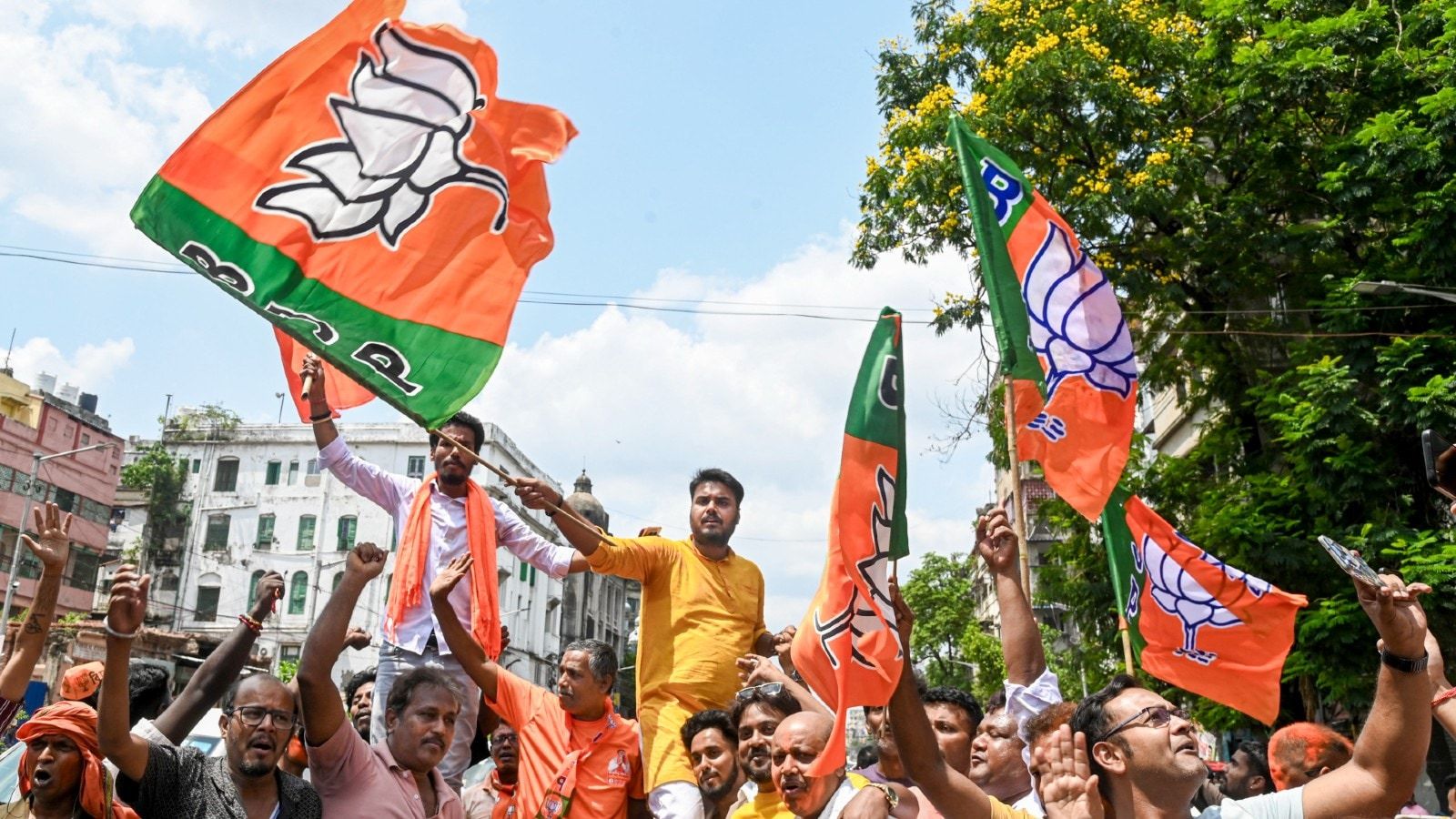
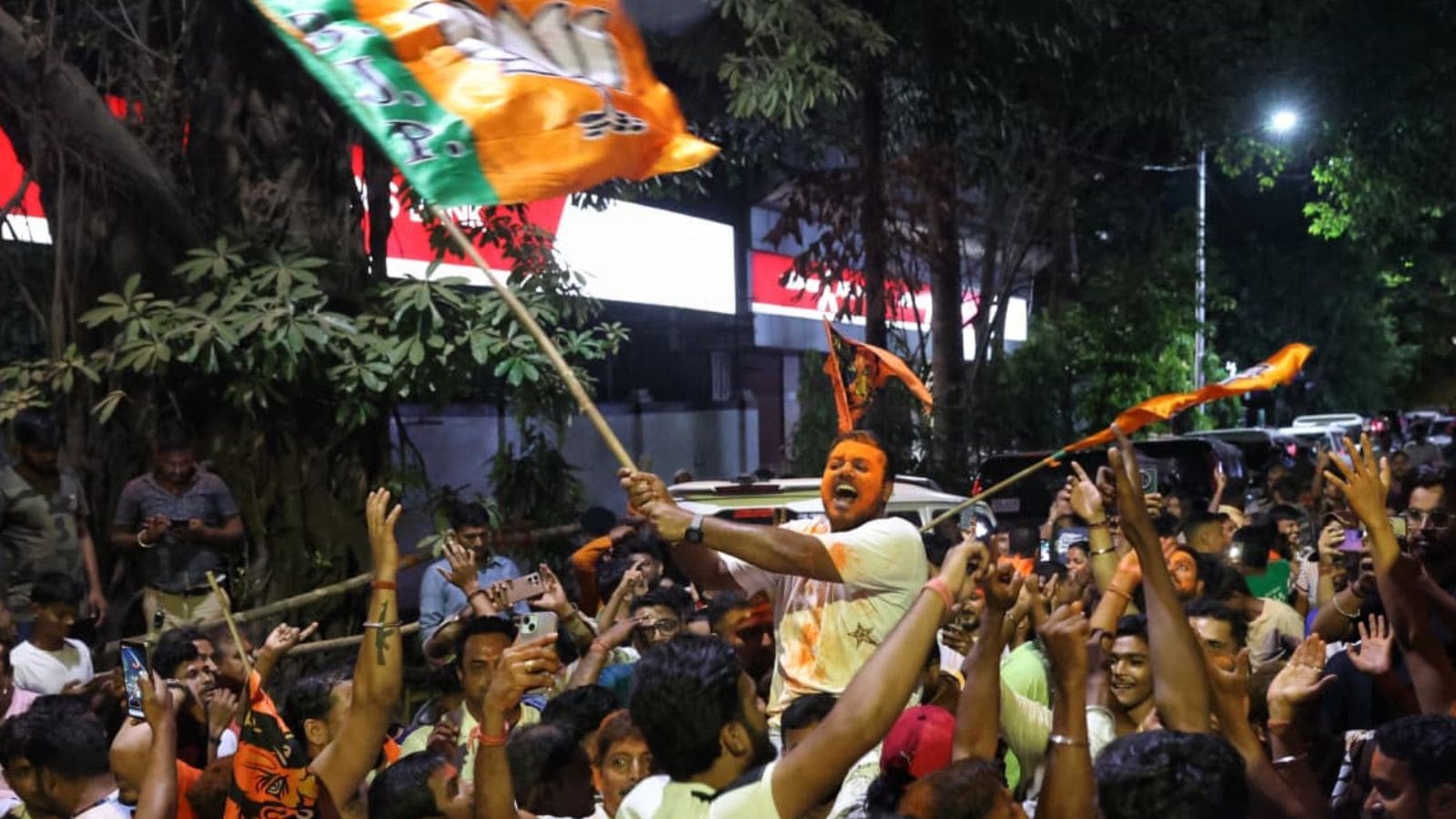
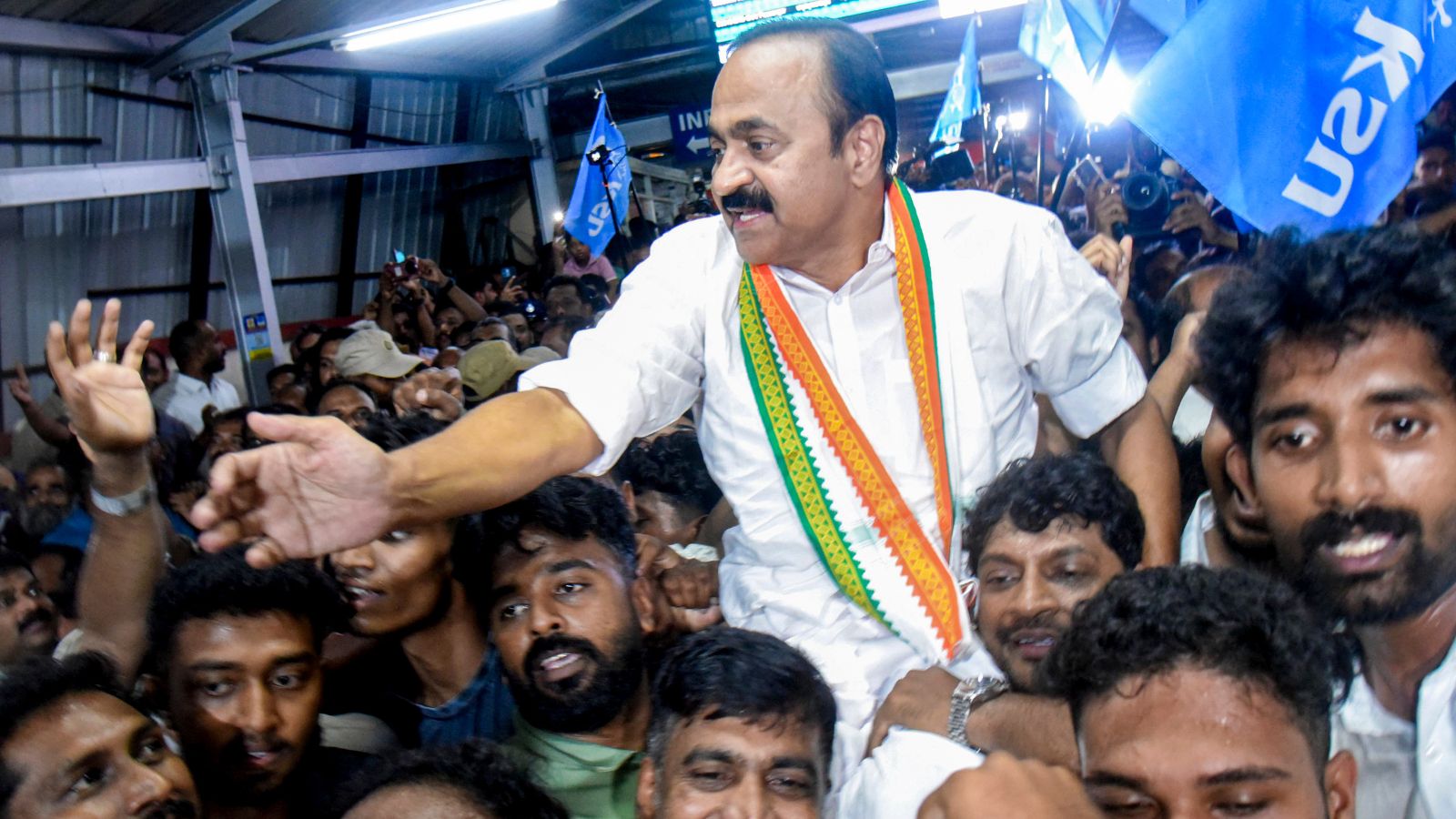
Kerala has delivered a decisive and unambiguous verdict. The Congress-led United Democratic Front (UDF), with 102 seats against the Left’s 35, has not merely won an election — it has engineered a political reset. For the Communist Party of India (Marxist) and CPI(M)-led Left Democratic Front (LDF), this is not just a loss; it is a structural repudiation.
At first glance, the result appears to break Kerala’s well-known pattern of electoral alternation. But that reading would be superficial.
The Limits of Incumbency
The LDF came into this election carrying the weight of a historic continuity. It had broken Kerala’s cycle in the previous election by securing a second consecutive term. That victory had raised expectations of governance that could combine administrative efficiency with political clarity. However, over time, governance fatigue set in.
What sharpened this fatigue into electoral backlash was a growing perception of political arrogance. The incumbency advantage appeared to slide into a sense of invulnerability. Rather than caution, the LDF’s continuity seemed to produce overconfidence, visible both in its political style and administrative conduct.
A key feature of this phase was the increasing reliance on aggressive narrative management. The government appeared more invested in shaping perception through high-decibel propaganda than in substantively engaging criticism. In Kerala’s politically literate public sphere, this strategy has limits. Voters are not passive consumers of messaging; they actively interrogate it. As the gap widened between official narratives and everyday experiences, credibility suffered.
Equally consequential was the treatment of dissent. Opposition voices — whether from rival parties, civil society, or critical media — were often framed as obstructionist or politically motivated. In a state where democratic contestation is deeply institutionalised, delegitimising opposition can quickly erode trust.
More troubling was the perception of over-politicisation of institutions. Allegations that sections of the bureaucracy and police were drawn into partisan alignments weakened institutional credibility. Whether or not each instance was substantiated, the cumulative perception mattered.
These concerns were compounded by accusations of favouritism and selective access. Proximity to power increasingly appeared to shape outcomes, giving rise to a sense that governance was becoming transactional. Critics pointed to a shift toward “deal brokering” politics — where influence networks mattered more than procedural fairness — further alienating sections of the electorate.
Perhaps most damaging was the erosion of mass contact politics, historically a cornerstone of the Left’s strength. The CPI(M)’s legitimacy was built on dense grassroots networks and continuous engagement with communities. In recent years, however, governance appeared more centralised and mediated, with leadership increasingly insulated from everyday grievances. As this distance widened, so too did the perception that the government was less responsive and more managerial.
Economic Anxiety and Fiscal Strain
Kerala’s economy, already structurally constrained by limited industrialisation and high welfare commitments, has been under visible stress. Rising public debt, delayed welfare payments, and fiscal tensions with the Union government created a palpable sense of uncertainty.
While the LDF framed these challenges within the narrative of federal injustice, the electorate appeared less convinced. The distinction between structural constraints and administrative shortcomings blurred in public perception. Economic anxiety, especially among middle classes and youth, translated into electoral discontent.
The UDF’s Strategic Consolidation
The UDF’s victory is not merely a default outcome of anti-incumbency. The front managed to reassemble its traditional social coalition — minorities, sections of the Hindu middle classes, and segments of the rural poor — while also making inroads among younger voters.
Equally important was the UDF’s recalibration of its political messaging. Instead of relying solely on anti-incumbency rhetoric, it foregrounded governance issues — transparency, economic management, and institutional accountability. This allowed it to convert diffuse dissatisfaction into a coherent electoral narrative.
Leadership coherence also mattered. A more coordinated and less faction-ridden campaign contrasted with the perception of over-centralisation within the LDF. In a state where political mobilisation is highly networked, organisational clarity often translates directly into electoral gains.
What Next for the LDF?
For the LDF, the road ahead requires introspection rather than defensiveness. The challenge is not merely electoral recovery but ideological renewal. Can it reconcile its developmental strategy with its redistributive commitments? Can it restore institutional trust and decentralised governance — once hallmarks of Kerala’s Left?
Without addressing these questions, the LDF risks further erosion, particularly among younger voters who are less tied to traditional political loyalties.
The UDF’s Test
Victory, however, brings its own pressures. The UDF must demonstrate that it is not just an alternative, but an improvement. Managing Kerala’s fiscal constraints, sustaining welfare commitments, and navigating Centre-state relations will test its administrative capacity.
More critically, the UDF must avoid the complacency that has historically followed its electoral successes. Kerala’s electorate has shown a willingness to reward performance — but also to punish its absence.
This election marks a turning point in Kerala’s political economy. The verdict is not anti-Left in a simplistic sense, nor is it a blanket endorsement of the UDF. It is, instead, a demand for governance that is transparent, accountable, and economically credible.
The writer is an economist based in Bengaluru