

In J&K, healing the festering wound of drug addiction
From the opium fields of Ghazipur to the valleys of Kashmir, India’s drug crisis has long been visible to those willing to look. Why has political will been so slow to follow?
I knew his name before I knew what heroin could do to a person. He was from Ghazipur, one of the brightest students in our hostel at Banaras Hindu University. Sharp, funny, full of ambition. Then, gradually, he wasn’t. The transformation was not sudden. It crept in quietly, the way these things always do, until one day it was complete. He was one of thousands around the BHU who had been consumed by a trade that operated brazenly, with political protection and near-total impunity.
Ghazipur is not incidental to this story. It is the story. Amitav Ghosh chose it as the opening of his celebrated Opium War trilogy for good reason — this district in eastern Uttar Pradesh sat at the heart of a narcotics trade that reached from Myanmar to the streets of Indian cities. The Ghazipur syndicate, operating through the 1980s and 1990s, was linked to Khun Sa, then among the world’s most powerful drug traffickers, based in Myanmar. Heroin — a white powder derived from opium through chemical processing — flowed outward. Money, protection, and political influence flowed back.
The Narcotics Control Bureau and the Central Bureau of Narcotics launched sustained campaigns. The trade grew anyway. It moved from the streets into colleges. It moved from colleges into families. And then, as it always does when a crisis becomes too large to police, it became invisible — filed away as someone else’s problem, in someone else’s district, happening to someone else’s children.
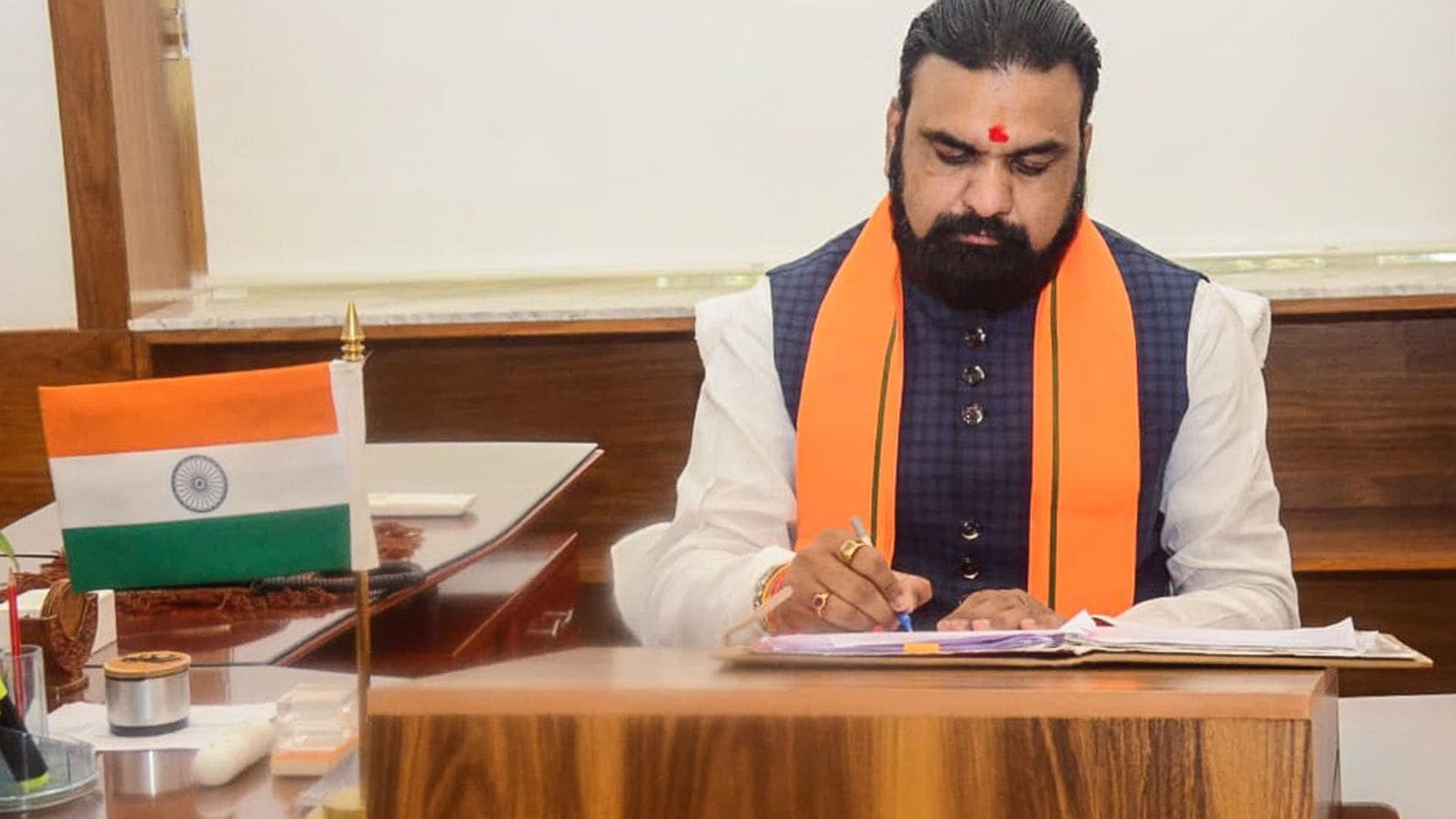
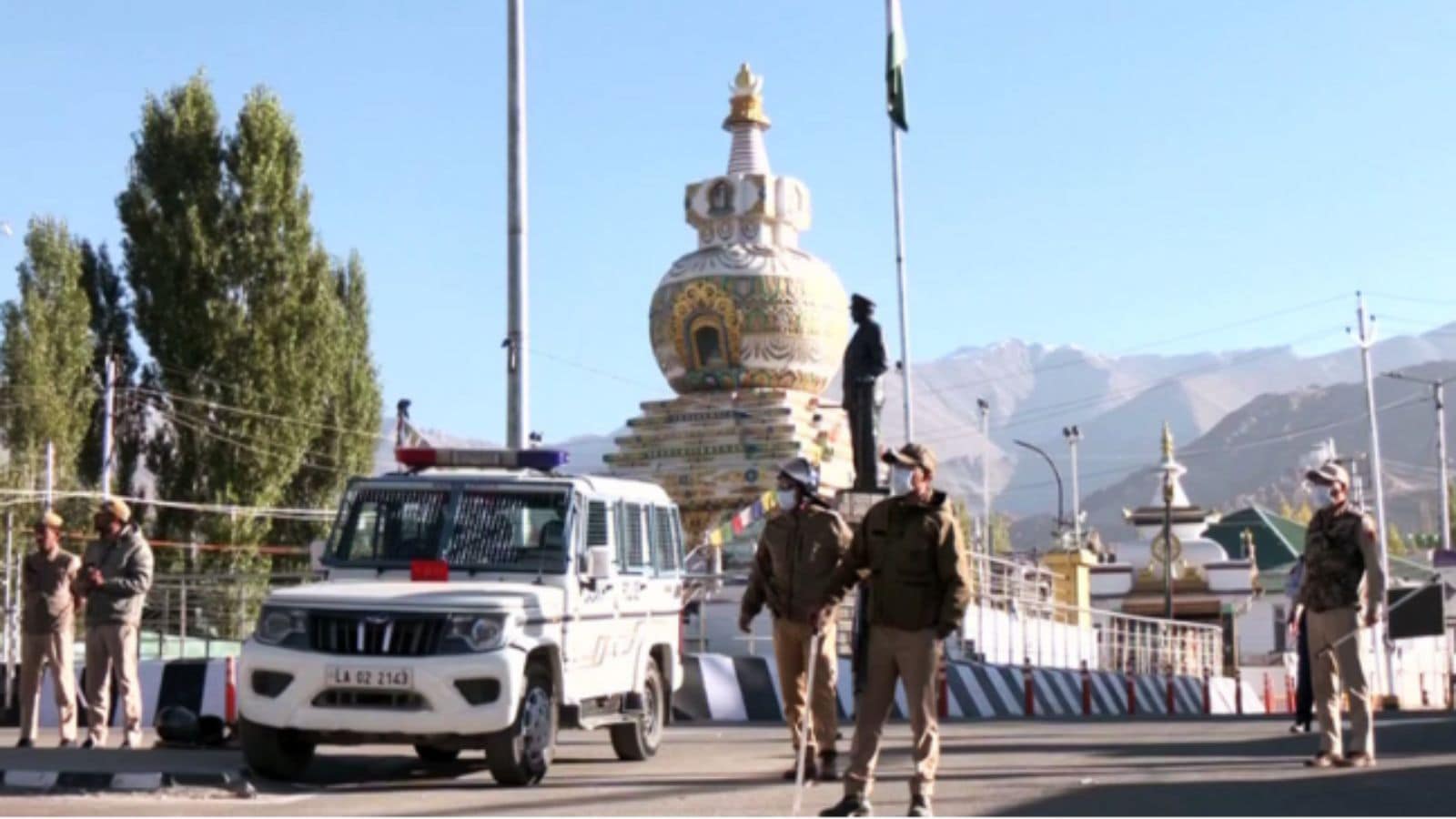
This is why, when Lieutenant Governor Manoj Sinha announced a campaign to eradicate drugs from the lives of young people in Jammu and Kashmir, I did not dismiss it as rhetoric. Sinha is from Ghazipur. He was a student leader at the BHU during the years when the trade was at its most devastating. He has seen, at close quarters, what a generation looks like when it is lost to addiction. His credentials on this issue are not administrative. They are personal.
The drug problem in Jammu and Kashmir is, in some ways, even more structurally entrenched. The region borders what is commonly called the Golden Crescent — Pakistan, Afghanistan, and Iran — one of the largest opium-producing zones in the world. Heroin and brown sugar, a less refined derivative, are readily available. Pakistani supply networks, reportedly including drone deliveries, have extended the reach of this trade into Punjab and Rajasthan as well. The trafficking of drugs and the trafficking of weapons are rarely separate enterprises: Together, they fund a low-cost, long-duration campaign of destabilisation that causes damage no conventional security operation can easily reverse.
The damage shows most clearly in Punjab. Visit the areas around educational institutions, and you encounter stories that never make the news: Families who speak in whispers, parents who grieve privately, children who disappeared not to violence but to a slower, quieter ruin. The state has shown remarkable resilience — religious institutions in particular have stepped into the vacuum — but community resistance, however determined, cannot substitute institutional commitment.
In Jammu and Kashmir, the drug menace has been a festering wound for decades — acknowledged by few, addressed by fewer. Its connection to the financing of separatism has long been suspected; the reluctance of mainstream political parties to engage with the issue seriously has been, at best, a failure of courage and, at worst, something more troubling. The elephant in the room was, for many years, simply not discussed.
Sinha’s campaign has drawn enthusiastic participation from local communities — parents, young people, civic groups. This is significant. Public health crises of this nature are not resolved by government action alone; they require communities to believe that change is possible, and to invest their own energy in it. The response on the streets of the valley suggests that people are ready.
But the deeper question is whether this energy can be institutionalised, and whether the example travels. Back in Ghazipur, in Varanasi, in the metros and tier-two cities where addiction statistics have climbed steadily, there is no comparable movement. Professional politicians have little appetite for this cause: It does not divide constituencies usefully, it does not generate crowd-pleasing rhetoric, and it demands something far more difficult than a rally — it demands the patient, unglamorous work of rebuilding individual lives.
That work is hard. It requires sustained funding, trained counsellors, family support systems, and a political class willing to treat addiction as a public health emergency rather than a moral failing. It requires, as someone once said of a different long struggle, not weeks or months but years of commitment without the guarantee of visible results.
Manoj Sinha has the background, the credibility, and apparently the resolve to see this through in Jammu and Kashmir. The real test will be whether what begins in the valley can become a template — a model for how political will, community participation, and institutional support can be brought together to fight a crisis that has been hiding in plain sight for far too long. The students of Ghazipur, of BHU, of Punjab, of every city where this quiet catastrophe is unfolding, deserve nothing less.
The writer is former press secretary to the President of India