

J D Vance’s ‘very important Pakistani’ comment reveals an old American habit
Policies that advance American strategic interests often carry significant political costs within Pakistan. Elected politicians must absorb those costs. Military rulers generally do not
Historically, the US has often found Pakistan’s military leadership to be a more reliable partner than its elected governments. Civilian administrations must navigate competing domestic interests, public opinion, coalition politics, and electoral accountability. Military rulers face no such constraints. They are therefore better positioned to deliver on Washington’s strategic priorities without having to justify those decisions to a skeptical electorate.
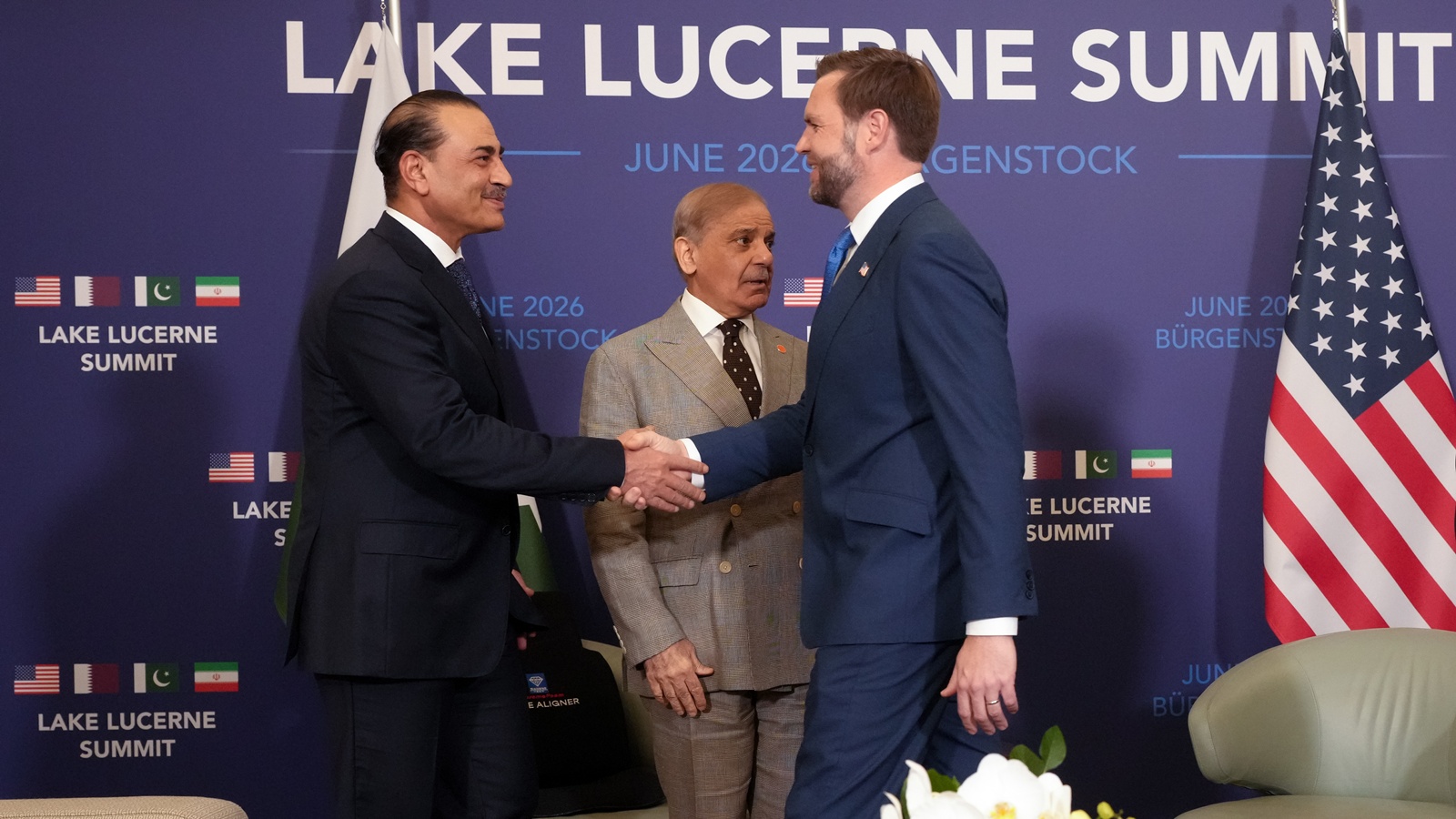
This dynamic has persisted despite consistently low public perceptions of the US within Pakistan. Surveys conducted over the years, including by the Pew Research Center, have frequently shown Pakistan among the countries with the most unfavorable views of America. Yet Washington’s preference for engaging Pakistan’s military establishment has remained remarkably consistent, most recently exemplified in Vice President J D Vance’s “joke”: “I have joked that I have two very, very important people in my life, an Indian and a Pakistani. The Indian is my wife, and the Pakistani is Field Marshal Munir.”
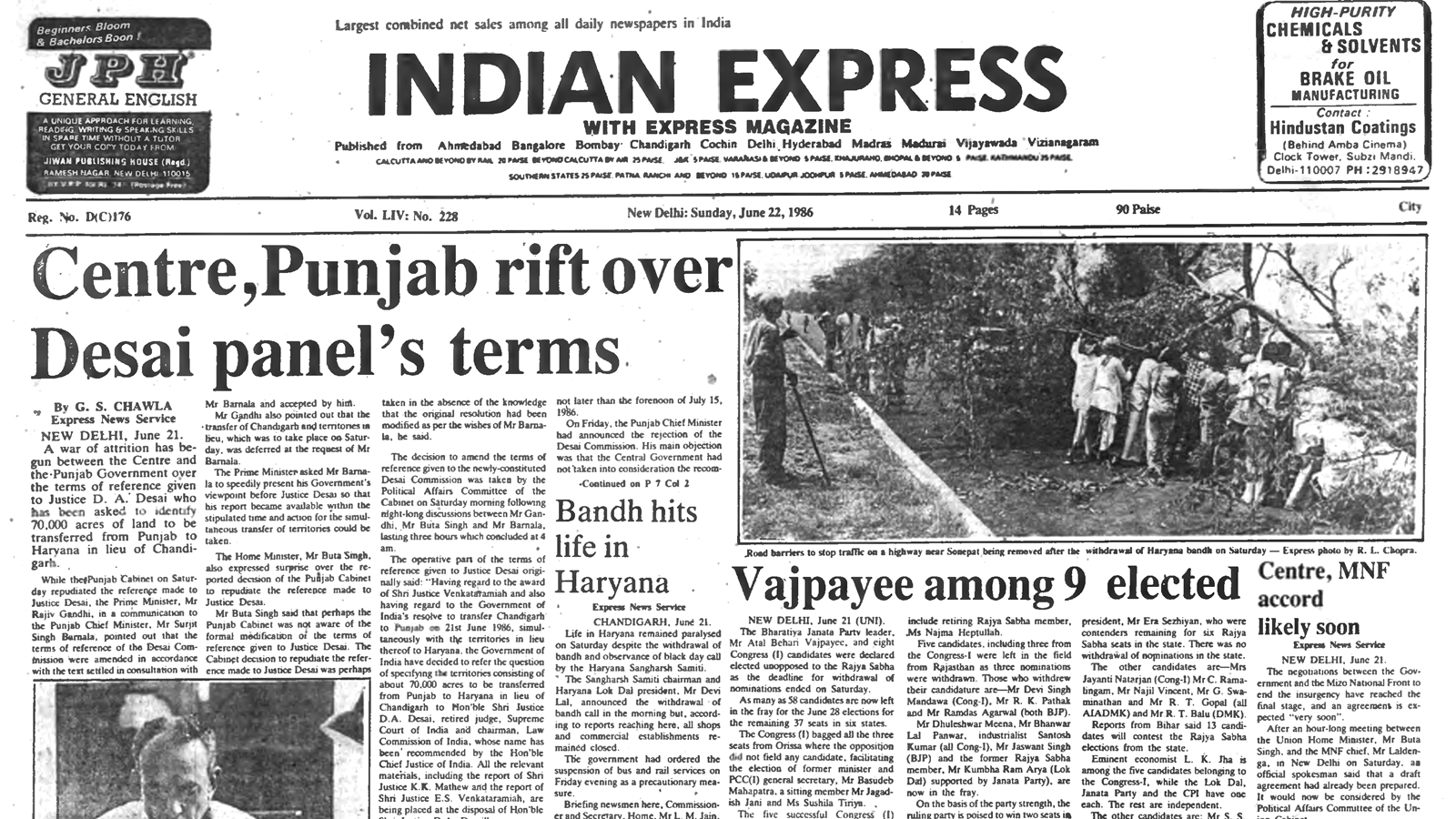
The pattern is difficult to ignore. From Field Marshal Ayub Khan in the 1960s, to General Yahya Khan in the early 1970s, General Ziaul Haq in the 1980s, General Pervez Musharraf after 2001, and now Field Marshal Asim Munir, successive military leaders have served as Washington’s principal interlocutors in Islamabad. The reason is straightforward: Policies that advance American strategic interests often carry significant political costs within Pakistan. Elected politicians must absorb those costs. Military rulers generally do not.
Ayub Khan pioneered a model that fused Pakistani nationalism with Islamic identity while simultaneously aligning Pakistan with the US through alliances such as SEATO and CENTO. The arrangement brought substantial military, economic, and diplomatic support from Washington. His successor, Yahya Khan, played a pivotal role in facilitating the historic US-China rapprochement. Despite widespread anti-American sentiment at home, Pakistan’s mediation enhanced its standing in both Washington and Beijing and was expected to strengthen its position vis-à-vis India.
The contradiction became even more pronounced under Ziaul Haq. Widely regarded as Pakistan’s most overtly Islamist ruler, Zia nevertheless worked closely with a secular superpower in pursuit of shared strategic objectives in Afghanistan. Pakistan became the principal conduit for American support to the Afghan Mujahideen during the Soviet-Afghan War. The consequences of that policy would reverberate across the region for decades.
After the attacks of September 11, 2001, General Pervez Musharraf executed perhaps the most politically costly strategic pivot in Pakistan’s modern history. Islamabad abandoned its support for the Afghan Taliban and joined the American-led “War on Terror”. The decision generated significant domestic opposition, but it secured foreign assistance, diplomatic support, and renewed strategic relevance for Pakistan.
For Pakistan’s military establishment, alignment with the US has often produced tangible institutional benefits. American military assistance, training, diplomatic access, and strategic engagement reinforced the armed forces’ position as the country’s most powerful institution. Foreign partnerships enhanced both the military’s capabilities and its image as the ultimate guardian of the state, even as civilian governments struggled with economic crises, political instability, and public discontent.
Today, that historical pattern appears to be repeating itself.
Pakistan’s most popular political figure, Imran Khan, remains incarcerated while continuing to cast himself as a critic of American influence. Meanwhile, Field Marshal Asim Munir has emerged as the dominant face of Pakistan’s foreign and security policy. Increasingly, he appears not merely as the country’s chief military officer but as its principal strategic decision-maker.
There is a striking irony in this evolution. Munir, a Hafiz-e-Quran often compared by critics to Ziaul Haq for his religious orientation, has simultaneously cultivated an unusually close relationship with Washington. Public praise from Donald Trump, high-profile diplomatic engagements, Pakistan’s nomination of Trump for the Nobel Peace Prize, and repeated acknowledgements of American involvement in regional diplomacy have all contributed to an image of growing personal rapport between the two men.
Munir’s role in the recent US-Iran mediation efforts has further elevated his profile. As Pakistan positioned itself as a diplomatic bridge between Tehran and Washington, the army chief emerged as a central figure in the narrative. Billboards celebrating the so-called “Islamabad Peace Deal” prominently featured his image in military regalia, reinforcing the perception that the country’s most significant diplomatic achievement in years belonged not to the civilian government, but to the military establishment.
Whether the mediation itself proves historically consequential is almost secondary. The political symbolism is unmistakable. At a time when Pakistan continues to grapple with inflation, economic uncertainty, and governance challenges, the military has once again succeeded in placing itself at the center of a story of national relevance and international prestige. Today, Asim Munir appears to be the latest beneficiary of that tradition.
Whether this enhanced stature remains confined to foreign policy or eventually translates into a more overt political role is a question that Pakistan’s future may yet answer. The history of Ayub, Yahya, Ziaul Haq, and Musharraf suggests that Pakistani generals do not mind the shift from Army House in Rawalpindi to Prime Ministerial or Presidential mansions in Islamabad. The recent so-called success in US-Iran mediation may just have afforded Field Marshal Asim Munir the opportunity to think so too.
The writer is a retired lieutenant-general and former L-G of the Andaman & Nicobar Islands and Puducherry