

C Raja Mohan writes: Costs of permanent revolution are catching up with Tehran
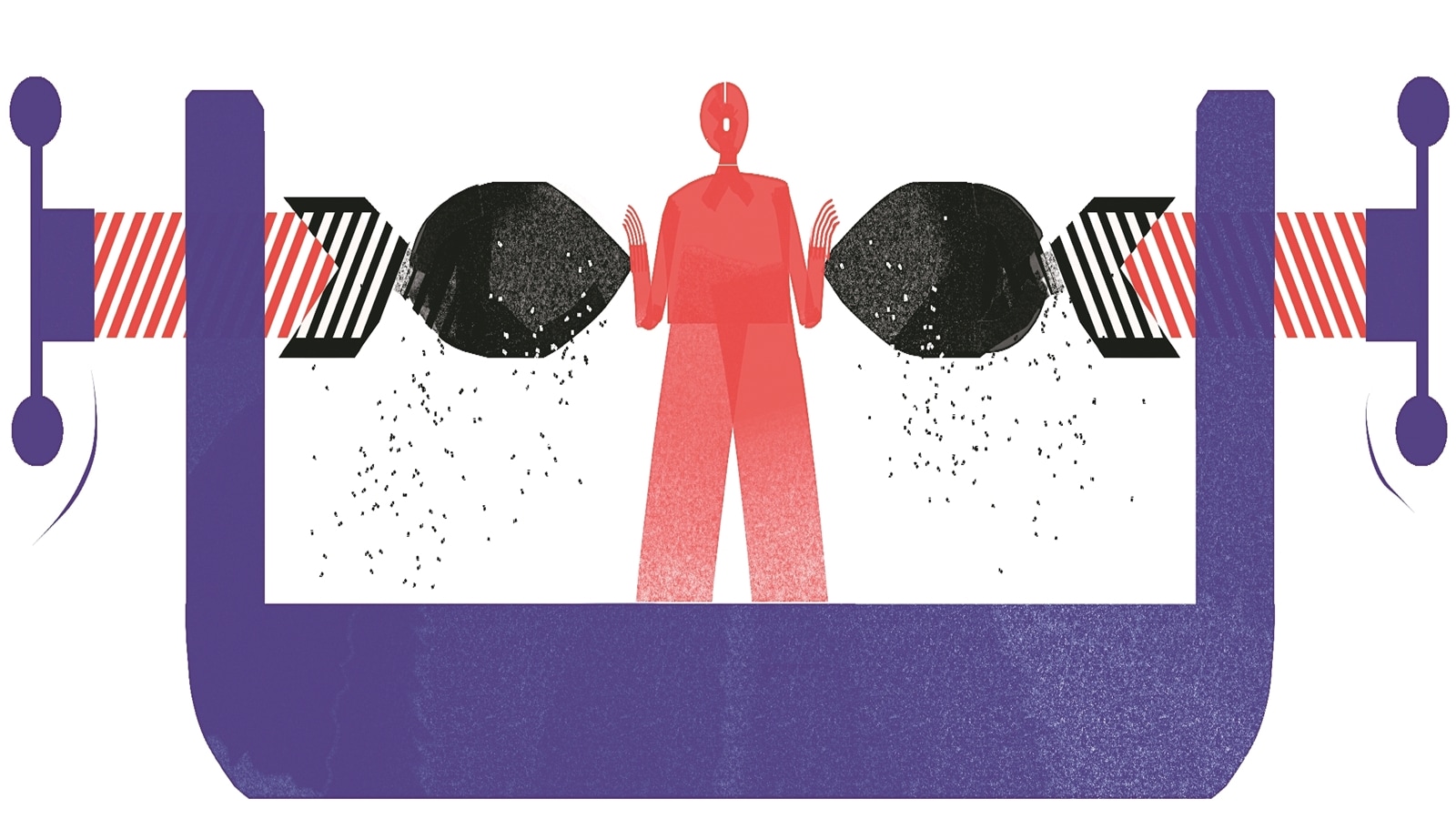
Four dynamics — rigidity, fracture, decay, and war — do not operate in isolation. They reinforce one another. Within this tightening vice, Iran’s room for strategic manoeuvre is shrinking
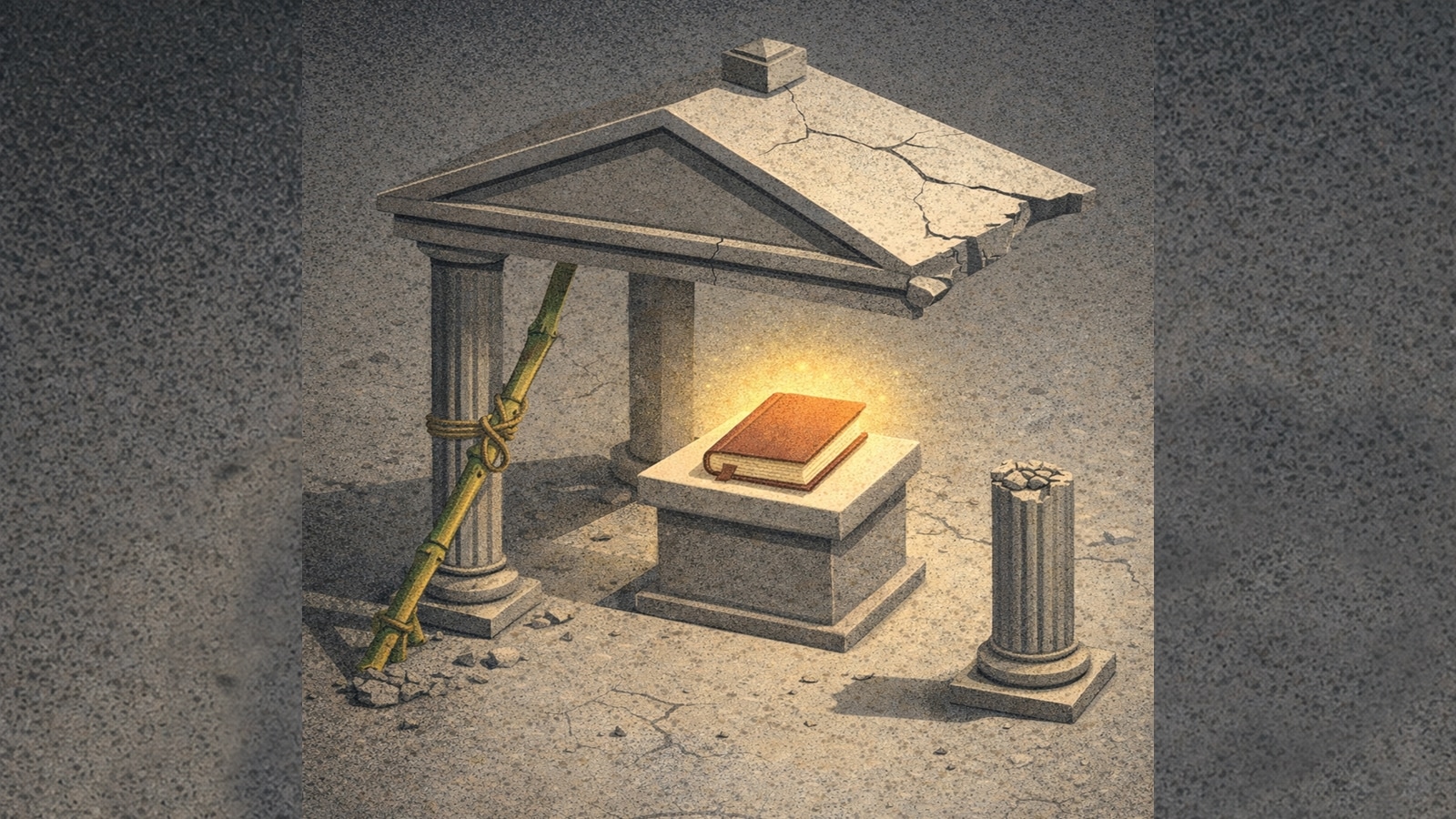
Revolutionary regimes rarely collapse in a single dramatic moment. They fray, tire, and lose coherence long before they stumble and fall. Their decline begins not in the streets but within the squabbles of the revolutionary elite. Over time, revolutionary institutions grow rigid, self-serving, and detached from the societies in whose name they rule. Iran’s present crisis — deepened by war, economic strain, and political turbulence — offers a compelling moment to reflect on how such regimes unravel.
Developments over 2025-26 have placed the Islamic Republic under extraordinary stress. Two rounds of coordinated US-Israeli airstrikes on nuclear and military facilities have decimated, if not eliminated, Iran’s military deterrent. Meanwhile, an economy battered by sanctions, isolation, and structural mismanagement is grappling with punishing inflation that has eroded household incomes and deepened social frustration.
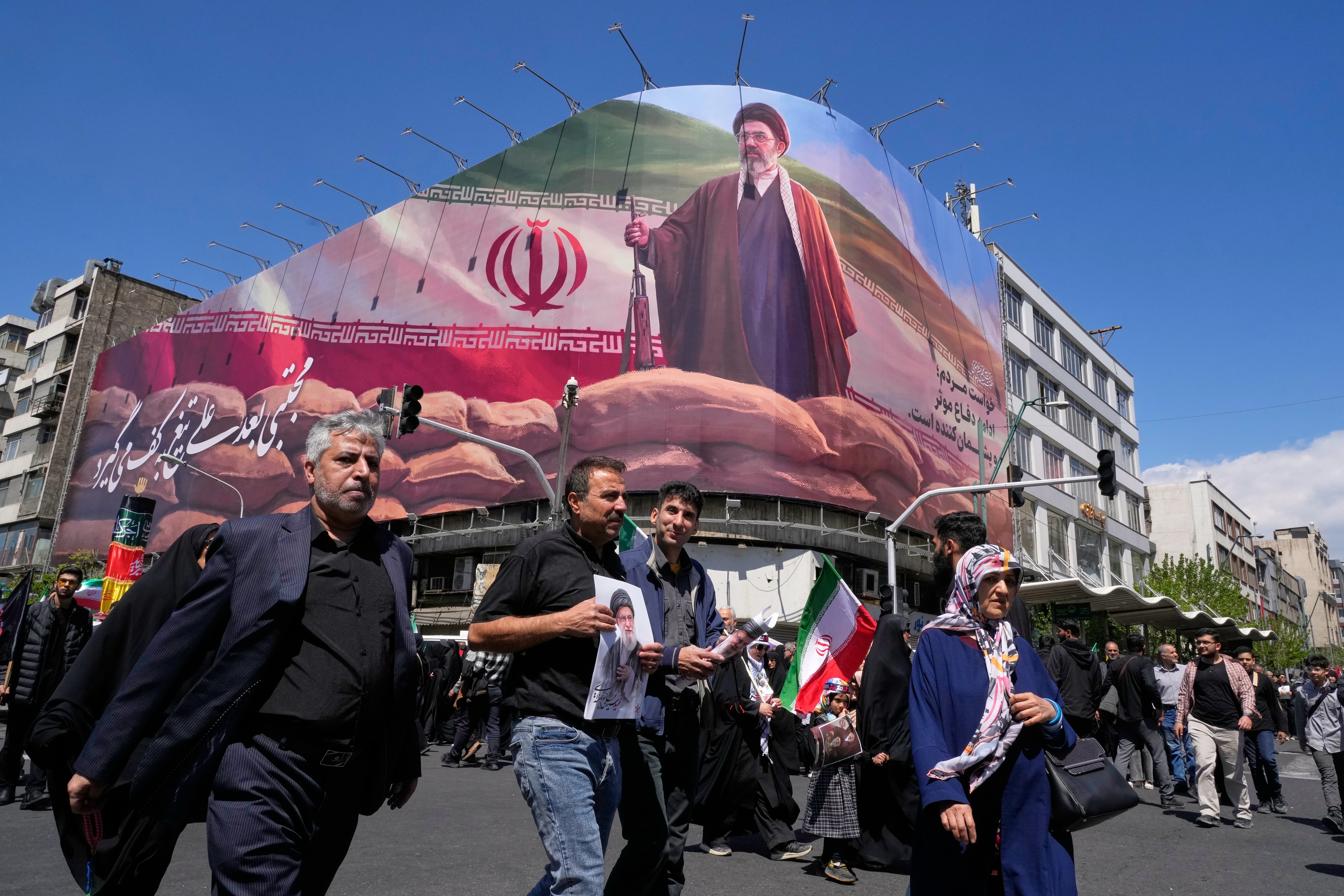
The popular anger that erupted in protests in late 2025 has not disappeared; it has merely been bottled up by the war and internal repression. Yet, the underlying contradiction remains stark: Between a regime that defines itself through revolutionary defiance and a society that increasingly demands economic stability and political normalcy.
History tells us change is inevitable. We have seen revolutionary regimes evolve over time or collapse. China’s post-Mao turn under Deng Xiaoping in 1978 demonstrated how revolutionary regimes can reinvent themselves — abandoning rigid ideology in favour of pragmatic adaptation in enlightened self-interest. The Vietnamese communists did much the same in the 1990s.
Iran’s Islamic Revolution of 1979 is not immune to change. Iran now confronts pressures that have historically undone other ideological states. History suggests four broad pathways through which revolutionary regimes erode.
The first is unsustainable ideological rigidity. When legitimacy rests on absolutist principles, adaptation becomes politically perilous. The Soviet Union and Eastern European socialist states confronted this challenge in the 1970s and 1980s. When reform finally came, it was too late to preserve the system. Iran’s continued framing of foreign policy through the language of “resistance” reflects a similar rigidity. Yet, its own history underscores the necessity of compromise. In 1988, Ayatollah Khomeini accepted a ceasefire with Iraq, likening it to “drinking from a poisoned chalice”. In 2013-14, Ayatollah Khamenei endorsed “heroic flexibility” to justify nuclear diplomacy with the West.
Sooner than later, revolutionary leaders are compelled to recognise the limits of ideological purity: The founder of the Soviet Union, Vladimir Lenin, accepted humiliating concessions at Brest-Litovsk to preserve the new-born Bolshevik Russia. Iran, however, appears less capable of such political and policy recalibration. The effective absence of the Supreme Leader, the unifying political authority, has complicated strategic decision-making. Internal political flux has produced incoherence at precisely the moment when clarity is most needed.
The second pathway is elite fracture. Revolutions initially unify diverse actors under a shared mission; over time, that coalition splinters. The French Revolution’s internal convulsions remain a classic illustration of how quickly unity can dissolve into factional struggle.
Iran today shows signs of such fragmentation. Divisions between the “principalists” (the ideological hardliners), the reformers, and the reconcilers are sharpening. While not yet fatal, these fractures complicate governance and weaken the regime’s capacity for decisive action.
The third pathway is economic decay. Revolutionary regimes often prioritise ideological goals over economic efficiency, producing stagnation, corruption, and declining living standards. The collapse of the Soviet bloc demonstrated how economic failure can erode political legitimacy from within. Iran’s economy bears many of these hallmarks. Heavy investment in regional proxy networks and military capabilities has come at the expense of domestic development. Sanctions have amplified these distortions, but internal economic mismanagement has made it worse.
The fourth pathway is war. External conflict can both consolidate and destabilise revolutionary regimes. While it may initially generate nationalist cohesion, prolonged external confrontation often hastens internal fragmentation. History repeatedly shows that major wars reshape not only the balance of power between states but also the internal distribution of power within them.
Iran’s intensifying confrontation with the US, Israel, and sections of the Arab world since early 2026 has had precisely such systemic effects. It has catalysed a quiet but consequential realignment in the Middle East — deepening US-Israeli coordination and accelerating Arab-Israeli rapprochement, even as Iran finds itself increasingly isolated.
These four dynamics — rigidity, fracture, decay, and war — do not operate in isolation. They reinforce one another. Within this tightening vice, Iran’s room for strategic manoeuvre is shrinking.
This is the context in which Trump is teasing Tehran with a “grand bargain”. The promise of sanctions relief and global economic integration in exchange for nuclear restraint may make strategic and commercial sense for the people of Iran. Yet, for a regime whose self-identity is defined by resistance, such compromises carry existential risks. In any event, the devil is in the detail of any grand bargain and a credible framework for sequencing mutual concessions.
The same dilemma applies to the US demands on Iran’s regional posture. Scaling back support for proxy networks could open new pathways for Tehran to explore peace and economic cooperation with Arab neighbours. But abandoning regional proxies means an end to the Islamic Republic’s revolutionary project for the Middle East, which is unacceptable to the hardliners.
The costs of pursuing a permanent revolution are mounting for Tehran. Failure to adapt accelerates the erosion of domestic legitimacy, even as external military pressure intensifies. The coming weeks will show if the Islamic Republic chooses reform and reorientation or defiance and a wider war.
The writer is a contributing editor on international affairs for The Indian Express. He is also distinguished professor at the Motwani Jadeja Institute of American Studies, Jindal Global University, and holds the Korea Foundation Chair in Asian Geopolitics at the Council for Strategic and Defense Studies, Delhi