

In Iran, martyrdom and military mindset lead the charge
It is difficult to predict how and when the war will end, but it seems that neither Israel nor the US would like to deploy ground troops in this war
By Ramin Jahabegloo
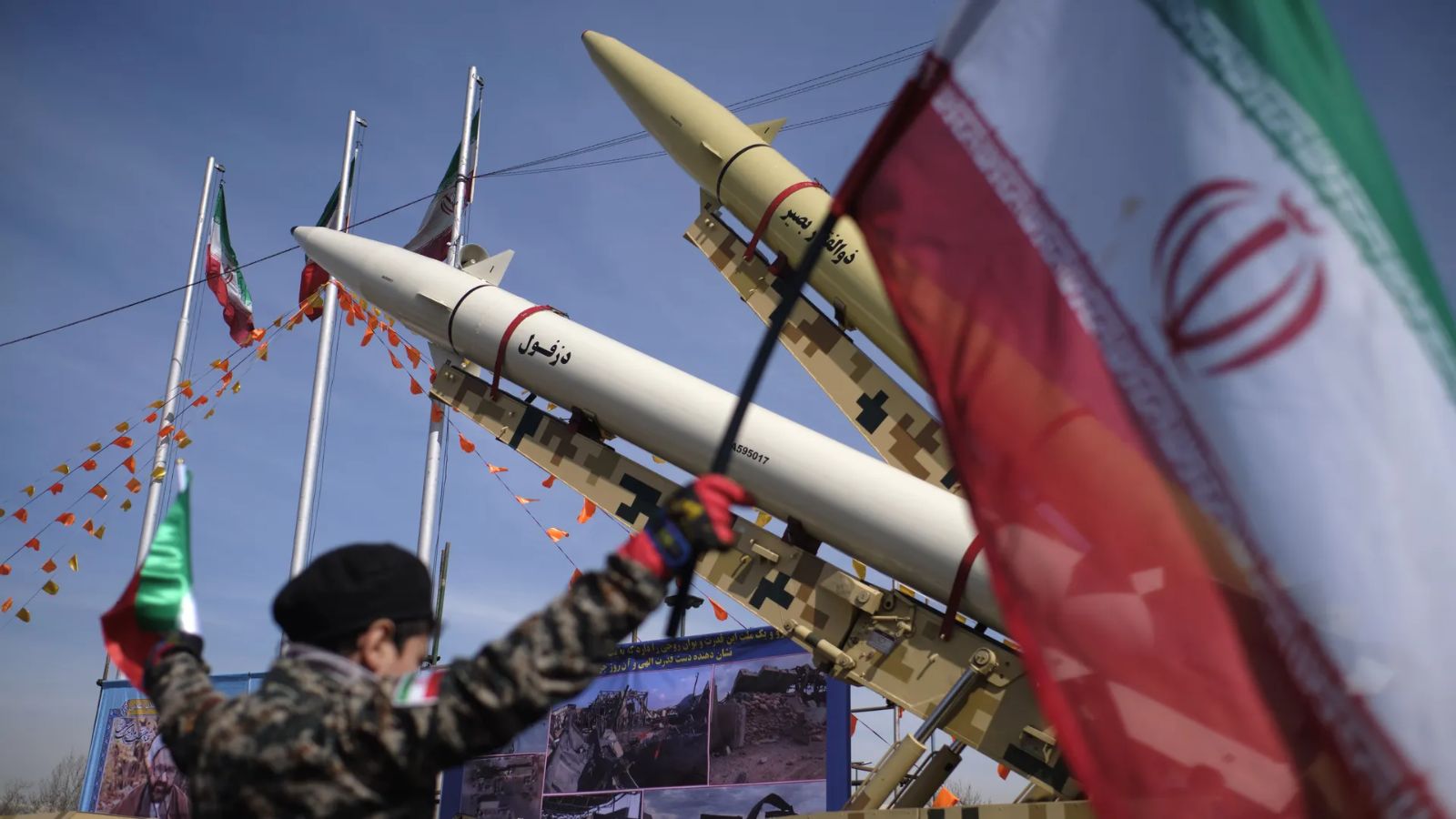
The war between Iran and the US and Israel is in its second week. The conflict is increasingly turning into a test of will between the Iranian regime and a multifront military alliance. This is a moment of uncertainty for the Iranian nation — caught between intensifying attacks, geopolitical tensions, and internal repression. Iran’s strategy is clear: Survive the war. Iran has expanded the confrontation with Israel and the US because this is the only strategy for the survival of the Islamic regime. The Iranian regime is weakened, but it is not decimated. Young Iranians are also pushing back against the religious policies and cultural repression of the current regime.
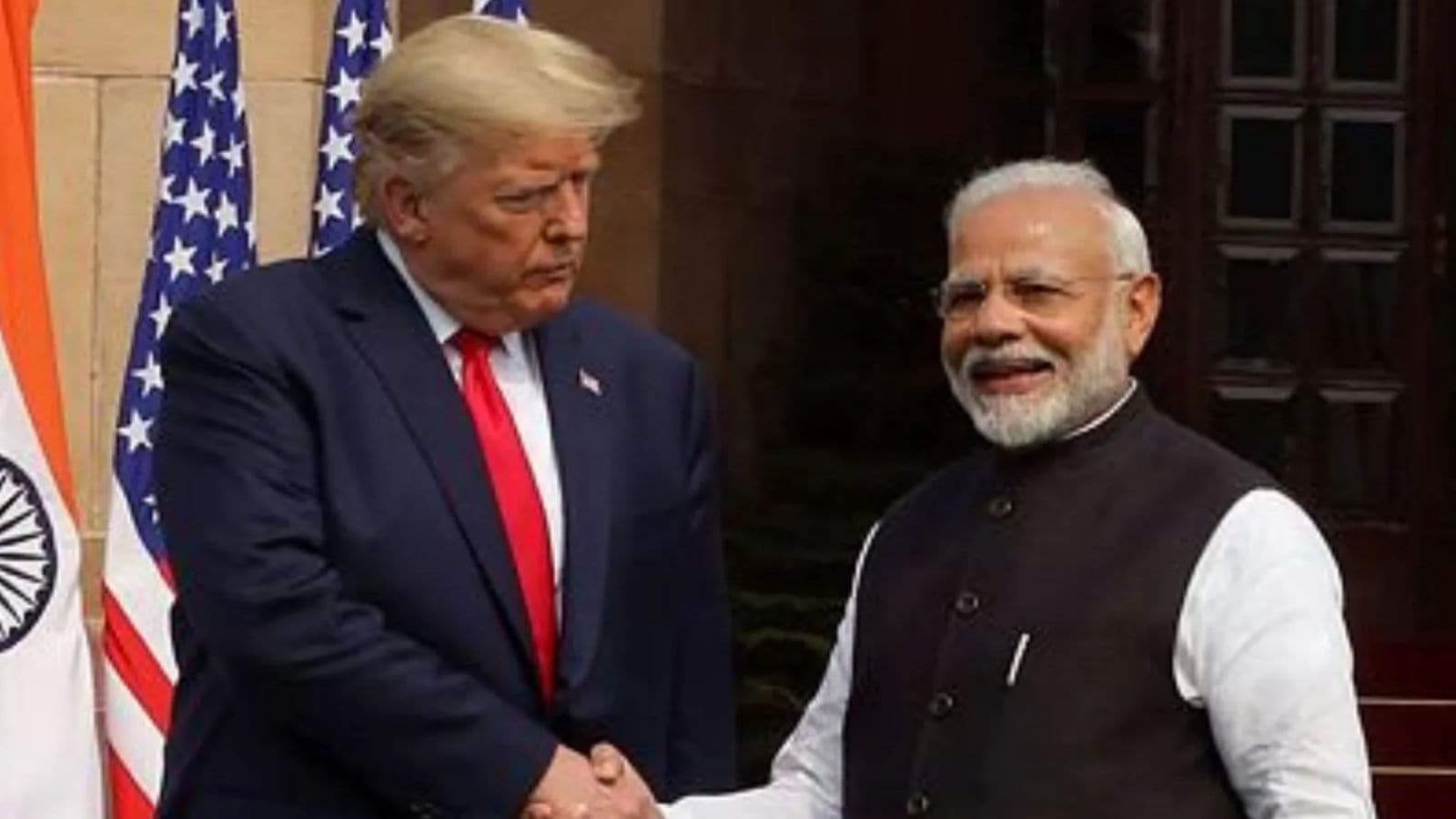
Hope is a necessary component for creating a better future for Iranians, but the war does not follow a written script. US President Donald Trump has no exit strategy; he seems to be offering the international community conflicting signals on how long the US war with Iran will last. Consequently, what started on February 28 as an attempt to end the Islamic regime and its hegemony in the region turned into the erosion of the political balance in the Persian-Arab Gulf. Both Trump and Israeli Prime Minister Benjamin Netanyahu know that the Iranian Regime cannot win this war, but what they seem to be underestimating is the potential of the Shia ideology of martyrdom. This is embedded in the institution of the Islamic Revolutionary Guard Corps (IRGC) and its actions, and is used to justify regional expansion, hostility toward the US, and the eradication of the state of Israel. It is by favouring this view that the Iranian regime survived the eight-year war with Saddam Hussein. This worldview cannot be destroyed by bombs; it is faith-based.
For four decades, the ayatollahs and the IRGC amplified the role of the Iranian regime as a hegemonic power in West Asia and the Levant. But today, with the degradation of Hezbollah in Lebanon and the collapse of the Bashar al-Assad regime in Syria, Iran’s hegemonic potential has been fatally compromised. Iran still has the capacity to turn this war into a “religious war” by mobilising the Shia communities across Asia. We saw an example of this during the pro-Iran protest at the US consulate in Karachi. Many still remember the suicidal missions of young Iranian volunteers during the Iran-Iraq War (1980–1988).
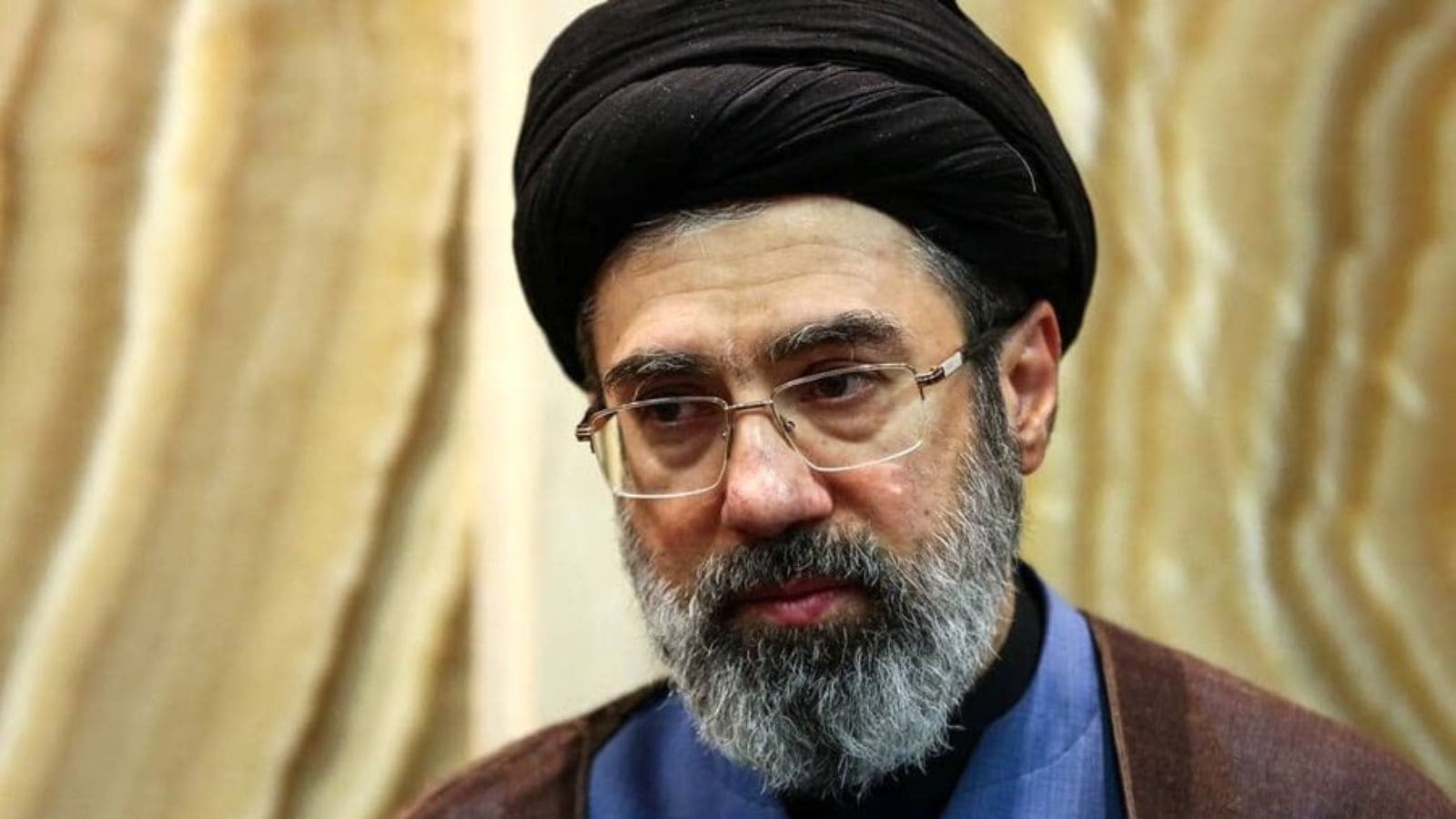
Today, the scenes of jubilation that followed the death of the Supreme Leader, Ayatollah Ali Khamenei, in cities like Tehran and Shiraz are now far away. The election of Mojtaba Khamenei as the new Iranian Supreme Leader is a clear sign that the hardline factions in the establishment will retain power. Though Mojtaba does not have the Shia theological credentials needed, he is certainly a security-minded leader through whom the IRGC will try to expand its authority.
Therefore, more than ever, the military mindset — in favour of the escalation of the war with the US and Israel — is winning against the political strategy of a reduction in tensions with the West. The latter group is represented by the former Iranian president Hassan Rouhani (2013–2021), who consistently advocated for diplomacy over military conflict. It looks as if, with the intensification of bombings in Iranian cities and around the Persian-Arab Gulf area, the political line of thought is losing ground within the Iranian power structure. It is difficult to predict how and when the war will end, but it seems that neither Israel nor the US would like to deploy ground troops in this war. It looks like the greatest moments of this war for Donald Trump are the unplanned ones.
The writer is director, Mahatma Gandhi Centre for Nonviolence and Peace Studies, OP Jindal Global University