

How war and the language of defiance shape the international order
It can be boiled down to four non-mutually exclusive components: Standard leftist critiques of global capitalism, Third World resistance to intervention, Islamic opposition to Western cultural and political hegemony, and critiques from within the US
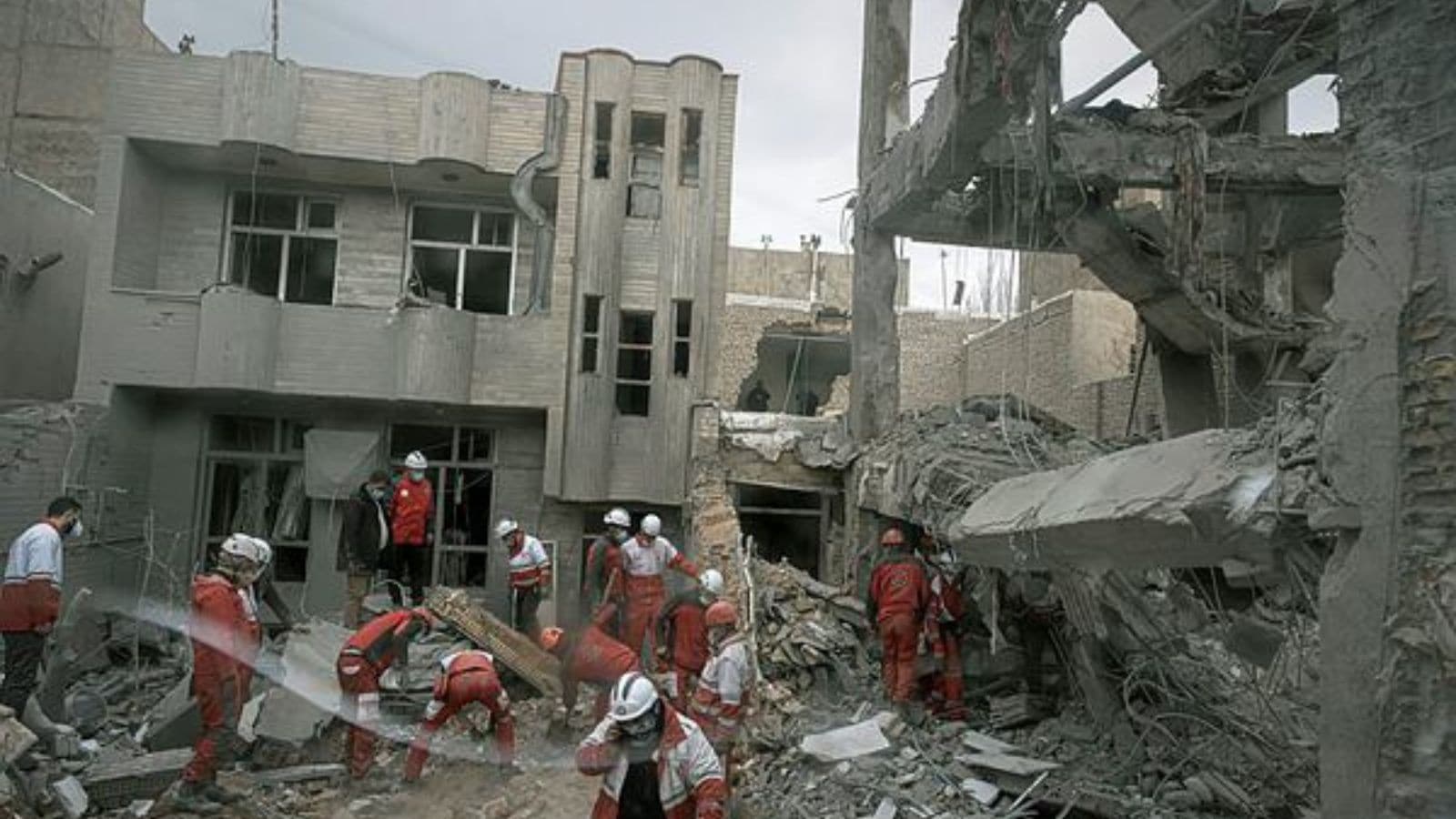
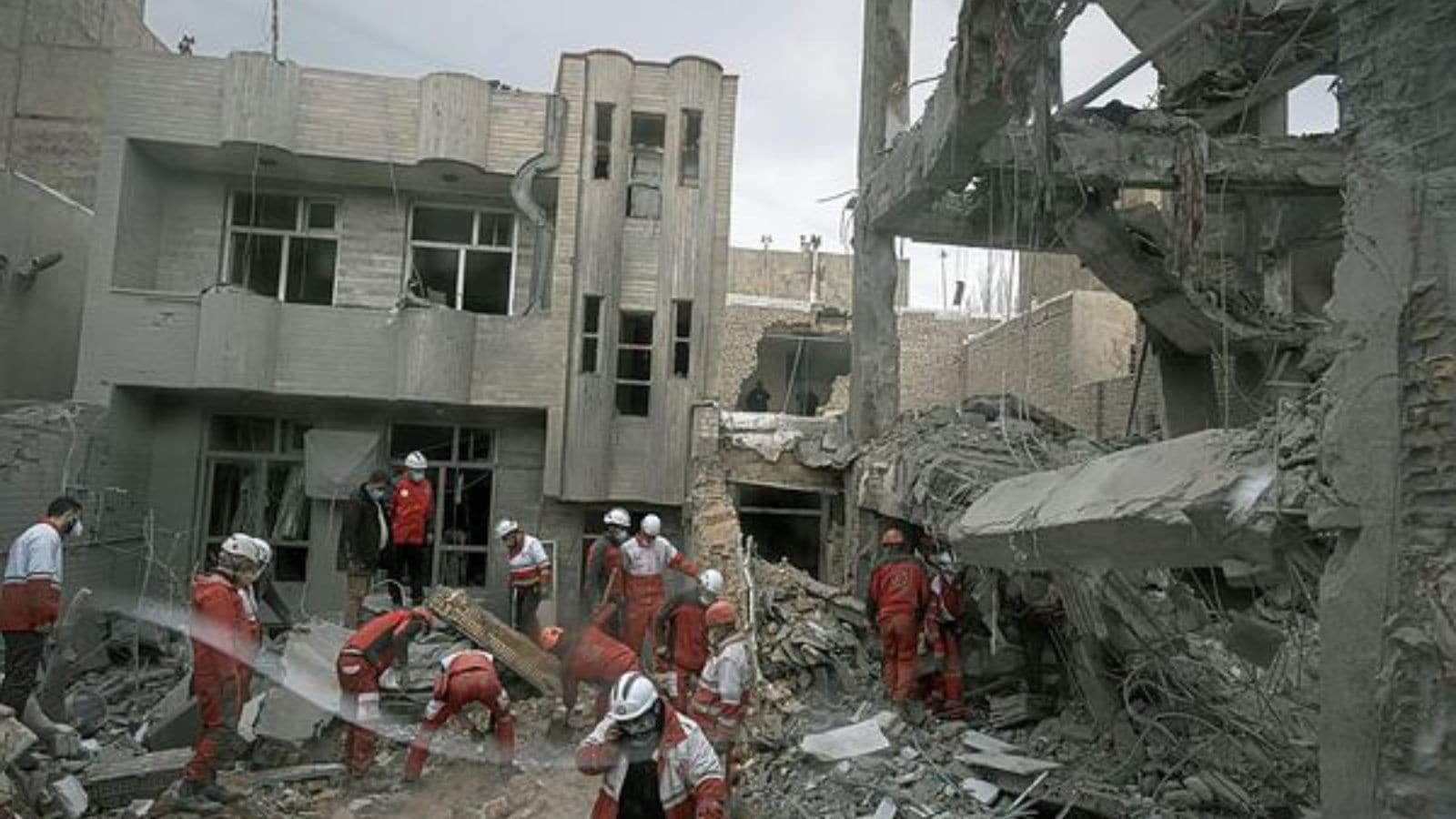
Across much of the world, the US-Israeli war in the Middle East is raising questions about Western power and its legitimacy. Resistance to US-led Western authority has historically not been a single demand or front. Rather, it exists in a variety of forms, all grounded in distinct intellectual traditions and perspectives on world order.
The languages of defiance can be boiled down to four non-mutually exclusive components: Standard leftist critiques of global capitalism, Third World resistance to intervention, Islamic opposition to Western cultural and political hegemony, and critiques from within the United States. The current war in the Middle East may change these dynamics as well, sharpening present critiques and changing their aesthetic forms.
The first language of defiance comes from the left, which understands the US-led order as inextricably linked to global capitalism. Despite these internal disagreements — from Marxist perspectives to dependency theory, world-systems analysis, and contemporary critical political economy — this tradition agrees that the liberal international order produces systemic inequality. American power refers to an institutional projection of the reach of global capitalist interests, buttressed by financial institutions, trading systems, and military force rather than simply geopolitical hegemony.
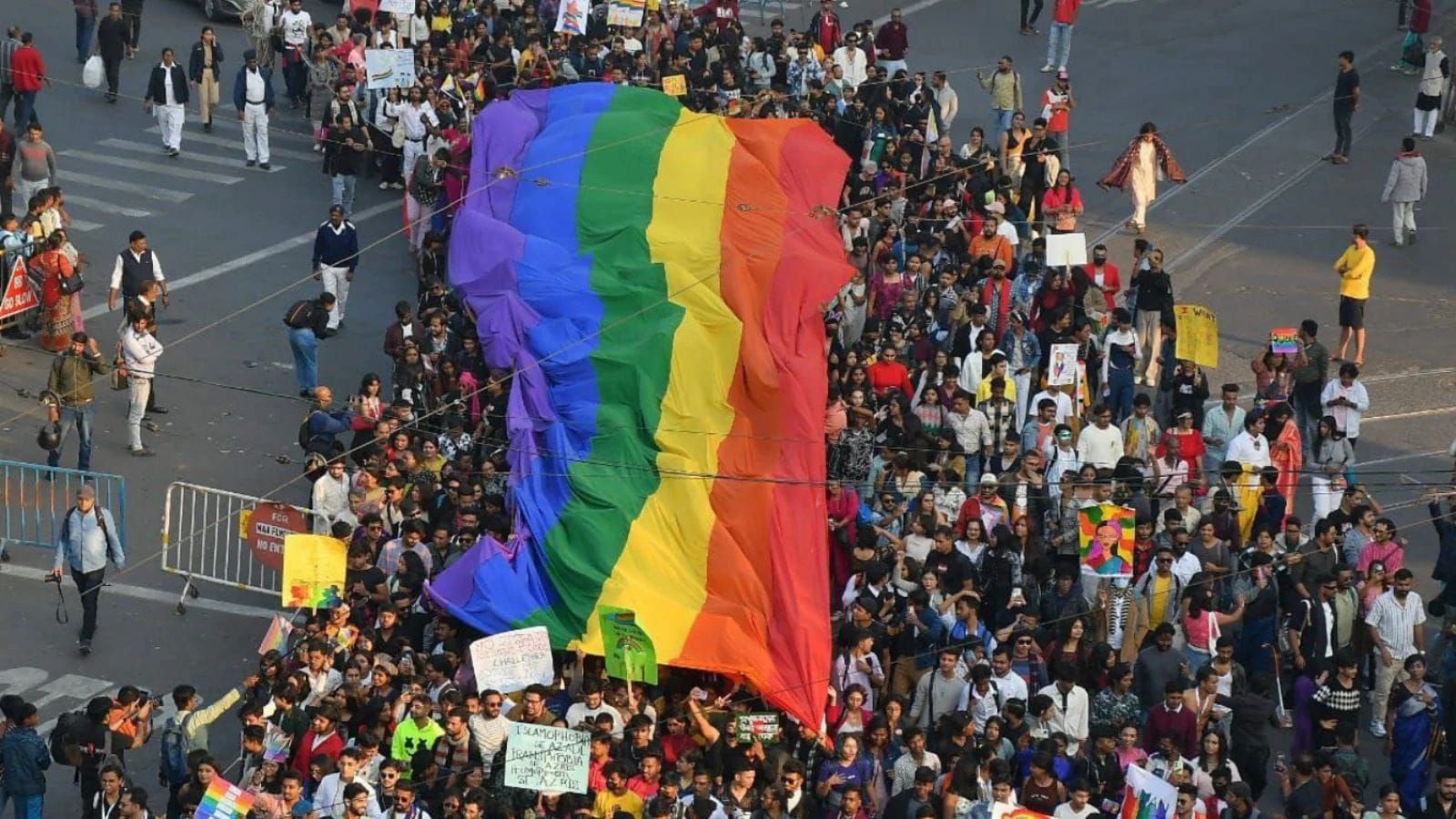
The Middle East conflict here plays a role in facilitating capitalist growth, securing resources, and maintaining geopolitical stability necessary to keep the global economy running. For many left critics, the war confirms the argument that liberal discourse about democracy, human rights, or international security often masks deeper economic dominance. The new constellation of global activism and cross-border protest has reinvigorated the discourse of antimperialism.
Historically, a dialect of defiance naturally emerged in the Global South. This critique, especially from recently independent nations impacted by US intervention during and after the Cold War, centers on the political consequences of external interference, forceful diplomacy, and diminished sovereignty within a capitalist framework. For many postcolonial countries, the US order appeared as a continuation of existing global hierarchies, in which strategic pressures and economic conditions constrained the action of weaker states.
The ongoing conflict in the Middle East has rekindled worry about sovereignty and geopolitical pecking orders. In much of Asia, Africa, and Latin America, many see the war as proof that asymmetries in international politics endure. The sense that international norms apply differently, particularly in questions of territorial integrity, humanitarian intervention, and military action, reinforces the view that the liberal order is double-edged. Those perceptions also reinforce the calls for non-alignment, multipolarity, strategic autonomy, and alternatives to a given institutional arrangement.
The third language of defiance is the result of Islamic political and cultural resistance against the West. This strand links geopolitical questions with a critique of civilisational values. Western power is viewed by many Islamic figures and intellectuals as more than just political meddling; it is also seen as a cultural takeover and an imposition of morality; they tell a story of defending religious identity, cultural authenticity, and political self-determination.
The war in the Middle East has sharpened this kind of resistance. Broader historical contexts of injustice, colonialism, and cultural marginalisation often condition understandings of military intervention and civilian suffering. The conflict emphasises a felt conflict between Western modernity and Islamic identity, although that view is disputed in many parts of the Muslim world. Islamic resistance is neither homogeneous nor monolithic. However, the war could help coalesce disparate narratives by providing a common focal point around which shared grievances can unite, while reinforcing transnational solidarity. It may also strengthen the liberal trends within the Islamic world.
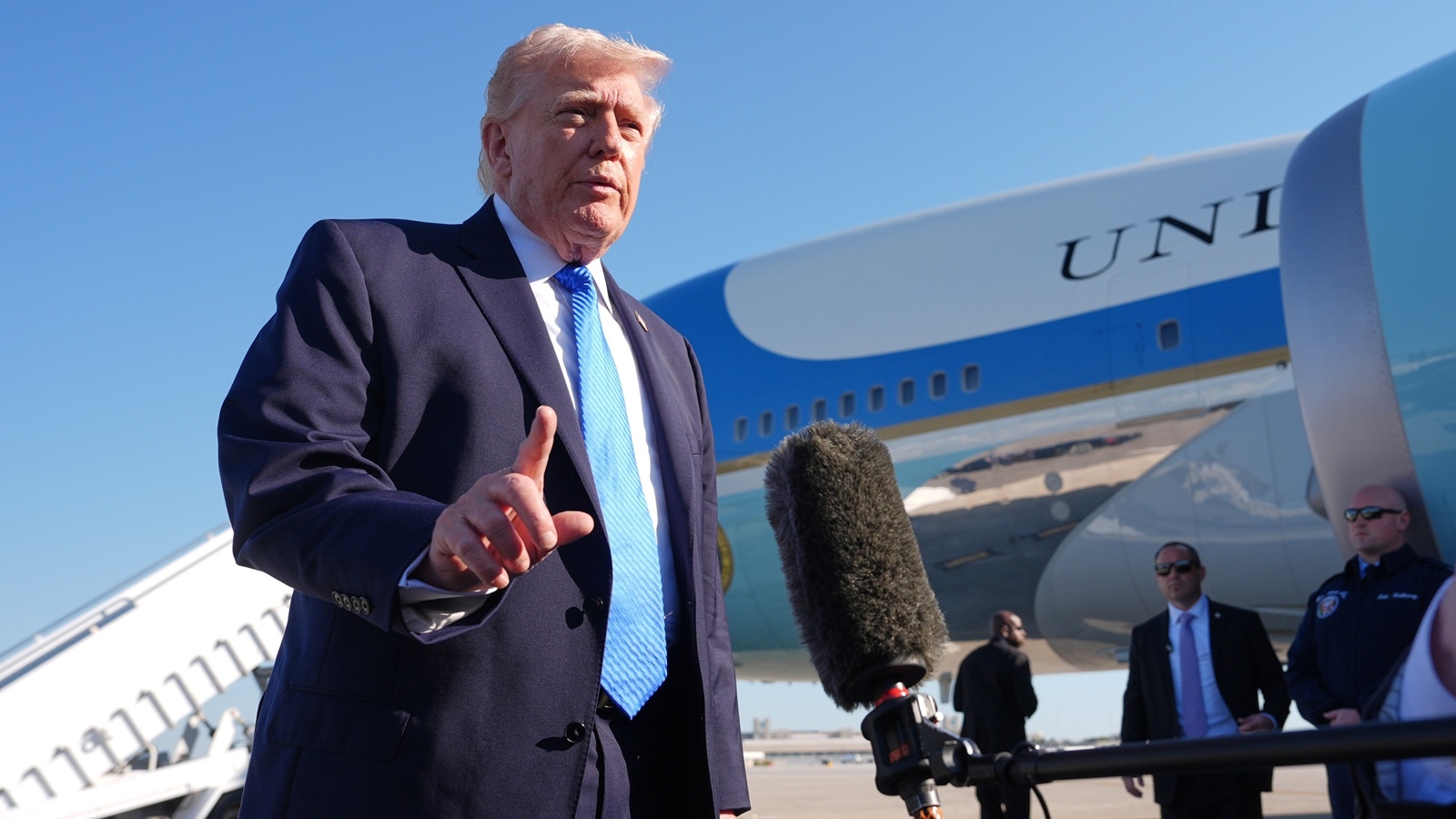
The fourth language of defiance comes from the United States itself. This perspective, to some extent, challenges the strategy and morality of US foreign policy from within the liberal framework. Critics point to the logic of intervention, the costs of perpetual war, and how at odds liberal rhetoric is with its practices. Critics are split: Some argue that America’s global military obligations have become excessive, potentially undermining its democracy and economy at home; others wonder whether the liberal international order can truly underwrite universal values.
The current Middle East conflict has galvanised the conversation. Humanitarian impacts, the priorities of international legitimacy, and the limits of military solutions have risen increasingly in public debate. Internal defiance illustrates that opposition to hegemony arises not only externally but also from introspection by societies independent of the powerspeak of the state.
Collectively, these four languages of defiance suggest the variegated character of resistance to US-led Western hegemony. They differ in the principles that guide them — from economic justice and political sovereignty to cultural identity and self-criticism. However, all are challenges to the legitimacy and effects of US global power.
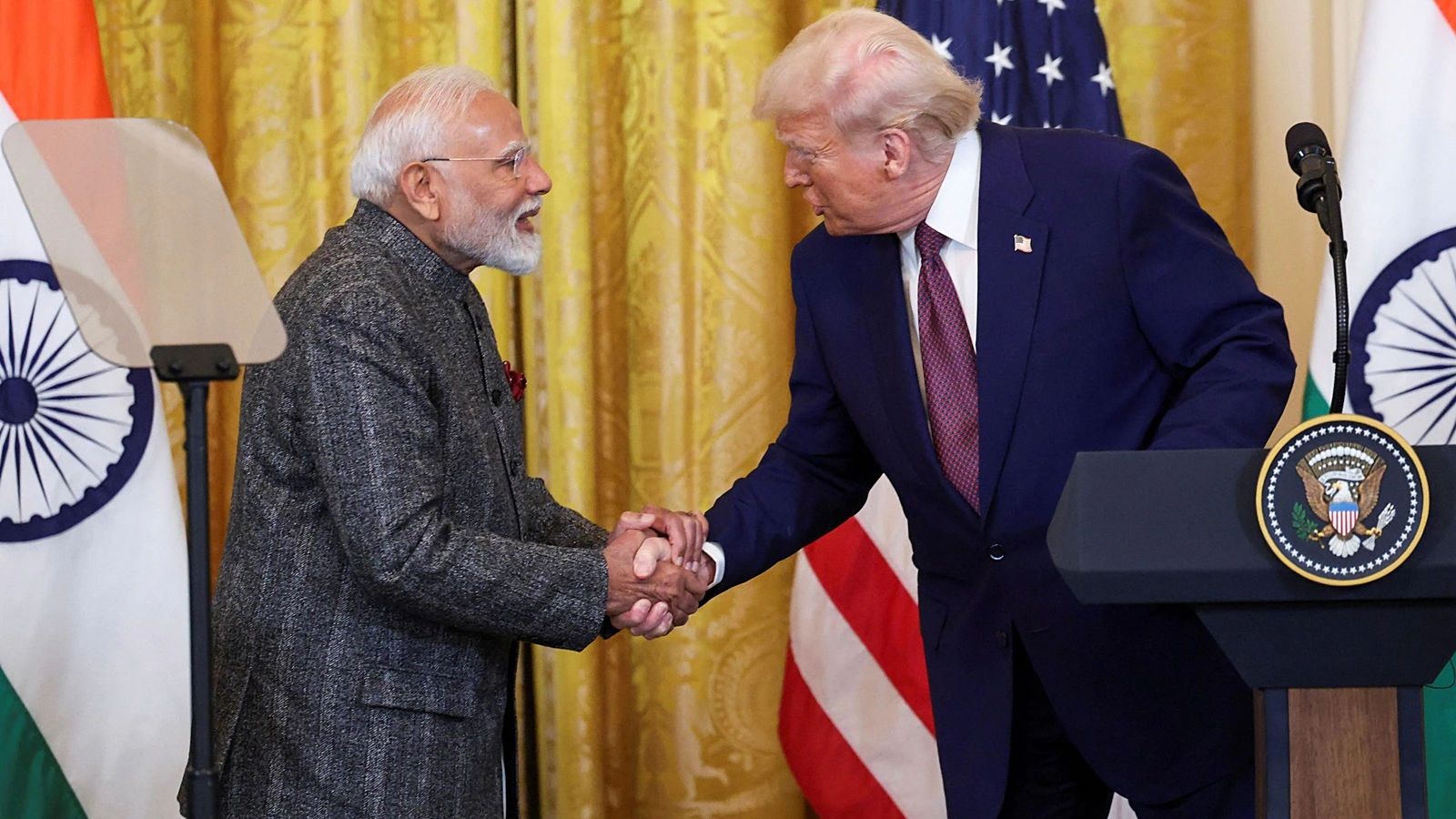
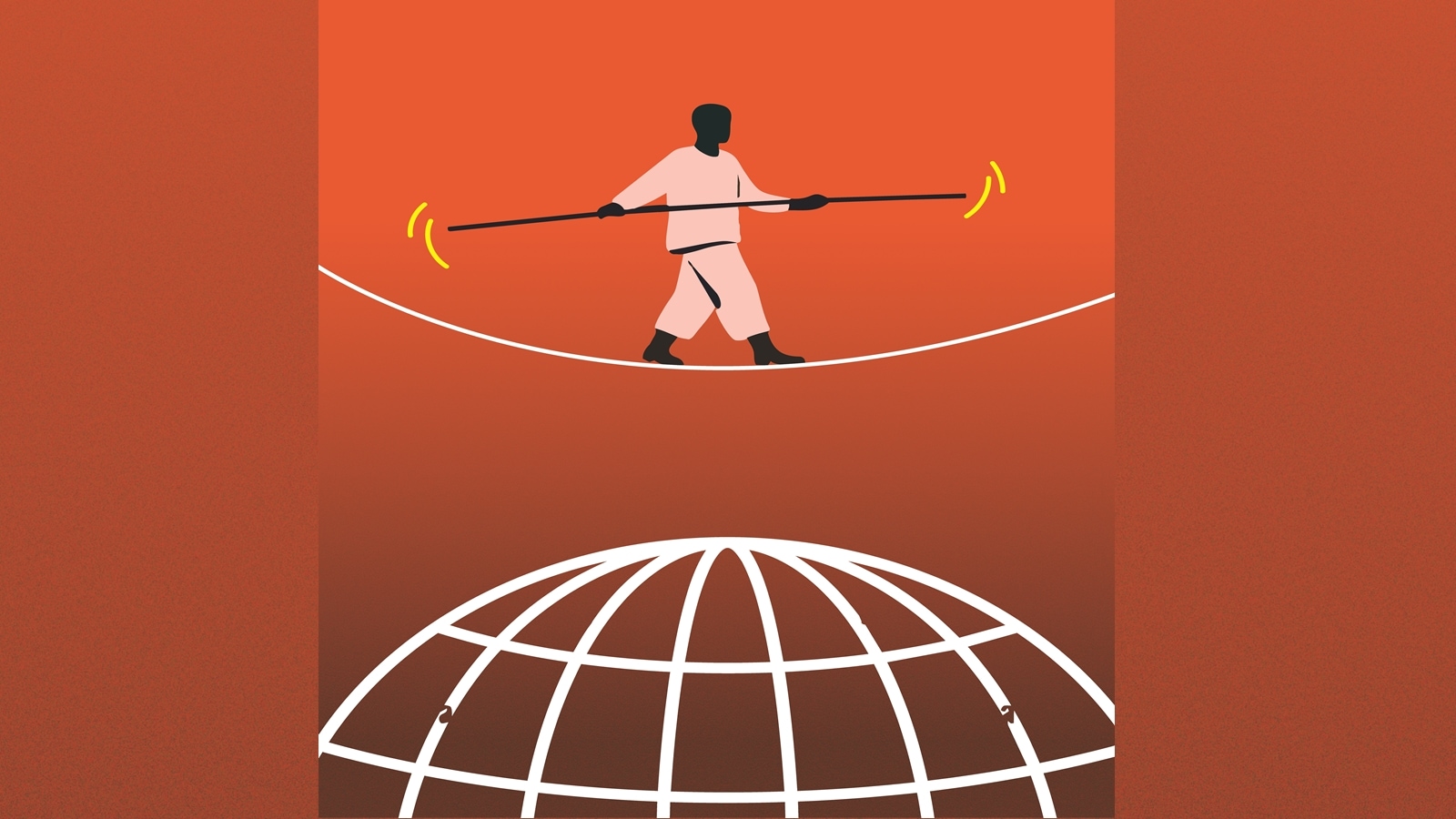
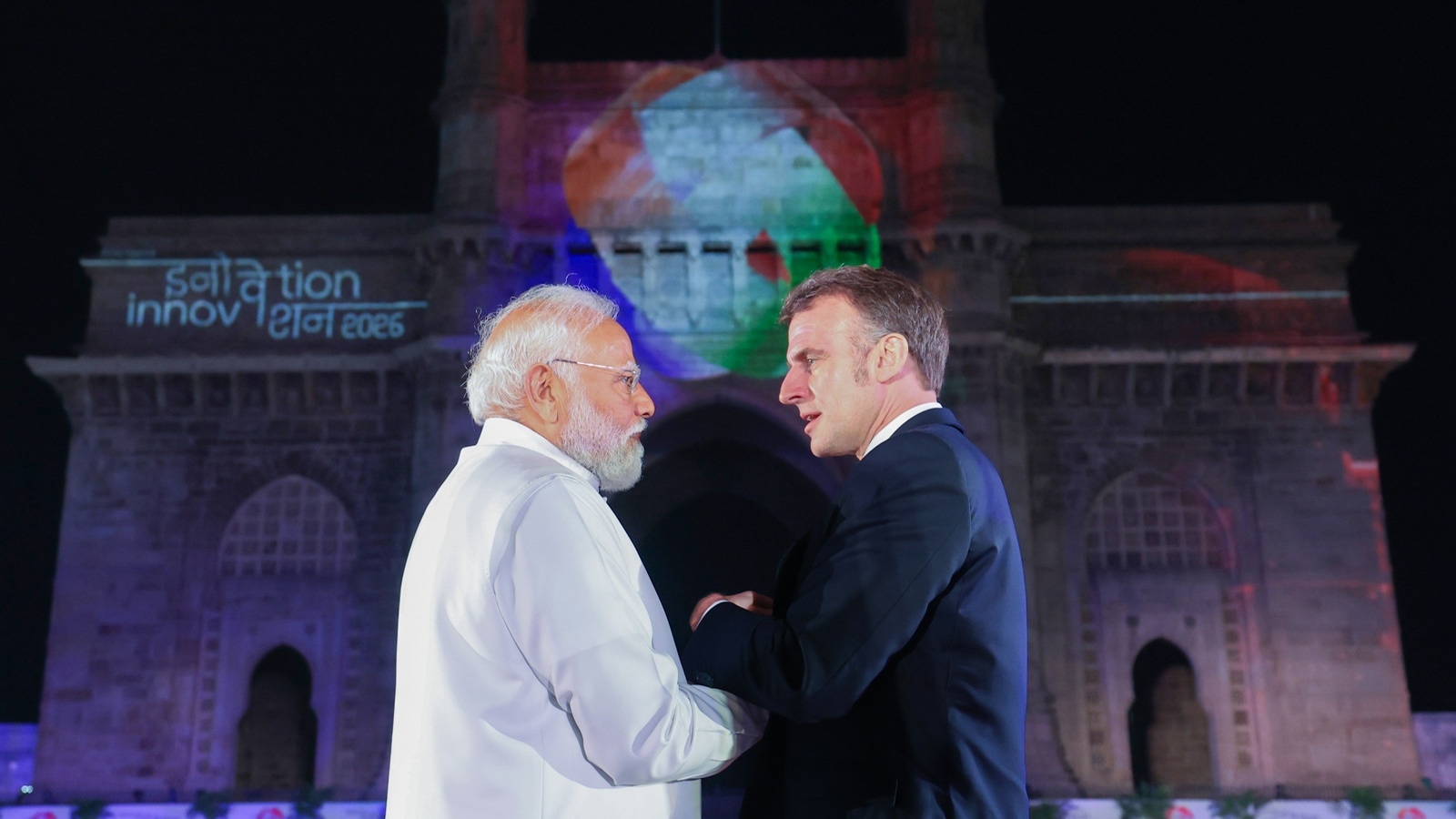
Beyond these defiant languages, the international order crisis yields a wider range of responses from rising powers, neither fully accepting nor wholly rejecting US hegemony. India’s stance reflects this approach. India, drawing from its anti-colonial past and non-aligned stance, emphasises sovereignty and strategic independence, while supporting the Palestinian cause. Today’s perspective reveals a more practical stance. Prime Minister Narendra Modi’s visit to Israel is a sign of increasing collaboration in defence, intelligence, and technology as part of India’s security and modernisation goals.
Many would describe India’s position as pro-US, and they certainly have good reasons. However, strategically, India faces an unprecedentedly complex scenario. It has to look closely at strategic factors such as the rise of China, Indo-Pacific security, and the increasing weaponisation of artificial intelligence-driven technologies. At the same time, India diverges from the US stance on intervention, advocating for de-escalation and dialogue. India aims to maintain strong relationships with key Arab nations to secure energy resources and protect its expatriate population.
Gone are the days when ideological opposition to Western dominance defined relations; India now cartwheels between competing spheres of influence in a multipolar world through multi-alignment. It may look morally empty to many, but geopolitical imperatives often foreclose options for major actors in world politics.
The writer teaches at Jadavpur University, Kolkata, and was the Eugenio Lopez Visiting Chair at the Department of International Studies and Political Science at Virginia Military Institute, US