

Inside the fall of India’s ‘Maoist capital’: How policing, politics and a secret letter ended a 45-year insurgency
The letter said, '... due to increased police camps, it is becoming difficult to reach people. It is becoming difficult for people to also help the party. In such circumstances, we urge the party to think of an alternative strategy. We think we should dump our arms for some time to renew the fight after some time'
By Shubhranshu Choudhary
I just returned from Kutul, the undeclared capital of the Maoists in the Abujhmad region of the Dandakaranya forests in Central India. Though places like this have recently been declared free of Maoist domination, it is important to note that Maoists controlled more than 20,000 square kilometres for over 45 years from 1980, which they referred to as a “liberated area”.
I wanted to see the change. I had gone to Kutul around 15 years ago, and we had to walk. The trip had taken more than a month. This time our four-wheeler could go up to Kutul, though the road is still under construction. Kutul got mobile connectivity last January. The weekly market was brimming with people. Along with imli and mahua, images of Jesus were also on sale.
On the way, I met the police chief of the district. Robinson Guria, a young tribal from Khunti district of Jharkhand, is an impressive man. I asked him what the reason for this victory was. He was quick. “80 per cent Human Int and 20 per cent, the rest”, he replied. The “rest” includes factors like the leadership of Amit Shah, double-engine sarkar, drones, more funds, satellite assistance, local boys and girls of the District Reserve Guard, and central forces, he said.
Guria is a graduate of IIT Kanpur. He also told me about the software he built with his former boss, who was a graduate from IIT Kharagpur, to process all intelligence inputs coming in. But what is this Human Intelligence? And how did it change everything here? Surrendered Maoists whom Guria introduced to me said, “It started changing here since 2012-13 when the collective tribal consciousness of the region told them it is time to leave the party”.
“It was also discussed in the party forums, but the leaders never agreed to change,” they told me. “You also see local tribals starting to surrender to the police from then on. Earlier, they did not go to the police but got assimilated into society when anyone wanted to leave the party”, they said. “It was a change the party refused to acknowledge, but common people were too afraid to give any information to the police. That changed with the introduction of police camps”.
The policy of creating a web of camps in the heart of Maoist areas is not new, but it gained momentum more recently after Amit Shah became Home Minister.
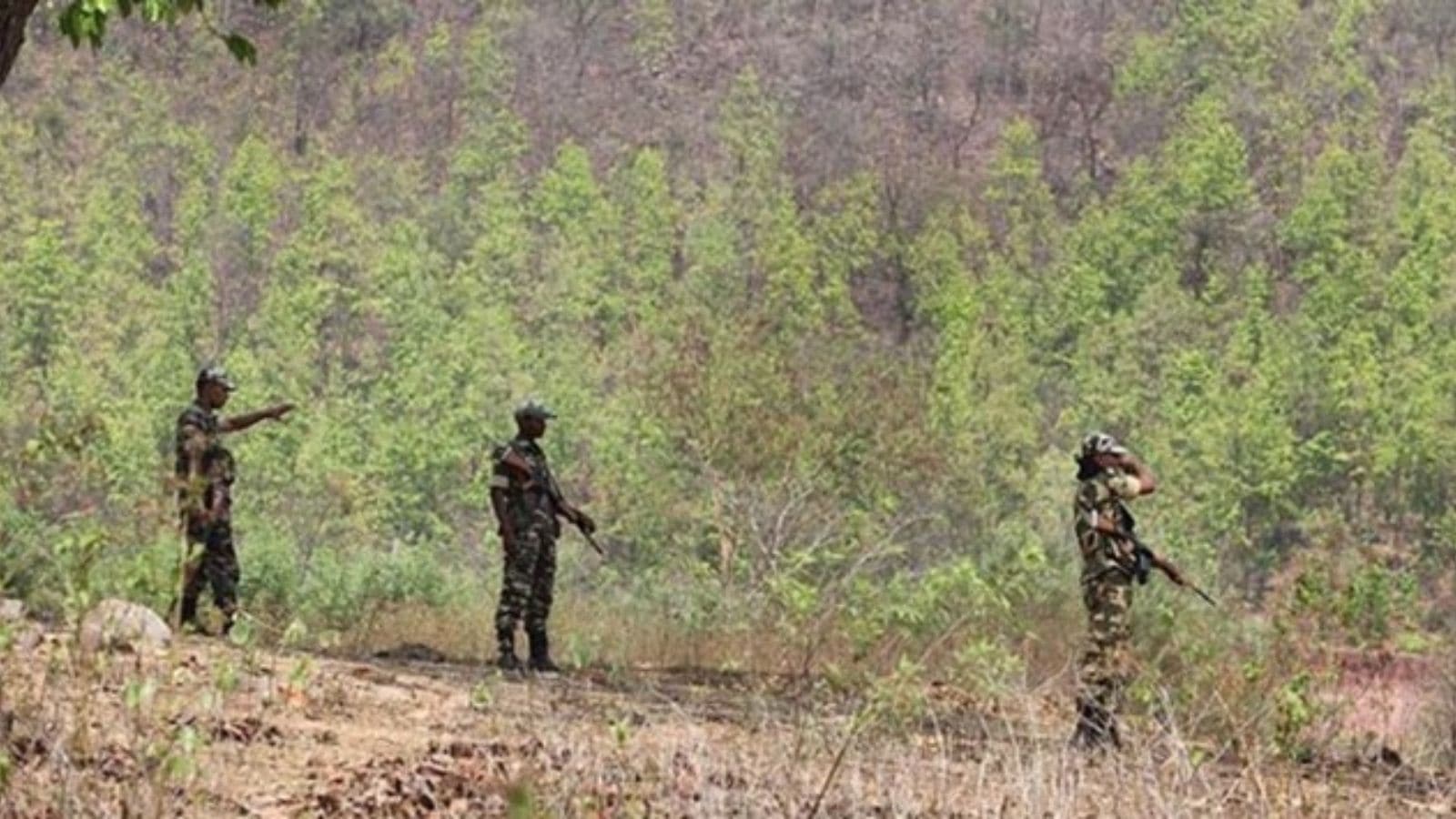
Maoists had planned a big attack on a newly established CoBRA camp in Bijapur district of Chhattisgarh on January 16, 2024. CoBRA is an elite force of the CRPF, which was leading these camp establishments in remote Maoist-controlled areas. The Maoist idea was to put a stop to this policy of Forward Operating Posts by striking a symbolic blow against the Dharmavaram camp on the bank of the river Chintavagu.
The attack was a failure. But it gave an opportunity for all the tribal commanders of South and West Bastar to sit together after a long time. They narrated stories of their elders, suggesting it is time to end the conflict. For the first time in the history of the Maoist movement, they wrote a combined letter addressed to their Central Committee, under the leadership of their supreme commander Madvi Hidma.
The letter said, “… due to increased police camps, it is becoming difficult to reach people. It is becoming difficult for people to also help the party. In such circumstances, we urge the party to think of an alternative strategy. We think we should dump our arms temporarily to renew the fight after some time”.
On March 24, the Central Committee rejected the request. The tribal commanders had entrusted Hidma with taking the opinion of all the other Maoist formations about their letter. By the end of the year, Hidma got confirmation from almost all party formations supporting their letter.
M Venugopal, who was the spokesperson of the Central Committee, told me he was the first to crack. He told me General Secretary Basavaraju was next, which other leaders of the Maoist party deny.
The letter enhanced Hidma’s stature in the thinking circle of the party, and he was inducted into the Central Committee by this time. Basavaraju’s killing amid all this was a blow to these efforts, which the anti-Venugopal faction blamed on the “peace” faction. But the Venugopal peace faction says the common people had got hints of these discussions and started cooperating with the police.
The party was weak with infighting and finally resulted in the demise of the party, thanks to “Human Int” that Robinson Guria spoke of.
The writer is a journalist and was part of the new peace process in Chhattisgarh