

Indians give to save each other from free fall
They know that if they don’t large sections of the population would simply disappear from society
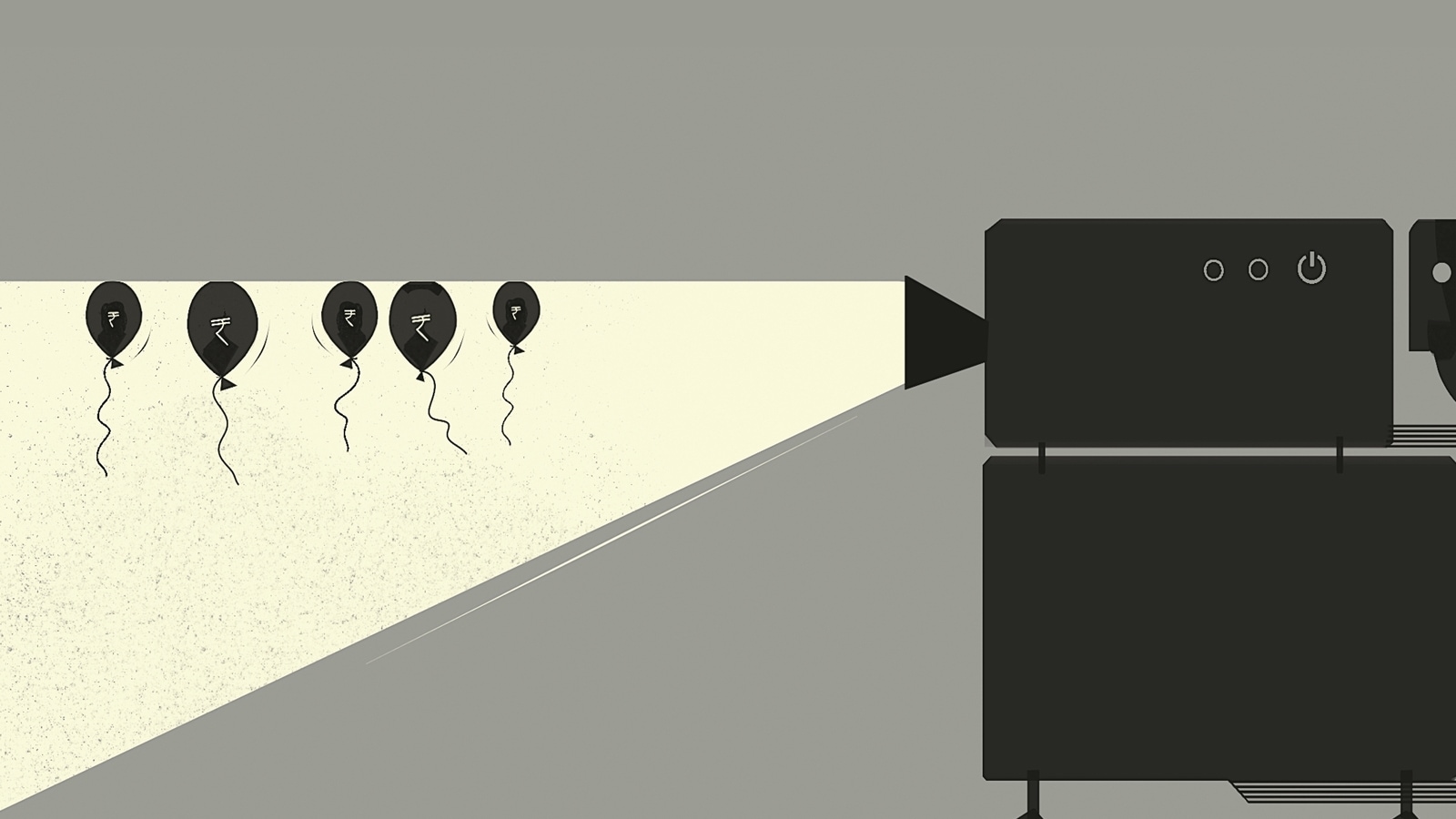
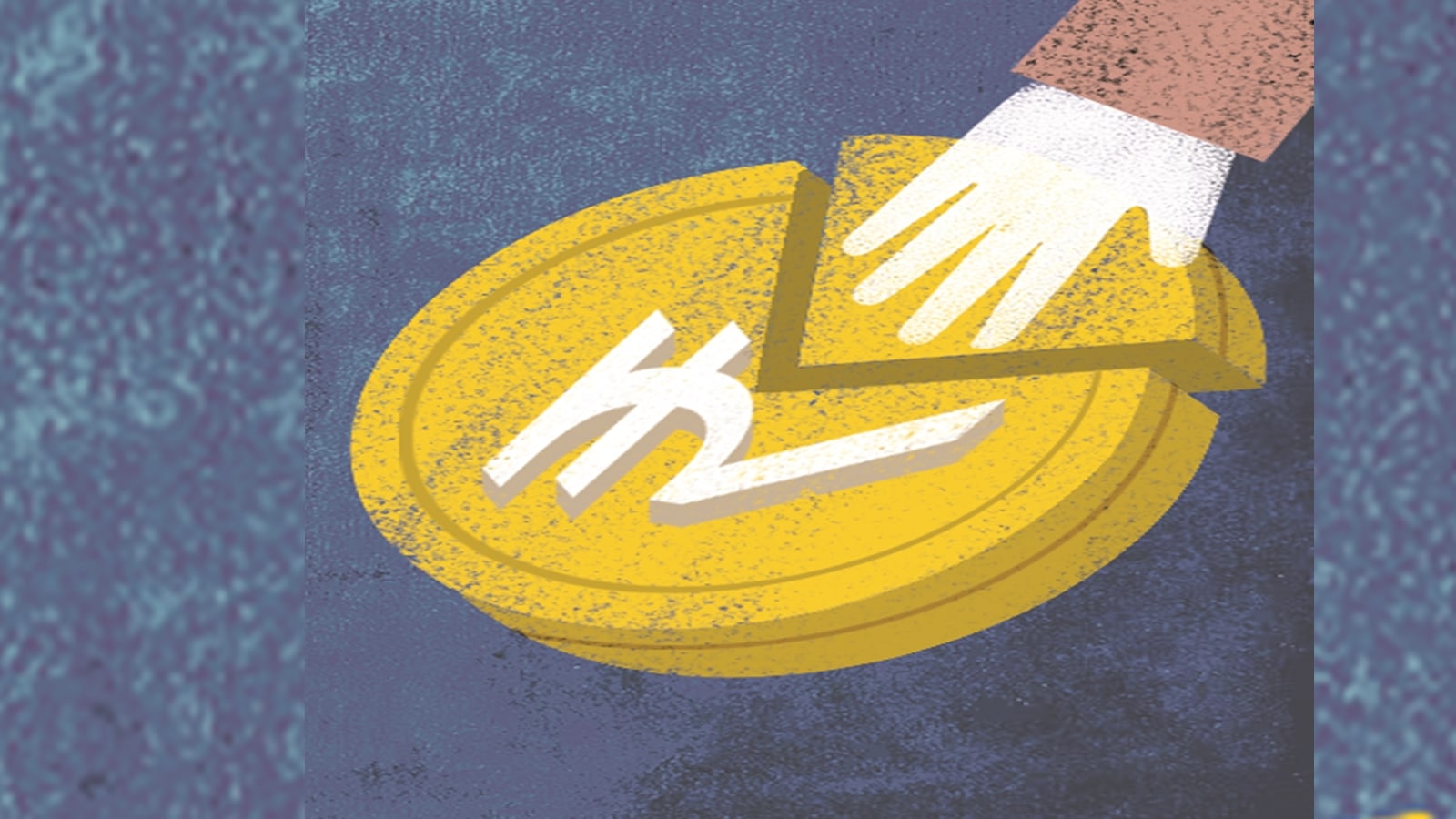
A recent study, ‘How India Gives’, revealed that Indians, even those who earned less than Rs 5,000 a month, gave some of it away. Over two-thirds of those surveyed said they gave in cash or kind, amounting to $6 billion (Rs 540 billion) a year. Given that 90 per cent of Indian citizens live on less than Rs 10,000 a month, this is an extraordinary finding.
The study provides data for what many know through experience. Having been offered half a banana when I was hungry by a man who slept on a railway platform, I certainly knew that the ability to give in India did not correspond to one’s wealth. This report confirms that such anecdotal experiences are part of a wider national, and perhaps cultural, ethos. It concludes that Indian philanthropy is not elite-led but at the household level.
Following these findings on how India gives, I pose the subsequent question: Why does India give?
Based on just-completed qualitative research in Delhi, one answer to this question is that Indians give because there is no choice. It is not that Indians are forced into giving, but rather the reality in which Indians live creates unavoidable pressures. However little one has, there is always someone who has much less. And due to the ways in which lives are intertwined, the feasibility of one life impacts many others around it. Not to give would be to be less than human.
Take the example of Arun, a tailor who works on a pavement with a single sewing machine under a tarp, mending tears and shortening trousers. Arun earns Rs 30,000 a month. A third of this is spent on rent and utility bills, the remaining Rs 20,000 must cover food for a family of four, education for two children, phone charges, medical bills and transport. There is never any spare cash. And yet, when his sister in the village had an accident and needed Rs 10,000 to cover costs, he found the money. To show he cared, he also went to visit her with his family and returned with the medical reports to consult a doctor he knew. He then brought his sister to Delhi, cared for her at home, made sure she had the right medicines for a fortnight and sent her back better.
How was someone like Arun able to meet such an unexpected cost? The answer lay in a complicated arrangement of credit, debt, social capital, rural and urban flows, inter-class interaction and resourcefulness. He was part of the ubiquitous “committee” (chit fund) system that helped him save monthly for the periodic windfall. He pawned his wife’s jewellery. His brother’s working son lived with them and contributed Rs 3,000 a month. And he took advice from his middle-class clientele. This complex web of mutuality kept Arun and his family afloat, and is illustrative of what is happening in the country a billion times over.
What is striking, too, is that each exchange of money, time and knowledge was not simply a transaction but underpinned by a moral universe where the recipient was respected. He did not just send money but visited his sister in person, the doctor who gave him professional advice allowed his trousers to be mended for free, and the peddlers for whom Arun bought tea to drink under the shade of his tarp also bought him tea in return.
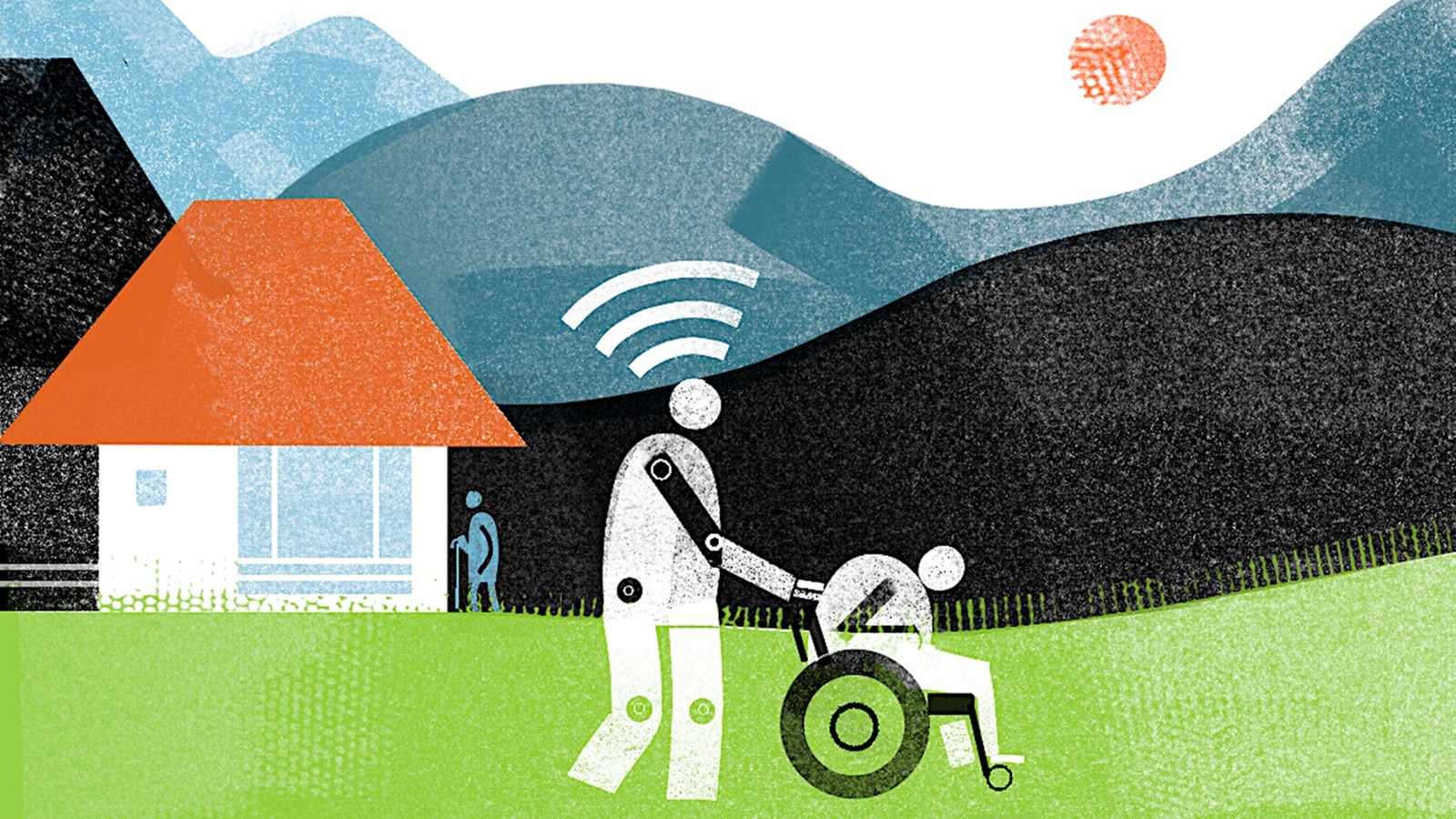
Would it be accurate to classify such forms of giving as charity? I would suggest that Indians give in this way because they know if they don’t, large segments of the population would simply disappear from society. So, they give not as charity but to create India’s “informal welfare provision”. Formal welfare funded by tax revenue would aim to provide each citizen with the basic dignities of health, education, employment, housing and leisure. Government expenditure in the world’s third-largest economy is expected to focus on these priorities, yet allocation for these sectors has been falling or is nonexistent.
While all Indians pay tax, the poor, in fact, pay more consumption tax in proportion to their income and only 3 per cent of Indians earn enough to qualify to pay income tax — the state fails to provide a dignified life for its citizens. So, Indians give again to weave a rudimentary safety net to save each other from free fall. This is one reason for why India gives.
The writer is professor of Social Anthropology at LSE and author of Why India Votes and Cultivating Democracy