

What happens to the Indian economy if the US-Iran ceasefire doesn’t hold?
The ceasefire is welcome. A recovery is another matter entirely
By Tariq Masood
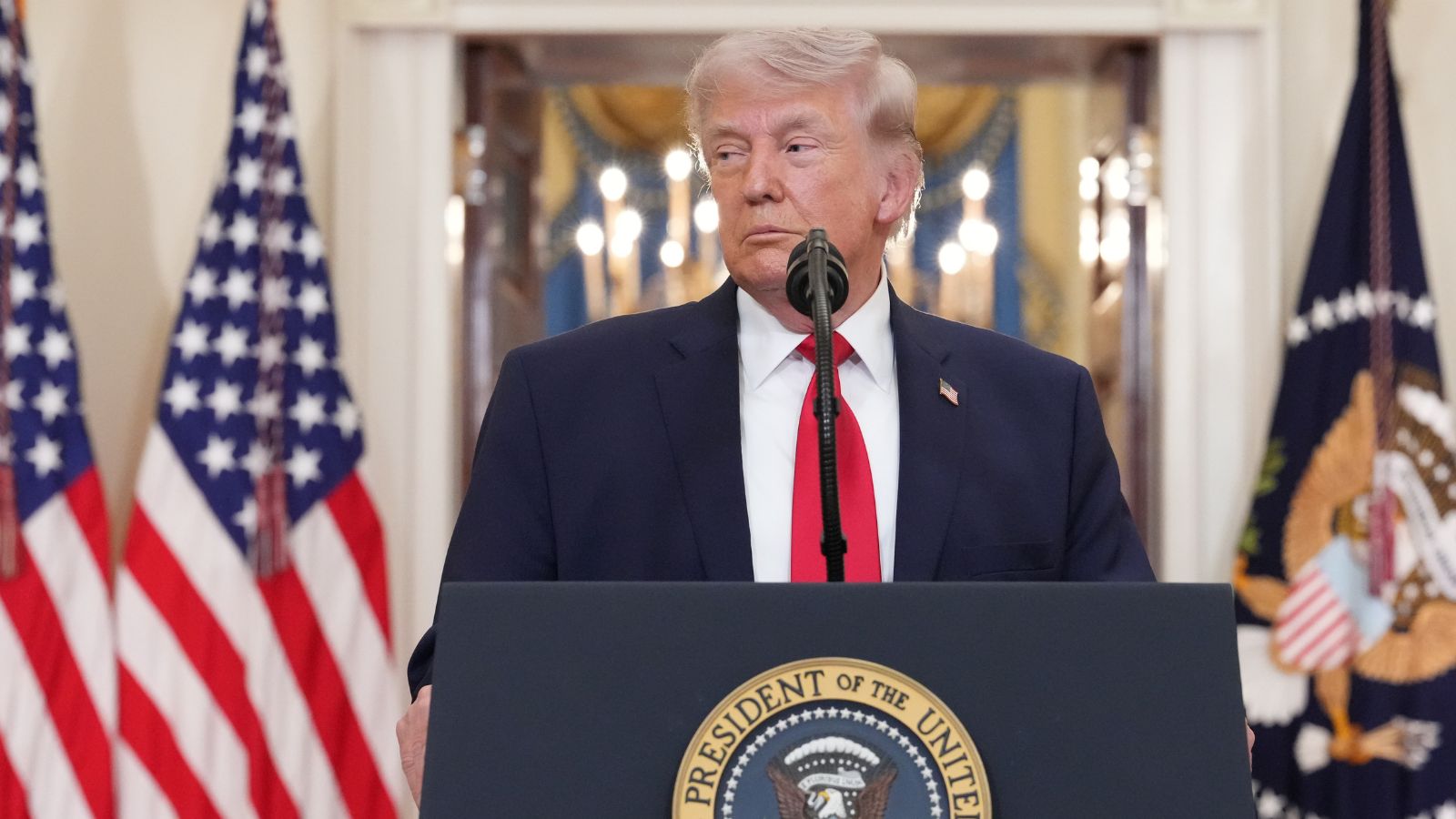
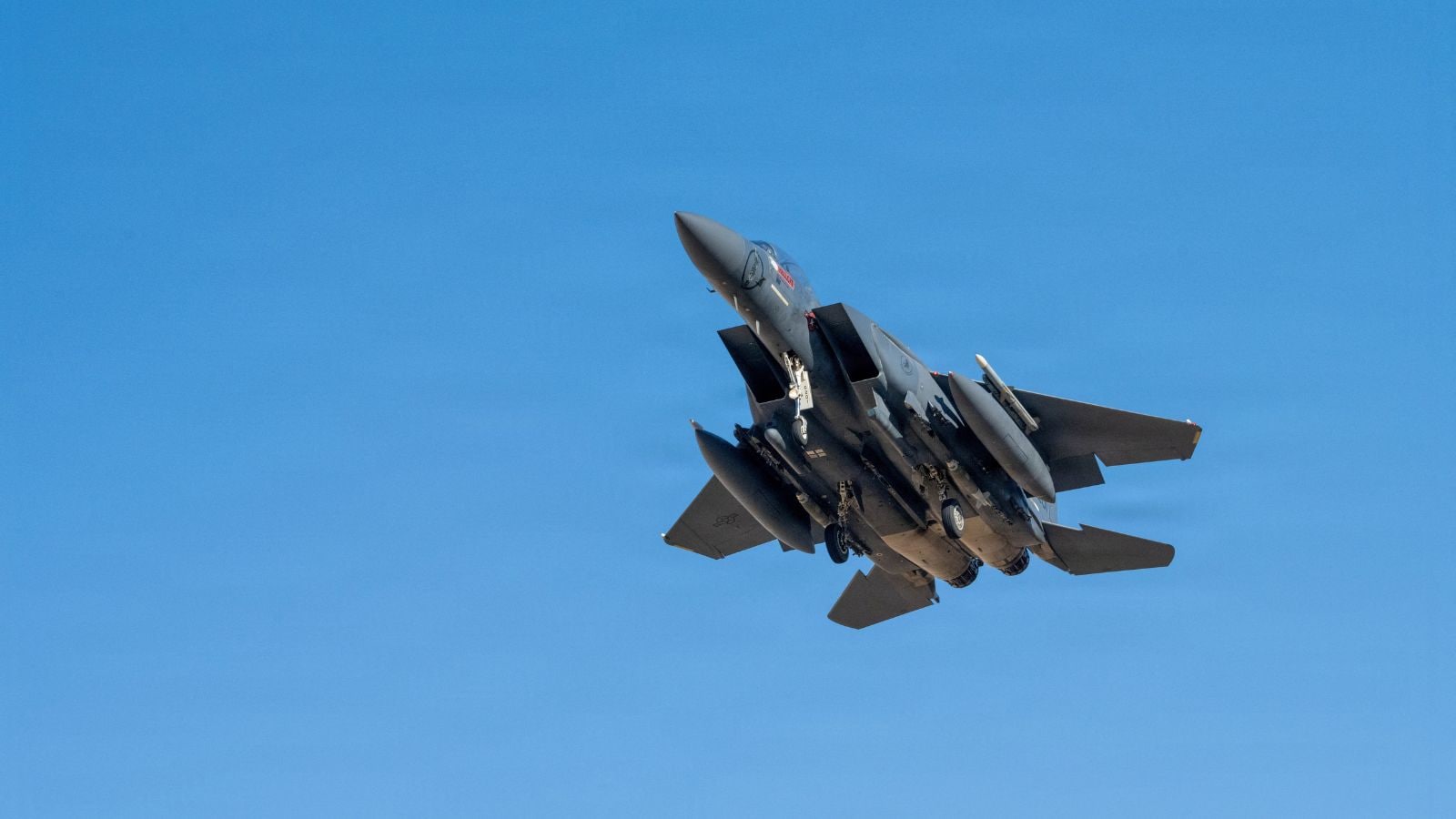
Hours after US President Donald Trump warned that “a whole civilisation will die tonight, never to be brought back again,” a two-week ceasefire was announced, brokered by Pakistan, with Iran agreeing to conditionally reopen the Strait of Hormuz while negotiations continue in Islamabad. Oil prices fell sharply. Markets rallied. On April 8, the RBI held the repo rate at 5.25 per cent. But the relief may be premature. Six weeks of war have already transmitted serious damage through four channels: Oil, trade, remittances, and capital flows. And if the ceasefire collapses, what lies ahead could be considerably worse.
India imports roughly 88 per cent of its crude. Before the war, roughly 40 per cent of those imports transited the Strait of Hormuz. When Iran closed the Strait of Hormuz in early March, Brent crude surged from around $73 to above $110, and the Indian basket of crude averaged above $120 a barrel. Every $ 10-per-barrel increase widens India’s current account deficit by roughly 36 basis points of GDP, according to SBI research. With crude up by more than $40 from pre-war levels, the cumulative pressure on the external balance has been severe. The rupee, after touching a record low of 95.2 to the dollar in March, has recovered to around 93, but only after the RBI’s foreign exchange reserves fell by over $40 billion in four weeks.
The trade channel has compounded the problem. Indian exports to the GCC totalled approximately $57 billion in FY25, with the UAE alone absorbing over $36 billion. Construction activity across the Gulf has slowed, cutting demand for Indian engineering goods and steel. War-risk insurance premiums for Gulf tankers surged over 400 per cent. Qatar declared force majeure on LNG deliveries. Global urea prices are up about 30 per cent. With the summer cropping season approaching and El Niño conditions threatening a weaker monsoon, the intersection of fertiliser disruptions and adverse weather could produce serious food inflation.
Remittances, the least discussed but most persistent channel, are also under strain. India received $135.4 billion in personal remittances in FY25. GCC countries accounted for roughly 38 per cent, or about $51 billion. Over 2,20,000 Indian nationals have been repatriated since the conflict began. Each returning worker represents a household that has lost its primary income source. A two-week ceasefire does not put those workers back on job sites.
On the capital account, foreign portfolio investors pulled a record Rs 1.14 lakh crore (approximately $12.3 billion) out of Indian equities in March. The Nifty50 has fallen over 12 per cent from its January all-time high. CLSA has warned that mutual fund cash reserves are down 24 per cent from April 2025, meaning the domestic institutional buffer against foreign selling is depleting. The RBI’s foreign exchange reserves have fallen by over $40 billion in four weeks, to around $688 billion. India’s balance of payments is under pressure from both the current and capital accounts simultaneously.
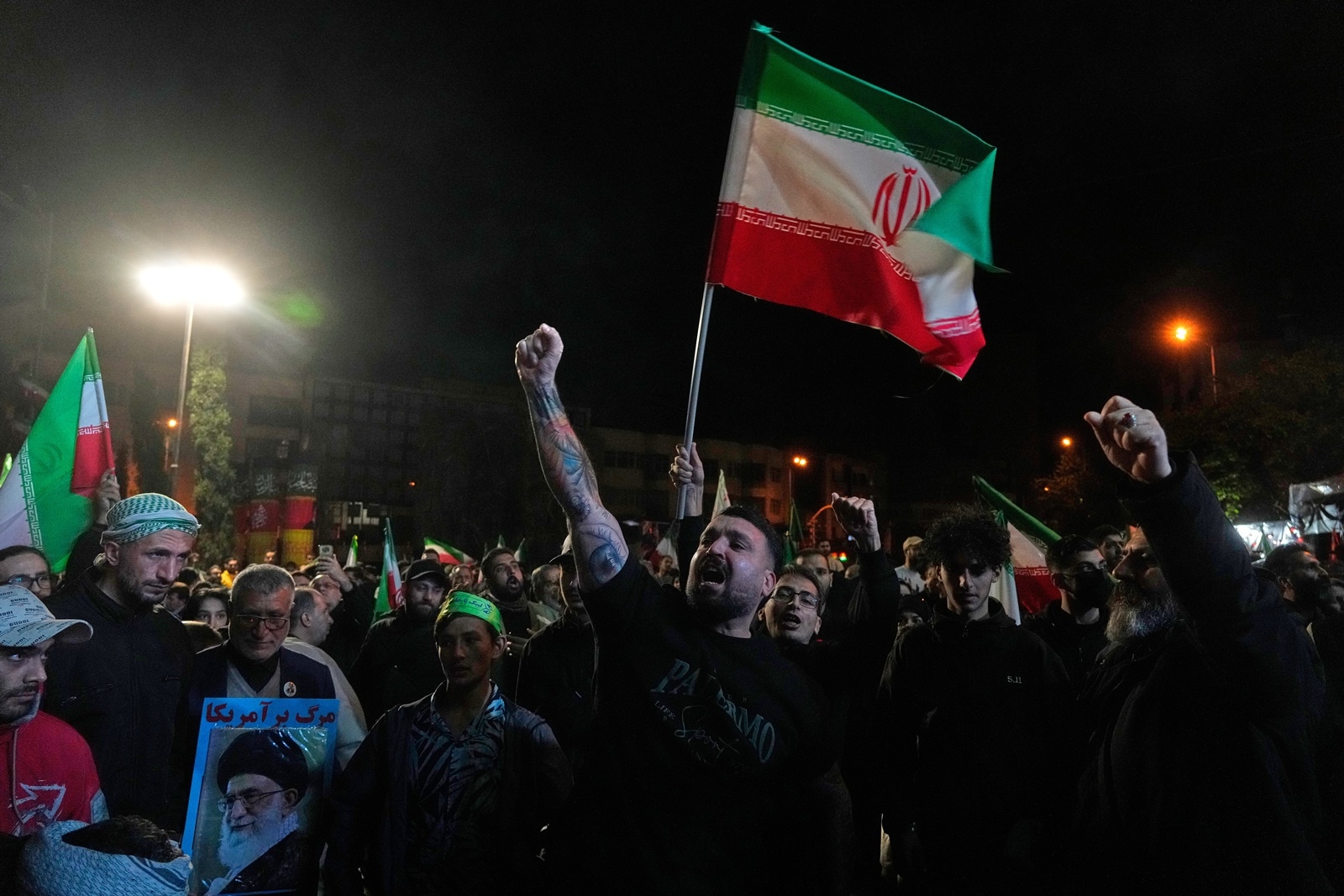
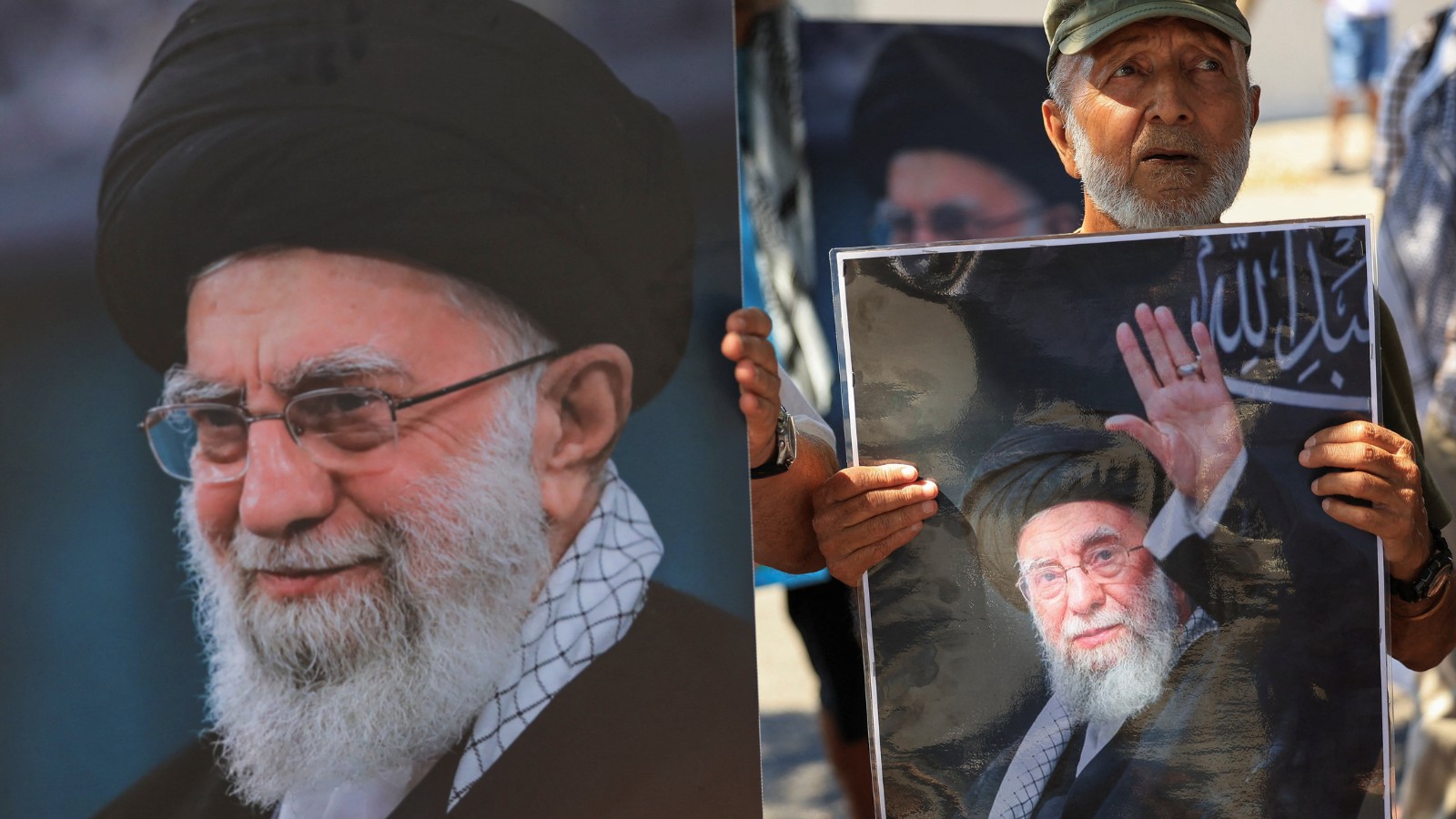
The two-week pause buys time, but the terms reveal how fragile it is. Iran’s 10-point proposal demands the lifting of all sanctions, the release of frozen assets abroad, the withdrawal of US combat forces from regional bases, war reparations, and the right to continue nuclear enrichment. It envisions the Strait of Hormuz under regulated Iranian control, not a return to free passage. Iran’s Supreme National Security Council has warned: “Our hands remain upon the trigger.” Israel says the ceasefire does not cover Lebanon. Reportedly, missiles were fired at Israel and the UAE even after the announcement. The gap between the two sides’ positions remains enormous, and the Islamabad talks beginning April 10 will have to bridge it in days.
If they do not, and hostilities resume, the scenario India faces is qualitatively different from the past six weeks. HSBC has warned that sustained oil above $100 could push inflation beyond the RBI’s 6 per cent tolerance limit, forcing rate hikes that would squeeze growth further. The ICRA has already cut its FY27 GDP forecast to 6.5 per cent. A return to active conflict, with the Strait shut again and Gulf economies under renewed stress, would intensify losses: A wider current account deficit, accelerated capital flight, a weaker rupee feeding imported inflation, and collapsing remittance inflows compressing domestic demand all at once.
The RBI’s decision to hold rates at 5.25 per cent reflects a recognition that monetary policy cannot fix a supply shock. But it also signals that the central bank is keeping its ammunition dry. Just two months ago, Governor Sanjay Malhotra described the economy as being in a “goldilocks” period. That language will not return soon. India’s domestic resilience is real, but it has limits when the external economy transmits shocks through every available channel at once. The ceasefire is welcome. A recovery is another matter entirely.
The writer is assistant professor of Economics, Department of West Asian and North African Studies, Aligarh Muslim University