

Marco Rubio’s visit cannot fully undo a year of systemic whiplash in India-US ties
While Rubio effectively managed the acute symptoms of the crumbling partnership, the underlying disease — the radical unpredictability of Washington’s transactional MAGA foreign policy — remains uncured
When Prime Minister Narendra Modi met President Donald Trump at the White House in February 2025, the air was thick with the celebratory rhetoric of a geopolitical romance destined to define the 21st century. For 25 years — a golden quarter-century bookended by Bill Clinton’s transformative visit to New Delhi in 2000 and that February encounter — the India-US relationship operated on a seemingly unassailable, ascendant trajectory.
This historic warming rested on several foundational assumptions throughout the first quarter of the century. There was a widespread conviction that no fundamental strategic or systemic incompatibilities existed between the two nations and their geopolitical interests, broadly defined. As vibrant democracies, it was believed that Washington and New Delhi had far more in common than their evident, mostly material and cultural, differences. The principal threat to both countries was unmistakably the same — a rising, increasingly assertive, and revisionist China. Furthermore, the United States appeared to have outgrown its Cold War-era hyphenation of India with Pakistan, clearly seeing the former’s rise as invaluable to world order and the latter as an unreliable, terrorist-enabling disruptor. Finally, emerging global trends in technology, supply chains, world trade, and investment all found India and the US on the same side as countries whose intrinsic strengths were mutually compatible. Driven by these certainties, New Delhi gradually shed its non-aligned reticence to warmly embrace a comprehensive global strategic partnership with Washington.
Then, abruptly, came the Trump wrecking ball. Over the past year, the Trump administration has systematically trashed these long-held assumptions, leaving Indian policymakers deeply shaken and confused about the basic premises of their foreign policy. Rather than treating India as an indispensable strategic counterweight in the Indo-Pacific, Washington’s transactional “America First” doctrine has treated New Delhi as an economic adversary and a geopolitical afterthought.
The most visceral shock has been economic, shattering the illusion of seamless trade convergence. Trump’s aggressive re-litigation of trade balances resulted in the sudden imposition of sweeping universal tariffs on Indian steel, aluminium, and textiles, accompanied by a public branding of India as the “tariff king”. For an Indian economy banking on “friend-shoring” (the intentional redirection of global supply chains away from China), this blunt protectionism has been a rude awakening, proving that Washington is less interested in building resilient economic partnerships than in closing its borders to most imports, friendly or otherwise.
Simultaneously, the assumption of strategic compatibility crumbled under the weight of Washington’s transactional approach to global conflicts. As India maintained its pragmatic oil imports from Russia and sustained its historical defence ties with Moscow, the White House aggressively brandished the threat of CAATSA sanctions, erasing the diplomatic space New Delhi previously enjoyed to navigate its complex Eurasian dependencies and replacing it with a rigid demand for compliance. In parallel, blithe talk of a “G2” raised questions about the US’s basic posture towards China. The pattern of disruption extended to the human sphere, where the administration’s drastic tightening of H-1B visa caps and increased scrutiny of tech-worker renewals targeted the human bridge connecting Silicon Valley with Bengaluru, severely disrupting the high-tech trust underlying their joint technology initiatives. Perhaps most alarmingly, the post-Cold War de-hyphenation of the Subcontinent began to blur as Washington, in its haste to pressure Iran and secure transactional regional exits, re-engaged with Islamabad on mediation and intelligence-sharing, forging investment partnerships in crypto and minerals, hailing Asim Munir as the US President’s “favourite field marshal”, and sending shivers through our security establishment.
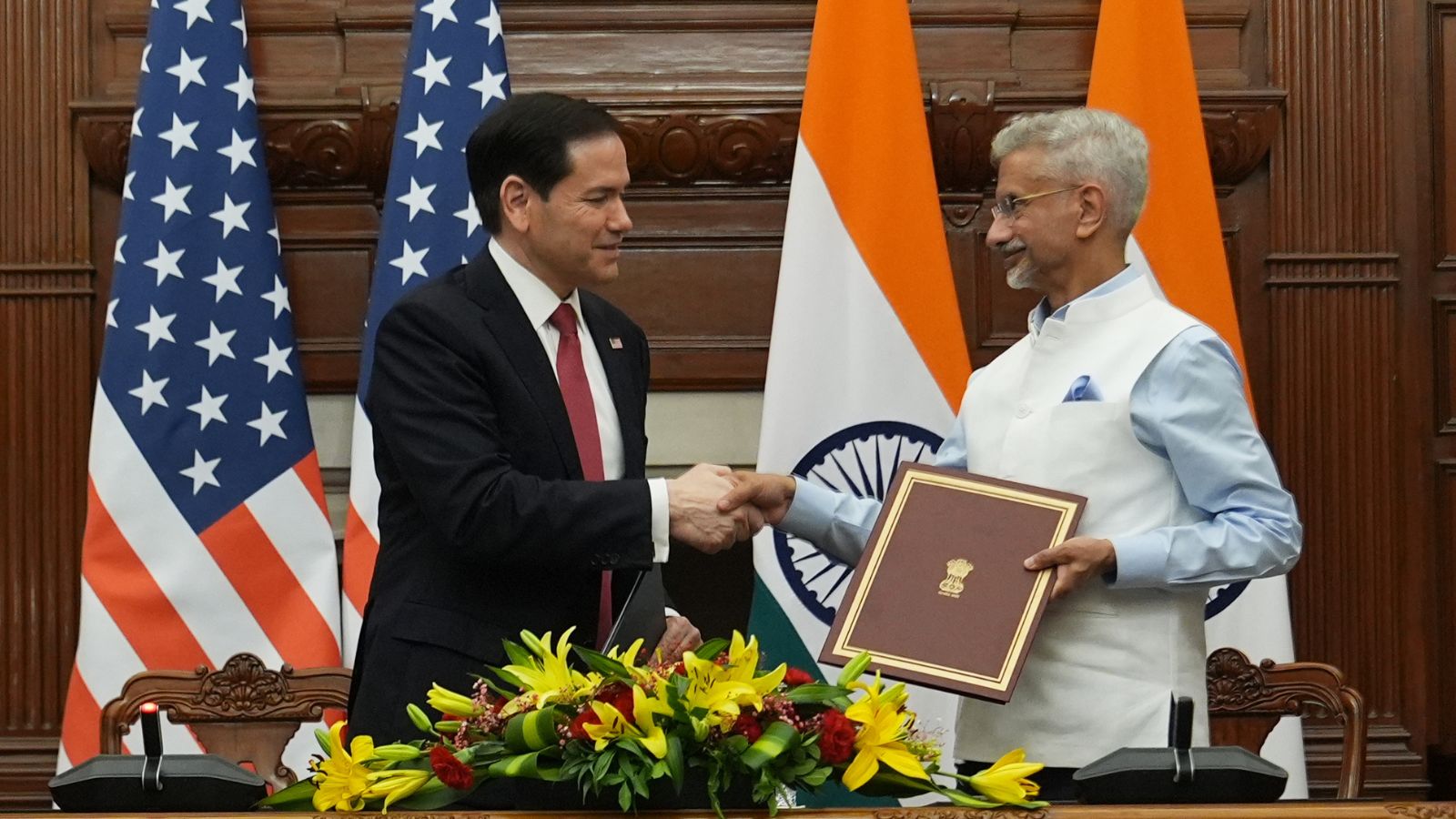
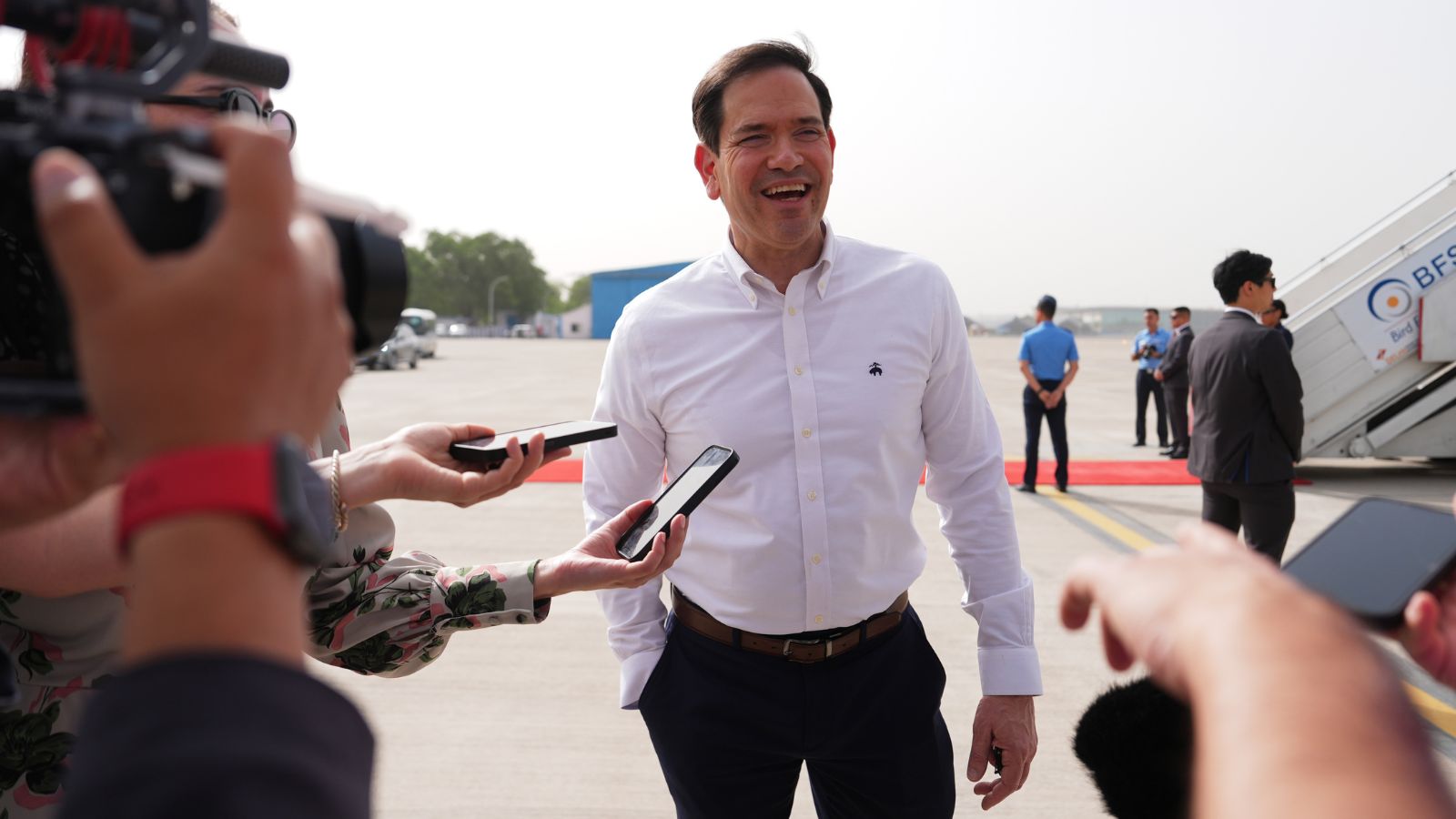
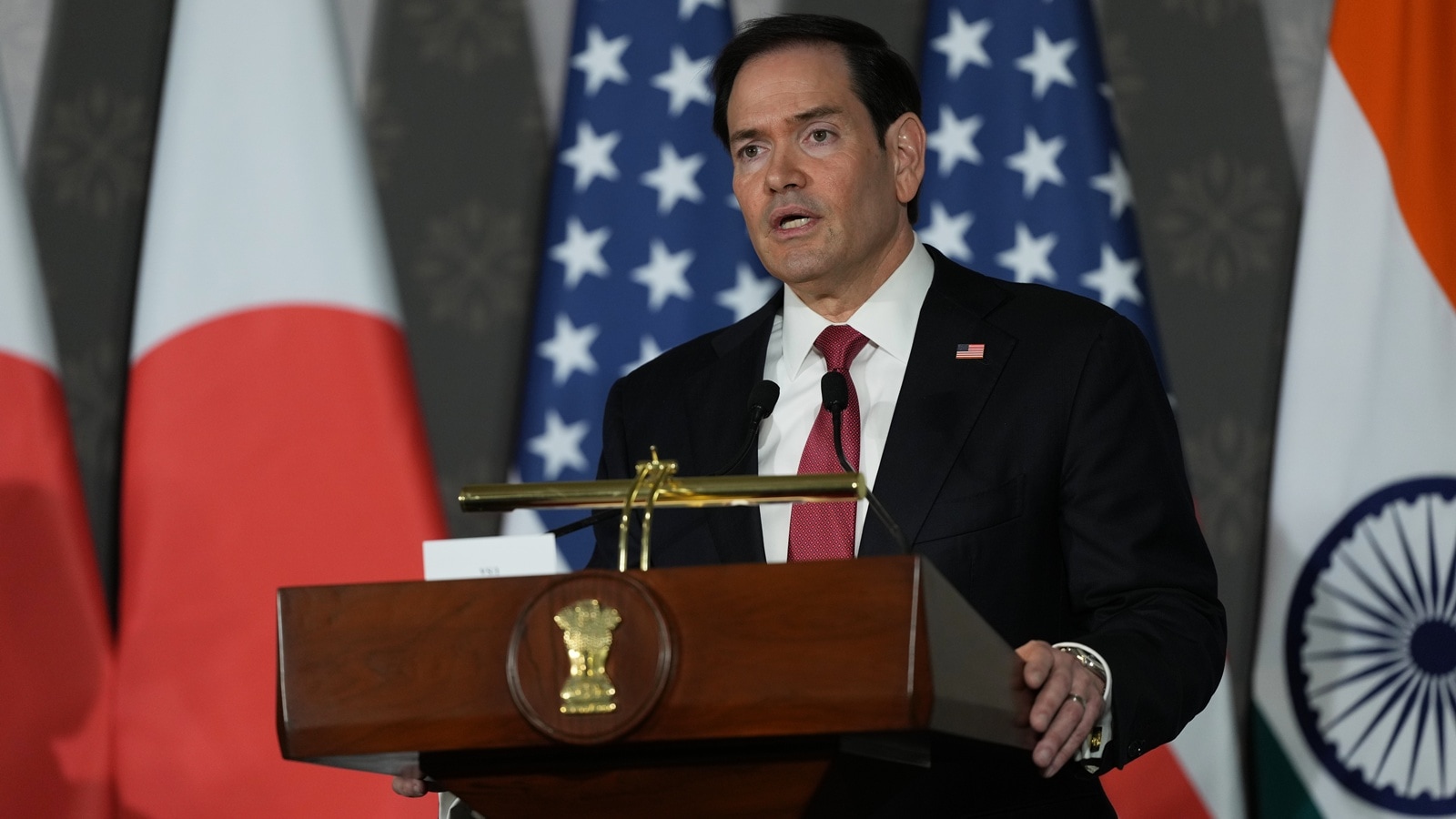
It was against this backdrop of structural fraying and mounting mistrust that US Secretary of State Marco Rubio arrived. Widely viewed as a much-needed damage-control exercise, Rubio’s visit sought to inject a dose of traditional geopolitics back into a relationship on the verge of transactional derailment. As an institutional hawk on China, Rubio represents the faction within Washington that still views the Indo-Pacific through a structural lens rather than a balance-of-payments ledger. To some extent, he succeeded in limiting the immediate bleeding. Rubio was effective at separating the noisy trade rhetoric of the Oval Office from the quiet, institutional mechanics of bilateral security cooperation. By utilising his time in New Delhi to reaffirm American commitment to the Quad, fast-track pending defence transfers like the co-production of jet engines, and frame India’s security as an absolute requirement for American dominance in the Indian Ocean, Rubio offered India a comforting echo of the pre-2025 consensus. By returning to the familiar language of anti-hegemonic balancing against China, he temporarily restored a sense of shared purpose.
However, a single successful diplomatic visit cannot completely undo a year of systemic whiplash. While Rubio effectively managed the acute symptoms of the crumbling partnership, the underlying disease — the radical unpredictability of Washington’s transactional MAGA foreign policy — remains uncured. To genuinely rebuild the trust that has been destroyed over the past twelve months, both capitals must move beyond high-level rhetoric and commit to concrete structural assurances.
Washington must codify its much-vaunted “strategic partner” status for India, ensuring that if New Delhi is expected to take risks to support US interests in Asia, it cannot be simultaneously penalised with the same tariff bluntness applied to economic adversaries. Furthermore, the US must accept that India will always maintain an independent relationship with Russia and a distinct posture on Central Asia, acknowledging that trust can only be restored if Washington stops treating strategic divergence as a sign of betrayal. To dispel doubts about China, Trump must attend a Quad summit in India soon. Finally, critical technology pipelines require the free movement of both data and brains, meaning both countries need to insulate high-tech immigration pathways from the broader, highly politicised domestic debates over American border crossings.
The past year has delivered a sobering, necessary lesson to New Delhi: The strategic partnership with the US is not a self-sustaining enterprise, but a fragile construct susceptible to shifting executive whims, requiring constant protection from the vagaries of transactional politics. As they say in Washington, it’s time to wake up and smell the coffee.
The writer is a fourth-term Member of Parliament (Lok Sabha) for Thiruvananthapuram and chairman of the Parliamentary Standing Committee on External Affairs