

Why India must step up amid West Asia’s turbulence
India has a historic opportunity to offer a stable platform for global commerce
Wars bring windfalls. The ongoing conflict in West Asia is no exception. India can gain, too, but the public discourse in this country has so far dwelt entirely on doomsday scenarios — high oil prices, evacuation imperatives, job losses in overseas labour markets and the like. I have been a witness to fortunes made in the Persian Gulf from every outbreak of turmoil since the triumphant return of Ayatollah Ruhollah Khomeini to Tehran from exile in 1979. Smart countries in the lower parts of this region have thrived from every war — there have been many in its proximity — since Iran’s Islamic Revolution. All this runs against India’s traditional ethos and public policies. It needs to change because times have changed. If India does not change, it will lose, and the loss to altruism and compassion will be borne by this country’s 1.4 billion people.
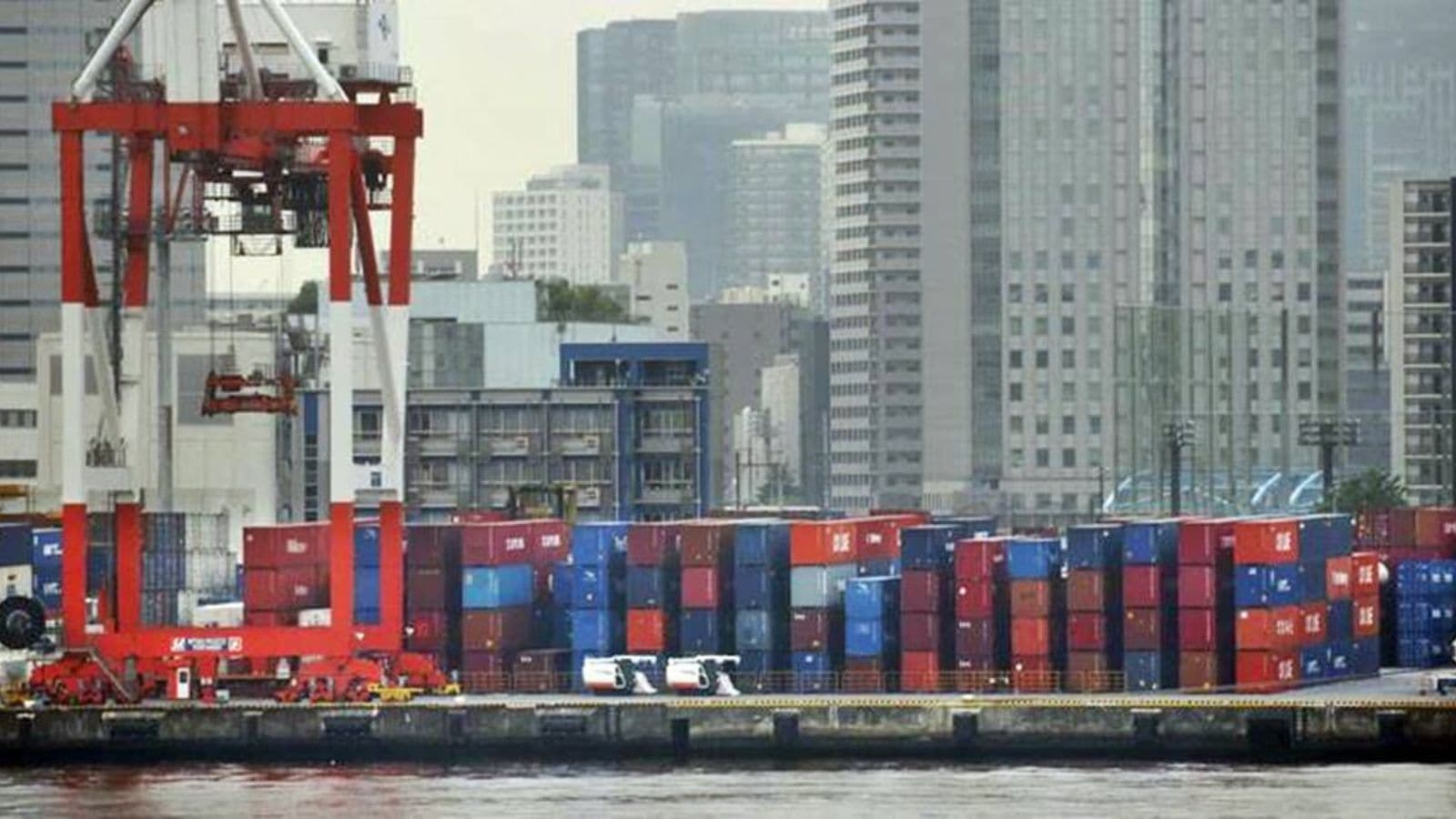
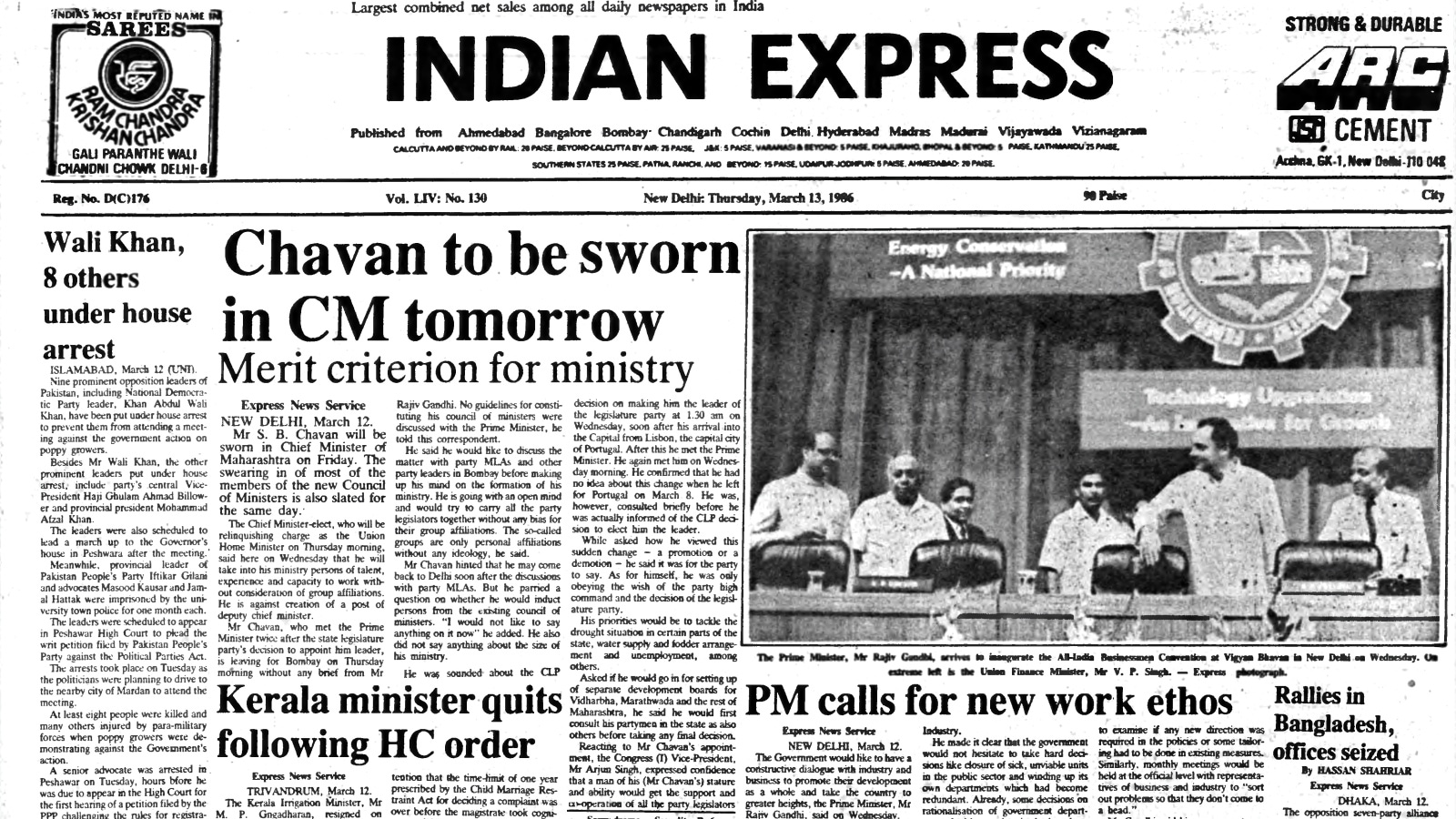
I arrived in the Gulf, 11 months before Khomeini’s return, to start the first broadsheet English newspaper on the Arab side of the region. With me were six Indian journalists, a British editor and a Bangladeshi news editor, who had spent many years at Xinhua and was the only foreign journalist in Beijing during the aftershocks of the Cultural Revolution. Nineteen months after Khomeini took control of Iran, Saddam Hussein, Iraq’s then president, ordered an invasion of his eastern neighbour. The war lasted eight years, caused deaths estimated at half a million and ended in a draw brokered by the UN. Dubai thrived during this period by supplying Iran with everything it needed through the port of Bandar Abbas. This port is less than two nautical miles from the emirate and it takes only between 16 and 24 hours for cargo ships to reach it. It was like a lucky lottery ticket for Dubai’s merchants — many of whom are of Persian descent — that such vessels could avoid the most dangerous choke points in wartime in the Strait of Hormuz. As a reporter, I went every six months to the Dubai ports and customs department to check re-export figures, a barometer of the emirate’s prosperity in those days before Dubai grew into anything remotely like what it is now. Re-exports went up by leaps and bounds. Such windfalls were repeated during the war to free Kuwait from Iraqi occupation in 1991 and the US invasion that overthrew Saddam Hussein in 2003.
How can India gain from the dent in the image of Gulf countries as safe havens from constant Arab upheavals without appearing to fish in troubled waters? Abu Dhabi and Dubai are leading MICE (Meetings, Incentives, Conferences, and Exhibitions) locations. The Abu Dhabi National Exhibition Centre (ADNEC), the largest such venue in the Arab world, hosts more than 100 international events every year. Dubai’s Expo City does the same. Cancellations of some of these events are inevitable now because global MICE programmes require certainty. Instead of going in for cancellations, India can use its friendly relations with the UAE to shift some of these events to Delhi, Mumbai or Bengaluru, which have venues that match ADNEC and Expo City in capacity, amenities and comfort. Yashobhoomi in the national capital, the Bangalore International Exhibition Centre and Mumbai’s Jio World Centre are currently underutilised. MICE is a multi-billion-dollar business, but India has never had a strategy or credible plan to attract this business.
Persuading ADNEC and Expo City to shift some of their mammoth events this year to India — even if they have to be downsized — instead of cancelling them is a stopgap arrangement. But it can be built upon because of the opportunities such relocation will allow to expose India’s recently enhanced MICE infrastructure — like Bharat Mandapam in Delhi — to the global exhibition and conference industry. Fortuitously, this chance coincides with the appointment of an economic diplomat, Jawed Ashraf, as chairman of the Indian Trade Promotion Organisation (ITPO). As he works on a complete reorientation of ITPO’s global outreach, Ashraf has been keen to bring in the best practices of another MICE location, Singapore, where he was high commissioner. Disruptions in the Gulf offer him an opportunity, if only India is ready to be self-serving.
Dubai’s reputation was built over 40 years of hard and imaginative work. If the war in West Asia does not stop soon, it will take as many decades to rebuild confidence in the Gulf. India used a windfall from the war in Ukraine until Trump stepped in. But those were government-to-government windows and were existential for India. The opportunities popping up now are people-centric and can benefit everyone, from some entrepreneurs to corporate leaders.
The writer, a senior journalist, has worked in West Asia