

India’s foreign policy is being shaped by financial constraints
India’s macroeconomic stability is tethered to the dollar-centric financial system. Divergence from US policy carries financial risks, as investors reassess risk in a dollar-dominated system
By Deepanshu Mohan and Saksham Raj
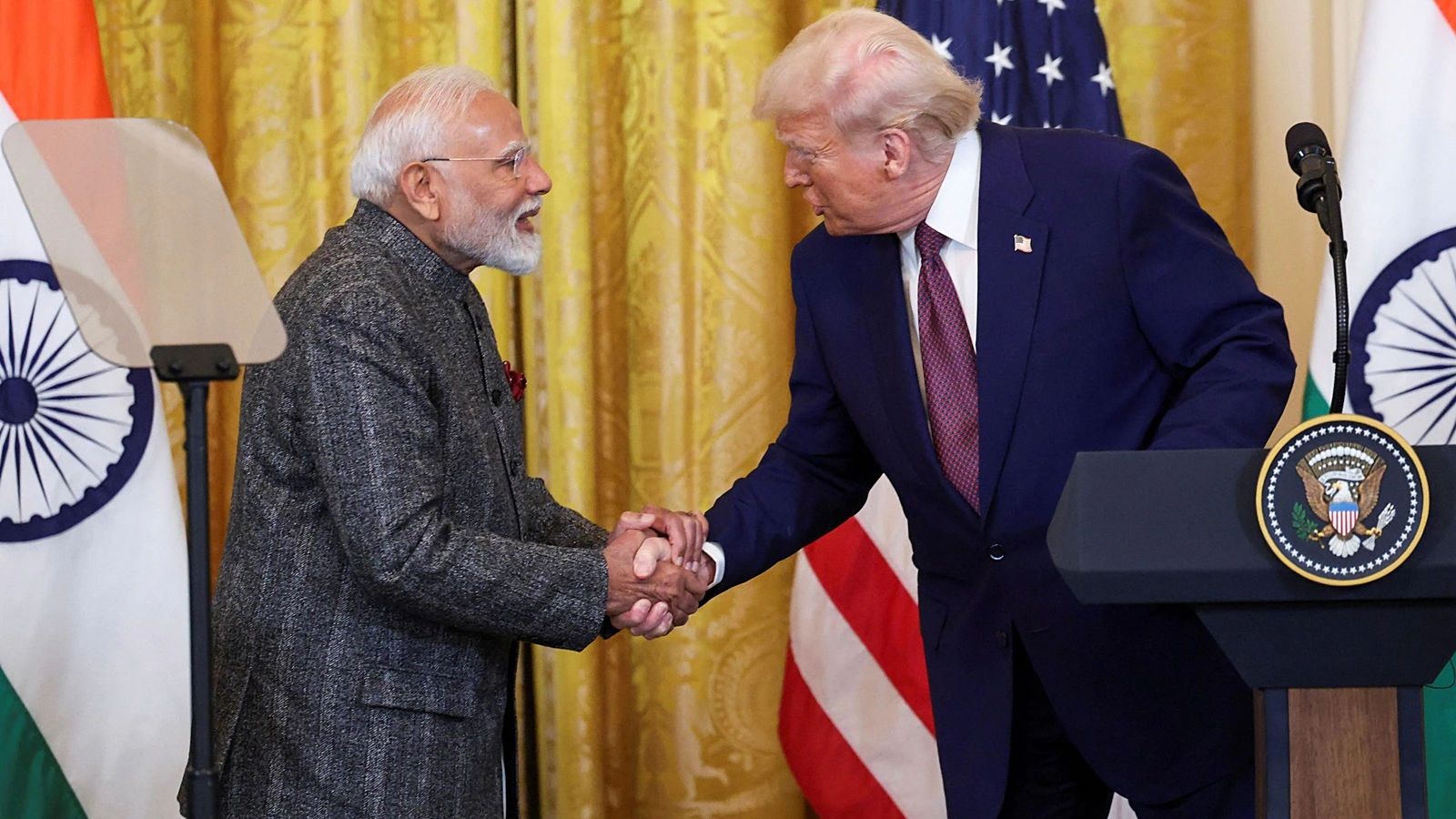
The traditional hallmarks of Indian foreign policy have been put on trial. As tensions between the United States, Israel and Iran escalated into direct confrontation, New Delhi’s carefully cultivated neutrality encountered hard economic and security constraints. India’s official position remained consistent: Calls for de-escalation, emphasis on maritime security, and protection of its Gulf diaspora. However, high-frequency indicators of oil import patterns, shipping costs, and domestic fuel price transmission suggest that beneath declaratory neutrality, India executed a measurable, if temporary, tilt toward the US-Israel axis — a constrained response to structural vulnerabilities embedded in trade, finance, and energy dependence.
Consider India’s crude oil import basket. Since 2022, Russia has emerged as India’s dominant supplier, accounting for 35-40 per cent of imports due to steep discounts on Urals crude. As US pressure intensified, a strategy around energy diversification emerged. By January 2026, Russian crude flows to India had fallen to roughly 1.1 million barrels per day, just over 21 per cent of the total basket, the lowest share in years. Substitution patterns reinforce this inference. India simultaneously increased imports from the United States, Saudi Arabia, and other suppliers, despite higher costs. Indian refiners thus forfeited cost advantages, indicating that geopolitical signalling outweighed price optimisation. The subsequent reversal is equally instructive. Following a temporary US waiver on March 5 allowing the purchase of Russian cargoes already in transit, Indian refiners rapidly scaled up imports, snapping up tens of millions of barrels. To interpret this tilt as a strategic preference would be misleading. It was, instead, the outcome of structural dependencies.
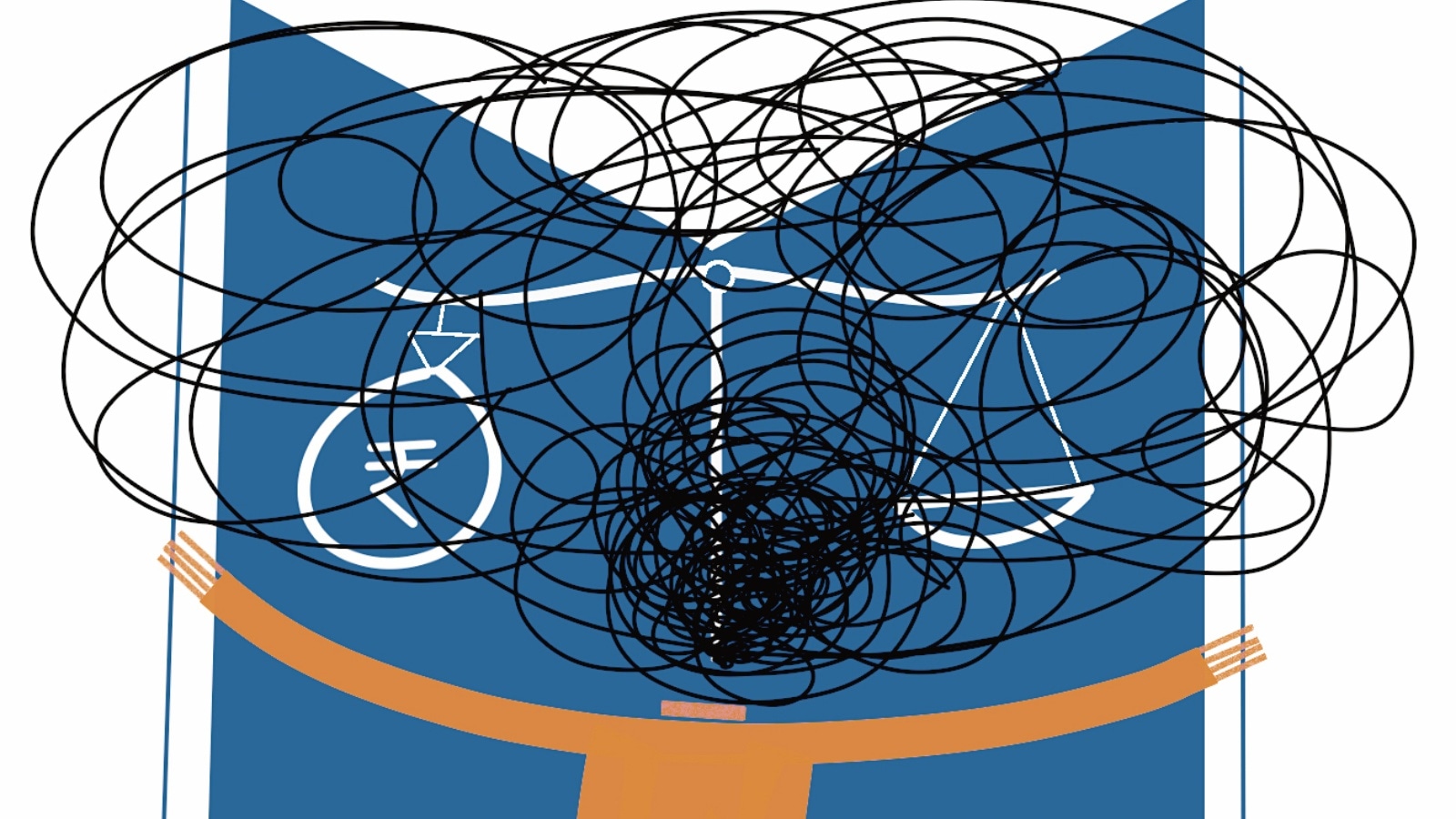
First, trade exposure to the United States remains decisive. With nearly one-fifth of exports directed toward the US market, and key sectors deeply embedded in American demand, the threat of tariffs carries systemic implications. Second, India’s macroeconomic stability is tethered to the dollar-centric financial system. Oil price shocks widen deficits, trigger capital flight, and weaken the currency. In such a context, divergence from US policy carries financial risks, as investors reassess risk in a dollar-dominated system. Third, defence and technology dependencies have shifted westward. While Russia remains a major supplier, high-end capabilities from drones to jet engines are increasingly sourced from the US-Israeli axis. Finally, millions of Indian workers in the Gulf countries, currently being attacked by Iran, and tens of billions in remittances tie India’s economic stability to the region’s security architecture, which remains US-anchored. A confrontational posture toward that system is not easily sustainable.
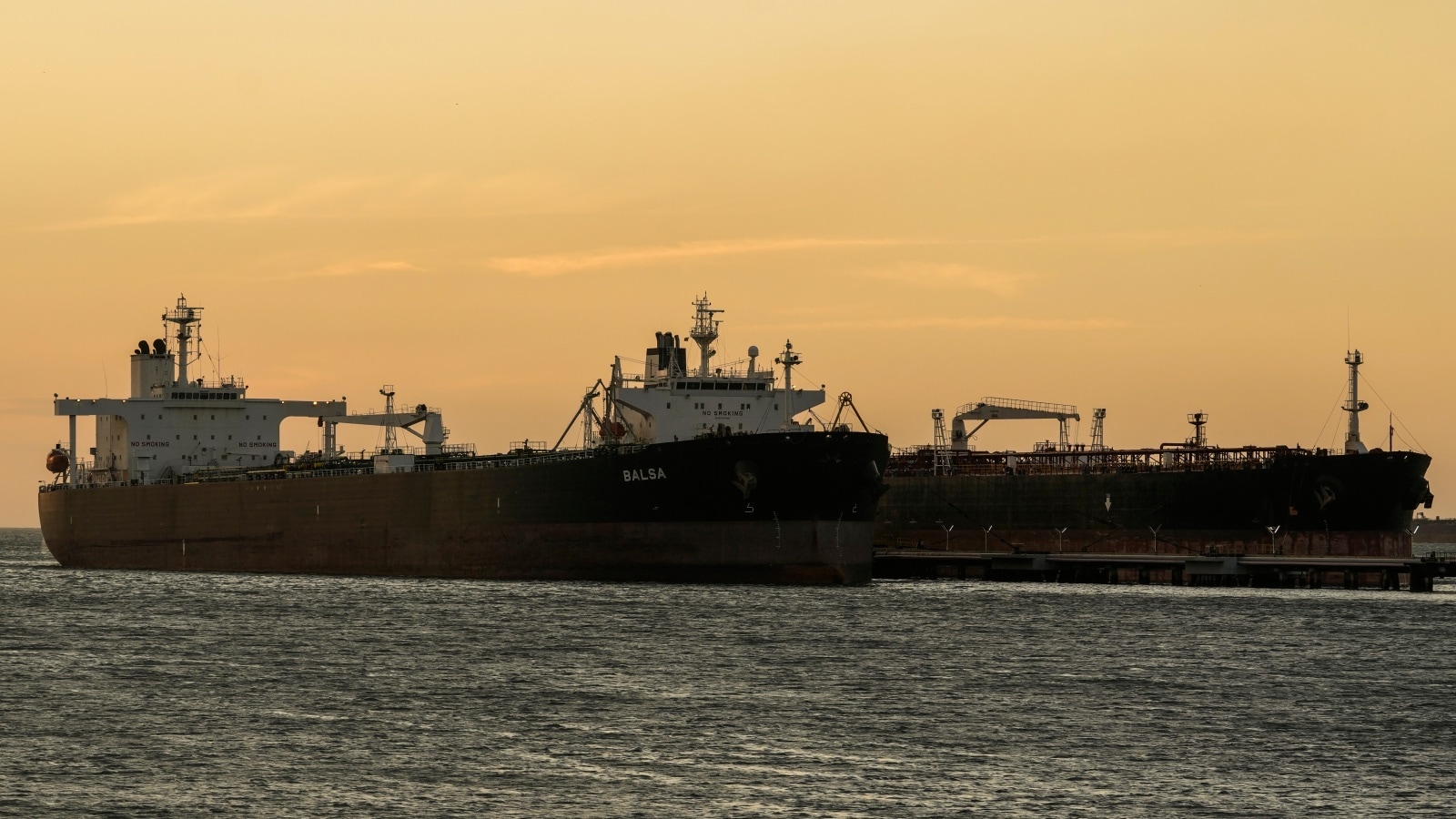
The tilt, while rational, was not costless. New Delhi may have overextended its strategic posture in leaning towards Israel, as escalating IRGC-linked disruptions targeting vessels in the Strait of Hormuz expose the material costs of that alignment for Indian shipping and energy security. External shocks quickly filtered into the domestic economy. While retail petrol and diesel prices were administratively contained, the same was not possible for LPG and natural gas. India’s dependence of roughly 60 per cent for LPG and 50 per cent for LNG meant supply disruptions had immediate consequences. LPG prices rose by Rs 60 per cylinder in March, marking a visible pass-through of global volatility. As the Indian crude basket surged to Rs 156.29 per barrel in mid-March 2026, the rupee depreciated to Rs 92.63 per dollar in the same time frame, forcing the Reserve Bank of India to deploy nearly $20 billion in reserves. Higher oil prices raised the landed cost of energy imports, feeding into inflation and external imbalances.
Financial markets deepened the impact. $6-8 billion in portfolio outflows set off a reinforcing cycle; higher oil prices widened the current account deficit, weakened the rupee, pushed up inflation, and drove further capital exits. Given India’s heavy reliance on imported energy — 85-87 per cent of crude and about 50 per cent of LNG — such shocks quickly spill into the fiscal system. New Delhi’s tilt, therefore, secured short-term stability, but at the cost of higher energy burdens and reduced diplomatic flexibility.
Mohan is professor of Economics and dean, O P Jindal Global University; Raj is research analyst at CNES, O P Jindal Global University; Harshvardhan Raj contributed to this column