

In resilience of Fiona the hippo, our own stories
But Fiona’s life, like those of Neal and Punch, remind us of perseverance, and joy in adversity
What is common between Neil the Seal, Punch-kun the Japanese macaque, and Fiona the Hippo? At first glimpse, little ties the three — one is a three-metre-long, 1,000-kg elephant seal from Australia, the second a primate in Ichikawa City Zoo, Japan, and the third a Nile hippopotamus in Cincinnati Zoo, US. But these three animals, from different corners of the map, have left their prints all over the internet. They also tell us what we fear, and what we wish for.
Neil, the six-year-old seal, also labelled “Tasmania’s favourite vandal” by the local media, made news a few years ago when he was found flopping around the streets of Hobart, befriending orange traffic cones. The sight of an elephant seal snoozing near a fence is odd enough, but what drew people to him was the story that he was a “lonely” seal. At times he turned aggressive, and slammed his ample self into a parked car or flattened barricades. This “acting out” has been explained by marine ecologists as a way of compensation. Seals are social creatures; Neil should be with his pod. He should be sparring with his brothers, sleeping belly to belly with his folks. He is not a misbehaving seal, just a lonely one, who now can only snuggle up with a fence and joust with a barricade. And how unfortunate is that.
Few animals have recently captured the internet as Punch the macaque, who had been hand-raised by zookeepers after his mother reneged. His keepers gave him an orange toy orangutan, which became his best friend. The sight of a little orphaned monkey dragging his stuffed orangutan, which was bigger than him, quickly stole hearts. Pushed around and shoved by bigger monkeys, he scurries to his orangutan and curls asleep in its embrace.
Neal and Punch became sensations not only because they are cute but because they touched a very human vulnerability — the fear of being an outsider. Haven’t we all felt like Neal or Punch at some time? Like a fish out of water. Like a seal in a city. Neal is supposed to be socialising and breeding and flopping with his kind, instead he is galumphing on tarred roads. Punch should be swinging with his friends and playing with his siblings, instead he can only drag an inanimate toy. Thankfully, Punch’s story has a happy ending — the one-year-old Punch has now reportedly befriended an even smaller monkey. He no longer needs his orangutan; he has made his own troop.
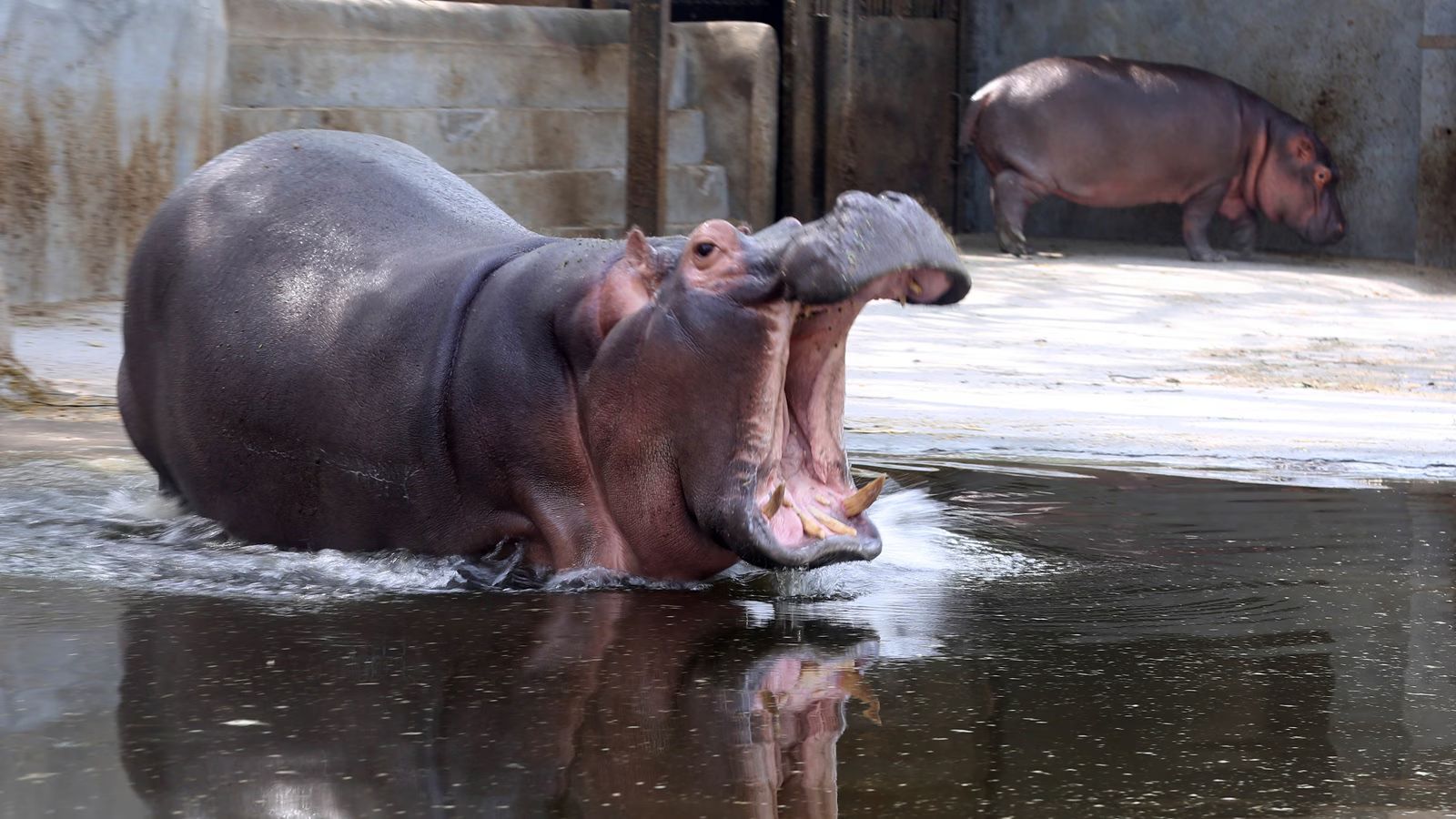
Fiona, the hippopotamus, had been in the limelight since her premature birth in 2017. Born at only 13 kg (when most baby hippos are born between 25 and 55 kg) she was not expected to live. But she did, and even had her own YouTube reality programme, The Fiona Show (with 6.2 million Facebook followers). Here you could watch how she transformed from a “tiny alien baby” into a hippo swimming around with the adults, making eye contact with her human visitors. Her zookeeper says Fiona is the first animal to have “stans” (a combination of stalkers and fans who follow her every gurgle, every swim). Recently, she ingested a woollen cap that had fallen into her enclosure, and despite the zoo’s best efforts, died on November 19.
But Fiona’s life, like those of Neal and Punch, reminds us of perseverance and joy in adversity. We tune into their antics, lament their loneliness, celebrate their partnerships, bemoan their passing, because they tell us of resilience. It is easy to dismiss #teamfiona and #HangInTherePunch as digital silliness. But these hashtags tell us that these animals are hope.
The writer is associate director, New India Foundation