

In growing India-Japan ties, an opportunity for Bihar
For millions of Japanese people, Bihar is the land where Lord Buddha attained enlightenment. Bodh Gaya occupies a sacred place in the hearts of Japanese Buddhists
By Sanjay Kumar Jha
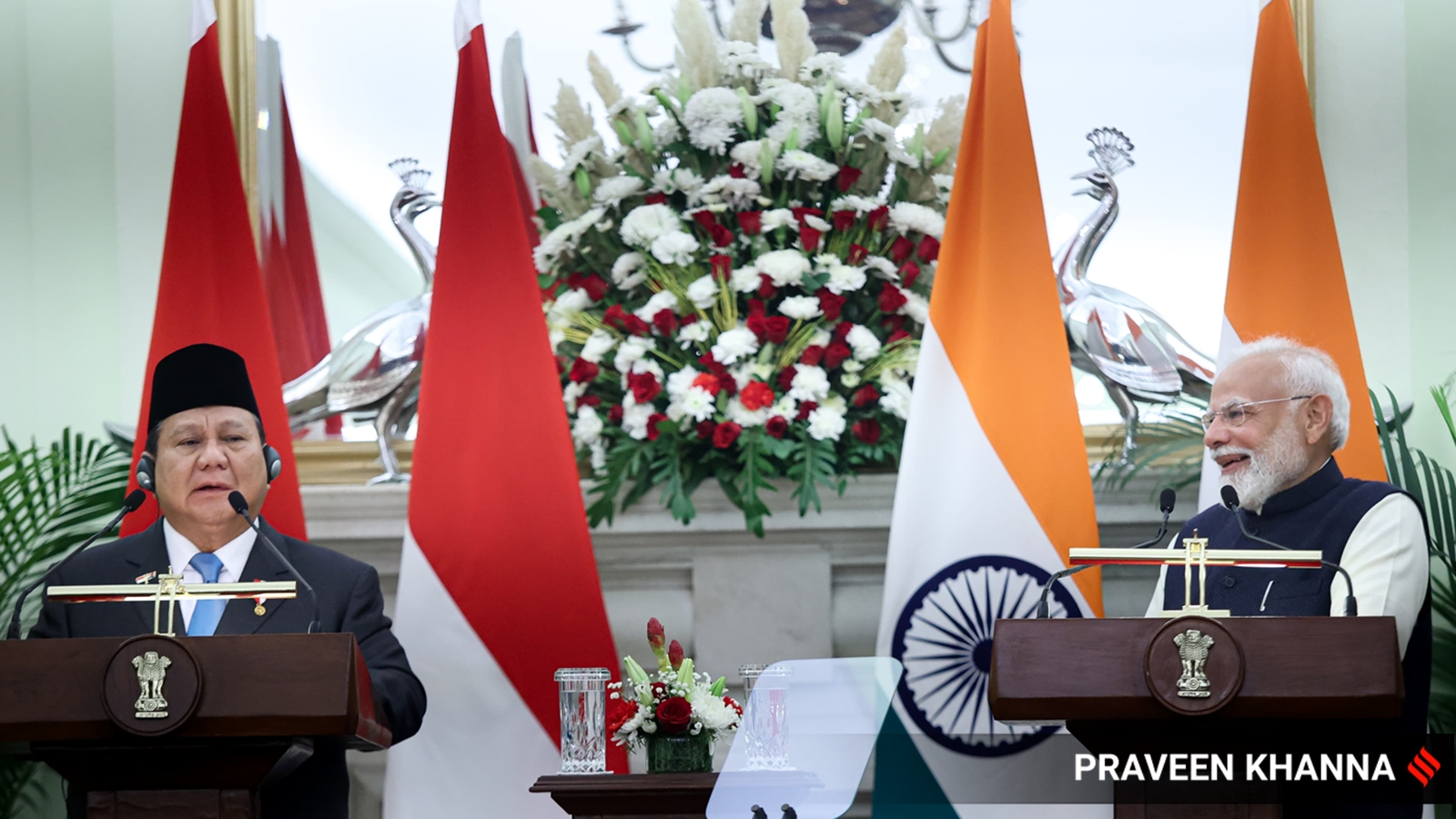
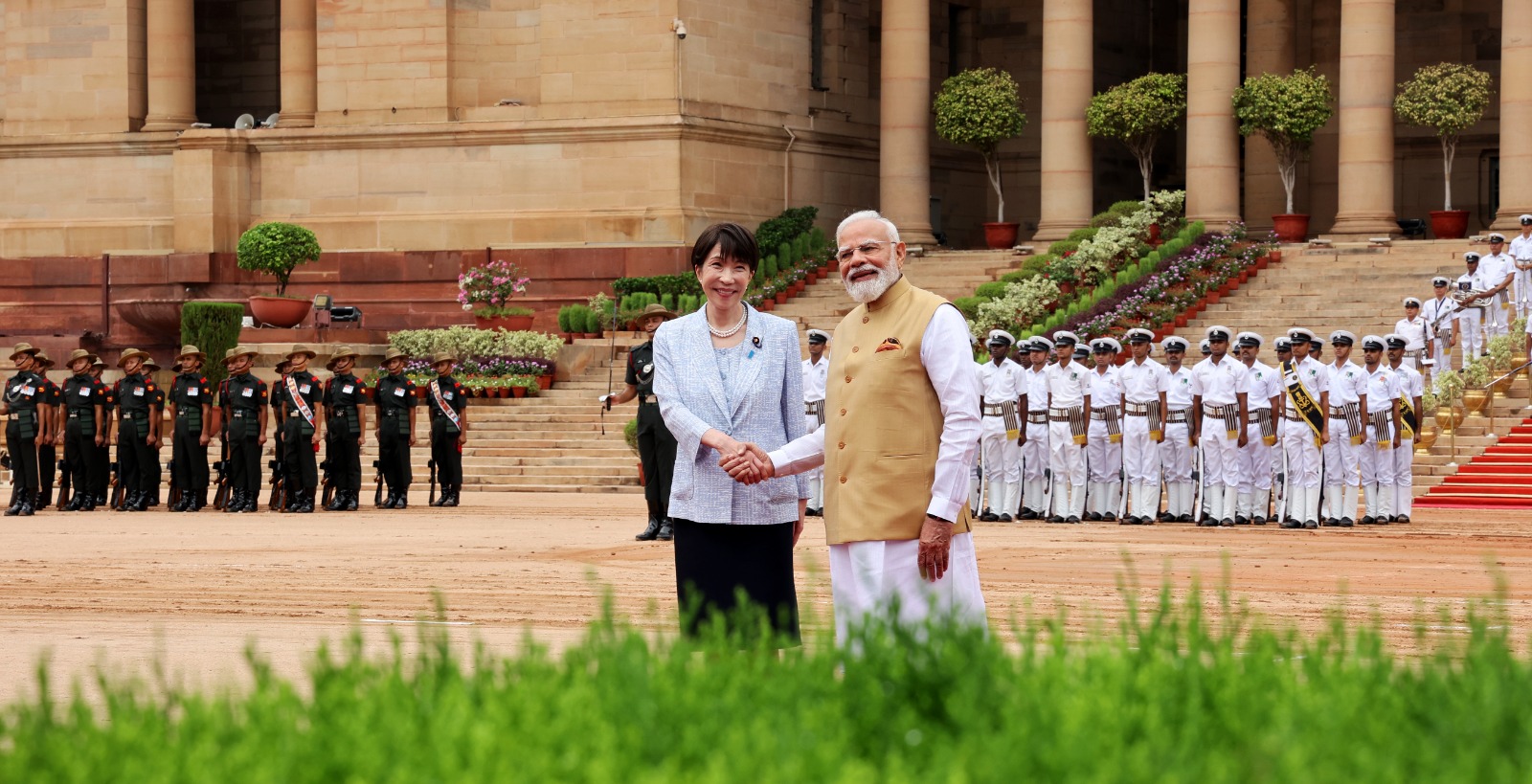
The visit of Japanese Prime Minister Sanae Takaichi to India comes as the two countries are preparing to celebrate 75 years of diplomatic relations in 2027. Over the past decade, this partnership has expanded well beyond economics to include defence, technology, infrastructure, semiconductors, resilient supply chains and the Indo-Pacific. This is also the right occasion to make a strong case for Bihar.
Last year, I had the privilege of leading an all-party parliamentary delegation to Japan. During our interactions with political leaders, scholars and members of the Indian diaspora, I was struck by the warmth and affection with which Bihar was spoken of. The reverence for Bodh Gaya, Nalanda and Rajgir remains deeply embedded in Japanese consciousness. This civilisational goodwill deserves to be translated into stronger economic and developmental partnerships.
If New Delhi is the strategic anchor of India-Japan relations, Bihar is their civilisational foundation. No other Indian state shares such a deep historical, spiritual and cultural bond with Japan. Yet, Bihar has remained on the margins of the modern India-Japan economic story. That deserves to change.
For millions of Japanese people, Bihar is the land where Lord Buddha attained enlightenment. Bodh Gaya occupies a sacred place in the hearts of Japanese Buddhists. Rajgir, where the Buddha spent several years and delivered many sermons, and Nalanda, one of the world’s greatest ancient centres of learning, are equally revered. Every year, thousands of Japanese pilgrims travel to these sites in search of spiritual fulfilment and cultural understanding.
The Vishwa Shanti Stupa at Rajgir, built by the Japanese Buddhist order Nipponzan Myohoji, remains one of the most enduring symbols of friendship between India and Japan. Japanese monks have maintained close ties with Bihar for decades, while scholars continue to engage with Nalanda and Buddhist studies. It is also a matter of pride for Bihar that the Mithila Museum in Tokamachi, Niigata Prefecture, has showcased the rich tradition of Mithila paintings, creating yet another enduring cultural bridge between Bihar and Japan.
Japan has also been among Bihar’s oldest development partners. It has supported infrastructure and tourism projects connected with the Buddhist Circuit, including roads, visitor facilities and related infrastructure. These investments have strengthened pilgrimage tourism and demonstrated Japan’s longstanding commitment to preserving a shared civilisational heritage. Yet, when viewed against the scale of India’s economic engagement with Japan today, Bihar has received only a modest share of Japanese investment. This presents an important opportunity.
Prime Minister Narendra Modi has elevated India-Japan relations to unprecedented heights. The ambitious goal announced during PM Takaichi’s visit of increasing Japanese investment in India and expanding the presence of Japanese companies reflects the confidence both countries have in each other’s future. Bihar is particularly well placed to build upon this momentum. Greater Japanese participation in tourism, urban infrastructure, heritage conservation, skill development and sustainable mobility in Bihar would not only benefit the state but also complement the broader national vision of stronger India-Japan ties.
In Bihar, better roads, improved connectivity, expanding airports, growing urban centres and improvements in governance have created conditions that are far more conducive to investment than before. Bihar’s young population, strategic location in eastern India and growing consumer market make it an attractive destination for long-term partnerships.
The Buddhist Circuit can be developed into one of the world’s premier spiritual tourism destinations. Japanese participation in heritage conservation would be a natural extension of the relationship that already exists. As Bihar urbanises, Japanese expertise in public transport, water supply, waste management and urban planning can contribute significantly. Agriculture, food processing, healthcare equipment, renewable energy and skill development are equally promising sectors where partnerships can deliver lasting benefits.
Former chief minister Nitish Kumar understood the unique importance of Japan for Bihar. His government consistently promoted the Buddhist Circuit, improved connectivity to pilgrimage sites and encouraged closer engagement with Japanese institutions. His vision recognised that Bihar’s civilisational heritage is not merely a matter of history but also an economic and diplomatic asset capable of generating tourism, employment and international partnerships.
Every enduring partnership also draws strength from its civilisational roots. For India and Japan, those roots lie in Bihar. India and Japan first met through the Buddha. Seventy-five years after establishing diplomatic relations, it is time they discovered Bihar once again as the meeting point of their shared past and shared future.
The author is Member of Parliament (Rajya Sabha) and national working president of JD(U)