

How Nepal’s millennial PM Balen Shah is empowered by erosion of parliamentary norms by the old guard
The rot and decay in the parliamentary system has now become his biggest strength. The 'fast track' that marked the constitution-making process seems to have broken
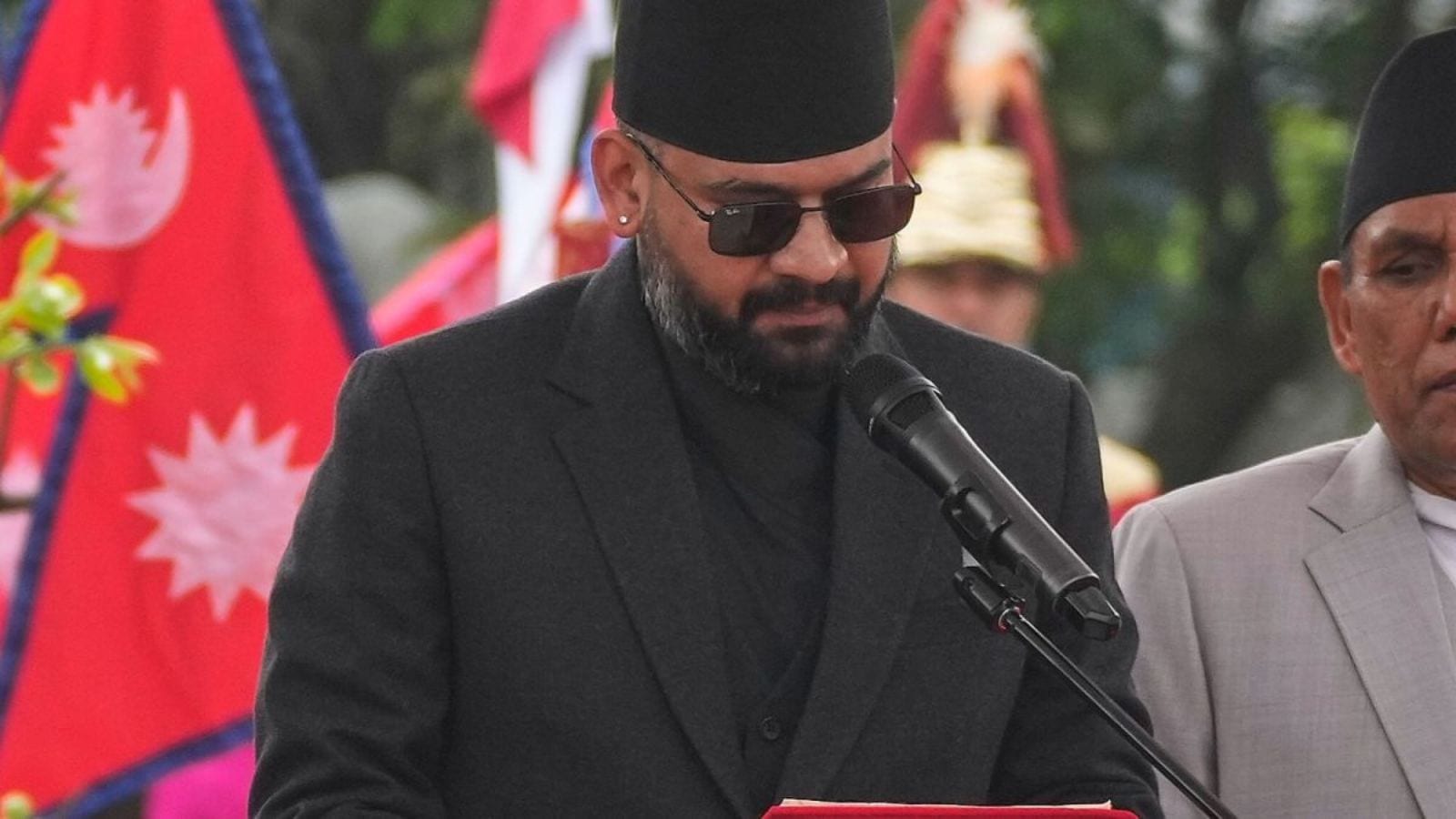
Two months into his tenure as Prime Minister of Nepal, Balen Shah continues to dominate the conversation, with elements of both hope and fear, and an undeciphered silence as for his actions.
His leaving parliament midway through the president’s address unveiling the new government’s policies and programmes last month, and his continued absence from the House, are new features in Nepal’s politics. Why is the leader with a nearly unprecedented majority doing this? Why the disrespect for the House that elected him?
Some context might be enlightening. Since 2006, when the House of Representatives was dissolved and then revived under the weight of a political movement, successive legislatures chose to take decisions that flew in the face of constitutional norms and traditions. This, perhaps, set the precedent for a lack of norms and propriety.
The Constituent Assembly, elected to draft the new constitution within two years, first met at midnight on May 28, 2008, and set the tone with a disturbing aberration. The CA, which also acted as the parliament, conducted its business after a series of postponements. Krishna Prasad Sitaula entered a packed House and occupied a seat in the ministerial row: The new government was yet to be formed. Sitaula, a leader of the Nepali Congress , was the Home Minister but lost the election, and subsequently, the right to participate in the business of the House, under the rules.
He moved a one-line resolution seeking the abolition of the monarchy, and a 238-year-old institutional history ended without a debate. The CA was under a directive by the revived House of Representatives that “it shall abolish the Monarchy by its first meeting”, and it did so hurriedly before midnight.
G P Koirala of the Nepali Congress continued as PM for the next three months without any constitutional validity, letting Maoist leader Prachanda, the leader of the largest party, form the government only in mid-August.
There was an understanding between major political parties, and there was little check from the judiciary: Fear or loyalty seemed to have been internalised by major institutions – all in the name of delivering the constitution on time. It was finally promulgated in September 2015, and the record shows that none of the 308 articles was discussed in the full House, nor was a single amendment allowed to any of the clauses.
This rot and decay in the parliamentary system has now become Balen Shah’s biggest strength. The “fast track” that marked the constitution-making process seems to have broken. And it is far from clear if and how it can be repaired. Should it be overhauled, rewritten or replaced altogether? Asim Shah, political aide to Prime Minister Shah, now coordinates a series of interactions to solicit ideas to re-examine the constitution. Some even speculate that Balen Shah, riding on the crest of his popularity, especially among the youth, may even try to institutionalise a directly elected Prime Minister or President, bypassing parliament.
Balen Shah has not said a word about which system he believes in; nor has he committed to the current one of parliament’s supremacy. He chose to break from the 18-year-old practice of the PM addressing the nation on Republic Day on May 29.
President Ram Chandra Poudel warned that the republican order requires commitment and humility – it was not difficult to see who the statement was directed at.
But Balen has a plethora of precedents to follow to justify the path he chooses to follow.
In the past two months, he has visibly devalued parliament and effected major changes through ordinances. He appointed a new Chief Justice, superseding three people. But there was little protest at the move, as multiple governments in the last two decades have enormously increased political influence over the judiciary.
Silently, he has restored the authority of the PM’s office. Prime Ministers in the past had turned the official residence into the PMO, holding cabinet and official meetings there . But Balen has started going to the office at 9 am, staying there till 5 pm and signalled that the residence is not for official business.
Nobody knows if he has something up his sleeve to reform parliament.
The writer is the Kathmandu-based contributing editor for The Indian Express