

Heatwave crisis needs a vision, not just policy
The NDMA must lead the development of comprehensive frameworks that move beyond relief to support investments in heat mitigation and resilience
By Rohit Bagai
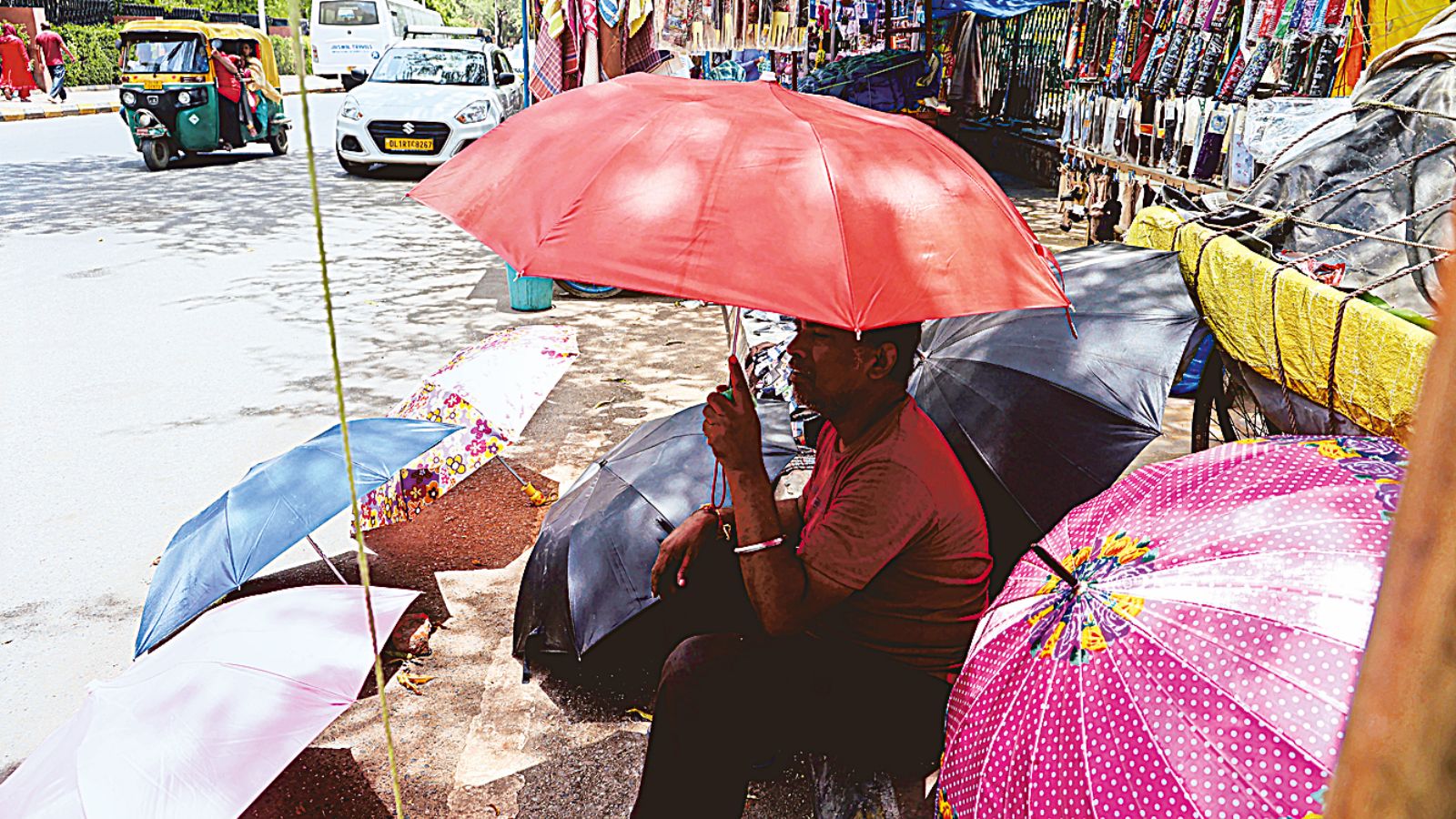
The India Meteorological Department has warned that the summer of 2026 could be particularly intense, with many parts of the country likely to experience an above-normal number of heatwave days. Heatwaves are unlike sudden disasters such as cyclones or flash floods. They unfold slowly, often building over days or weeks. This means they require sustained planning rather than only emergency response.
Recognising this, many Indian cities, districts and states have developed Heat Action Plans (HAPs). These plans play an important role in coordinating responses among government departments through early warning systems, public advisories, and emergency measures. In several cities, they have helped reduce heat-related mortality and illness.
However, as temperatures continue to rise, India now needs to move beyond short-term responses and begin investing in long-term strategies to cool cities in a sustainable way. In this context, the recent recommendation of the 16th Finance Commission to include heatwaves in the list of nationally notified disasters could be a turning point. By recommending their inclusion, the Commission acknowledges that climate change has fundamentally altered India’s disaster landscape.
This reclassification changes the financial and institutional support available to states. Until now, states could use up to 10 per cent of their State Disaster Response Fund (SDRF) to provide immediate relief for local disasters, including heatwaves, provided they had notified them as state-specific disasters. With heatwaves recommended for inclusion under the Disaster Management Act, states would now be able to seek support from the larger National Disaster Risk Management Fund as well as their State Disaster Risk Management Funds (SDRMF). This expands fiscal space not only for relief measures but also for financing longer-term resilience and mitigation initiatives.
While the new classification opens up financial resources, the current policy framework remains limited. This is where the real challenge lies. Most Heat Action Plans continue to focus primarily on short-term measures such as alerts, awareness campaigns and emergency response. They do little to address the structural drivers of heat vulnerability — poor urban design, heat-absorbing construction materials, declining green cover, inefficient cooling systems, and unequal access to thermal comfort.
To utilise the available funds effectively, India must strengthen its policy frameworks and provide cities and states with clearer guidance on long-term heat resilience strategies. The National Disaster Management Authority must lead the development of comprehensive frameworks that move beyond relief to support investments in heat mitigation and resilience, such as climate-sensitive planning, expansion of urban green and blue infrastructure, improved building design, infrastructure resilience and sustainable cooling solutions.
Equally important is building institutional capacity that enables local governments to design and implement projects that reduce heat risks over time. Stronger coordination between urban planning and disaster management institutions, and better technical support for cities, will be critical to ensure that funds are effectively utilised.
The funds are now on the table. What India needs next is a policy vision for cooler, safer and more resilient cities.
The writer is programme associate, iFOREST