

Lessons from hantavirus scare: No country can erect walls high enough to keep disease out
Way out lies in global cooperation, in transparency, and indeed for governments to fund global health agencies at the level they require to perform their essential roles
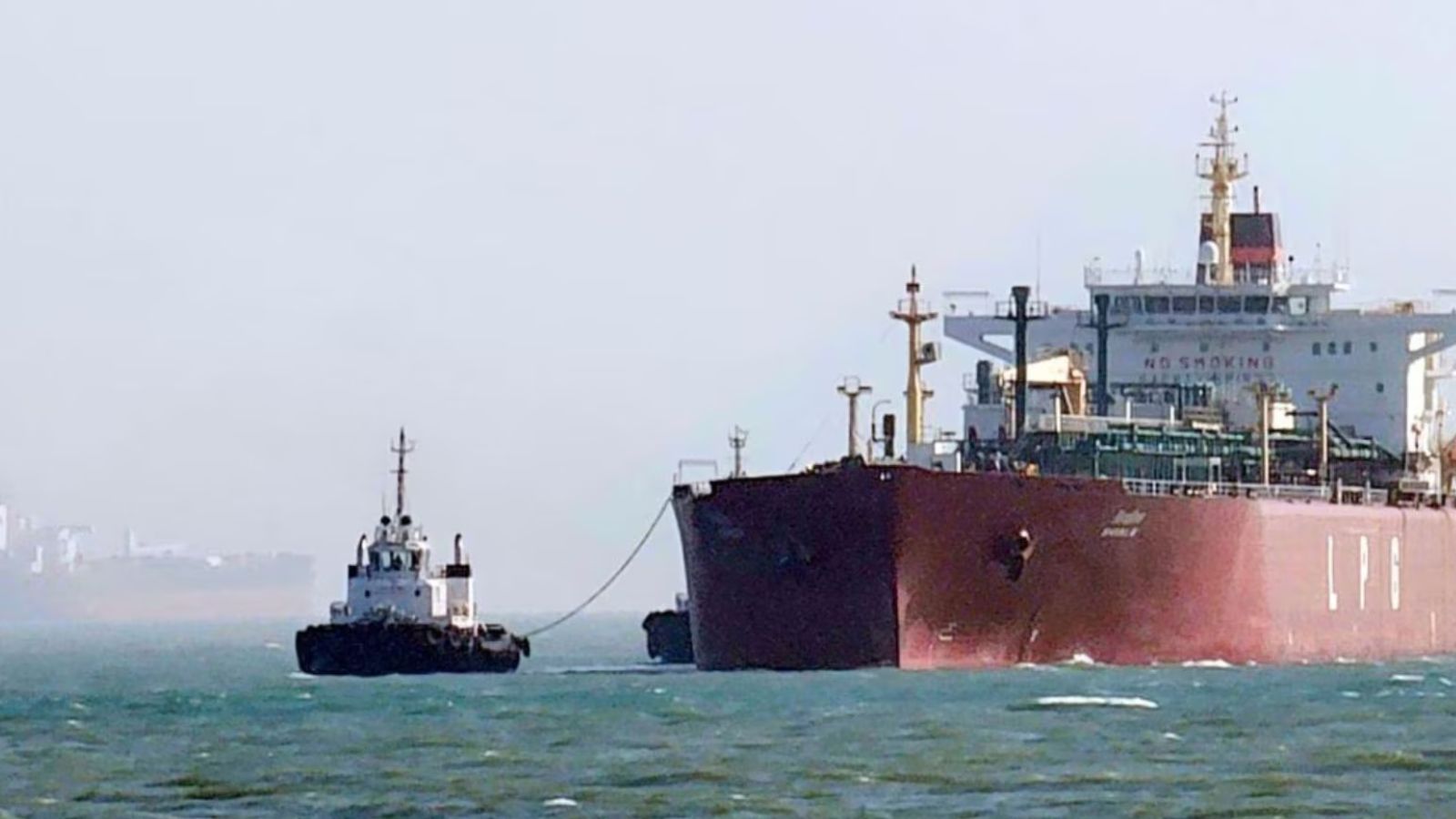
The MV Hondius, a Dutch-flagged ship, left the southern Argentinian port of Ushuaia, the starting point for the majority of Antarctic cruises, on April 1 to return to Europe. It had passengers and crew members from over 20 countries. The passengers included an elderly Dutch couple, who had traveled in Chile and Argentina before boarding.
The man, 70 years old, was the first to die: He died on the ship on April 11. He’d complained initially of a fever, headache, and diarrhoea, which soon morphed into acute respiratory distress.
His body was taken off the ship at St. Helena, almost two weeks later, to be repatriated. He was accompanied by his wife. She fell ill shortly after leaving the ship, collapsing at an airport in Johannesburg, and died shortly after in a local health facility.
Meanwhile, on the ship, a British national had similar difficulties in breathing as the Dutchman. He was evacuated to an ICU in South Africa. On May 2, a German woman died on board the ship: She had been unwell for only five days. On the same day, tests conducted in South Africa confirmed a viral infection, from a virus called the hantavirus, in the British man. On May 4, tests confirmed such an infection in the German woman.
This virus, which causes fever, fatigue, nausea, and breathing difficulty, is typically contracted through contact with rodent droppings and urine. Although infections are rare, the fatality rate ranges between 30 and 50 per cent. The hantavirus strain involved in this outbreak, the Andes strain, is the only version of the virus known to be transmissible between humans. There is no known cure or vaccine.
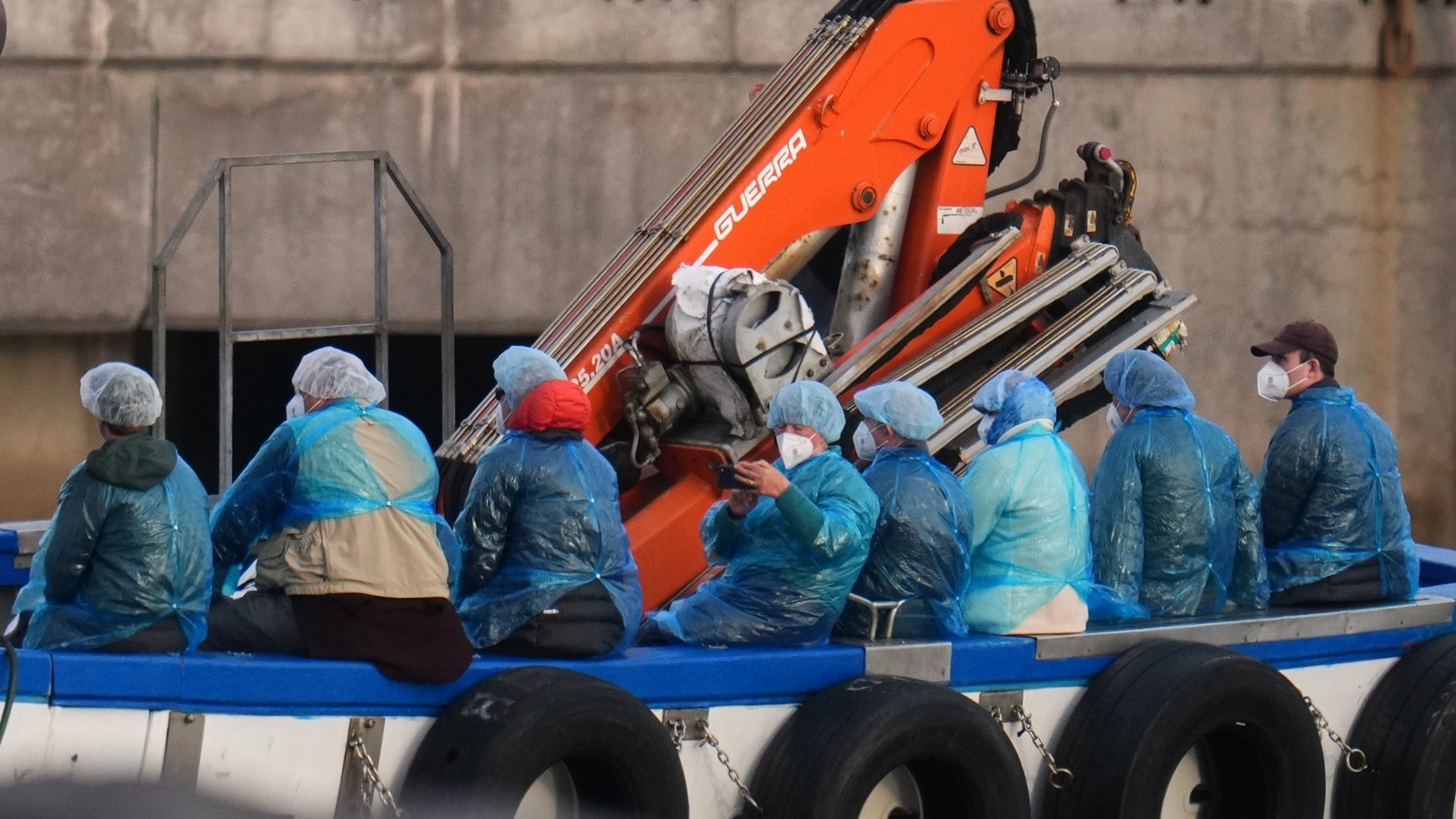
On May 3, the MV Hondius reached the vicinity of Cape Verde. Three passengers presented with high fever and/or gastrointestinal symptoms, including the doctor who had treated the first patient. On May 5, the Spanish Ministry of Health announced that it had agreed to allow the ship to travel to the Canary Islands. The Spanish ministry of health said, “Spain has a moral and legal obligation to assist these people, among whom are also several Spanish citizens”. The cruise ship is currently anchored in Tenerife in Spain’s Canary Islands, where its passengers are being evacuated and flown home.
What epidemiological lessons can we draw from the MV Hondius? First, international collaborations, communication and coordination remain crucial to global health, even as international health agencies come under increasing pressure. The US officially withdrew from the WHO in January 2026, terminating all funding and related in-kind support.
Technical cooperation and information sharing between US agencies such as the CDC, and the WHO, continue for the moment. But the American response also takes place in a background of severe cuts in US public health research infrastructure. Many grants focused on infectious diseases and pandemic preparedness have been cut in the US. Reinstating these, even if the government wanted to, will take time. And it deprives the world, at least at the official level, of the substantial experience that could be contributed by the US.
The strain of the hantavirus has been sequenced. It is known to vary from a sequenced strain from an outbreak dating to about a decade ago, where spread required prolonged in-person contact. These changes are a cause for worry, but it’s too early to speculate.
It is generally assumed that patients infected by the hantavirus will become infectious only once they begin to exhibit symptoms, but this might itself be incorrect. The WHO recommends strict isolation and quarantine of those who were traveling on the ship and tracking of those they may have contacted. The quarantine time indicated is six weeks.
In India, the National Centre for Disease Control and the Integrated Disease Surveillance Programme are authorities primarily charged with outbreak response. Not everyone will disembark in Tenerife: Some 30 crew members will stay on board to take the cruise ship back to the Netherlands. Whether the two Indians from the crew will be part of this group is unknown, but it is likely that they will be quarantined for the mandated period. There are no risks to India directly, an offshoot of the fact that outbreaks on ships are most easily prevented from spreading if handled correctly.
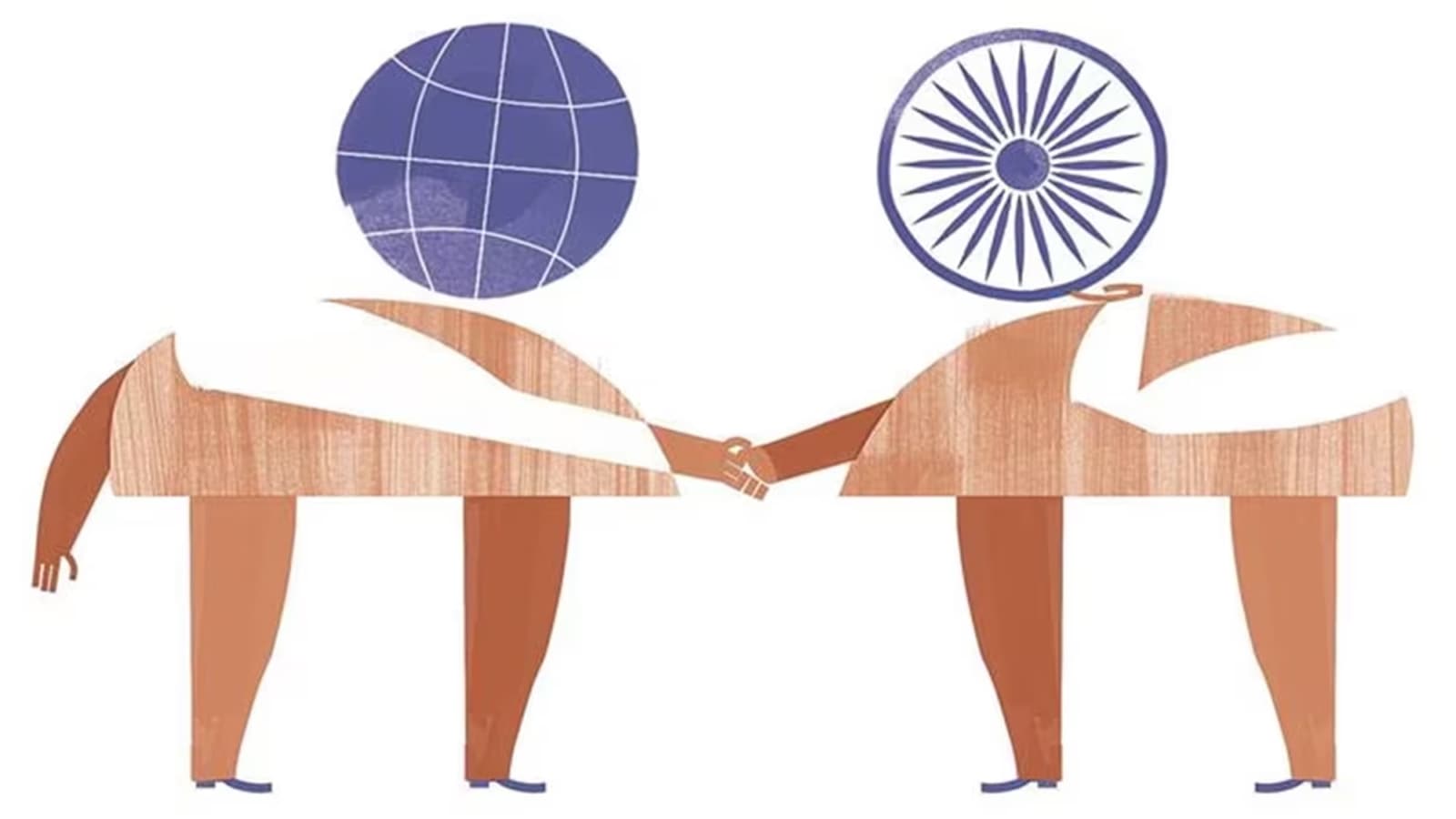
Outbreaks of infectious disease, such as the hantavirus, remind us that in an interconnected world, we cannot erect walls high enough to keep every such disease out. The way out lies in global cooperation, in transparency, and indeed for governments to fund global health agencies at the level they require to perform their essential roles. The US should not be our exemplar in this regard.
The writer is professor of Physics and Biology at Ashoka University. Views expressed are his own and do not represent those of his institution