

Global South is becoming another India-China arena
That India and China should function as ‘Global South anchors’, not power competitors, has now travelled from a retired PLA officer’s op-ed to Wang Yi’s talking points
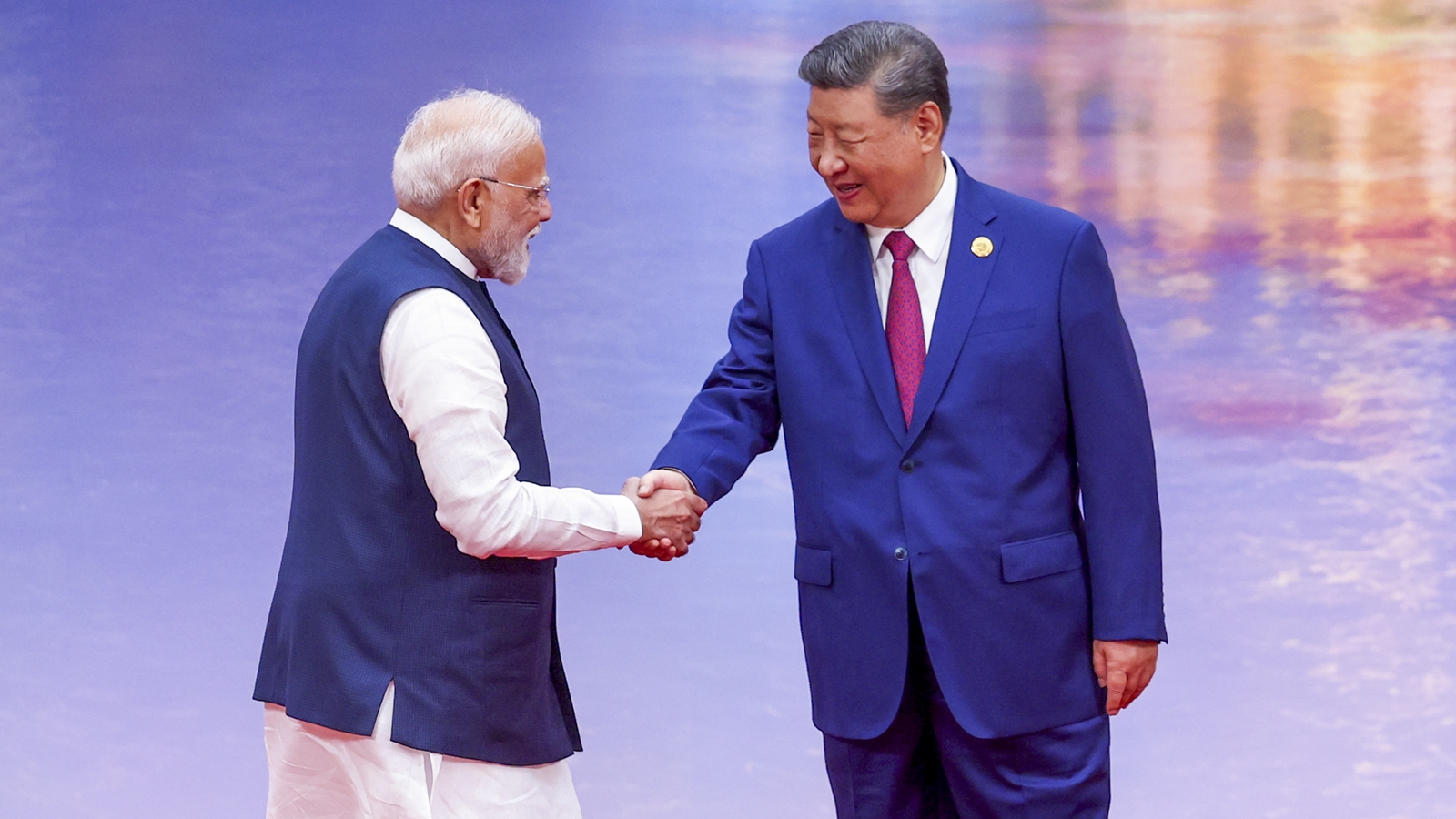
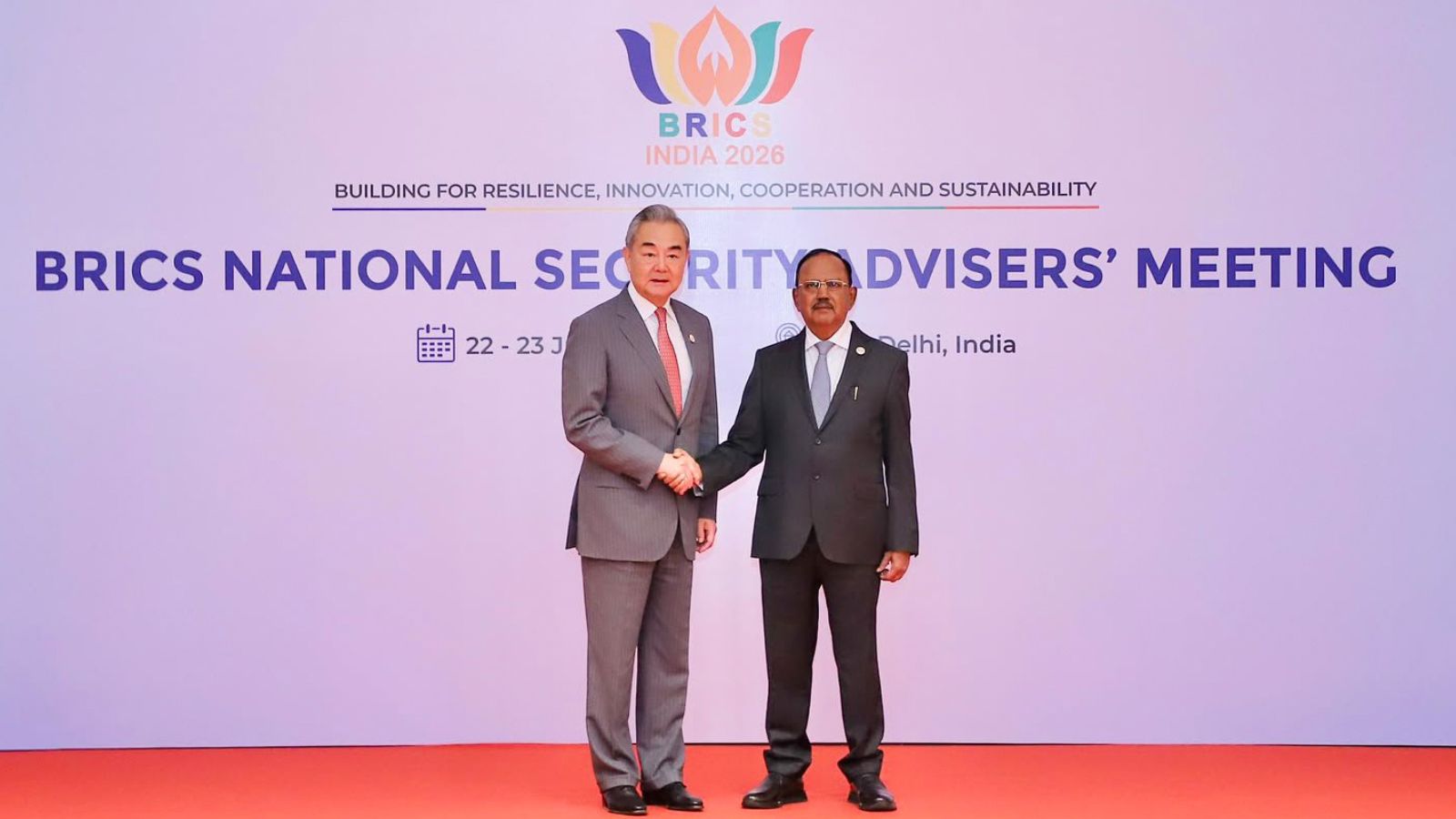
On June 22, NSA Ajit Doval met Chinese Foreign Minister Wang Yi on the sidelines of the 16th BRICS NSA meeting in New Delhi. The divergences in worldviews were hard to miss. Delhi spoke of “stable, predictable and constructive bilateral relations” and “gradual normalisation” since Galwan. Beijing, by contrast, scaled the same meeting up to a “Global South” moment: Wang declared that “the Global South, including China and India, is collectively rising”, and that the two countries must “accelerate the modernisation process of the Global South” together. Five days earlier, that exact vocabulary had been packaged into China’s new White Paper on global governance.
The White Paper articulates three approaches to the Global South. First is its revitalisation of an idea that a Global South that excludes China is a pseudo-proposition. Second is its emphasis on China’s “win-win” and “harmonious” approach to the perceived grouping. Third is its usurpation of Delhi’s preferred metaphor on acting as a bridge between the “Global North” and the “Global South”. Only, the White Paper frames it as China seeking to “synergise” North-South cooperation.
China has viewed India and the West as promoters of exclusive blocs that undermine its Global South identity. The White Paper’s most prominent thesis formalises that proposition — “China will always be a member of the Global South.” It contends that the monopolisation of international affairs by “a small number of countries” is no longer acceptable to Beijing, and so it will emerge as the force promoting inclusion and accessibility for the economies of this perceived grouping. India’s decision to conduct three “Voice of Global South Summits” without China’s participation has irked Beijing the most. It was right before the second summit that Global Times popularised the idea that such a summit without China was a pseudo-proposition.
Through the White Paper, Beijing attempts to set itself apart in its approach to the Global South by calling for “win-win cooperation,” pitting it against the West’s, or even India’s, “opportunism”. The example Chinese analysts like retired PLA officer Zhou Bo have cited is Delhi wrangling with Colombo to halt the docking of Chinese vessels at Sri Lanka’s ports. Zhou argued in 2024 that while India “forced [Sri Lanka’s] government to ban Chinese ships”, China welcomed it into BRICS and the SCO. In his conception, that India is an equal in BRICS, or that it acted in its national interest when dealing with Colombo, are unacceptable realities. Zhou also advanced the framing that India and China should function as “Global South anchors”, not power competitors. That has now travelled from a retired PLA officer’s op-ed to Wang Yi’s talking points. The precedent, however, as evident from Sri Lanka’s debt restructuring around Hambantota or the suspension of the BRI-financed CPEC’s signature projects under fiscal stress in Pakistan, does not reflect the conduct of the magnanimous actor that China presents itself as. Delhi’s goal should hence be not to compete with Beijing’s rhetoric word-for-word, but to showcase its empirical record in Global South fora.
The writer is staff research analyst, geostrategy programme, Takshashila Institution