

Gen Z didn’t ask for liberalisation. Now AI is making it worse
What happens when AI strengthens an economic model that has already failed millions of young Indians?
Written by Amir Hyder Khan
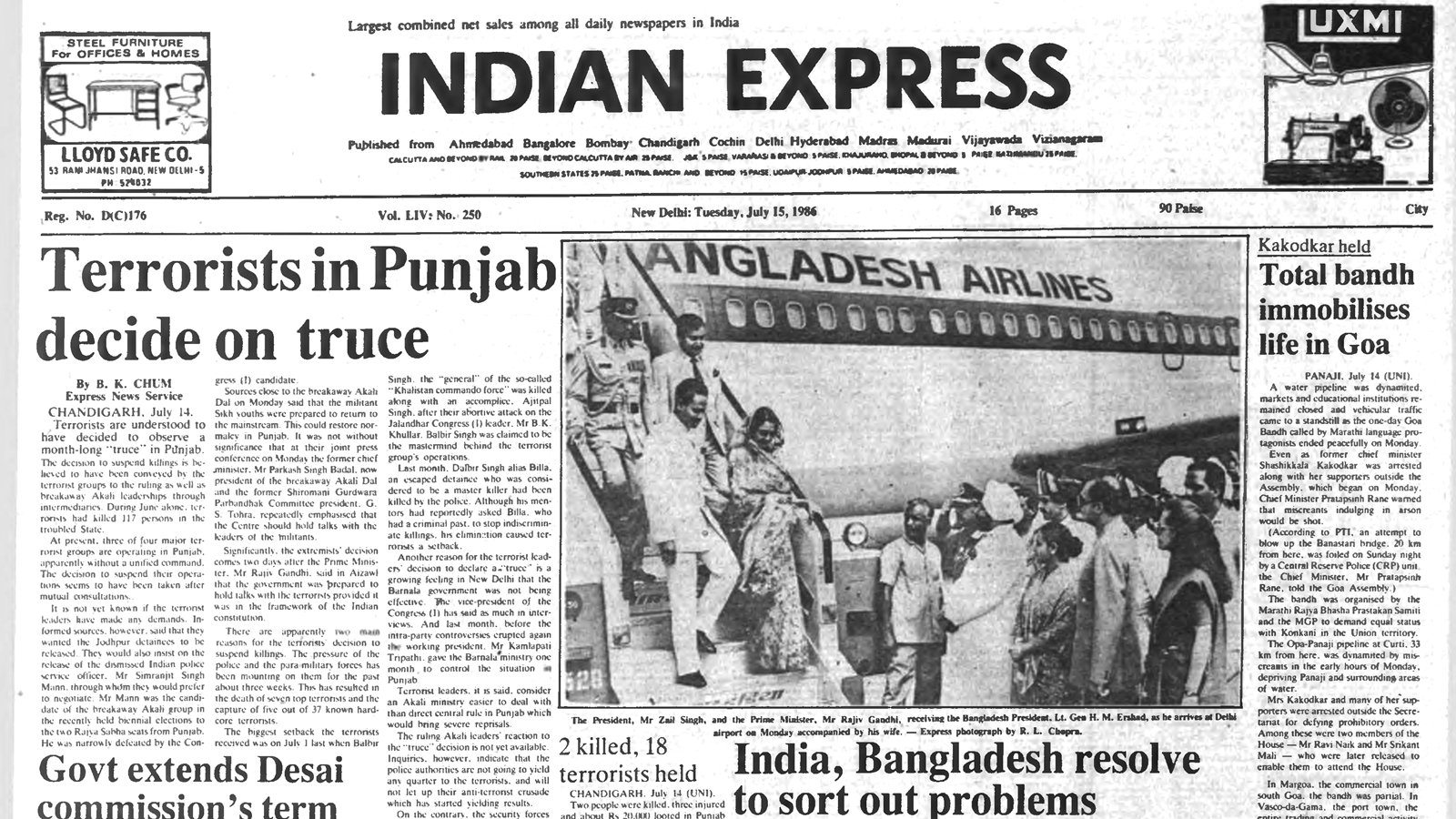
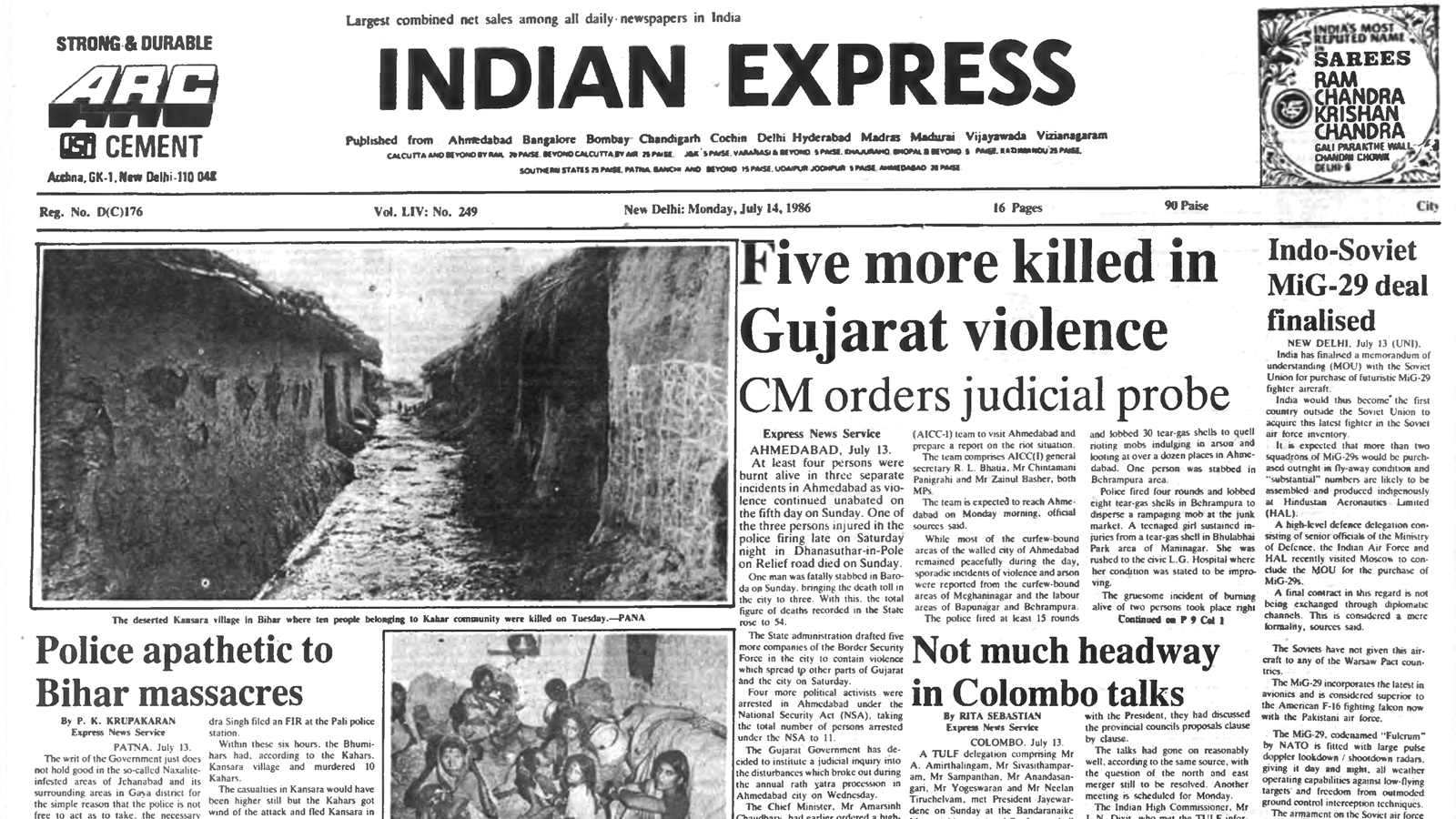
On July 24, 1991, Finance Minister Manmohan Singh announced India’s economic liberalisation, dismantling the Licence Raj that had shaped the economy for four decades. The reforms were presented as India’s path to prosperity — integrating the country into global markets, expanding opportunity, and reducing poverty. Thirty-five years later, as Generation Z enters the workforce, a difficult question emerges: What happens when AI strengthens an economic model that has already failed millions of young Indians?
The 1991 reforms initially delivered growth. Gen Z grew up with smartphones, global brands, and unprecedented connectivity, believing liberalisation would create opportunity and upward mobility. But by 2026, that promise has largely faded. Competition has given way to corporate concentration, stable employment has been replaced by precarious gig work, and AI now threatens to accelerate both trends.
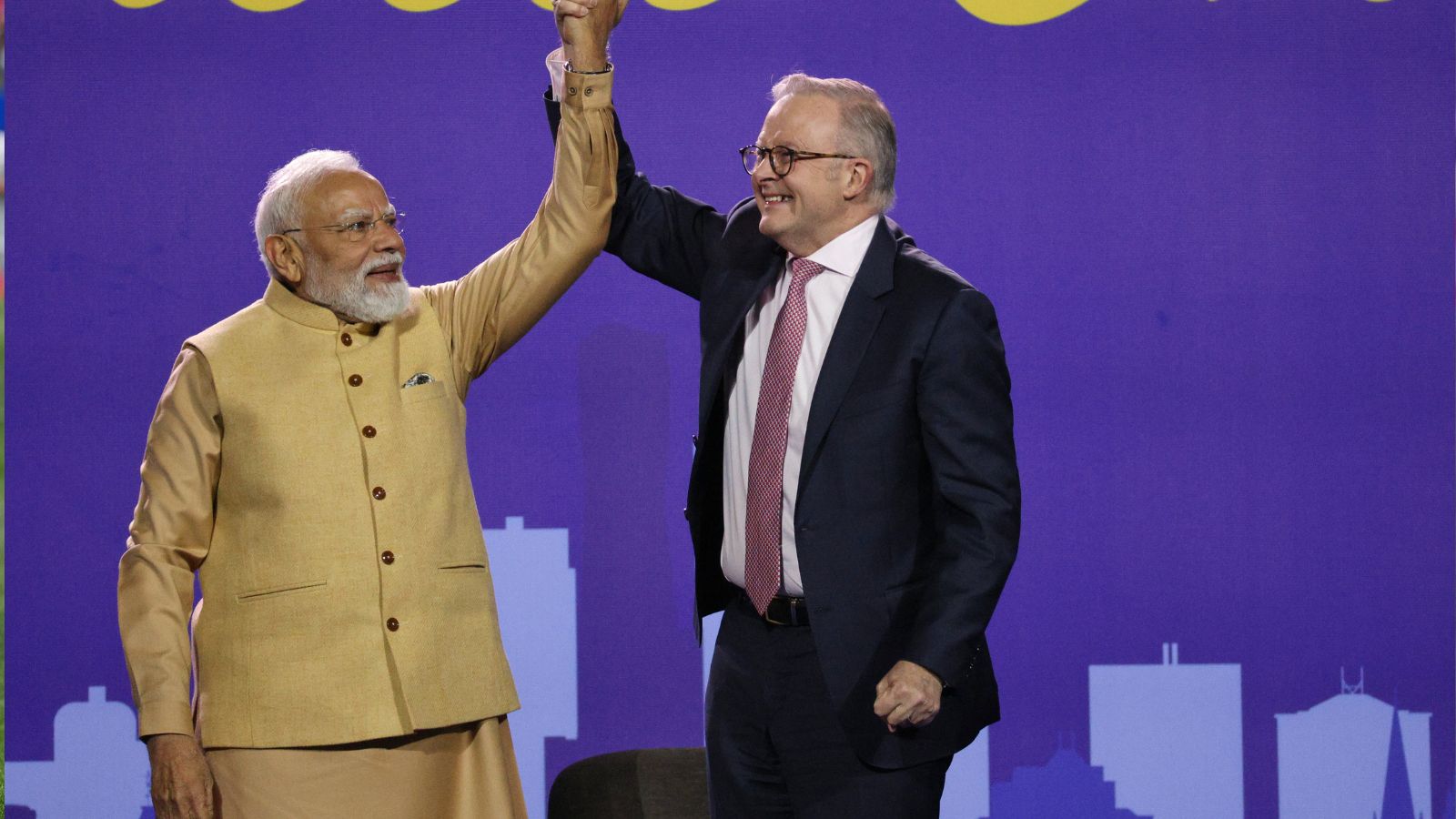
The problem is structural. India’s economy is increasingly dominated by a handful of conglomerates. Liberalisation promised competitive markets but produced concentrated economic power. The barriers to entry that once came from bureaucracy now arise from capital, technology, and market dominance.
This concentration matters because monopolies still depend on workers — people who could organise, bargain, and resist. AI changes that equation. Automation offers corporations something capitalism has always pursued: Production with fewer workers and greater control.
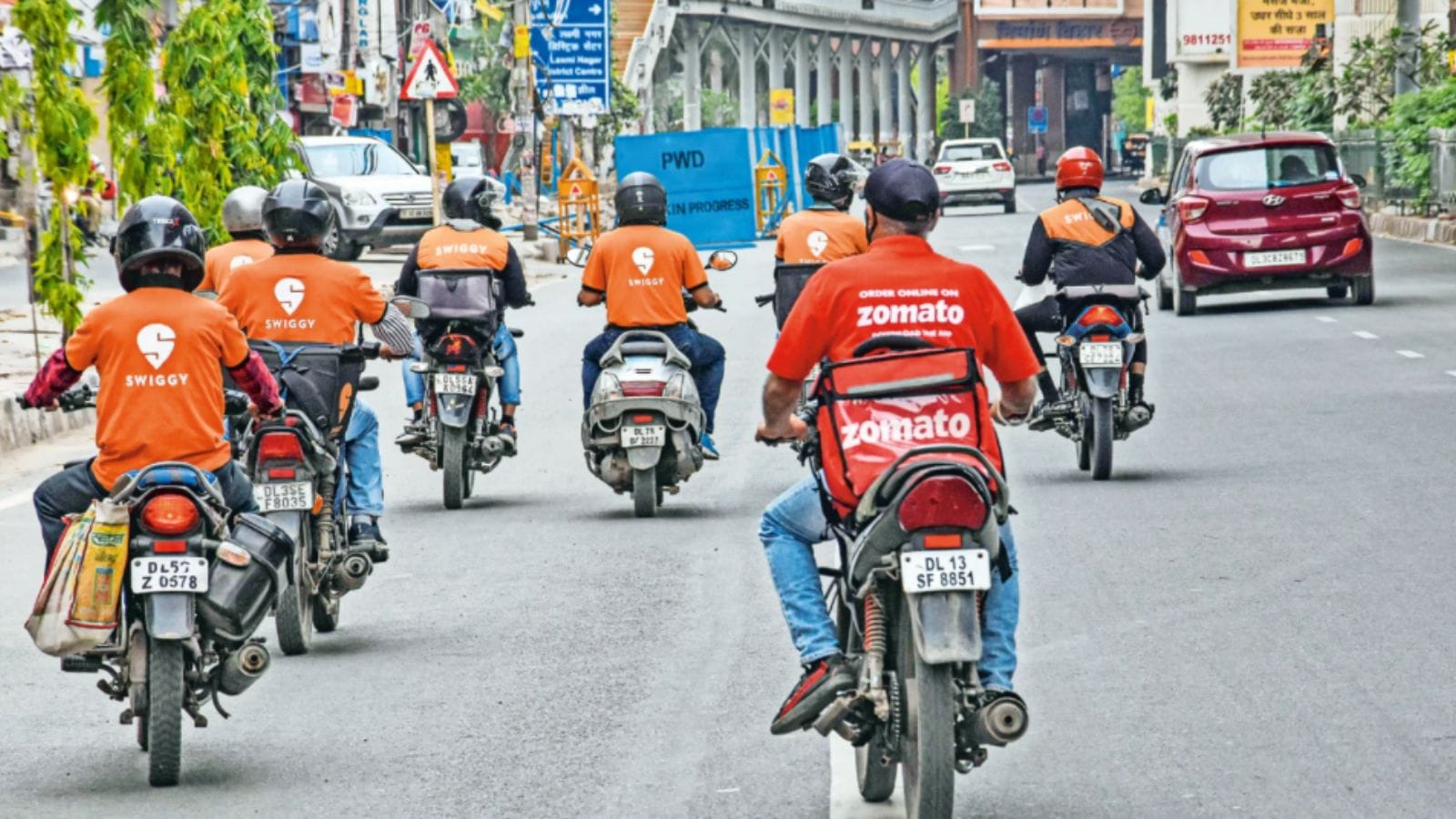
Employment illustrates this transformation most clearly. The generation entering the labour market in the 1990s benefited from expanding opportunities in information technology, manufacturing, and finance. Gen Z faces an entirely different landscape. Permanent employment has increasingly given way to contract work, platform labour, and algorithmic management. Delivery workers, ride-hailing drivers, warehouse staff, and freelancers carry the risks while corporations avoid employer responsibilities.
AI threatens to eliminate even these insecure jobs. Autonomous vehicles, warehouse robotics, AI-assisted software development, automated customer service, and intelligent accounting systems are already reducing demand for human labour. The sectors that once absorbed educated young Indians — including information technology and business services — are increasingly vulnerable to automation. Instead of careers, many young people now face algorithmic precarity: Decisions made by systems they cannot question and corporations they cannot hold accountable.
The consequences extend beyond employment. Liberalisation promised broad-based prosperity but instead produced a sharply unequal economy. A small corporate elite enjoys enormous wealth while much of the middle class faces stagnating wages, rising education costs, and diminishing economic security. Degrees and professional qualifications no longer guarantee stable employment.
The challenge is no longer simply regulating markets. Advanced AI systems require enormous computational resources that only the largest corporations can afford. Smaller firms struggle to compete, further entrenching monopoly power. At the same time, every search, purchase, location, and online interaction becomes data to be analysed, monetised, and used to shape consumer behaviour. The promise of greater choice is increasingly being lost to the algorithm.
This raises a more fundamental question: Can capitalism, even in its competitive form, distribute the benefits of AI fairly? The evidence so far suggests otherwise. Liberalisation replaced bureaucratic control with corporate control. AI now threatens to make that control even more comprehensive.
India therefore needs a fundamentally different approach.
First, AI infrastructure should be treated as a public utility. Just as electricity, water, and transport serve public purposes, advanced AI systems should be developed and governed in the public interest. Critical applications in healthcare, education, agriculture, climate research, and public administration should not depend entirely on corporate platforms driven by shareholder profit.
Second, the gains from automation should belong to workers rather than capital alone. Worker-owned cooperatives and democratically governed enterprises can ensure that rising productivity translates into shorter working hours, better wages, and improved living standards instead of unemployment and concentrated profits. Automation should liberate people from repetitive labour, not deprive them of economic security.
Third, India must expand universal basic services. As AI reshapes labour markets, access to healthcare, education, housing, transportation, and food cannot remain dependent solely on employment. A modern welfare state capable of guaranteeing these essentials would reduce the vulnerability created by technological displacement.
These measures require more than policy adjustments; they demand ideological change. For decades, India’s political consensus has treated markets as the only path to development. AI exposes the limits of that consensus. Left politics cannot simply defend the existing public sector but must articulate a democratic socialist vision for an AI-driven economy — one in which technology serves society rather than concentrated capital.
In 1991, India chose markets over planning. That decision shaped the world Gen Z inherited. Today, AI presents another historic choice. The political establishment will argue that corporate-led AI is inevitable and that workers must simply adapt. But technology is never inevitable. Its ownership, governance, and purpose are political choices.
India can allow AI to strengthen monopolies, automate insecurity, and deepen inequality. Or it can build publicly governed AI systems, socialise the gains of automation, and ensure technological progress serves collective welfare rather than private accumulation.
This is not simply an economic debate. It is a question of who will control the technologies shaping the twenty-first century — and whether those technologies will expand human freedom or consolidate corporate power.
The writer is a researcher in urban planning focusing on labour, housing, and the political economy of contemporary Indian cities