

From Gaza to Minab: What the missile strike on an Iranian girls’ school reveals about modern conflict
When the classroom becomes a target, the violence is not just physical—it is an administrative outcome designed to dismantle the social reproduction of a community
By Himadri Sekhar Mistri
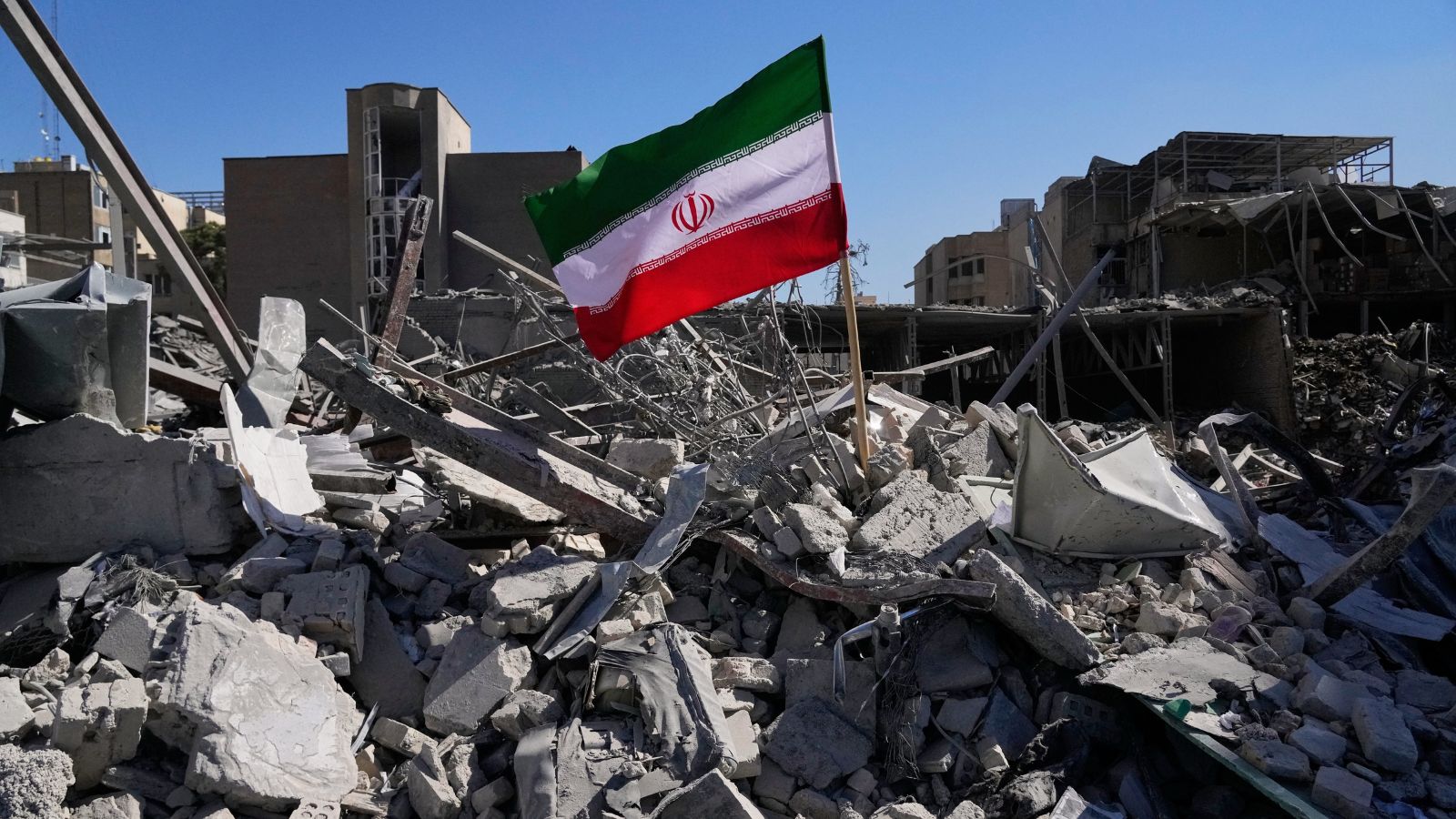
I had been staring at a photograph for three days. It was taken in the town of Minab in the south of Iran that morning, February 28, 2026. A rescue worker is searching in the rubble of a collapsed wall. The wall behind him is painted with murals: A crayon, an apple, and a smiling sun. The building was a primary school for girls, named Shajareh Tayyebeh. In Persian, that means The Good Tree.
By the time search operations ended (March 1), Iranian authorities had counted 168 dead. Most of them were girls aged seven to 12. The school had been hit three times in succession on a Saturday morning, the first day of the Iranian school week, when more than 250 students had just settled down in their classrooms. A mother who had dropped her son off minutes before the strike told reporters: When we arrived, the entire school had caved in on the children.
As a student of conflict and violence, we learn to look behind the individual event towards the structure below. The incident in Minab is not an isolated tragedy but rather a pattern with a long and documented history. In Gaza, since October 2023, 778 out of 815 schools of all kinds have been damaged or fully destroyed, according to a report by the European Training Foundation. The United Nations has documented more than a thousand people killed inside UNRWA schools converted into civilian shelters. In each case, denial followed destruction, investigation followed denial, and silence followed investigation.
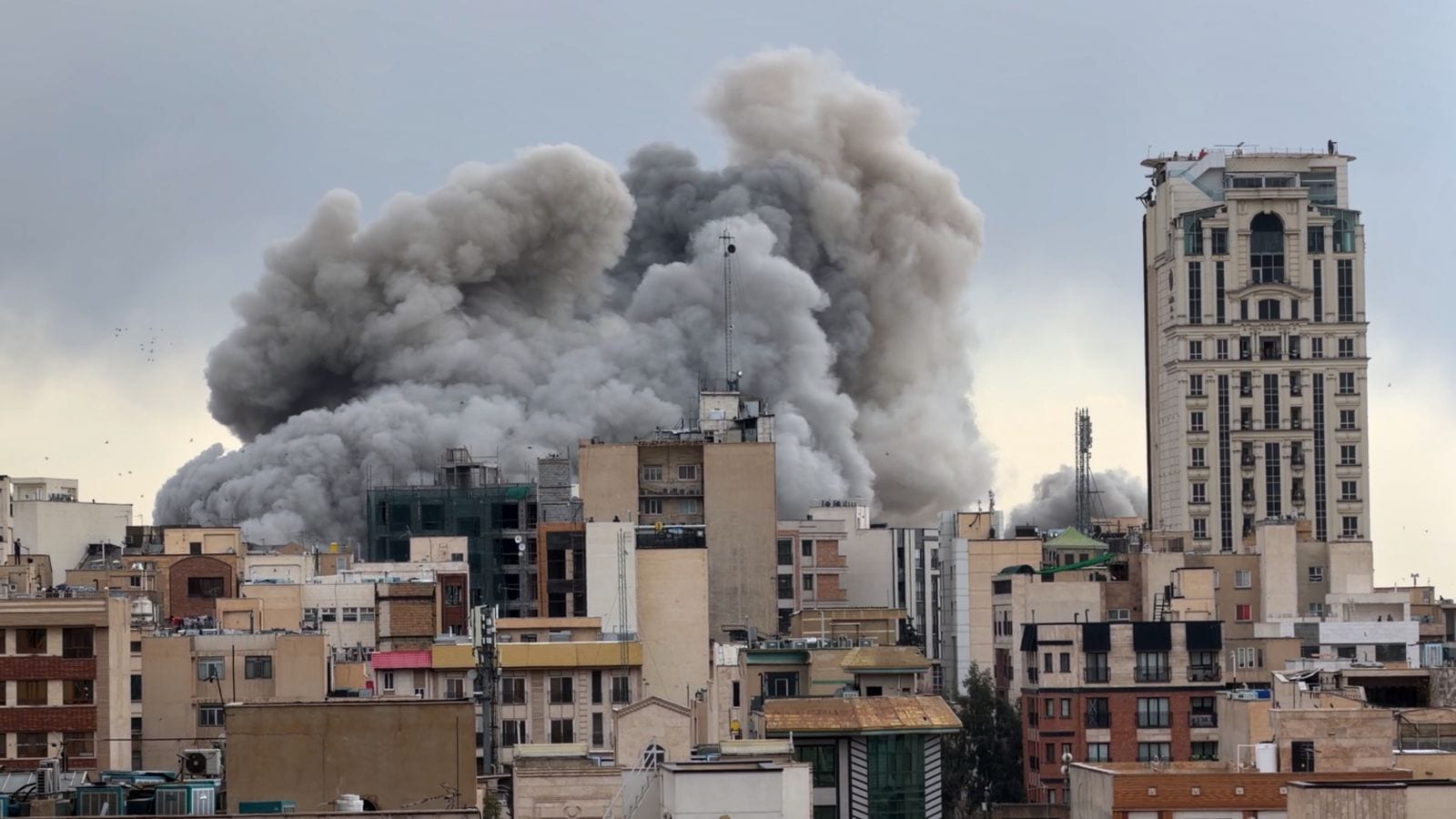
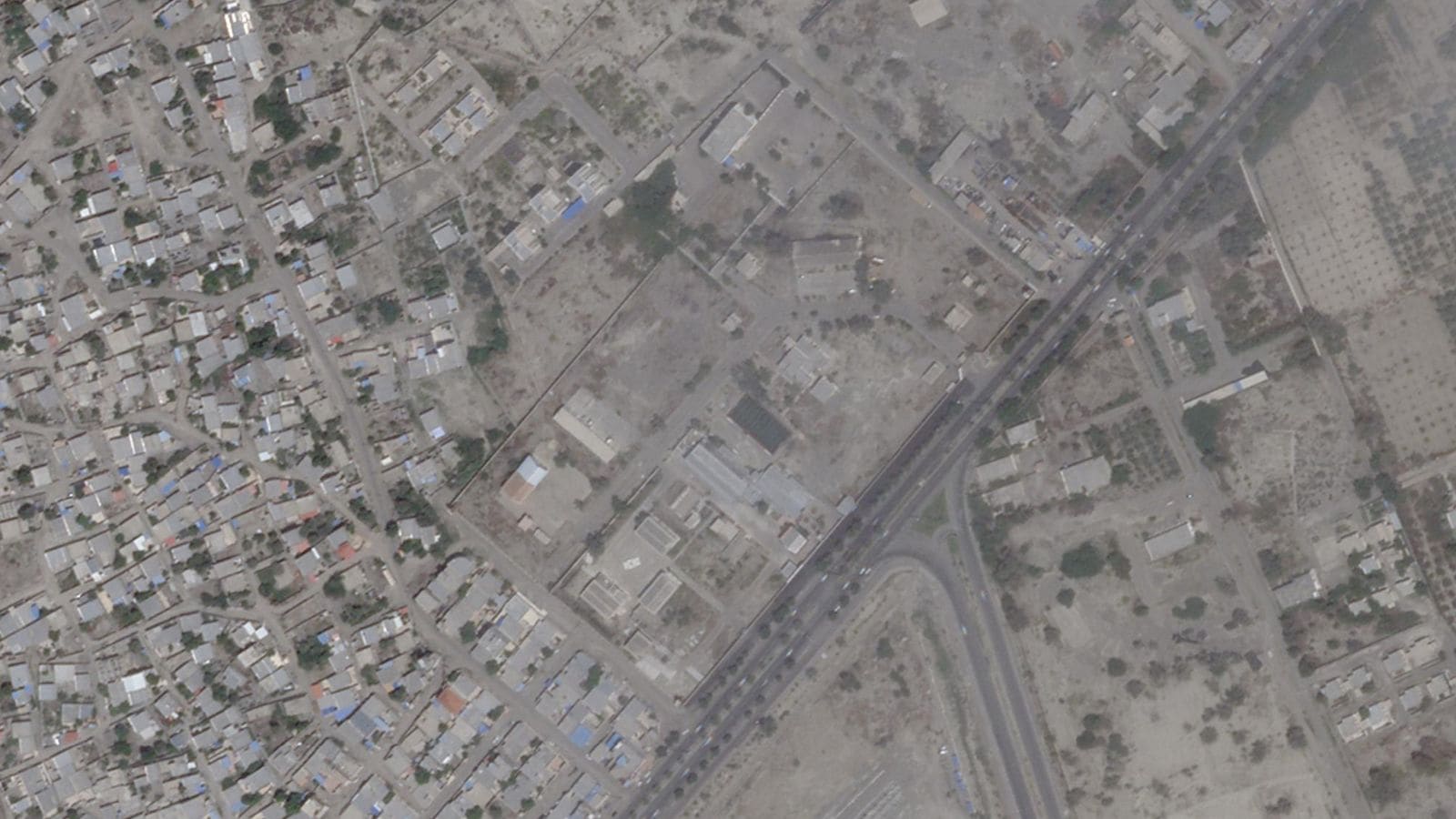
The US and Israeli militaries, which launched hundreds of strikes inside Iran on February 28 as part of what the Pentagon called Operation Epic Fury, have both refused to claim responsibility for Minab. The Washington Post, using satellite imagery and expertise, has ruled that the strike was, in all likelihood, an American one. Human Rights Watch could not discern the use of this school for military purposes and said the attack must be investigated as a war crime.
This script plays out thus: Strike, denial, condemnation, silence. We have rehearsed it so many times that it has acquired the false comfort of inevitability.
The philosopher Achille Mbembe gave us the concept of necropolitics to describe a particular exercise of sovereign power. It is not the power to kill outright, but the power to organise the conditions of life in a way that death and diminishment become administrative outcomes and not deliberate acts. This distinction is important because the grammar of deniability can be explained by the distinction.
No single order to bomb a school full of kids has to be made. What is needed, instead, is a targeting logic that defines education infrastructure as militarily relevant, a rules of engagement framework that could allow striking within some proximity of civilian buildings, and an accountability architecture to move slowly enough that there are no consequences before the next strike takes place.
What occurred in the case of the Shajareh Tayyebeh school is, therefore, from a sociological point of view, the continuation of siege logic no longer in the territory but in the social reproduction itself. The school does not just refer to a building. When that space is destroyed, not only is the violence physical. It is temporal. It reaches forward.
A seven-year-old who survives a strike on her school doesn’t resume her education once the rubble is cleared. The classroom has been imprinted in her nervous system and in the memory of her community as a place of the dangers of death. That transformation is in itself a weapon, and outlives any ceasefire.
At this point, I should be cautious about a claim that I am not making. I am not arguing a moral equivalency between all the parties to these conflicts. The political and military situations of Gaza and Iran have important differences, and those differences are important. What I am suggesting here is more limited, and that there is a pattern in all these conflicts of systematically targeting educational infrastructure, and that is not seriously challenged.
The hardest thing to sustain is not outrage. It is a willingness to be able to see what a pattern of evidence really suggests and to say it clearly without flinching into euphemism. What we have seen in the evidence, from Gaza to Minab, is that the school has been turned into a target. This systematic destruction of civilian space, the siege of futurity itself, will determine whether the accountability we demand is equal to the violence we are describing.
The Good Tree has been felled. The question now is whether or not the international community, and we as its citizens, will allow the silence that follows to become permission for the next.
The writer is a researcher at the Centre for the Study of Social Systems (CSSS), JNU, and works on conflict, social movements, and political violence