

From the Opinions Editor: Foreign capital flows trickle back in, but fresh headwinds are buffeting the economy
The Indian currency has once again come under pressure. There is also uncertainty over the monsoon and El Nino
Dear Express reader,
Over the last few weeks, there have been some signs of foreign capital flows trickling back in. In July, foreign portfolio investors have so far poured in $1.5 billion in the equity markets, reversing the trend of massive capital outflows witnessed in the months before. Last week, the RBI also disclosed that after the measures it had announced to boost capital flows, so far, $17.4 billion had been mopped up through the FCNR(B) route, and another $3.3 through other channels. In April and May, net FDI stood at $6.5 billion, as compared to $2.4 billion over the same period last year. Not only are gross FDI inflows higher, but so far, repatriation is lower than last year. These are encouraging signs. Yet, at the same time, concerns are also mounting. Fresh headwinds are buffeting the economy.
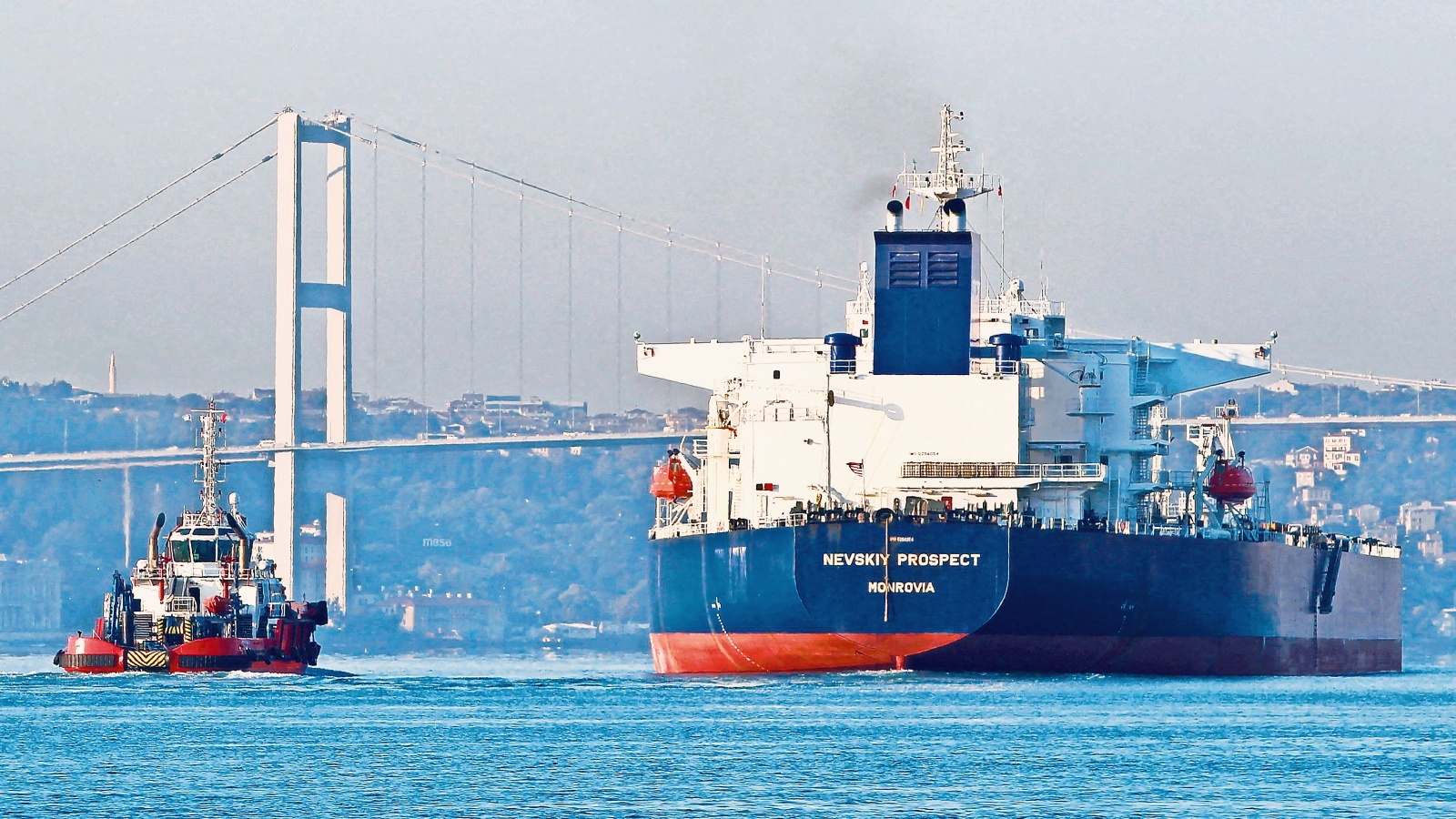
Global crude oil prices have edged upwards, hitting $100 as the conflict of West Asia has reignited concerns over energy supplies. With the Houthis in Yemen attacking oil tankers in the Red Sea, the theatre of conflict has expanded. After the Strait of Hormuz, now cargo movement through the Bab al-Mandab strait is at risk. The renewed conflict comes at a time when oil inventories are depleting. The combination of higher energy costs and possible constraints on supplies will have consequences for India at multiple levels.
India’s crude oil basket, which had fallen from $114.48 per barrel in April to $83.22 in June, has now edged up to $103.33 per barrel as on July 23. If global crude oil prices are sustained at these levels, the economy will feel the pain. Inflationary pressures will mount, though whether prices at the pump are raised will depend on the capacity of the oil companies and the government to absorb the price shock. The current account will also come under stress, financing which has been challenging.
In recent weeks, the Indian currency has once again come under pressure. While the rupee had recovered after the steep fall in May, it has once again begun to test those levels, ending Friday at 96.53 against the dollar. The US dollar index — which measures the strength of the greenback against a basket of six currencies — is strengthening. The Indian currency’s weakness, however, predates the conflict in West Asia, raising questions over the country’s growth prospects.
There is also uncertainty over the monsoon season and El Nino to contend with. Some believe that both kharif and rabi prospects don’t seem great this year. A poor crop will have a bearing on food prices. Food inflation is already inching upwards — the consumer food price index stood at 5.32 per cent in June. Price pressures seem to be building up. The next meeting of the RBI’s monetary policy committee, scheduled in early August, will shed light on the central bank’s expectations of the trajectory of inflation — where food and fuel play a critical role — and interest rates.
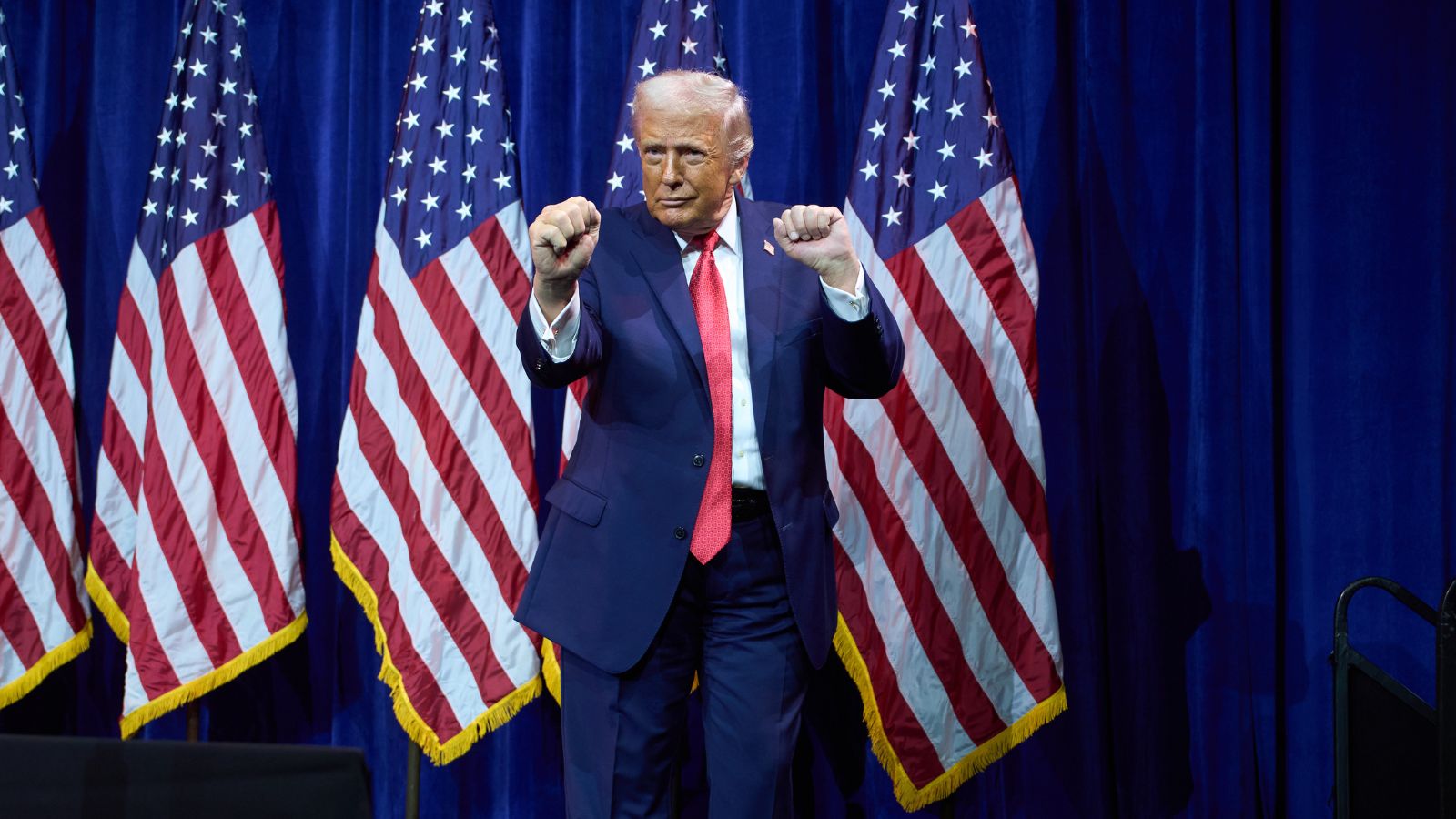
And then there is the tariff issue. Last week the US imposed a 10 per cent tariff on India, following the USTR’s Section 301 investigation. India falls in the category of countries like Bangladesh, Canada, Mexico, UK and Malaysia on whom a 10 per cent tariff has been levied. Other countries such as Vietnam, Turkey and Australia face a slightly higher rate of 12.5 per cent. This, however, may not be the end of the country’s tariff challenge. US President Donald Trump has also unveiled a phased tariff plan for imported generic medicines — 100 per cent after two years and 200 per cent thereafter. Further, the outcome of another investigation by the USTR into excess manufacturing capacity is also awaited. This investigation targets 16 countries including India, China, EU, and Vietnam. While it remains to be seen whether this investigation also proposes the levy of additional tariffs, it does seem that tariffs will remain an internal part of Trump’s economic strategy.
All this makes for a challenging environment, navigating which will require coordinated action from policy makers.
Till next time,
Ishan
Recommended readings:
Kanti Bajpai: “India has ridden out crisis of Iran war, but a much bigger challenge is upon it”
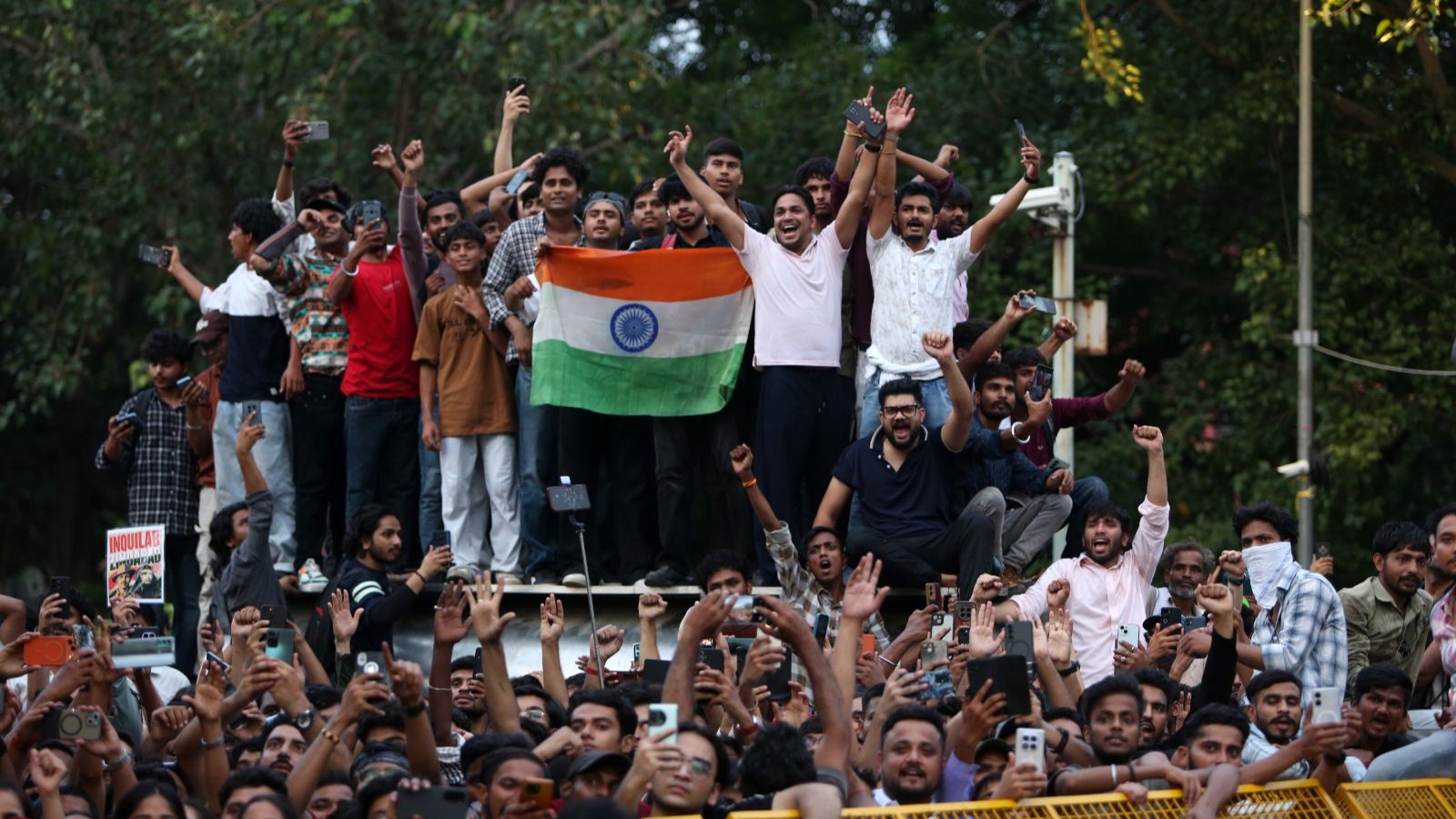
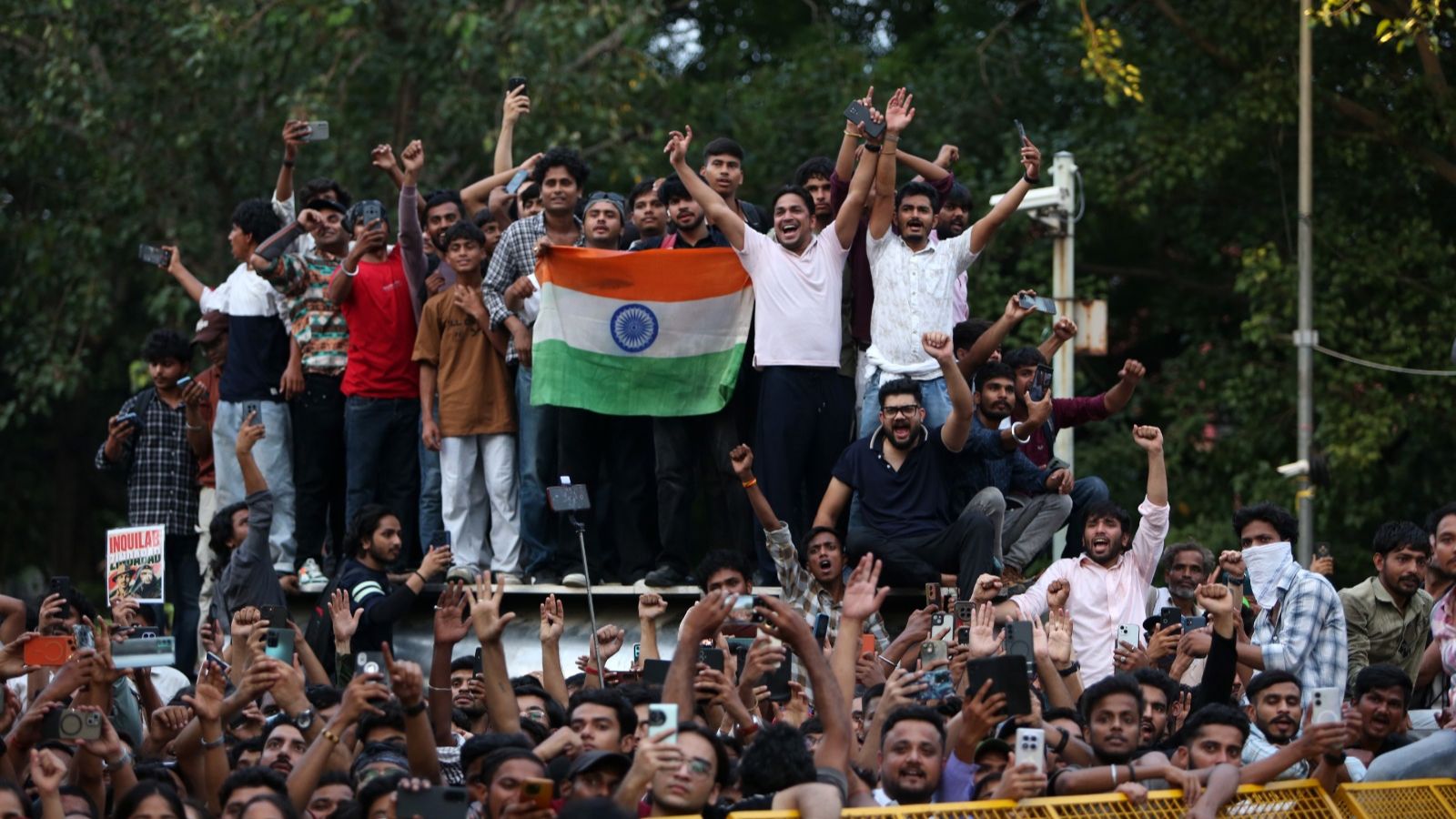
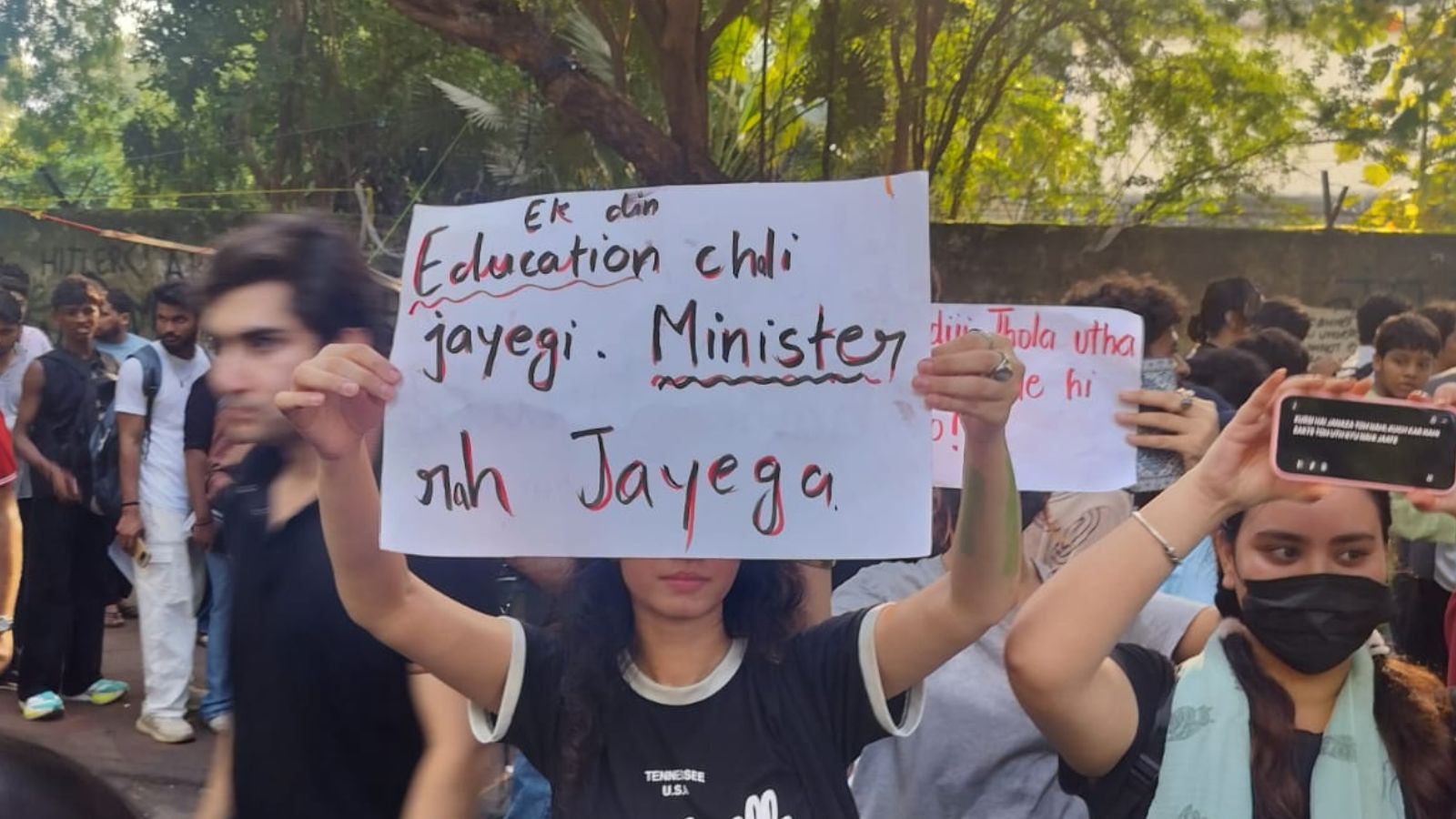
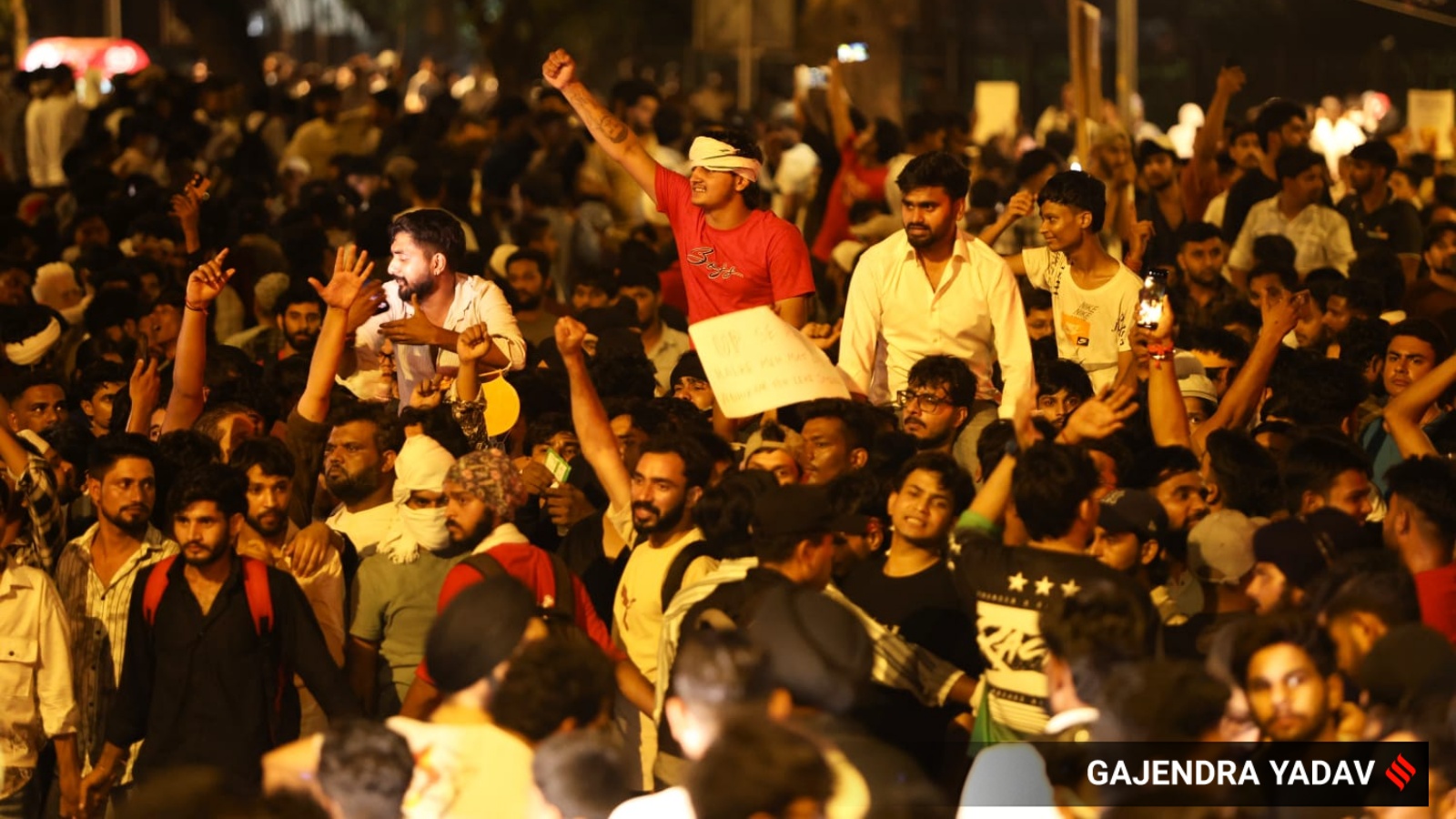
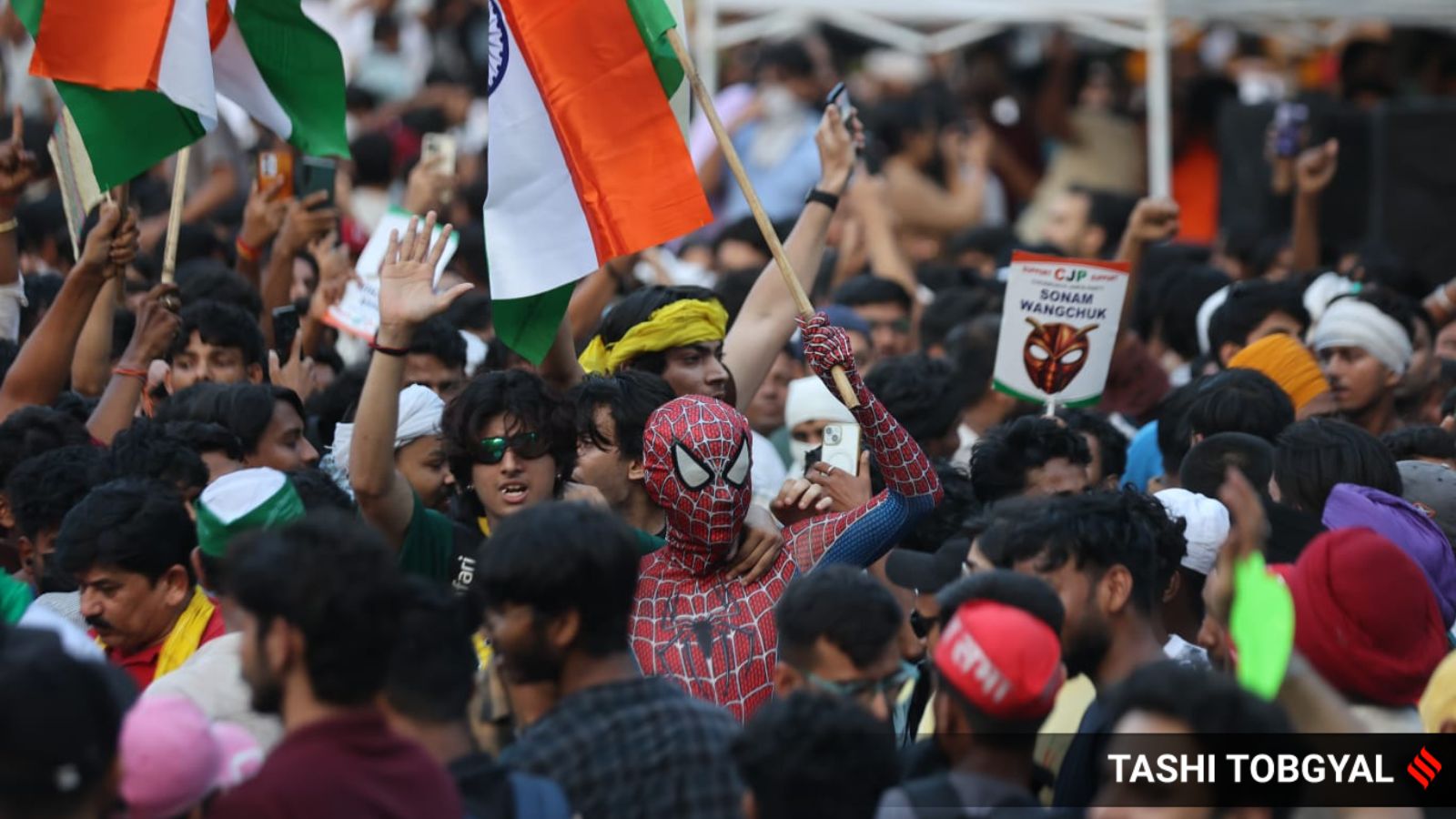
Yogendra Yadav: “I was part of the protest march in Delhi, saw democratic politics take a new turn”
Mihir Vasavda: “Football wasn’t the main character in this World Cup, but Spain’s victory was poetic”
Gitanjali Angmo: “In Sonam, I do not see a protestor. I see an educator being pulled away from his work”
Ashok Gulati and Sulakshana Rao: “India once dominated textile trade. It needs institutions to make a mark again”