

For India, a nuclear breakthrough amid energy concerns
The FBRs will run on mixed oxide fuel made from uranium-238 and plutonium-239 recovered through reprocessing of the spent fuel. They would not only multiply the potential of India’s nuclear power programme but also ensure waste management, an issue of concern for nuclear power programmes
On April 6, India announced the much-awaited criticality of the Prototype Fast Breeder Reactor (PFBR). The reactor fuel can now sustain a fission chain reaction. In the works since 2004, the milestone has been achieved due to the hard work and perseverance of the scientists and engineers of India’s nuclear establishment, as also by the resolute faith in a three-stage civil nuclear programme shown by all prime ministers since 1958.
That year, Homi Bhabha and N B Prasad presented a paper at the Second UN Conference on the Peaceful Uses of Atomic Energy, which outlined a sustainable nuclear energy programme for India. Aware of the country’s limited uranium reserves, they envisaged increasing the country’s fissile material inventory through fast breeder reactors (FBRs) that would eventually enable the utilisation of the domestically available thorium, estimated to be 25 per cent of the global reserves.
The brilliance of this plan lay in making use of the “waste” or spent fuel of every stage as fuel for the next one. So, the FBRs will run on mixed oxide fuel made from uranium-238, and plutonium-239 recovered through reprocessing of the spent fuel of the pressurised heavy water reactor (PHWR) of the first stage. In the FBR, plutonium-239 would undergo fission to generate energy, while uranium-238 would transmute into additional plutonium-239, enabling the process of breeding. In doing so, this stage would not only multiply the potential of India’s nuclear power programme but also ensure waste management, an issue of concern for nuclear power programmes.
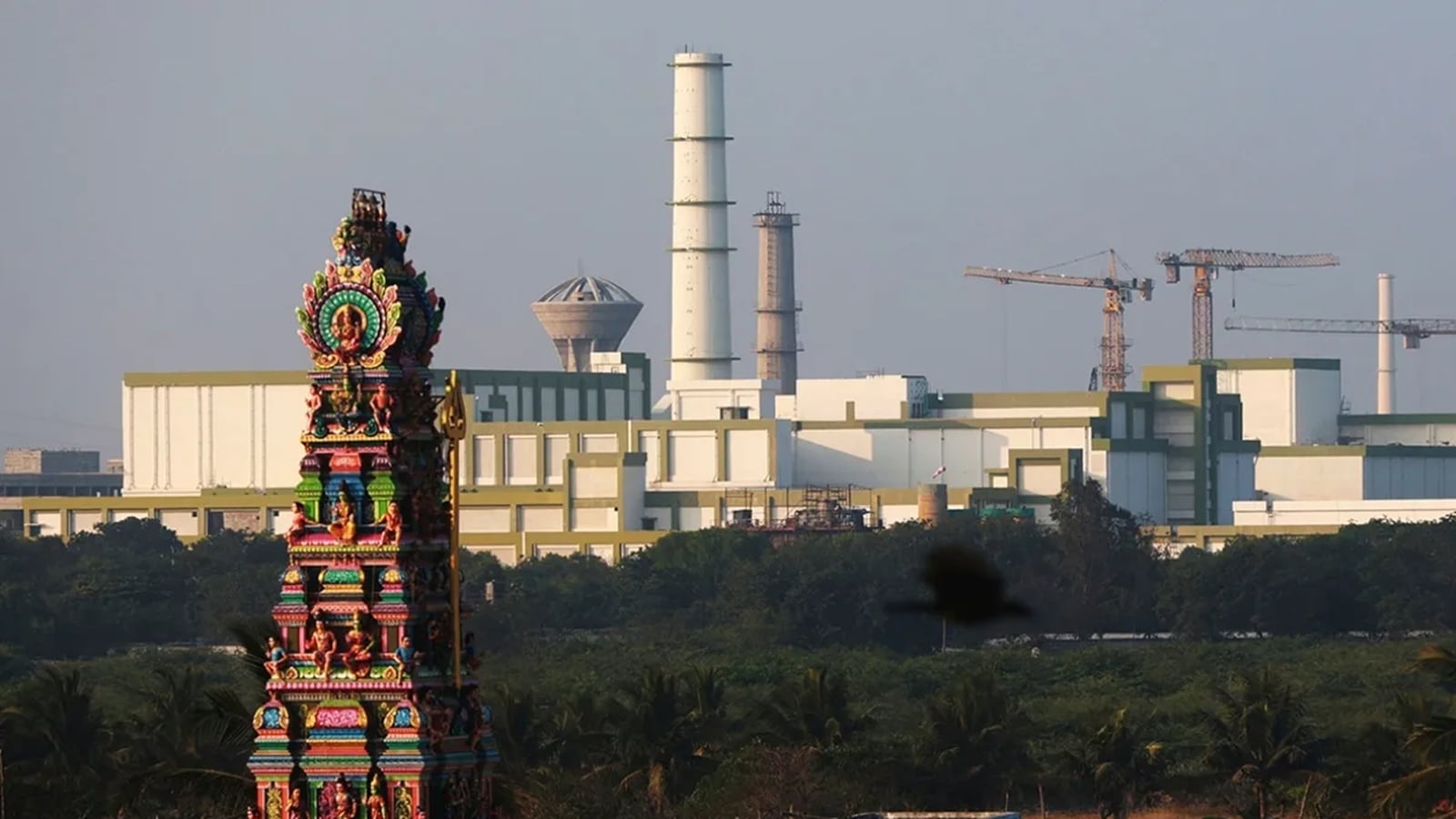
India’s PFBR is a 500 MWe sodium-cooled FBR, designed by the Indira Gandhi Centre for Atomic Research and built by BHAVINI (Bhartiya Nabhikiya Vidyut Niga). During the Indo-US nuclear deal negotiations, there was a demand to place the PFBR in the list of facilities being opened to International Atomic Energy Agency inspections. But the Department of Atomic Energy insisted on retaining freedom of management of the reactor and safeguarding the home-grown design. The project was to be completed by 2010. However, the technological complexity of this first-of-its-kind nuclear reactor in which liquid sodium circulates at high temperatures to transfer heat, not unexpectedly, faced repeated technical glitches and was rightly subjected to stringent regulatory oversight. This caused time delays and significant cost overruns, issues that were flagged by the Parliamentary Committee on Science and Technology only a couple of days before the milestone was achieved.
India’s over-cautious approach was influenced by the fact that many advanced countries, such as France and Japan, had given up this technology after suffering accidents. While they could afford to do so given their ability to freely source uranium, India did not have this luxury till the Indo-US deal opened the international uranium market in 2008. Yet, the country persisted with the PFBR to ensure that the dependency on uranium imports could eventually be replaced with thorium utilisation. The PFBR’s criticality comes when the ongoing conflict in West Asia has led to renewed focus on energy security. While India has scrambled to address the immediate concerns, the imperative of finding long-term energy security requires enhanced contribution from nuclear energy.
The government has announced a target of 100 GW of nuclear electricity by 2047. The SHANTI Act opens the door to the private sector. Indigenously designed 700 MWe PHWRs are in fleet construction mode, while small modular reactors are expected within a decade. Once operational, the PFBR will add a stream of electricity generation and provide experience to build more commercially viable FBRs.
However, this optimism must be tempered by the challenges. The nuclear sector deals with dual-use materials and technologies that require strict regulation to ensure safety and security. As India expands across multiple nuclear pathways and includes private players, all stakeholders must remain mindful of the sensitivity of these materials. Any lapse could undermine the entire programme. Conversely, India’s success could boost prospects for the global nuclear industry. Its progress, including on the road less travelled of FBRs, will be closely watched.
The writer is distinguished fellow, CAPSS