

A not-so-distant energy crisis in the Indo-Pacific
Japan has already started tapping its strategic oil reserves. South Korea has increased nuclear plant utilisation above 80 per cent and scrapped seasonal caps on coal power
For much of the last decade, the “Indo-Pacific” has been discussed as though its defining pressures lie almost entirely to its east: The Taiwan Strait, the South China Sea, the Korean Peninsula, and the uncertain future of American power in East Asia. But the ongoing war in West Asia is a reminder that the Indo-Pacific is not insulated from instability to its west but deeply bound to it. The energy that powers Asian economies and the shipping lanes that sustain industrial production all run through the Gulf. The current crisis has made that interdependence impossible to ignore.
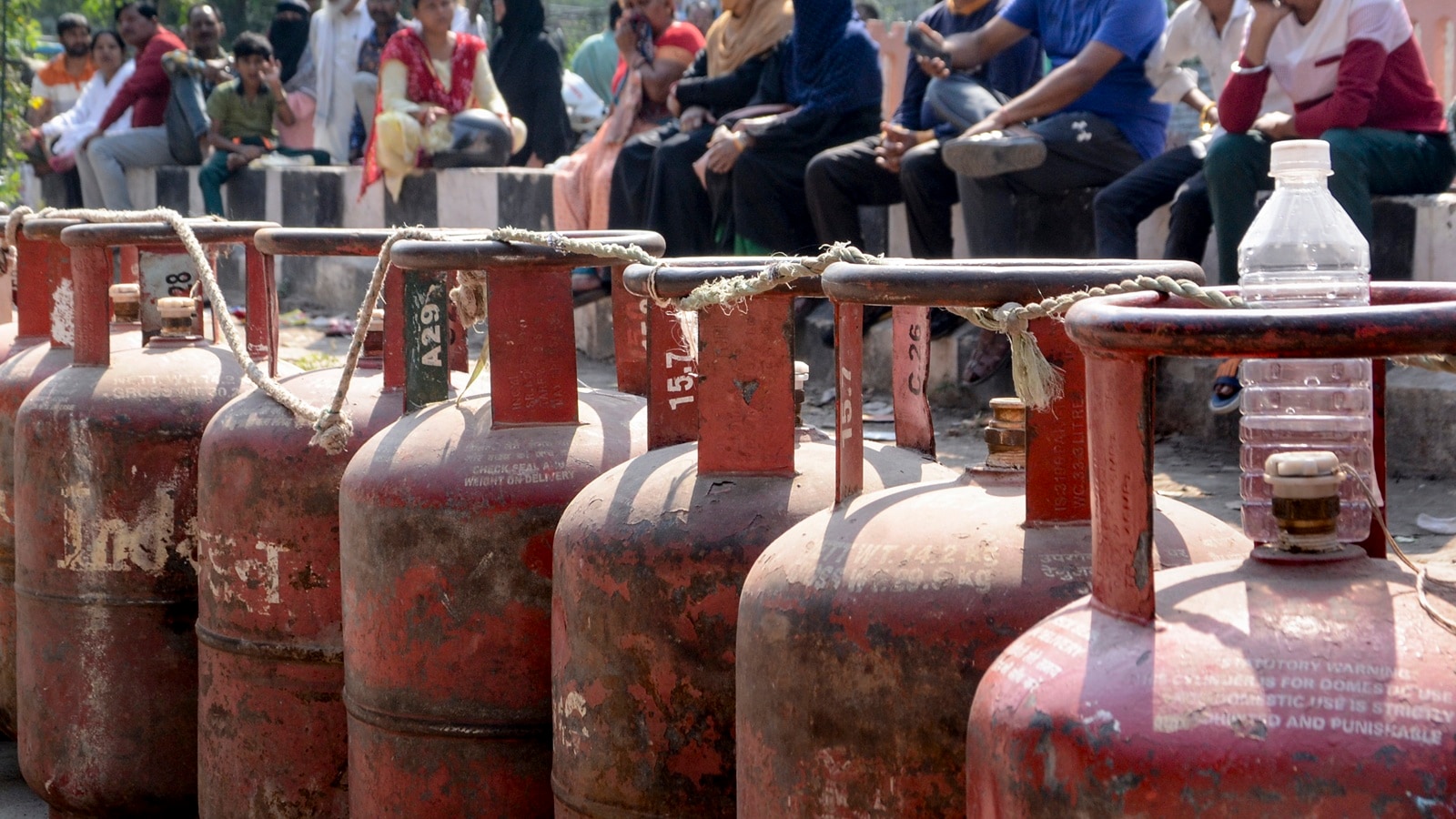
The first and most immediate shock is energy. A large share of oil and LNG moving through the Strait of Hormuz, roughly 80 per cent, is for Asia-Pacific markets. For more than two decades, these nations got used to oil arriving predictably, affordably, and in quantities that kept the wider economy functioning. Even if countries can adapt and switch to alternative suppliers, the current crisis has pushed them out of their comfort zone. It is a direct threat not only to household energy access but also to inflation control and macroeconomic stability.
The second shock is maritime shipping. It has pushed up insurance premiums, affected tanker availability, delayed delivery schedules, and forced refiners to adjust to substitute crude grades. That, in turn, has had a ripple effect on aviation, fertilisers, petrochemicals, and food supply chains. The costs of disruption have extended far beyond oil itself to broader industrial continuity and production.
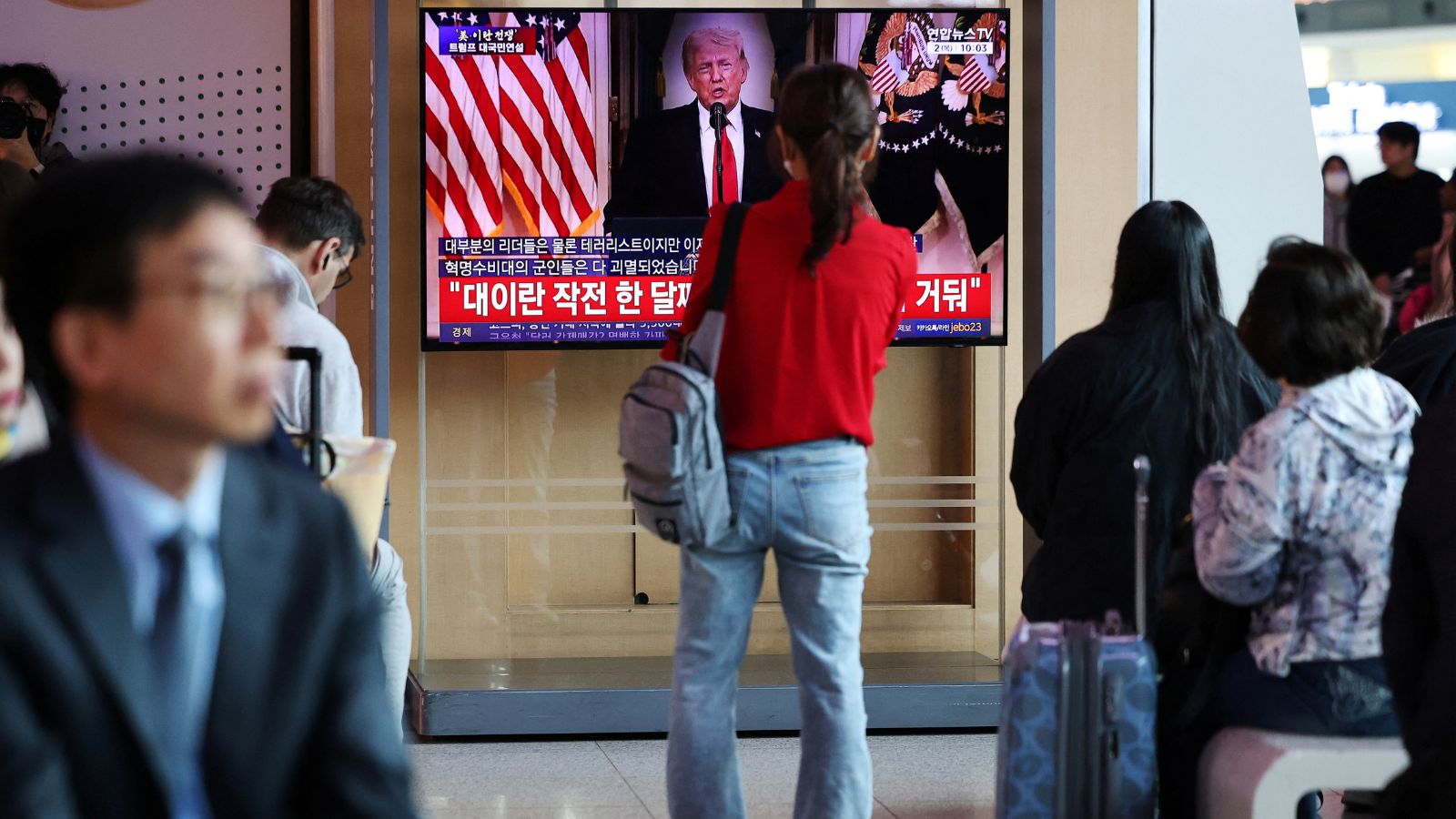
The third and consequential effect is geopolitical. Wars not only consume weapons and fuel, but they also consume attention. Washington has been compelled to shift military assets and political focus towards West Asia. This has inevitably led Indo-Pacific allies to ask whether deterrence in East Asia is being diluted, even temporarily. The redeployment of THAAD system components from the Korean Peninsula and the repositioning of carriers and munitions from Japan towards the Gulf are signs of this pressure.
Japan has already started tapping its strategic oil reserves. South Korea has increased nuclear plant utilisation above 80 per cent and scrapped seasonal caps on coal power. Across parts of Southeast Asia, governments have introduced work-from-home arrangements as an emergency fuel-saving measure.
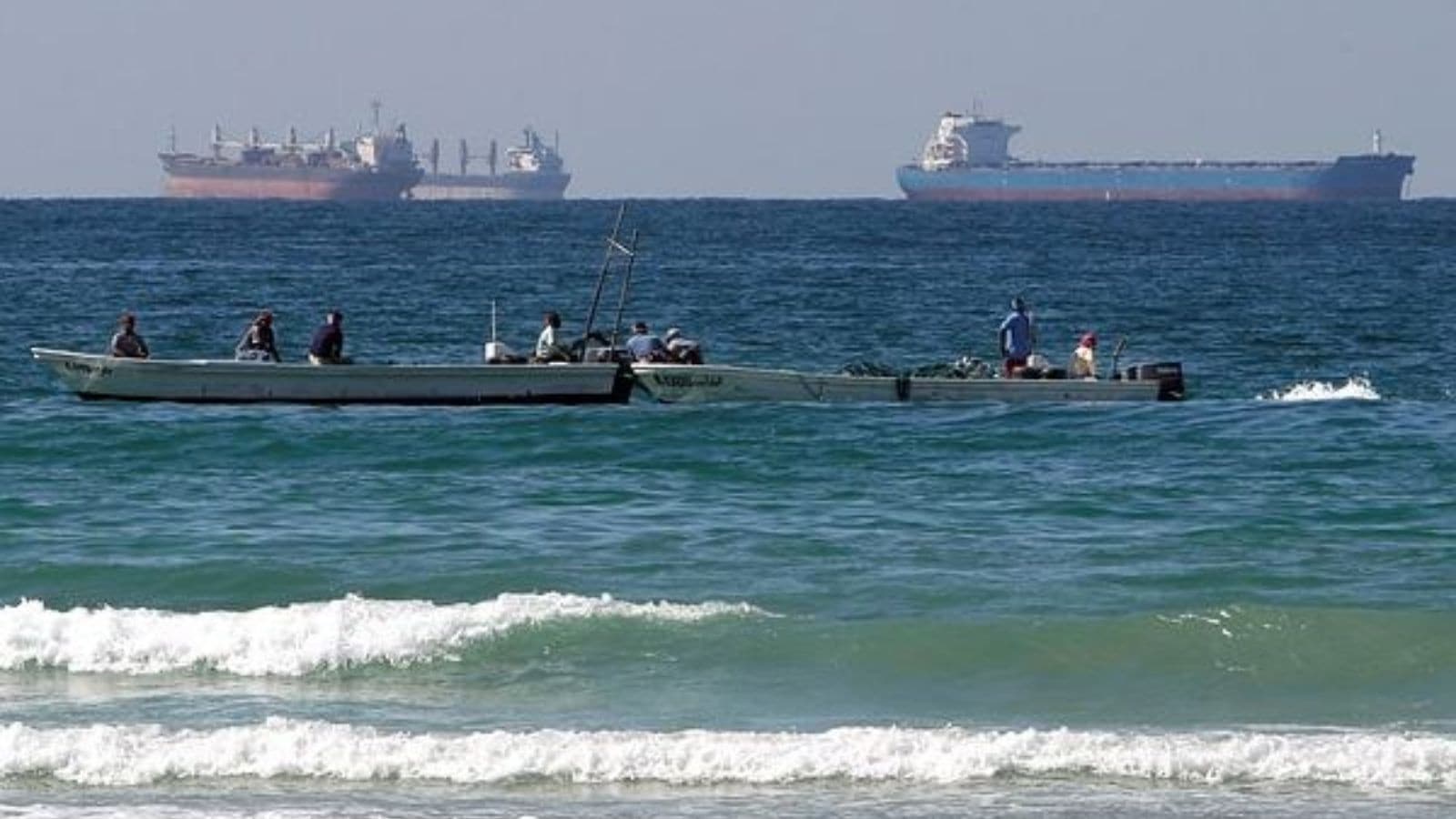
India, apart from securing the movement of several vessels through the Strait of Hormuz, has also sustained maritime security operations through Operation Sankalp. What began as a temporary reassurance mission after the June 2019 Gulf of Oman tanker attacks evolved into a more enduring naval presence to protect the country’s commercial lifelines. Unlike the war in Ukraine, grave as its consequences have been, this conflict cuts far closer to the region’s core strategic and economic interests.
Yet crises of this sort also clarify priorities. While the overall impact has been undoubtedly negative, it should prompt governments to rethink existing policy responses. First, the acceleration of energy diversification efforts and investments in renewables must be viewed through a hard security lens, not just a climate or economic rationale.
Second, the crisis should deepen maritime coordination among Indo-Pacific states. India, Japan, Australia, and ASEAN countries share a common interest in securing critical sea lanes to ensure the uninterrupted flow of goods in the region.
Third, the disruption may create selective commercial opportunities for countries with refining flexibility or alternative export capacity. These states may be better positioned to supply deficit markets with surplus petroleum products such as diesel, jet fuel, and petrochemicals, as trade flows adjust to the crisis.
The political scientist Robert D Kaplan, in his essay “Centre Stage for the Twenty-first Century” and later in his book Monsoon, argued that the Indian Ocean would become central to global power politics, precisely because it links West Asia, East Africa and East Asia through the movement of energy and trade.
Therefore, an Indo-Pacific strategy that ignores West Asia is incomplete, as the region’s prosperity and stability still depend on developments there. The true lesson of this war is therefore not only that the region is vulnerable in a myriad ways, but that its map is wider than many policymakers have been willing to admit.
The writer is research analyst, Indo-Pacific Studies Programme, Takshashila Institution