

Dowry deaths are about more than patriarchy. Look at north-south difference
Marriage and kinship explain a lot about both kinds of tragedies. One carries the tragic stain of dowry that leads young brides to death and the other the social shame that compels many male farmers to die by suicide
I have just read the interesting article, “Patriarchy and the mother-in-law trope in India” by Audrey Dmello (IE, June 7). She is right on most counts but elides over a crucial detail. I don’t mean to dispute her assessment, but a few additional issues need to be factored in.
One wonders why a once-oppressed new bride can oppress another just a generation later. Of course, patriarchy has a big role to play, but it is the specific type of patriarchy that matters.
There is patriarchy across the world, but that fact does not lock in with dowry deaths or even dowry. More importantly, there is patriarchy both in north and south India, but dowry deaths occur predominantly in the northern and central states, with the south and even Maharashtra figuring way down in this grisly table.
So it must be patriarchy-plus that accounts for the bulging statistic of dowry deaths in the north. Uttar Pradesh records over 2,000 such deaths annually, while the figure is barely in double digits in Kerala. In terms of cases convicted, Maharashtra, too, has a low incidence of dowry deaths with a conviction rate as low as Karnataka and Andhra Pradesh.
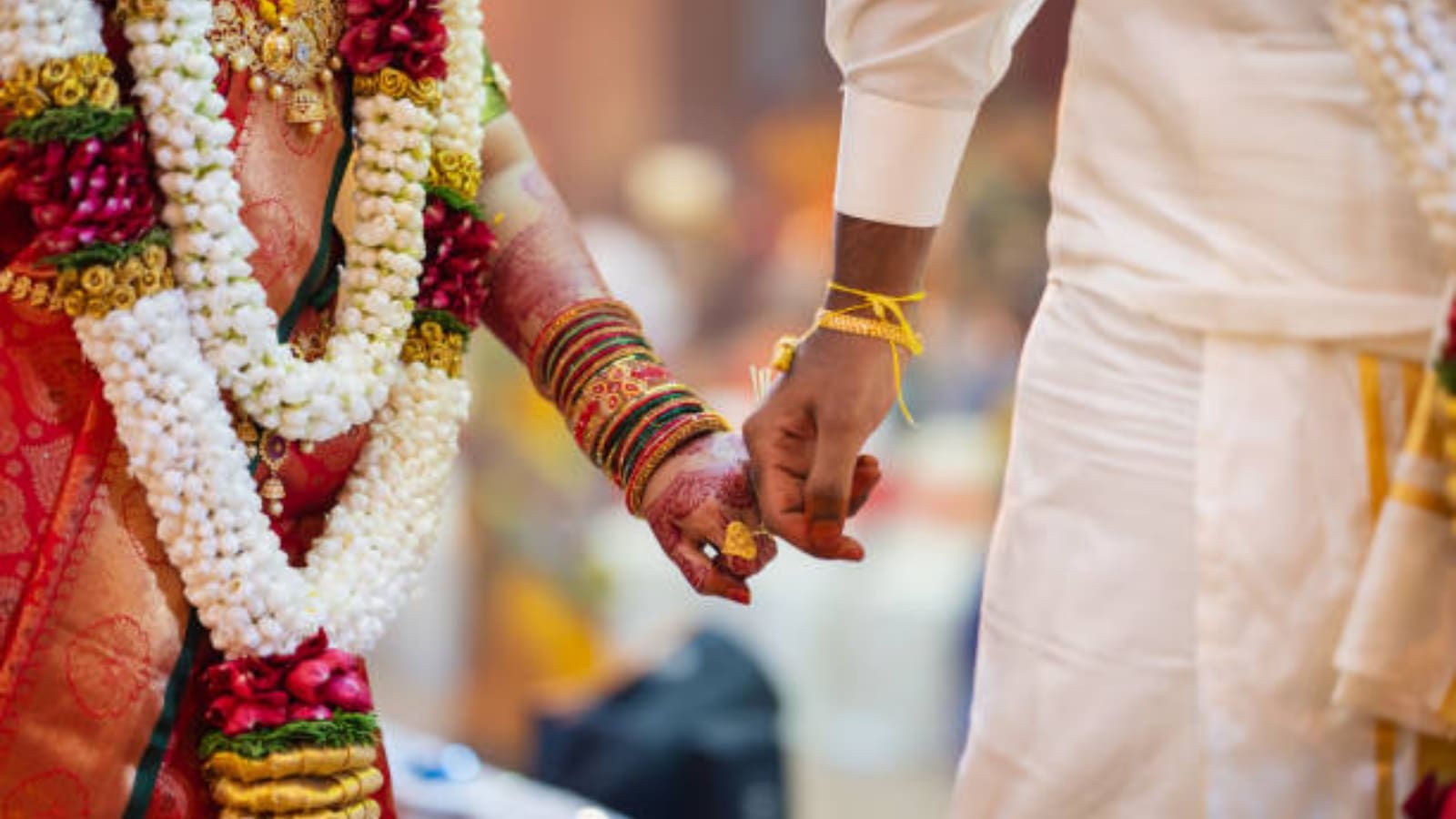
Now, all these states have patriarchy in full flow, so why this difference? The missing link is the way marriage relations are conducted in these regions. In the north, the bride-giver’s family is considered to be of lower social status than that of the bride-taker (recall the anuloma and pratiloma distinctions). The bride in this case is the beginning of gift-giving between these two families. The woman is the first gift, a supreme gift.
The rationale for dowry begins here. From this initial gift of the virgin (or kanyadaan) by the males of the bride’s family begins the continued demand for prestations by the groom’s family. This is not unusual, and it solidifies, with multiple iterations, the asymmetrical relationship between bride-giver and bride-taker. The latter believe it is their ritually sanctioned right to demand gifts from the bride’s side in perpetuity. Consequently, the bride is vulnerable in her wedded home and must bend as a subject member of the household.
Contrast this with the southern practice of marriage alliance. Here, there is a prevalence of cross-cousin marriage, that is, with the mother’s brother’s daughter. If this rule is strictly followed, then women are returned a generation later to the same extended family that gave a woman earlier. The Gonds of Madhya Pradesh, who also follow this rule of cross-cousin marriage, fetchingly call it “dudh lautana”, or return of the milk.
In this scenario, the bride is not a stranger in the groom’s home, nor is she a supreme gift. She is, after all, a cousin! This immediately takes the sting out, in contrast with the unequal relations between bride-giver and bride-taker in the north.
In north India, the bride is constantly reminded of her subjugated status in her married home, and this burden is willingly accepted by her side. This explains why her parents are reluctant to take her back even when they learn she is being harassed. If she should, unluckily, give birth to girls, she faces endless acrimony, for now her married family will accuse her of being responsible for pushing them down to accept a lower status when these girls have to be married. She has now debased the whole family.
Contrarily, if a boy is born, this woman becomes a bride-taker and joins her husband’s patriarchal family as a near-equal member. In many ways, the mother of the boy transforms into a sociological male. This establishes her position in her husband’s household, which age alone cannot accomplish. As a newly morphed bride taker, she has all the symbolic energy of the men in her husband’s family.
This unequal relationship has tragic consequences on the flip side when it comes to farmers’ suicides. In those states where dowry deaths are high, farmers’ suicides are low. Hence, counterintuitively, the poor regions of Bihar and Uttar Pradesh (UP), notorious for high dowry deaths, have low rates of farmers’ suicides. Once again, the explanation lies in the difference in marriage customs. This has little to do with poverty, as is often believed.
In the north and south, when an agricultural family is in debt, it is almost always the male in the household who must bear the responsibility. Very often, other family members have little information about their debt status. The male farmer starts by taking a loan. When he cannot repay it, he goes to informal sources, each more rapacious than the next. Finally, when he exhausts these, he turns to his wife’s family for help because his own paternal kinsfolk are as sunk as he is.
In the north, where dowry is common practice, there is no loss of face in a man asking his in-laws for financial help. This is just another kind of dowry giving and involves no shame. In the south, it is different. The farmer is now borrowing from his wife’s family, with whom his relationship is not that of a superior. In the fullness of time, a girl from his family will be returned to his wife’s family. Therefore, when this financially stressed farmer cannot repay the money he had borrowed from his wife’s father or brother, he is shamed at home and in every family gathering. It is this mounting pressure that finally forces him to die by suicide.
Marriage and kinship explain a lot about both kinds of tragedies. One carries the tragic stain of dowry that leads young brides to death, and the other the social shame that compels many male farmers to die by suicide. Patriarchy is a background factor but not the determining variable.
The writer is a sociologist