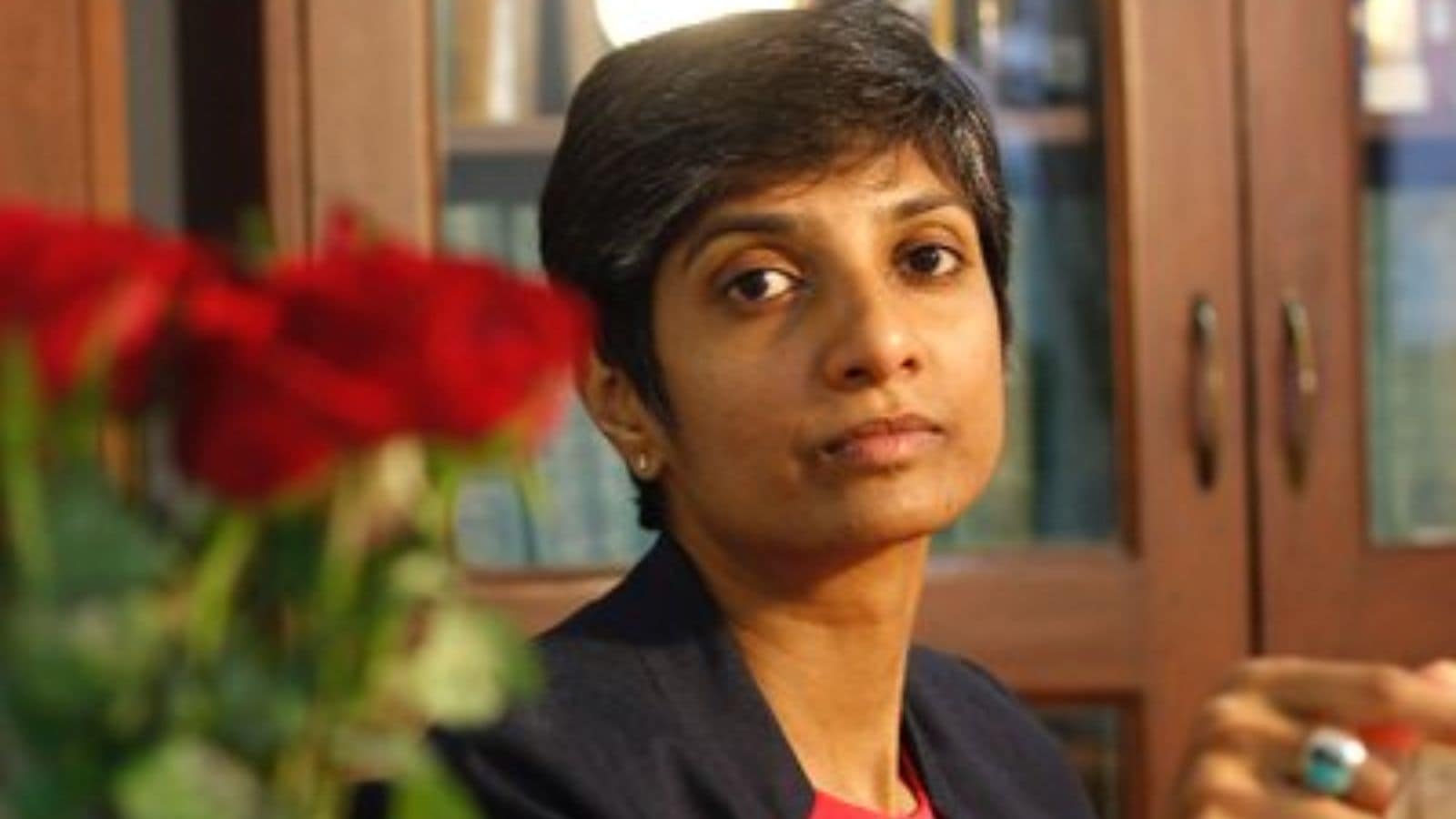


Why the candidature of Menaka Guruswamy must be celebrated
Why limit her to one constituency when she offers the possibility of expanding the ambit of every citizen’s rights?
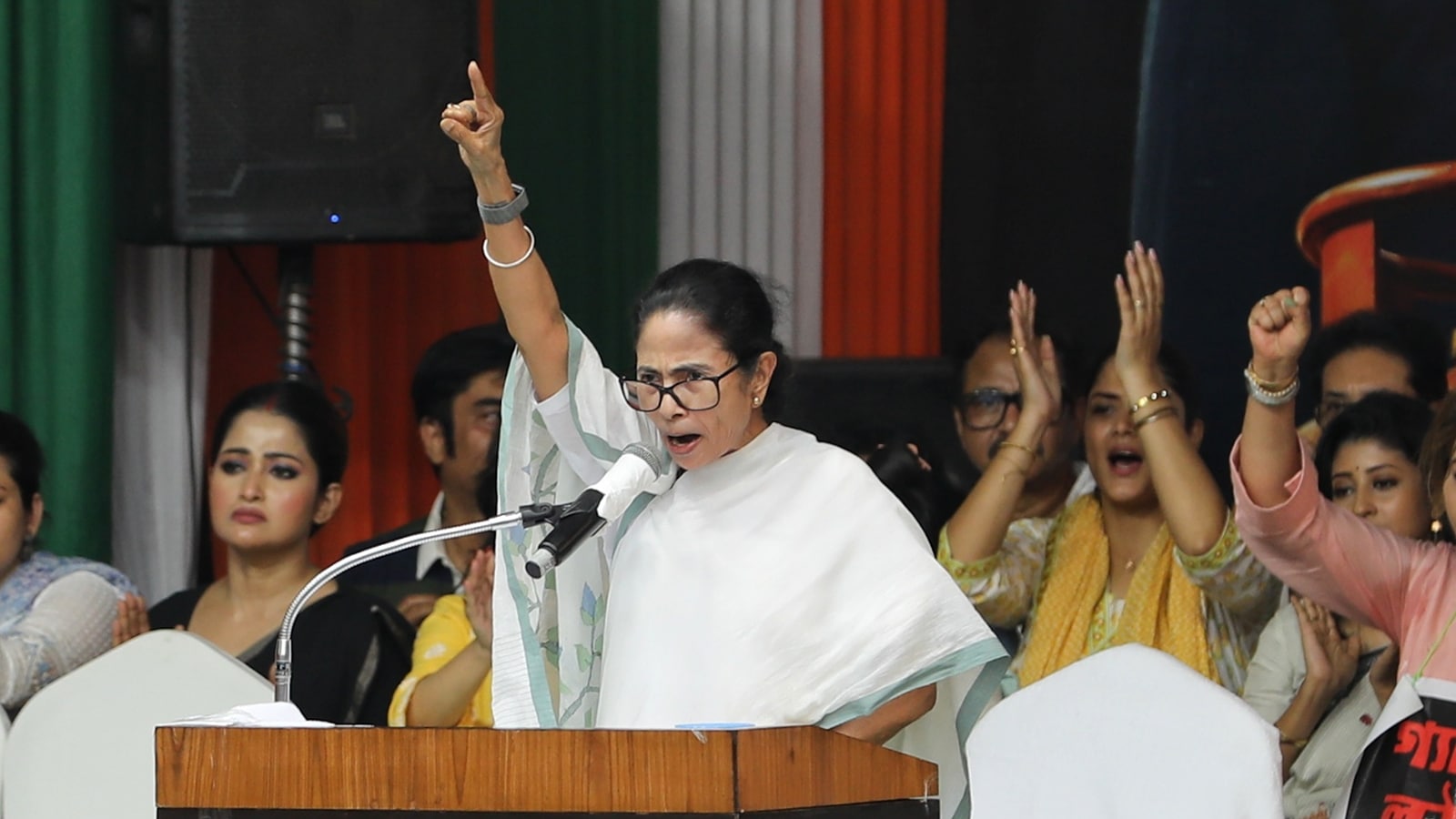
When the Trinamool Congress announced the candidacy of Supreme Court senior advocate Menaka Guruswamy to the Rajya Sabha, a meme featuring Guruswamy and the words, “gay people” don’t “live their lives only in the bedroom” went viral. I do not know the provenance of the quote but almost every news story about the nomination led with the fact of her queerness.
This curious tendency to see a queer person for their queerness alone is interesting. Guruswamy is a successful lawyer — it is her legal practice that likely brought her into the ambit of the Trinamool. She appeared in significant cases even before the 2018 triumph that led to the reading down of Section 377. She is a scholar, with a PhD from Oxford University. Running “doctorate” as a filter on sansad.in, the Rajya Sabha website’s list of members yielded two names: Sudhanshu Trivedi of the BJP and Ram Gopal Yadav of the Samajwadi Party. Undoubtedly, there are more.
Lawyer, scholar, citizen activist, Guruswamy’s profile is unusual even aside from being queer. Why, then, is her identity focussed on her queerness alone? The sexiness of the queer framing of this moment is undeniable. But it is also unsettling, this fixation on one aspect of her personality.
Here’s a thought experiment: Consider Manmohan Singh, who wore the “pagdi” — a marker of the Sikh faith. In August 2005, he apologised for the 1984 anti-Sikh riots in Delhi. Perhaps he felt he needed to explain his position as a visibly Sikh individual associated with the Congress party. But do we think of Singh primarily as Sikh? He was a scholar and statesman who happened to be Sikh. But perception is a slippery thing.
“The nineteenth-century homosexual became a personage, a past, a case history, and a childhood, in addition to being a type of life, a life form, and a morphology, with an indiscreet anatomy and possibly a mysterious physiology. Nothing that went into his total composition was unaffected by his sexuality,” writes Michel Foucault, in the book The History of Sexuality. “It was everywhere present in him: At the root of all his actions because it was their insidious and indefinitely active principle; written immodestly on his face and body because it was a secret that always gave itself away.” To be clear, Foucault is identifying the 19th-century classification of the homosexual as a person shaped by their sexuality. It brings to mind the Guruswamy meme, the takeover of identity by one dimension of it. As it happens, Foucault was queer. But we know him primarily for his work, don’t we?
The first volume of The History of Sexuality was published in 1976, 50 years ago. This is a good time to introspect on where we stand in our attitude to queerness. India’s queer rights movement dates to the 1990s. Our law read down the criminalisation of homosexuality in 2018. Perhaps this is what explains this fixation on queerness — the newness of it in our context.
This is not a defence of Guruswamy. Doubtless she can do it herself. Instead, her election is a moment to celebrate all citizens, queer or not. Why limit her to one constituency when she offers the possibility of expanding the ambit of every citizen’s rights?
Chattopadhyay is a National Award-winning film critic and writer