

Fifty years before Cockroach Janta Party, student anger in the Navnirman movement changed Gujarat — and India
It is far too early to predict how the CJP phenomenon will play out. But if one looks beyond its shiny trappings of ‘virality’ and ‘Gen Z,’ one might find continuities with and lessons to be drawn from student rebellions in the past and the present instead of an isolated phenomenon sans any connection on the ground
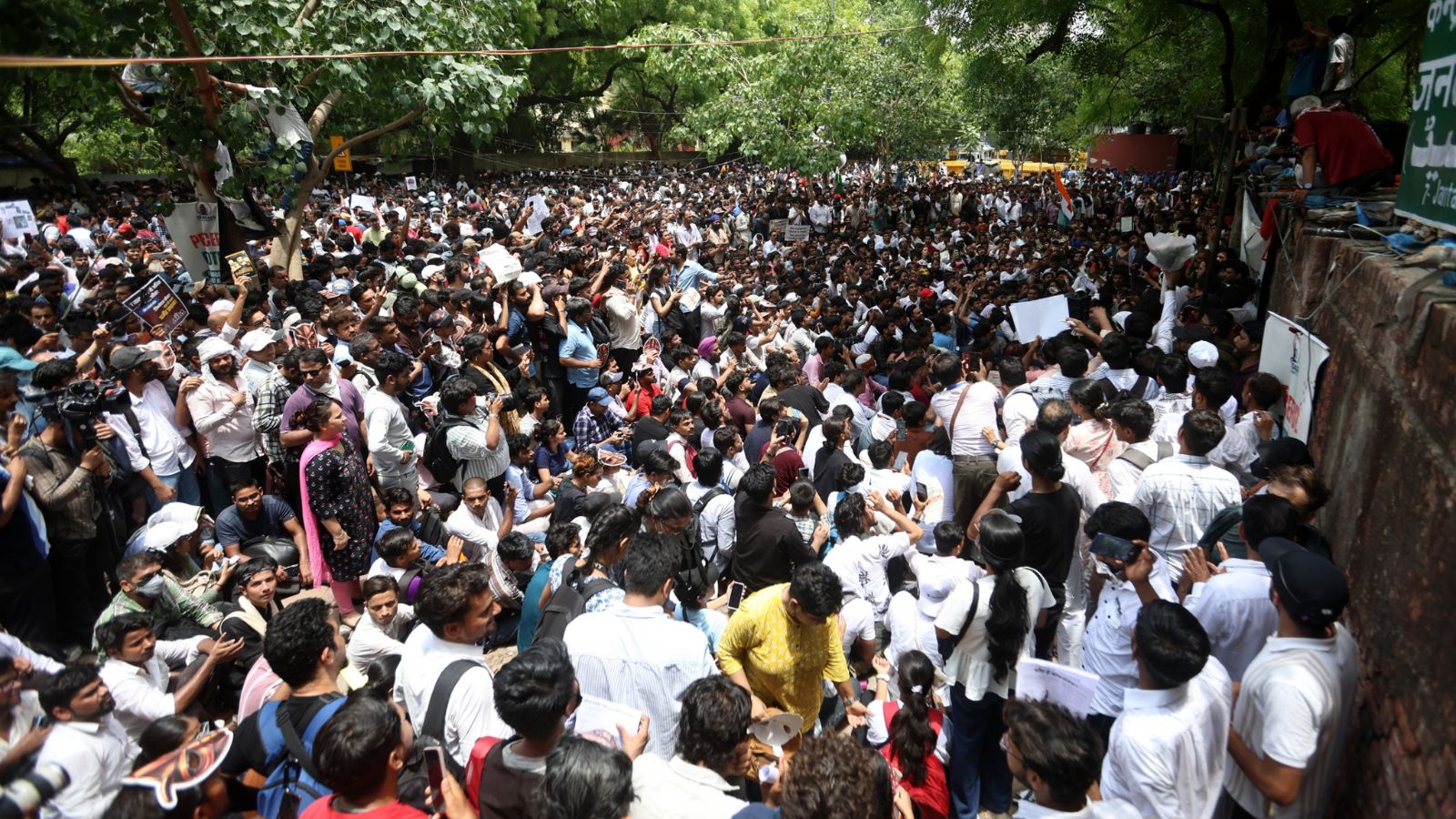
The birth of the Cockroach Janta Party (CJP) and its first rally on June 6 at New Delhi’s Jantar Mantar have provoked widespread speculation. Was it a spontaneous rally? Was it secretly backed by a political party? How wide really is its appeal? What do the “cockroaches” believe in? Is it a flash in the pan or the beginning of a lasting movement?
Much of the coverage of the CJP suggests that it is a peculiarly contemporary phenomenon enabled by connectivity and a generational shift. The only parallel observers tend to refer to, if at all, is the 2011-12 Anna Hazare-AAP phenomenon.
The suddenness of its emergence and the enabling role of new media undeniably imbues the phenomenon with an acutely current feel. But it may be misleading to claim that nothing like this has ever happened before. There are, in fact, interesting parallels between the CJP and a student uprising in Gujarat half a century ago, namely the Navnirman Movement of 1974.
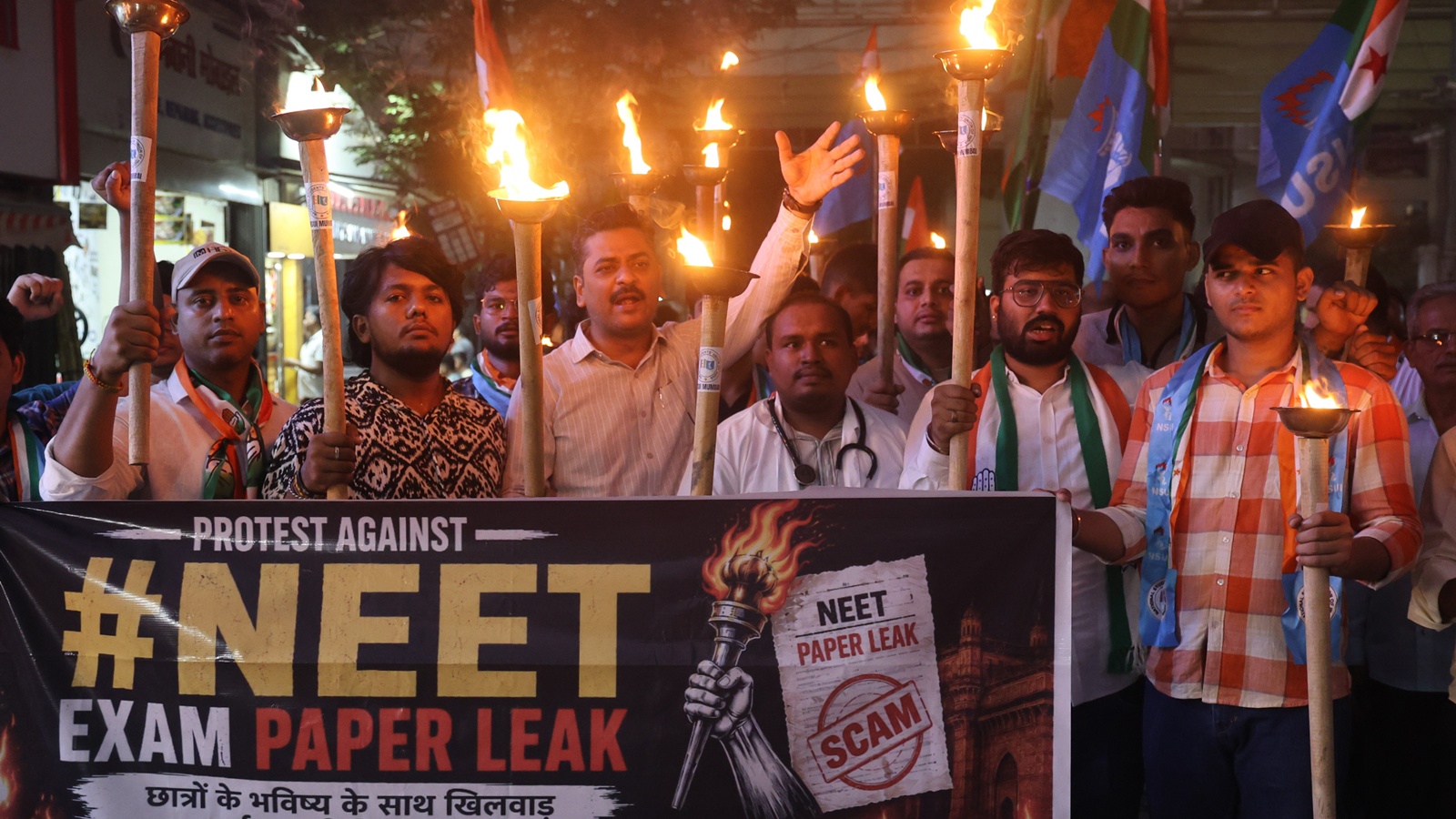
Like the CJP, which erupted over the leak of the National Eligibility-cum-Entrance Test (NEET) paper, symptomatic of a problematic centralised and commodified education system, the background to the Navnirman Movement was also an unprecedented expansion and commercialisation of education in Gujarat.
In the 1970s, the number of college students had risen tenfold over the previous two decades. Lowered admission bars and modified university rules that encouraged part-time instruction had adversely affected the quality of education. Arts and commerce colleges, cheaper to run than science colleges, had proliferated, creating an oversupply and a manpower shortage in the respective fields, according to the historian Howard Spodek.
Many of these shifts were linked to the state’s chief minister, Chimanbhai Patel of the Congress (I), an ex-economics teacher who controlled over 50 colleges and ran a lucrative business in publishing textbooks. It was the escalating food prices under his leadership, however, that got him into trouble. A protest in two colleges in Saurashtra and Ahmedabad over soaring mess bills in 1973-74 snowballed into a statewide agitation.
There was a superficial farcicality about Navnirman that has echoes in the witty adoption of the cockroach nomenclature by the CJP and its many memes. In the course of their agitation, Navnirman’s student leaders garlanded a donkey with roses, offered a senior Congressman a broom to “clean the party”, recited poetry and invited a boot polish boy to launch their booklet on hunger.
Like the CJP supporters with their posters of M K Gandhi and B R Ambedkar, Navnirman leaders talked of “shutting the university till society changes”. CJP supporters were asked to carry flowers to the rally and during the Navnirman agitation, students greeted the army with flowers, tea and sweets.
Like the CJP which professes to pursue a single goal of accountability through the resignation of Education Minister Dharmendra Pradhan, Navnirman supporters demanded the resignation of Chimanbhai Patel.
The Navnirman Movement was initially led by students without an organisational structure; it was joined by college and secondary school teachers who were better organised and had been criticising the commodification of education. Scholars Dawn and Rodney Jones who looked at student rebellions in Bengal, Orissa and also in Kerala where private power in higher education was a key issue in the overthrow of a state government in 1959, believe that the inspiring and “non-violent leadership by men of learning” made the Navnirman movement distinctive and also garnered middle class support.
The students achieved their demand within weeks when the Centre forced Chimanbhai to resign. But the movement had been hijacked by political parties like the Jana Sangh and the Congress (O) which pursued their own agendas. Violence ensued and the Navnirman agitation is widely recalled today as an early warning of simmering unrest that precipitated Indira Gandhi’s 1975 proclamation of a nationwide Emergency. Some recall it as the movement that the Jana Sangh rode to enter the political mainstream.
According to Manishi Jani, the most recognisable student face of the Navnirman Movement, the relentless speculation about political affiliations that surrounded the student leaders in his time, as they do now, unfairly jumbles “the emotions of the young” with the “calculations of traditional political parties”. In a recent social media post, he urged empathy towards the anguished youth. “The cockroaches are saying what we used to: That ‘we are not interested in politics and elections, we are against those who have tossed education into a pit.’”
It is far too early to predict how the CJP phenomenon will play out. But if one looks beyond its shiny trappings of “virality” and “Gen Z,” one might find continuities with and lessons to be drawn from student rebellions in the past and the present instead of an isolated phenomenon sans any connection on the ground.
The writer researched global urbanisation at the Institute for Public Knowledge, New York University. She is also the author of Ahmedabad: A City in the World