

Dignity of life should take into account the ethics of letting go
No one should have to bear the indignity of life-prolonging measures, strapped to a machine in the ICU, that only increases suffering
Dying with dignity is one of the most vexing challenges we face today. It is a consequence of technological advances in the medical field that keep us physically alive but extract a huge toll in terms of psychological, social, financial and spiritual suffering.
Not surprisingly, this has led to a demand in many countries for physician-assisted suicide. It also comes with the argument that the right to life must include the quality of that life and that, when faced with unbearable suffering brought on by medical treatments that rob one of dignity, one should have the right to say “No more!”
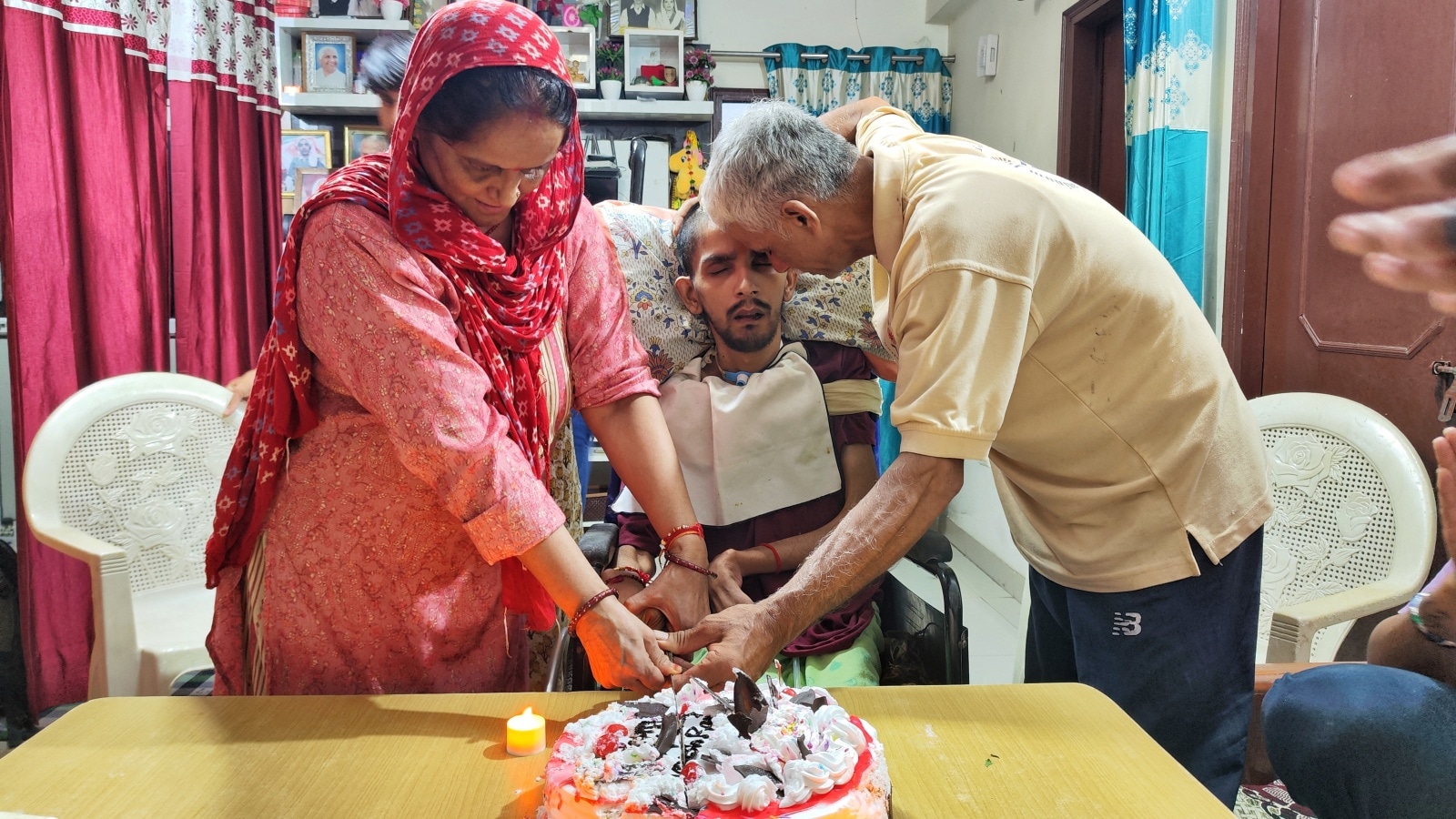
Given this background, the recent Supreme Court judgment allowing a young man who had been in a vegetative state for 13 long years after a tragic accident to finally die with dignity is welcome. However, the elderly parents should not have had to petition the courts over a number of years.
Surely, it could have been dealt with in a speedier manner by the doctors themselves when they realised that there was no hope of recovery.
The procedure to be followed when there is no hope of recovery, regardless of whether a signed advance medical directive (AMD) is available or not, was clarified by a Constitution Bench of the Supreme Court in 2019 in response to an application filed by the Indian Society of Critical Care Medicine.
The need to act expeditiously, while also laying down safeguards, was emphasised. These require constituting a primary medical board in the hospital where the patient is being treated, as well as a secondary medical board that would include experts from outside the hospital to provide oversight. Both are to give their decisions, ideally, within 48 hours. This practice was certainly not followed in this case.
Discontinuing a treatment when you know that it is not in the interest of your patient, but will instead prolong suffering, upholds the Hippocratic Oath to which all doctors are sworn. This is ethical medical practice.
It requires caring doctors who are willing to spend time with the patient and relatives, explaining the pros and cons, listening to their concerns, and honouring the AMD (if available) or the wishes the patient may have expressed to their loved ones or to a surrogate when able to do so.
The medical community, too, needs to come to a consensus as to whether removing a feeding tube or a breathing tube that is doing the patient more harm than good falls within the realm of ethical medical practice, or should be considered “passive euthanasia”, as the court termed it in the present case.
Palliative care staff working with patients with debilitating and life-limiting conditions in our country have been emphasising the need for palliative care teams to guide this process of care and provide a pathway once it is clear that there is no cure or hope for recovery.
They are willing to contribute to the setting up of end-of-life guidelines in healthcare institutions for these patients and their caregivers. Based on our 30 years of experience at CanSupport in looking after patients with serious health-related suffering, there is no doubt in our minds that palliative care — which ensures continuing quality of life, and death with dignity — must be universally available and made part of our public healthcare system.
No one should have to bear the
indignity of life-prolonging measures, strapped to a machine in the ICU, that only increase suffering.
To reiterate, ensuring quality of life is as much an intrinsic part of ethical medical practice as prolonging life. It is not about being humane or kind; it is the professional duty of the doctor who has sworn an oath to relieve suffering.
The writer is founder-president, CanSupport