

Democracy needs dissent. It also needs institutions
The recent protests in Delhi underline an uncomfortable truth: Lasting reform comes from holding institutions accountable, not abandoning faith in them
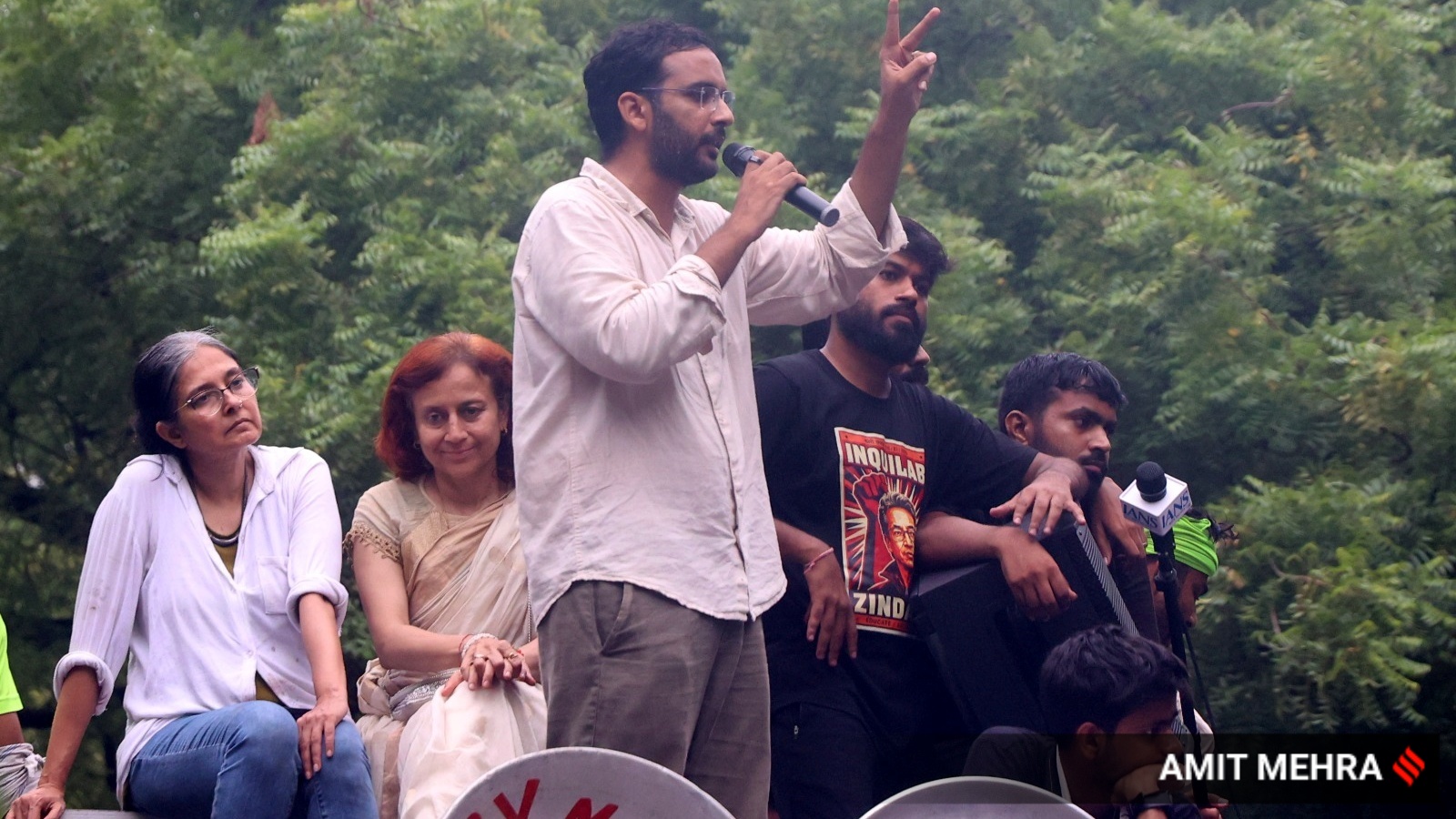
To understand the chaos gripping our educational spaces — as seen in the recent protests in Delhi and elsewhere — it is necessary to revisit Jean-Jacques Rousseau’s concept of the Social Contract. Rousseau has noted, “True political liberty is never found in a state of chaos or unbridled individual impulse. But real freedom is built when citizens willingly enter a community, agreeing and binding themselves to shared rules and institutional structures.” He had also warned that when individuals choose disruption over collective agreement, it leads to the fracturing of the civic bond that underpins democratic existence.
Public institutions and administration are a microcosm of the social contract. Participating in them calls for mutual agreement to listen, follow the process, and respect the forum. As teachers, when we allow students to treat these structures as permanently broken or as enemies, we are misinforming and mis-educating them. It leads to alienation from the tools of civic governance that students need to master.
We need to establish a dialogue between government bodies and their citizens; we need to demand institutional accountability rather than disrupt governance and create an environment of political polarisation.
Democracy is kept alive through the day-to-day, exhausting work of policy implementation and institutional negotiation. It does not function through continuous agitation. Our real job as educators is to anchor students and their energies in constitutional boundaries and civic responsibility. Classrooms need to be the spaces where these evolving state reforms are understood, where we promote curiosity and scepticism and encourage critical thinking.
But there is a fine line between questioning a system and trying to dismantle its legitimacy in public. When students are misled and continuously pushed toward confrontation, it leads to a shrinking of the faith citizens have in their public institutions, with the focus shifting entirely to physical clashes. Thus, genuine progress in administrative reforms is sidelined by political polarisation. The debate is now not about improving education or public institutions. They are now consumed by binary shouting matches with zero outcomes.
When, as a teacher, I see impatience among India’s youth, I feel that it is a healthy sign of an aspirational democracy. It means these ignited minds aspire for rapid development. But this passion must go hand in hand with maintaining the stability of our foundational institutions, which form the cornerstone of democracy. There are multiple democratic tools to effect changes. The state has built robust, highly responsive institutional tools — from transparent online RTI portals to localised grievance cells and elected academic councils. These handle student anxieties. Our public institutions must be spaces where youth and students learn to navigate institutional realities, and master the art of constructive civil discourse in the larger spirit of democracy.
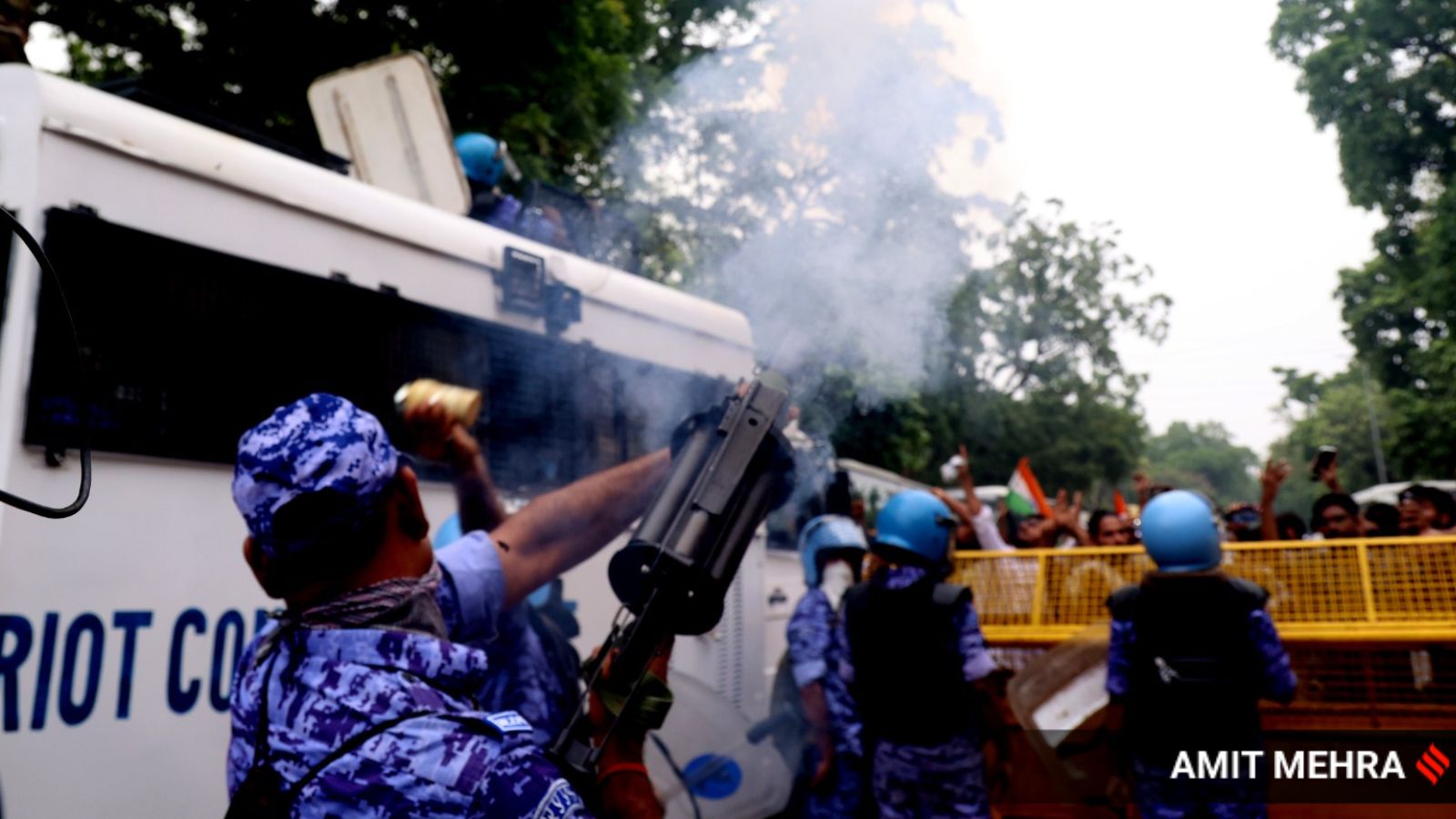
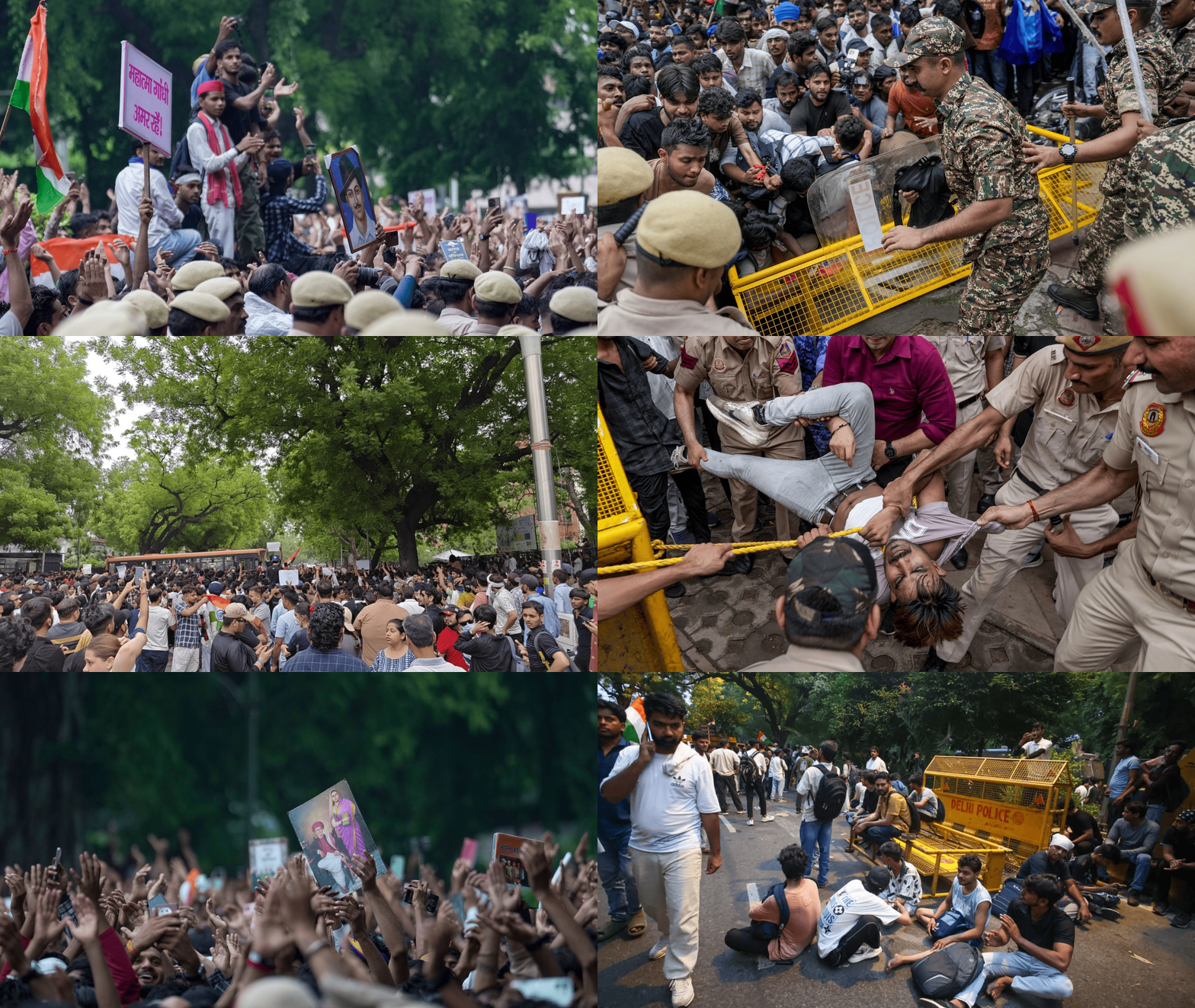
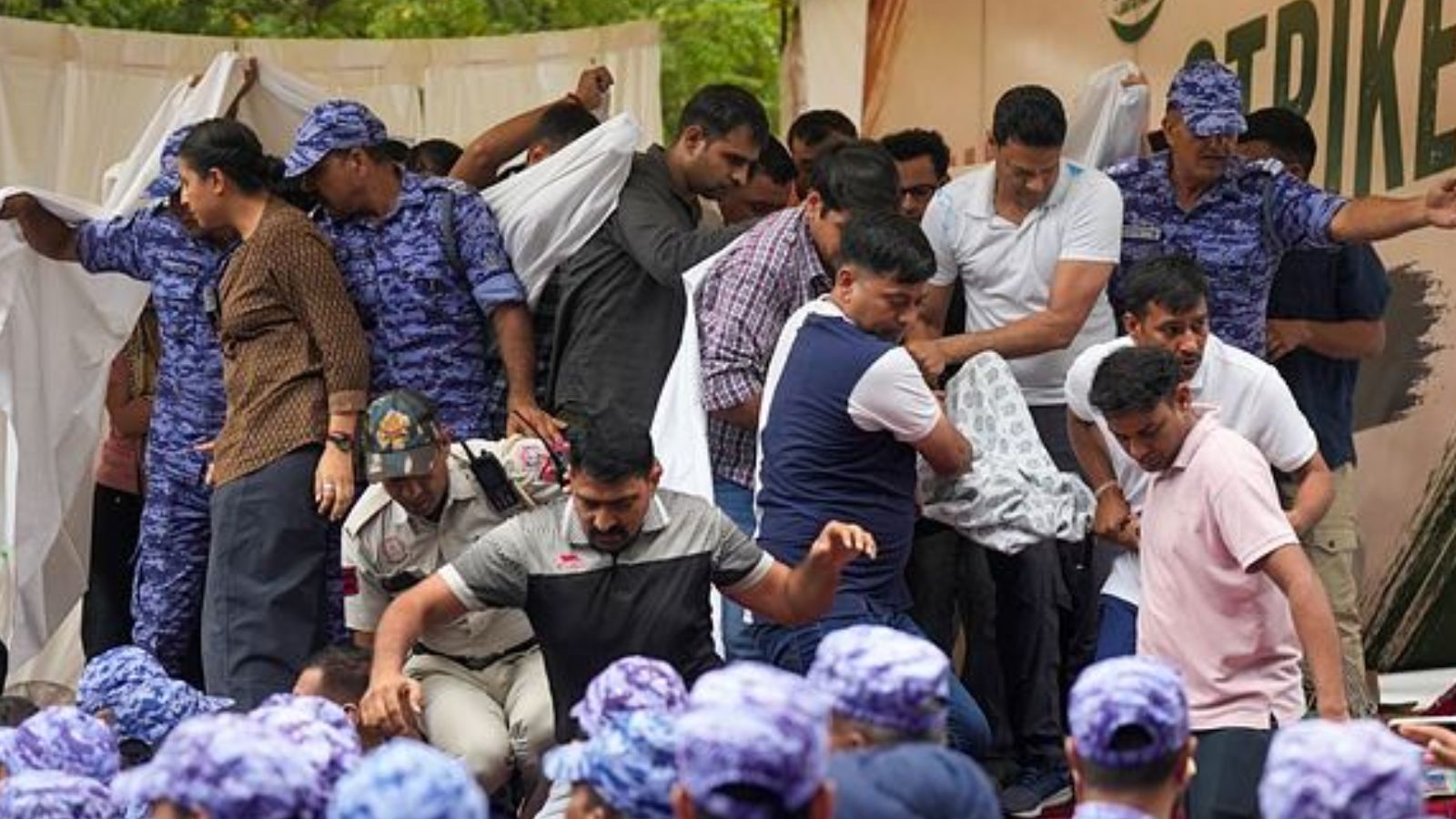
Ultimately, we must remember Mahatma Gandhi, who built our independence struggle on the principle of peaceful satyagraha. For Gandhi, the means were as pure as the end itself. The raw disruption and aggression we witnessed in Delhi this week from all stakeholders violated the true Gandhian spirit. It replaced moral persuasion with force.
The true task before our youth today is to look past structural anger. True democratic empowerment is born when we partner with and reform the public institutions through engagement from within, rather than letting raw friction bring them to a halt.
The writer is associate professor, Dr Ambedkar International Centre