

The delimitation question we need to ask: What happens when the Rajya Sabha is diminished?
As Parliament meets to discuss the delimitation proposals, the hope is that MPs will also reflect on these aspects to ensure that a larger Lok Sabha does not weaken the Rajya Sabha. This is not an outcome that our Constitution framers would have wanted
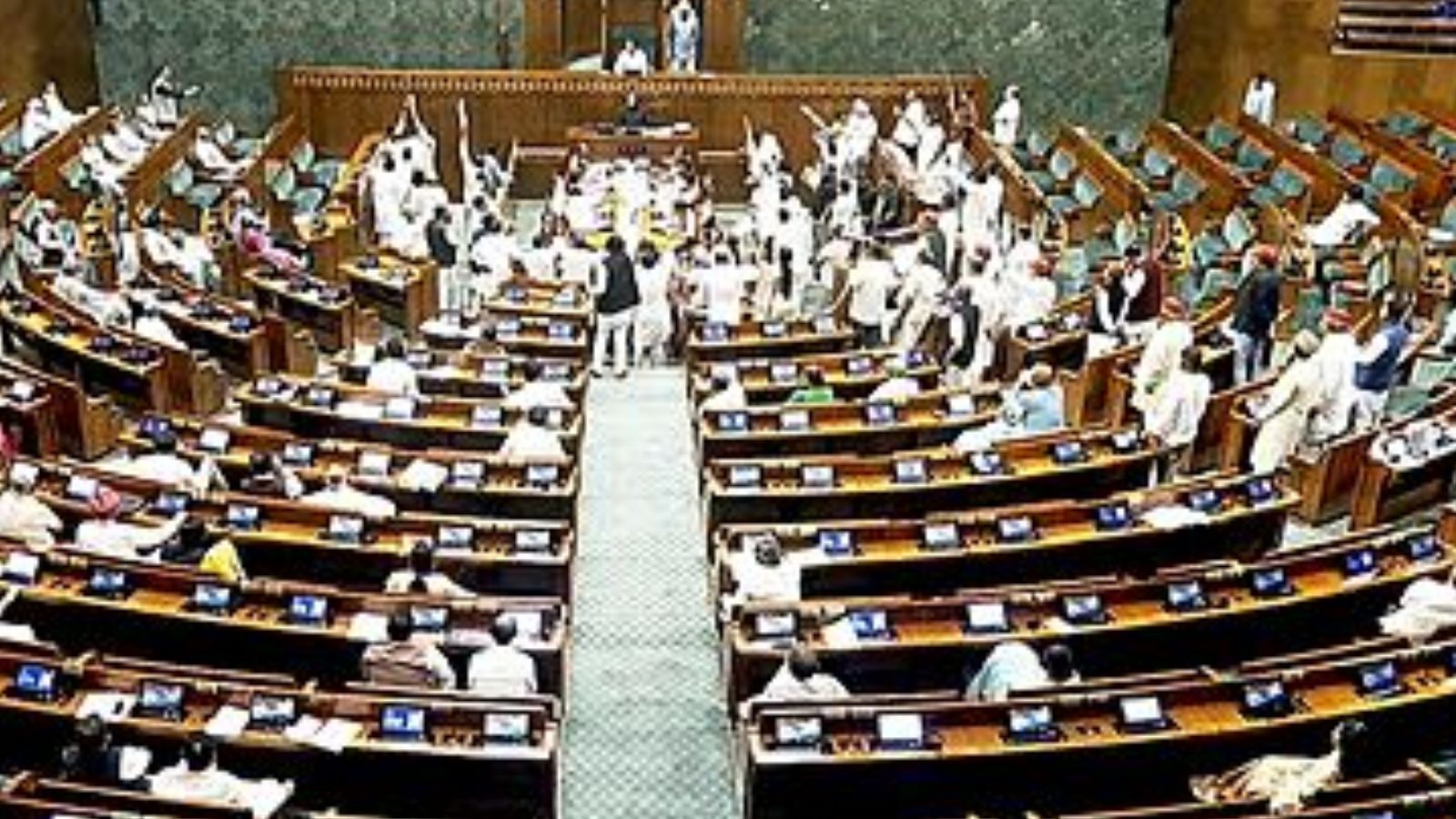
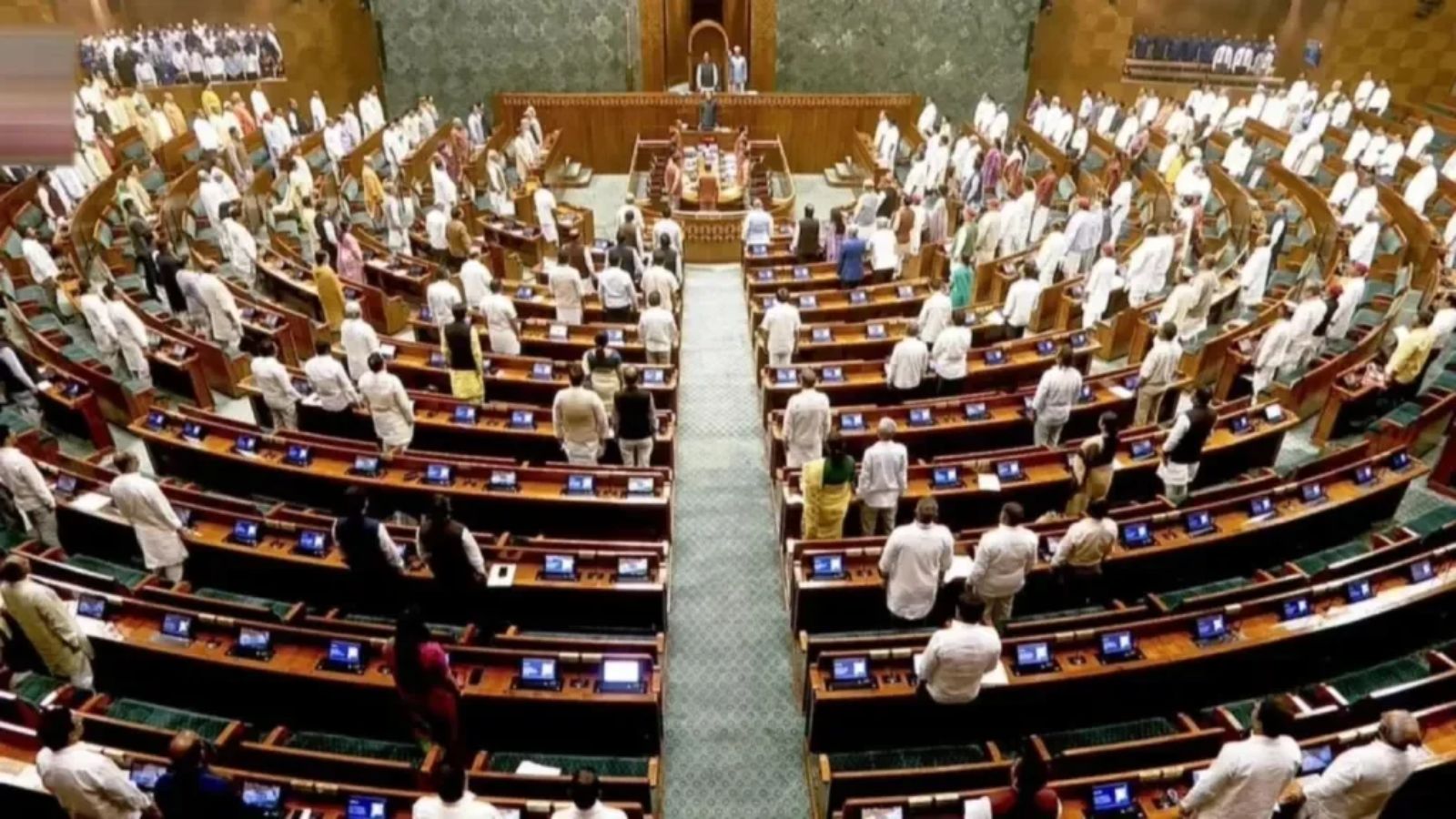
The Lok Sabha will meet on November 30, and the Rajya Sabha on December 2, to discuss “essential government business”. In all likelihood, the government will bring the delimitation bill back to Parliament for discussion and passage.
In April this year, the government proposed increasing the size of the Lok Sabha from 550 to 850 MPs by redrawing constituencies based on a published census decided by Parliament. The government’s proposal also provided for the fast-tracking of 33 per cent women’s reservation in Parliament and state assemblies.
Opposition parties rejected the government’s proposal on two counts. They argued that women’s reservation should be implemented immediately based on the existing strength and were concerned that the government’s plan would change the relative share of seats for each state in the Lok Sabha (Kerala and Tamil Nadu losing seats, Rajasthan, Bihar and Uttar Pradesh gaining seats). To secure support for the bill, the Home Minister offered a 50 per cent increase in seats for each state in the Lok Sabha. However, this also did not convince the Opposition, and the House rejected the government’s constitutional amendment bill.
This newspaper reports that the cabinet has approved the 50 per cent increase in the revised bill the government will introduce in the Lok Sabha. While that might assuage some political parties, increasing the size of the Lok Sabha raises a few other important questions. A big one is: What does a larger Lok Sabha mean for the Rajya Sabha, whose size, under the April delimitation bill, remained unchanged?
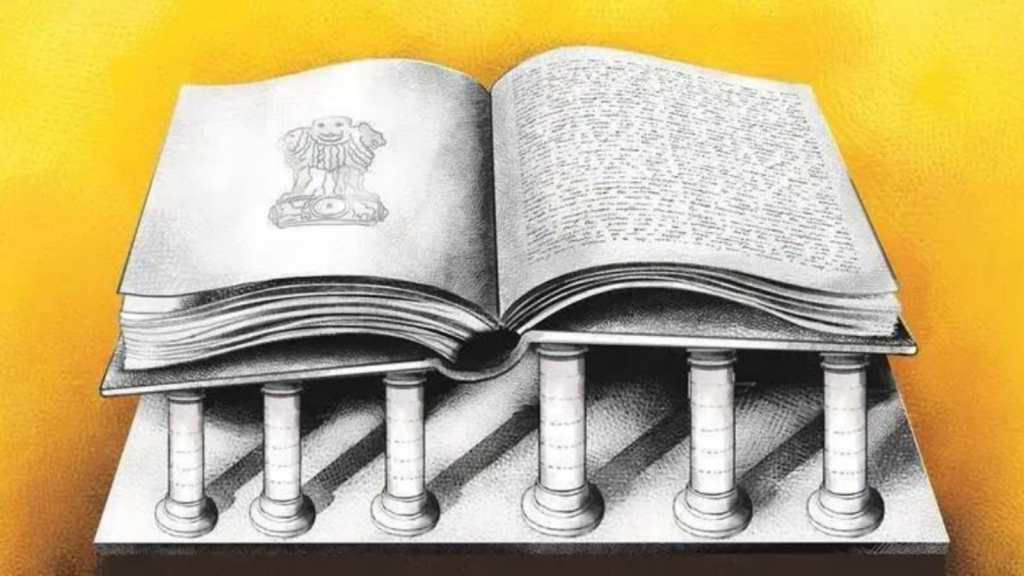
We have a bicameral legislature at the national level. Our Constitution framers chose this system to strengthen the legislative process. The two houses are equal in their powers with a few exceptions. For example, only the Lok Sabha has the power to remove a government, levy taxes and approve budgets. Rajya Sabha has the power to create an All India Service and authorise Parliament to make laws on state list subjects.
Rajya Sabha’s membership also churns every two years, reflecting the changing political landscape in states. The architects of our Constitution did this intentionally so that Rajya Sabha could put the brakes on hasty legislation passed by a popularly elected government. Academics Niranjan Sahoo and Ambar Kumar Ghosh have pointed out that in our 75-year parliamentary history, there have been extended periods when the ruling government did not have a majority in Rajya Sabha.
Our Constitution provides a mechanism to break the legislative deadlock between the two Houses. When the two Houses disagree on a piece of legislation, they sit together in a joint sitting and then debate and resolve their disagreement through a vote. A larger Lok Sabha and an unchanged Rajya Sabha would ensure that a government with a majority in the Lok Sabha would always prevail in a joint sitting. This will alter the constitutional scheme of bicameralism.
A joint sitting to break a legislative deadlock has only taken place in our parliamentary history on three occasions. The last one was in 2002 on the Prevention of Terrorism Bill, 2002. Over the years, successive governments have talked things over, resolved differences, and built consensus without needing to resort to a joint sitting. A larger Lok Sabha would remove the need for dialogue and stifle the Rajya Sabha’s legislative voice.
A larger Lok Sabha would also have other implications for the Rajya Sabha. Presidential elections are scheduled for July 2027, when President Droupadi Murmu’s five-year term ends. A larger Lok Sabha would diminish the value of Rajya Sabha MPs’ votes in both the presidential and vice-presidential elections.
There will be ripple effects in other areas as well. It currently requires 50 Rajya Sabha MPs and 100 Lok Sabha MPs to sign a notice to kick-start the process of removal of a High Court or Supreme Court judge. This number is hard-coded in the Judges inquiry Act, 1968. A larger Lok Sabha would make it relatively easier to start such a process. Another interesting effect of a larger Lok Sabha would be on the Council of Ministers. A constitutional amendment enacted in 2003 caps the size of the Council of Ministers at 15 per cent of the strength of the Lok Sabha and state legislative assemblies (and 10 per cent in the case of Delhi). This amendment was introduced during the tenure of Prime Minister Atal Bihari Vajpayee. Its objective was to curb the practice of offering ministerial positions as incentives to secure support for forming or saving a government. A larger Lok Sabha and legislative assembly would lead to more ministers.
As Parliament meets to discuss the delimitation proposals, the hope is that MPs will also reflect on these aspects to ensure that a larger Lok Sabha does not weaken the Rajya Sabha. This is not an outcome that our Constitution framers would have wanted for the Rajya Sabha.
The writer works at PRS Legislative Research