

D Raja writes: Through Phule’s eyes, connecting the inequality dots
We are witnessing a departure from the very principles that thinkers like Phule helped to shape
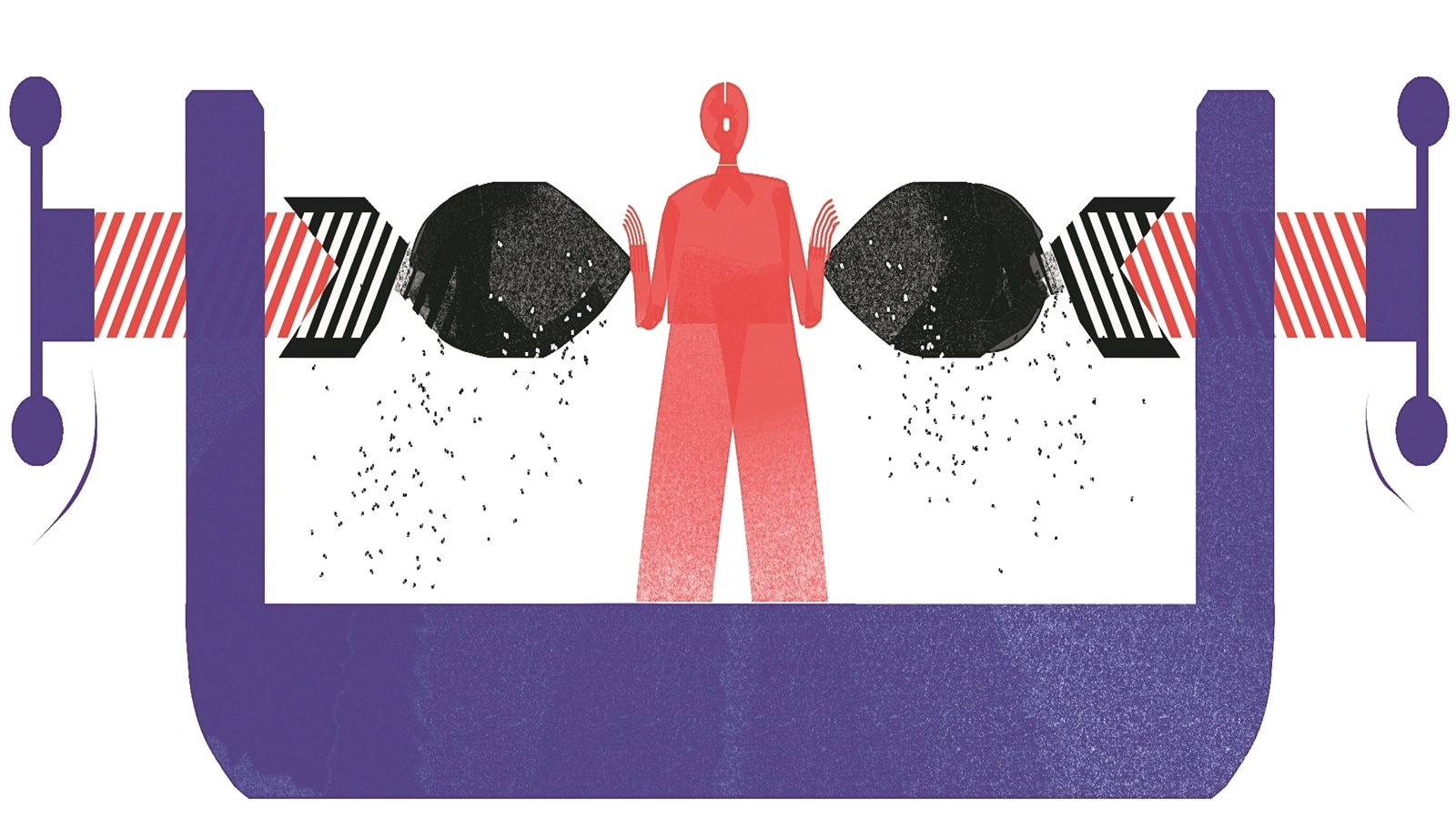
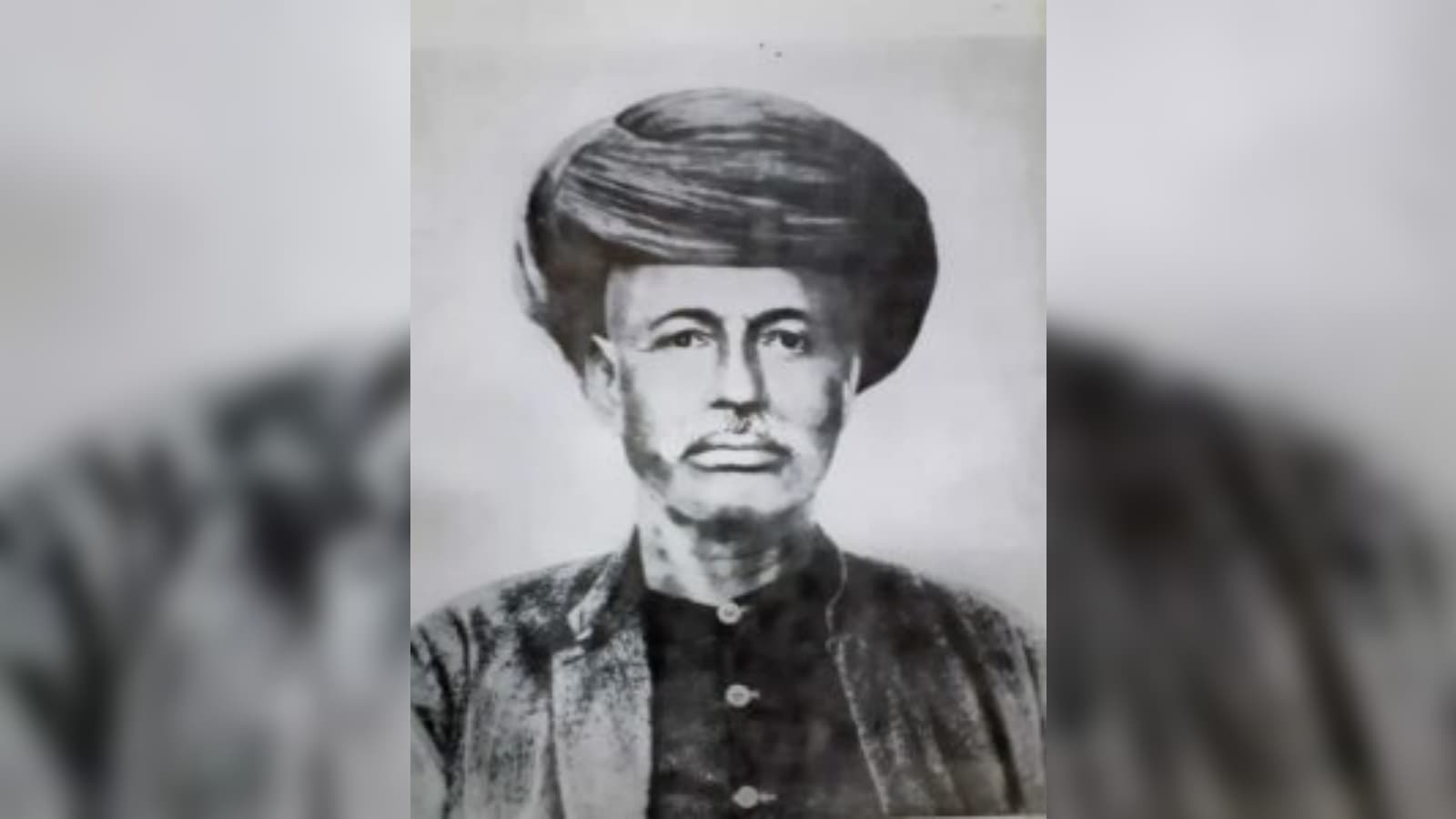
The enduring relevance of Jyotirao Phule does not lie in ceremonial remembrance but in the clarity with which he understood Indian society. He saw, long before others, that inequality here is structured through the combined force of class exploitation, caste hierarchy and patriarchy. These are not separate problems. They are intertwined systems that sustain each other.
Phule began by attacking the ideological roots of caste. He refused to accept that hierarchy was divinely ordained. Instead, he located it in history, conquest, and the systematic subjugation of the majority by a minority that monopolised knowledge and power. In Gulamgiri, he wrote with striking force: “The condition of the Shudras and Ati-Shudras is not very different from that of slaves in America.” That insight remains disturbingly relevant. Even today, caste determines access to land, education, employment and dignity. Atrocities against Dalits continue with alarming regularity. Entire communities remain trapped in degrading occupations. Yet, there is a growing attempt to blur these realities under the language of cultural unity. The insistence on a homogenised Hindu identity often sidelines the lived experiences of caste oppression. Critique of inequality is recast as an attack on tradition.
Phule did not stop at caste. He extended his critique to the economic structure of society. In Shetkaryacha Asud, he turned his attention to the peasantry and exposed the mechanisms of exploitation that governed agrarian life. Equally central to Phule’s thought was his understanding of patriarchy. Along with Savitribai Phule, he opened the doors of education to women at a time when society was deeply hostile to the idea.
Today, patriarchy remains deeply entrenched. Violence against women, discrimination in workplaces, and restrictions on autonomy continue to shape everyday life. At the same time, there is a visible push to reassert so-called traditional values, often presented as cultural pride. The ideological framework associated with the RSS and BJP tends to valorise a conservative social order, where hierarchy is normalised and dissent is discouraged. In such a setting, the struggle for women’s equality cannot be separated from the struggle against caste and class oppression. Phule’s work also had a profound influence on B R Ambedkar who himself acknowledged Phule as one of his intellectual predecessors. The Constitution, with its commitment to equality, liberty and fraternity, bears the imprint of this intellectual lineage.
When constitutional values are diluted, when inequality is normalised, and when dissent is delegitimised, we see a departure from the very principles that thinkers like Phule helped to shape. The attempt to replace social justice with cultural nationalism, to privilege identity over equality, and to silence critique poses a direct challenge to this legacy. Phule’s words continue to resonate because they address the foundations of inequality. They do not offer easy comfort. They demand that we look at society as it is, not as we would like to imagine it. They compel us to recognise that class exploitation, caste discrimination and patriarchy are not relics of the past. They are active forces shaping our present.
To engage with Phule today is a political necessity. It is about reclaiming a tradition of thought that places the oppressed at the centre, that values equality over hierarchy, and that insists on justice as the basis of social life. Phule is a guide for the present, and perhaps more importantly, for the future.
The writer is general secretary, Communist Party of India