

CJP matters because it is taking up the work parties have stopped doing
The question is not whether it becomes a registered party or whether all its demands survive the movement’s satirical form. It is why a formation born from mockery is now carrying claims that ordinary parties should have organised
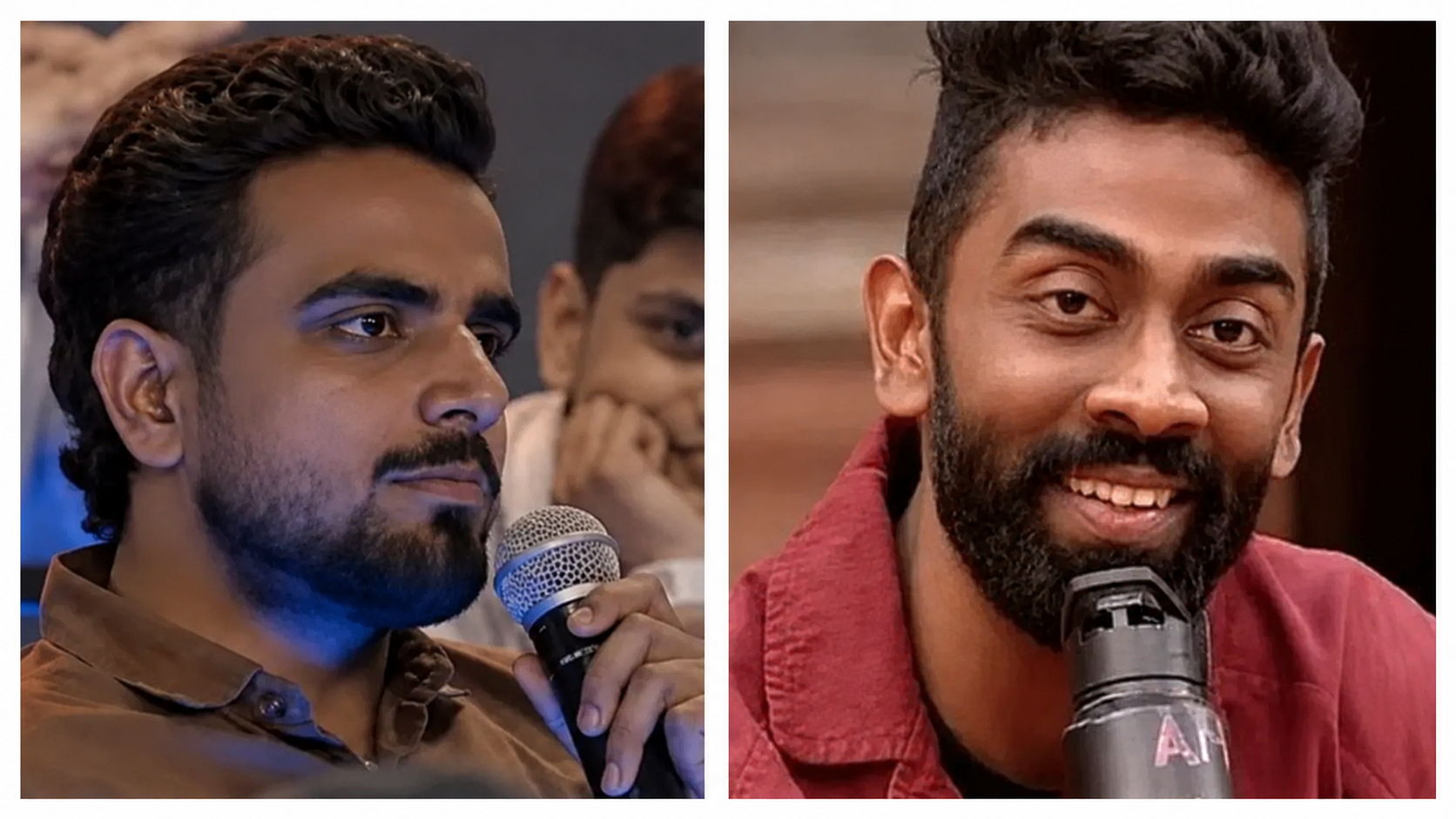
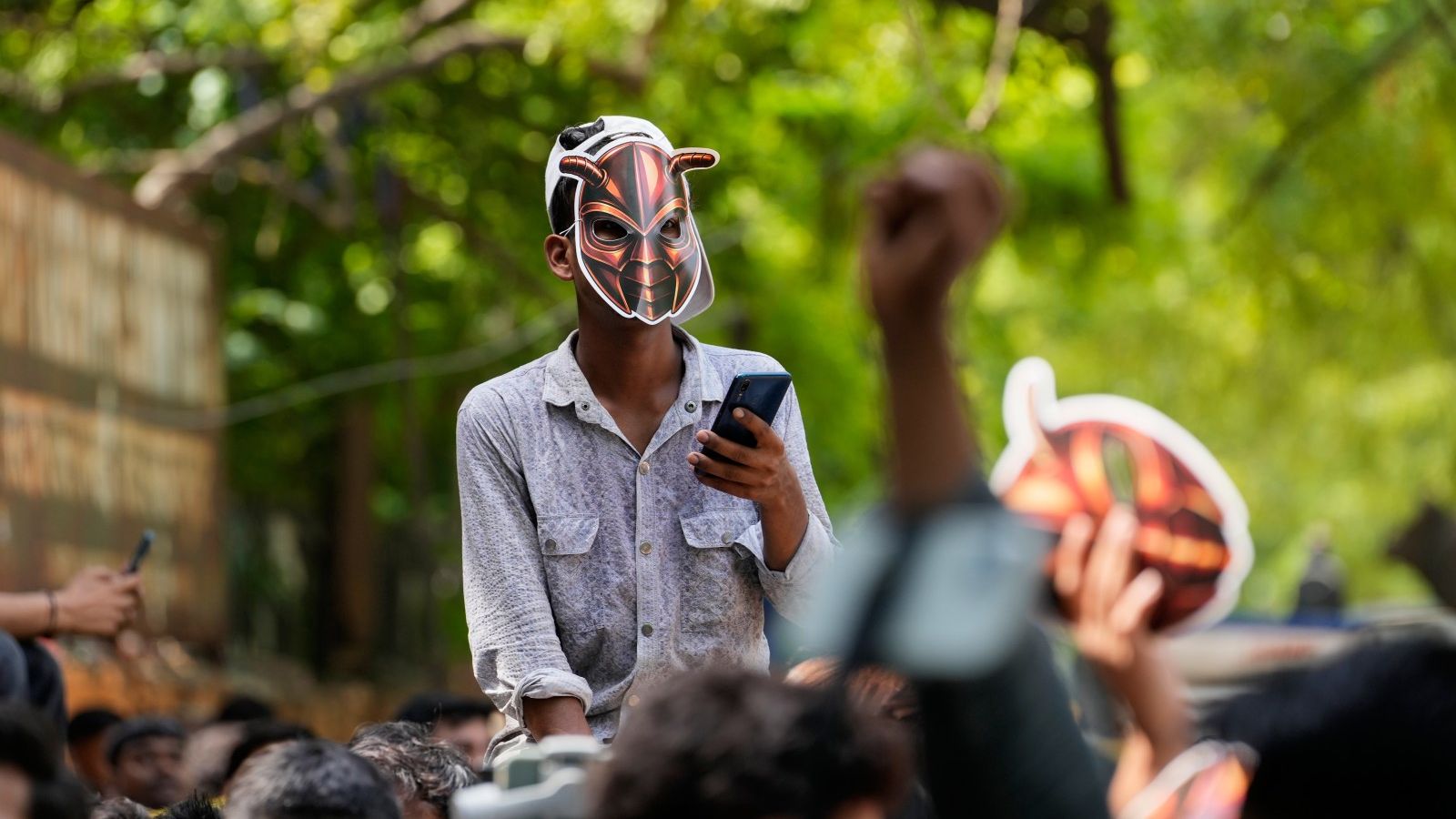
The Cockroach Janta Party (CJP) is significant not because it is already a party, but because a joke has become a form through which citizens are trying to make claims. When a formation with such an absurd name can command more online energy than many existing opposition formations, the important fact is not whether it is a surrogate formation or foreign, but that something this bizarre feels more credible to many young people than normal politics. That tells us less about the CJP than about the condition of representation in which it has appeared.
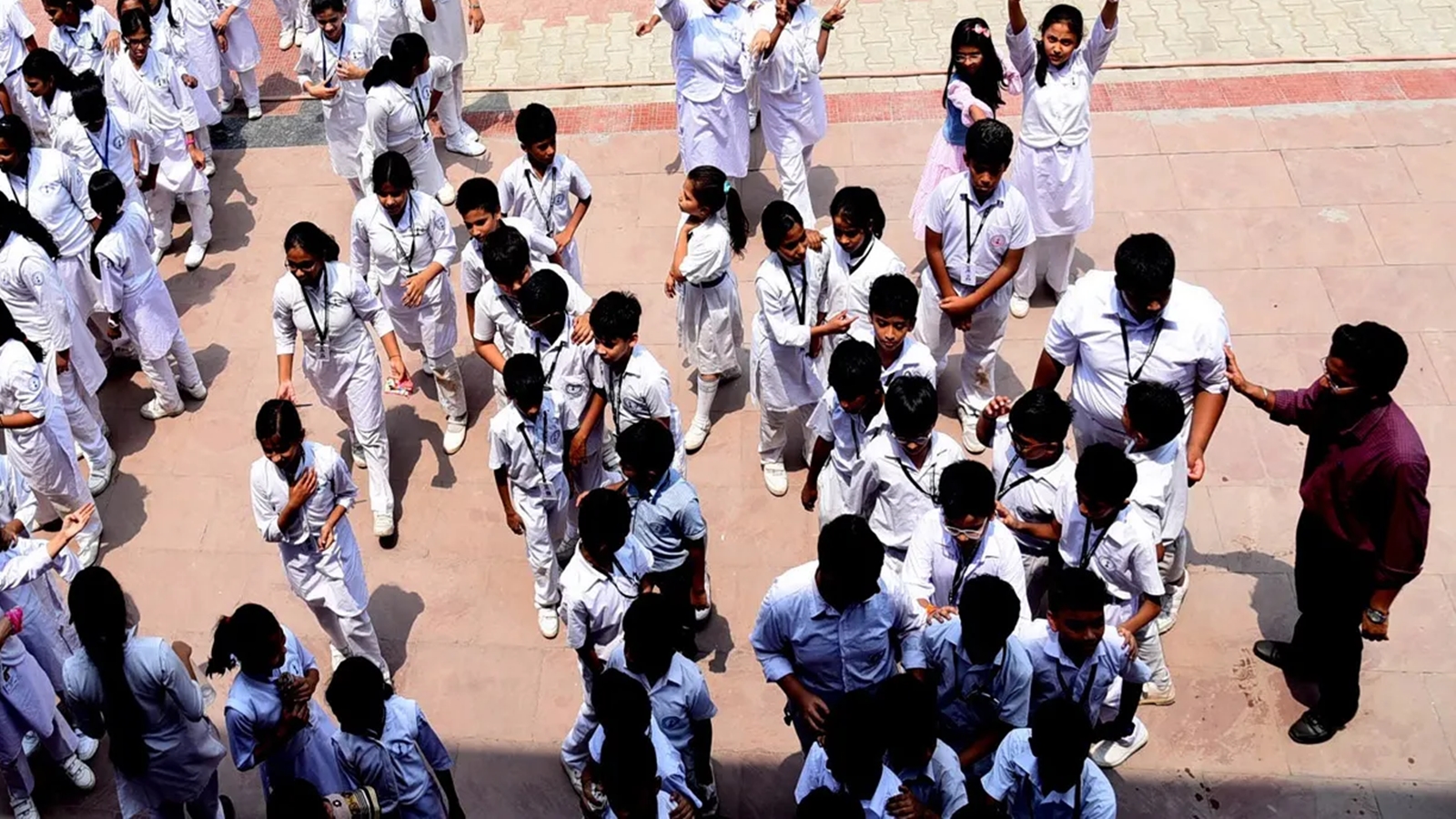
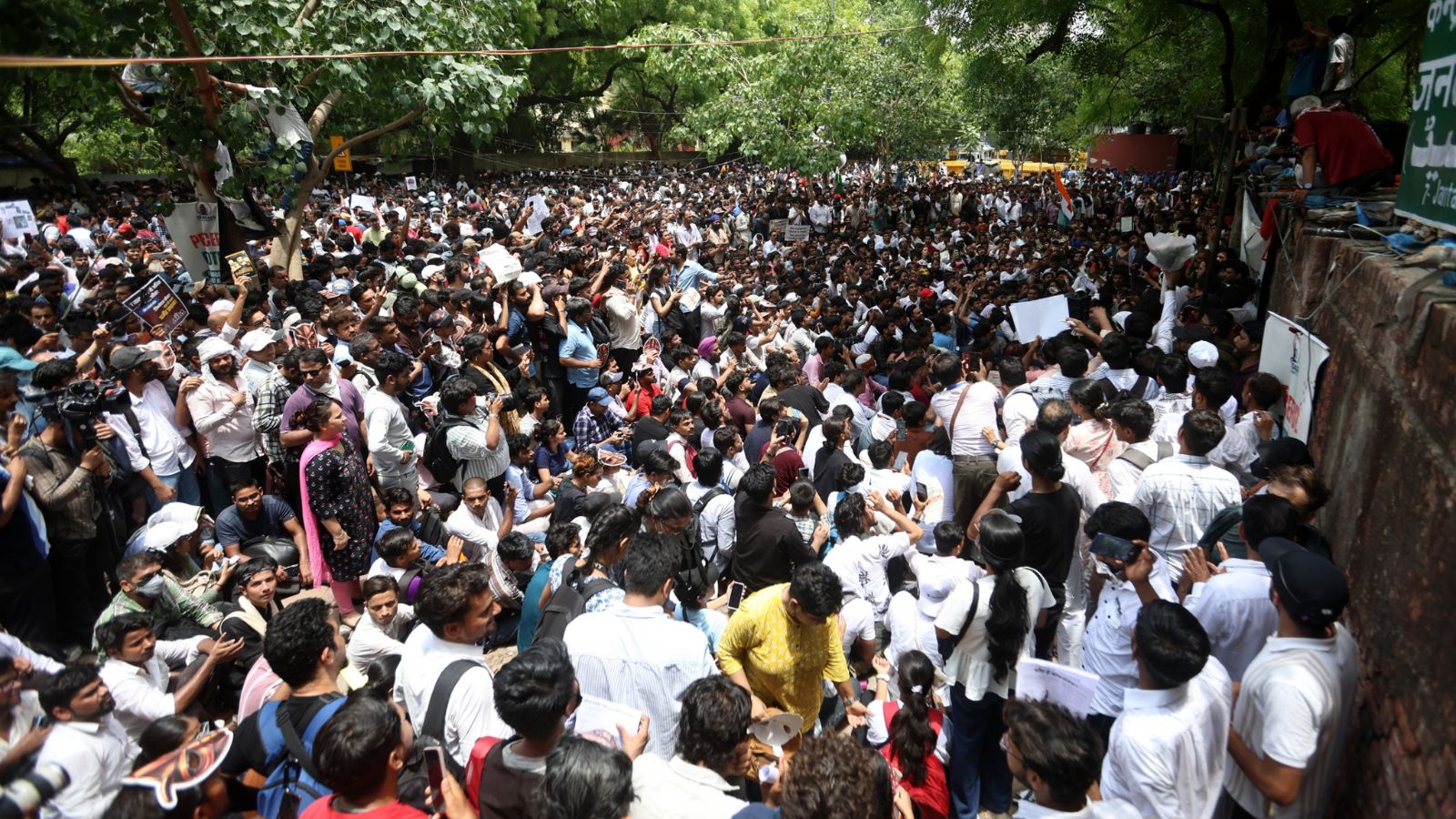
The move from online satire to street protest matters because it has given this anger a site. Its immediate object is education: Paper leaks, opaque examination systems, and the demand that the Union education minister be held accountable. But education is not just one sectoral grievance. As Pratap Bhanu Mehta recently argued (‘Dear students struggling with exam chaos and scams’, IE, June 5), India’s exam regime has become a political economy of scarcity and controlled aspiration, where young people are pushed into private coaching, arbitrary systems, and exhausting competition, and then asked to treat institutional failure as private stress. A politics attentive to this anger would ask why opportunity has been made so scarce and why public systems impose such high costs on the young. Most parties do not do that work. They reduce the crisis to resignations or managerial reform.
This is why the demands circulating around the CJP, however uneven and unsettled, are politically revealing. Their common thread is not a manifesto but a fear: That when institutions fail, accountability is not equally available to all citizens. Whether the issue is education, post-retirement rewards for judges, vote deletion, media concentration, or defection, the anxiety is that the powerful encounter the state as negotiable while the weak encounter it as arbitrary. That failure is visible in education, but it is not confined to it.
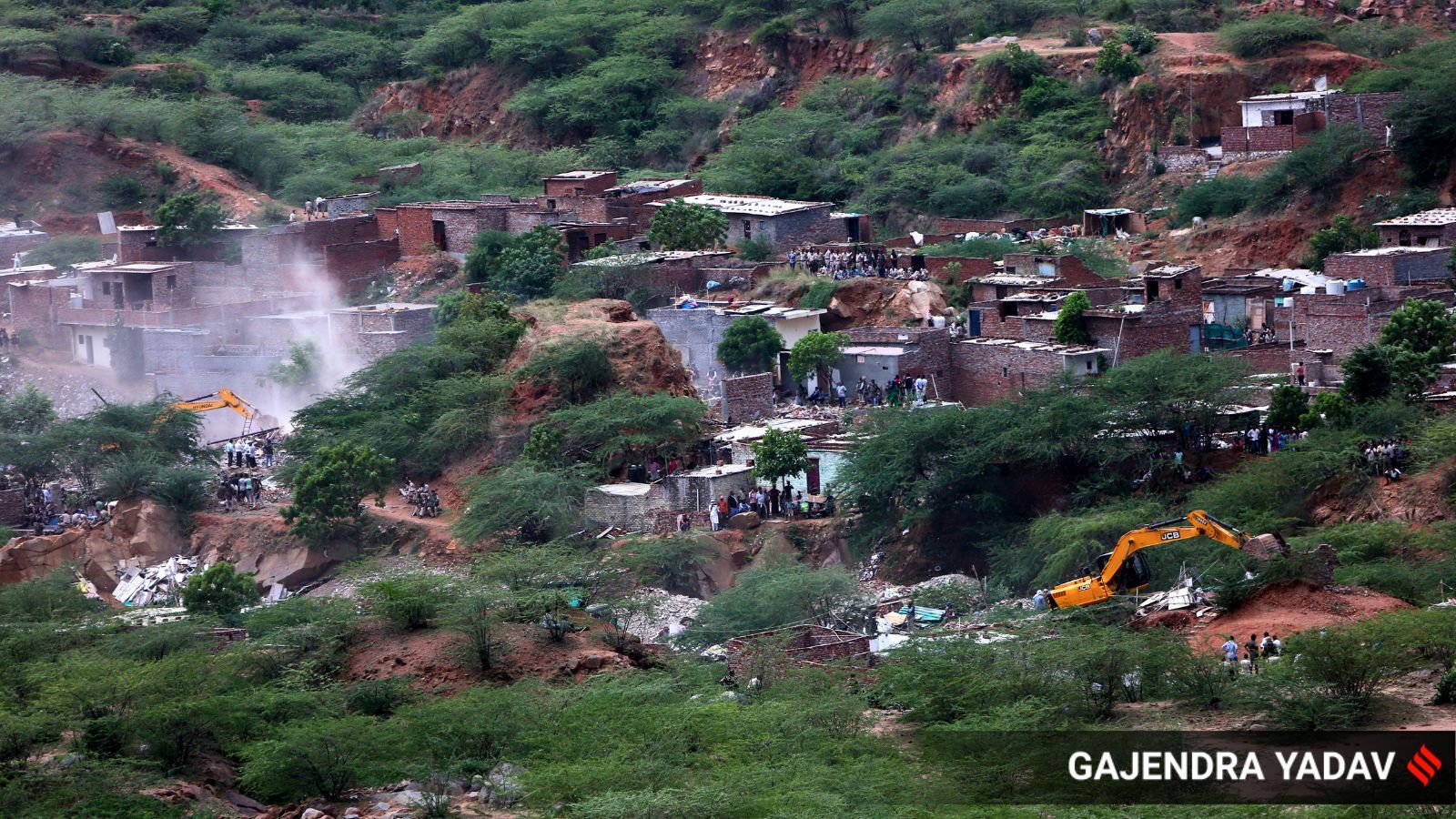
The Noida workers’ protest a couple of months ago, already fading from public memory, shows what this unequal citizenship looks like in practice. The workers’ immediate demands were for higher wages, overtime, better working conditions, and the implementation of what the state itself had promised. But the protest was not only about a wage notification. It was about whether the urban poor can appear in Indian politics as citizens with claims, or only as workers to be managed and beneficiaries to be counted. Noida, like many Indian cities, depends on workers who have little secure claim on the city they help produce. They live with low wages, high rents, weak services, and uncertain work, but their discontent rarely appears in politics as a question of class or citizenship.
This is where the failure of party imagination becomes visible. India has millions of urban and peri-urban workers. Which major political party has tried to make them central to its account of Indian politics? Parties mobilise them as voters, speak of them as beneficiaries, and occasionally address them through minimum wage promises. But they do not usually organise their larger demand for a fairer state: One that links wages to health, housing, education, and bargaining power. A large constituency exists in social life, but not in political imagination. The question, then, is what parties have offered in place of such a politics.
Over the last decade, parties have increasingly answered this kind of discontent through what Yamini Aiyar and Neelanjan Sircar have termed techno-patrimonial welfare: A system in which digital delivery makes welfare faster, more visible, and easier to attribute to a leader, while turning the citizen into a labharthi. The last few state elections show the pattern clearly: Cash transfers to women, allowances for unemployed youth, subsidised electricity, and state-backed health insurance. These are no longer marginal promises; they have become the central language through which parties respond to social distress. This is not because these benefits do not matter. For households living close to the edge, they matter enormously.
But they also reveal what parties are refusing to do. Anger about wages, weak public services, and insecure work is translated into a cash transfer or a subsidy. The grievance enters politics as a question about the structure of opportunity and leaves as a benefit. The deeper problem is that this model allows parties to avoid the hard work of party politics. They do not have to build organisations that hear claims, aggregate interests, negotiate conflicts, and produce ideological coalitions. They have to identify beneficiaries, deliver benefits, and claim political credit. As welfare becomes more digital, centralised, and leader-attributed, the party organisation is not abolished. It is repurposed: Less a forum for converting discontent into politics, more a machine for mobilisation and attribution.
This is where James Ferguson’s idea of anti-politics becomes useful. The problem is not only that the bureaucracy converts political questions into technical problems. Parties often do something similar through competitive politics itself. They answer unemployment through allowances, education distress through “fairer” retests, and health insecurity through insurance. These responses may be necessary, and in many cases, they provide real relief. But they also narrow the question. They turn claims about work, opportunity, and public goods into instruments of delivery.
The Aam Aadmi Party matters because it came closest to showing another possibility. Its work on schools, clinics, water, and electricity made the state credible in everyday life, and that achievement should not be understated. Credible delivery of public goods is constitutive of democratic politics. But delivery becomes politically durable only when it is tied to an account of the society it is trying to build. A public school has to become an argument about equality in an unequal city; a clinic has to become an argument about health as a right. AAP built trust among urban voters through delivery, but it did not consistently turn that trust into a larger political account of who those voters were and what the city owed them. Without such an account, the coalition remained dependent on administrative performance rather than ideological attachment.
This is why the CJP matters. It has exposed the work parties have stopped doing. The question is not whether it becomes a registered party, or whether all its demands survive the movement’s satirical form. It is why a formation born from mockery is now carrying claims that ordinary parties should have organised. That is the point of its unlikely appeal: A joke is carrying institutional anger because parties have learned to process grievance without organising it.
The writer is a political scientist and co-founder of the Data Action Lab for Emerging Societies (DALES)