

Cannes and the feminist blind spot
How many women past 60 figure in media-led feminist discourses on fashion and beauty? How much do we get to hear of their fear of disease and dependency after crossing 70?
It was the dismal October of 1987, the year of the stock-market meltdown in the US, when a French fashion designer, Christian Lacroix, chose to launch a “luxe” collection at a society gala on Wall Street. It was no mere accident. The fashion industry had already dubbed this genius as the “messiah”. So while the ardour for fashion was plunging along with the stocks, he rescued the fashion and beauty industry in that best of years, the worst of years.
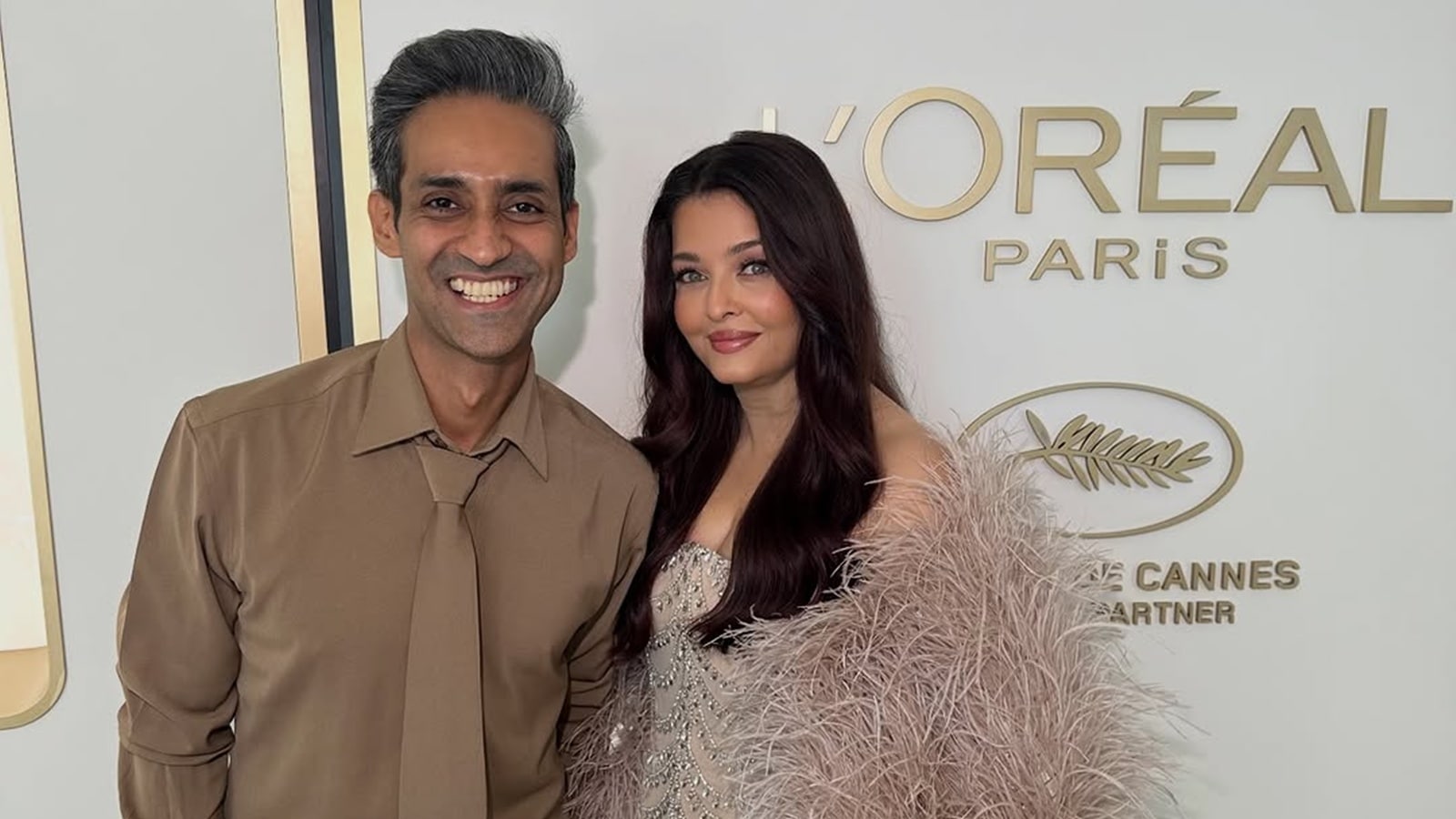
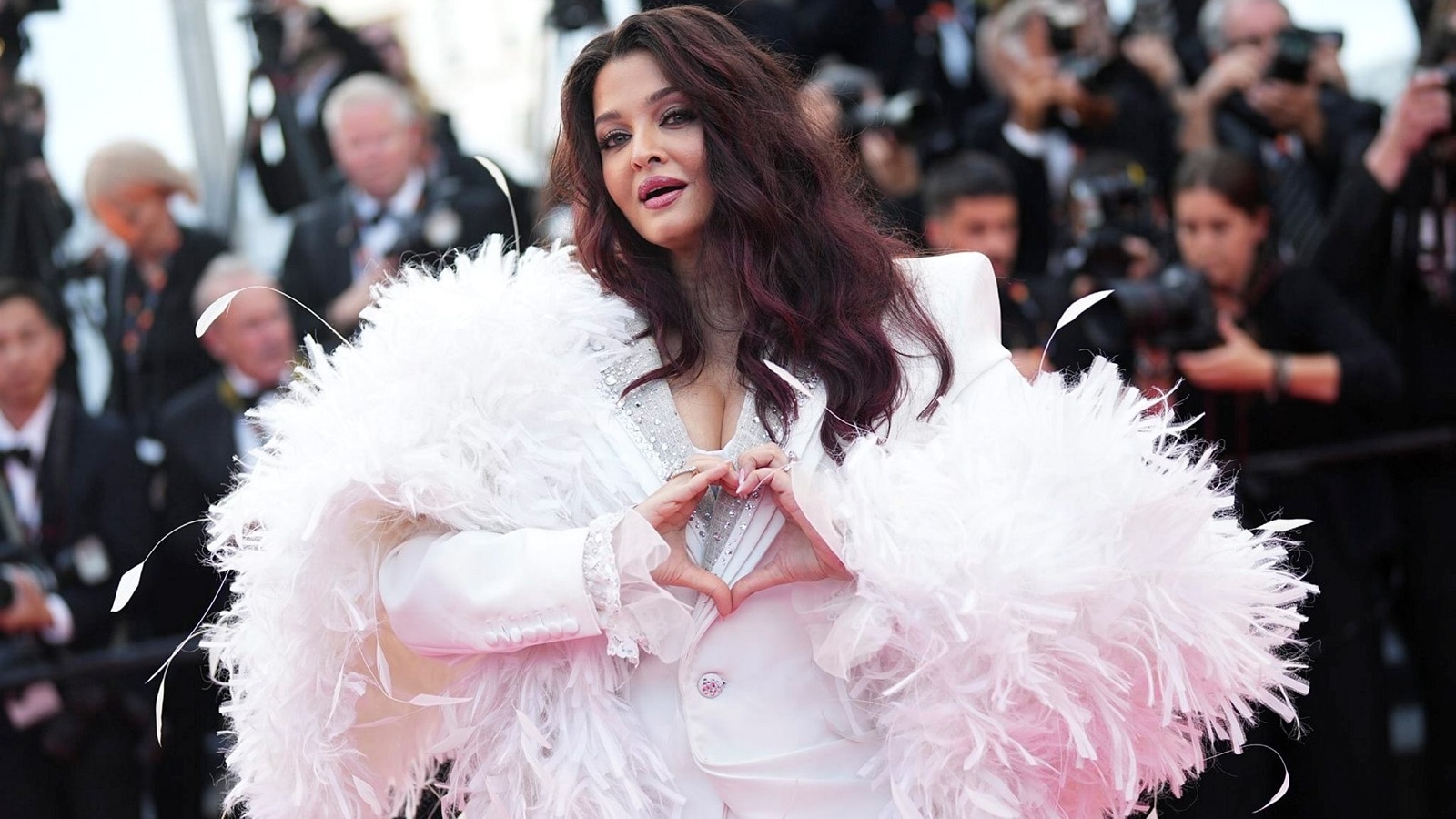
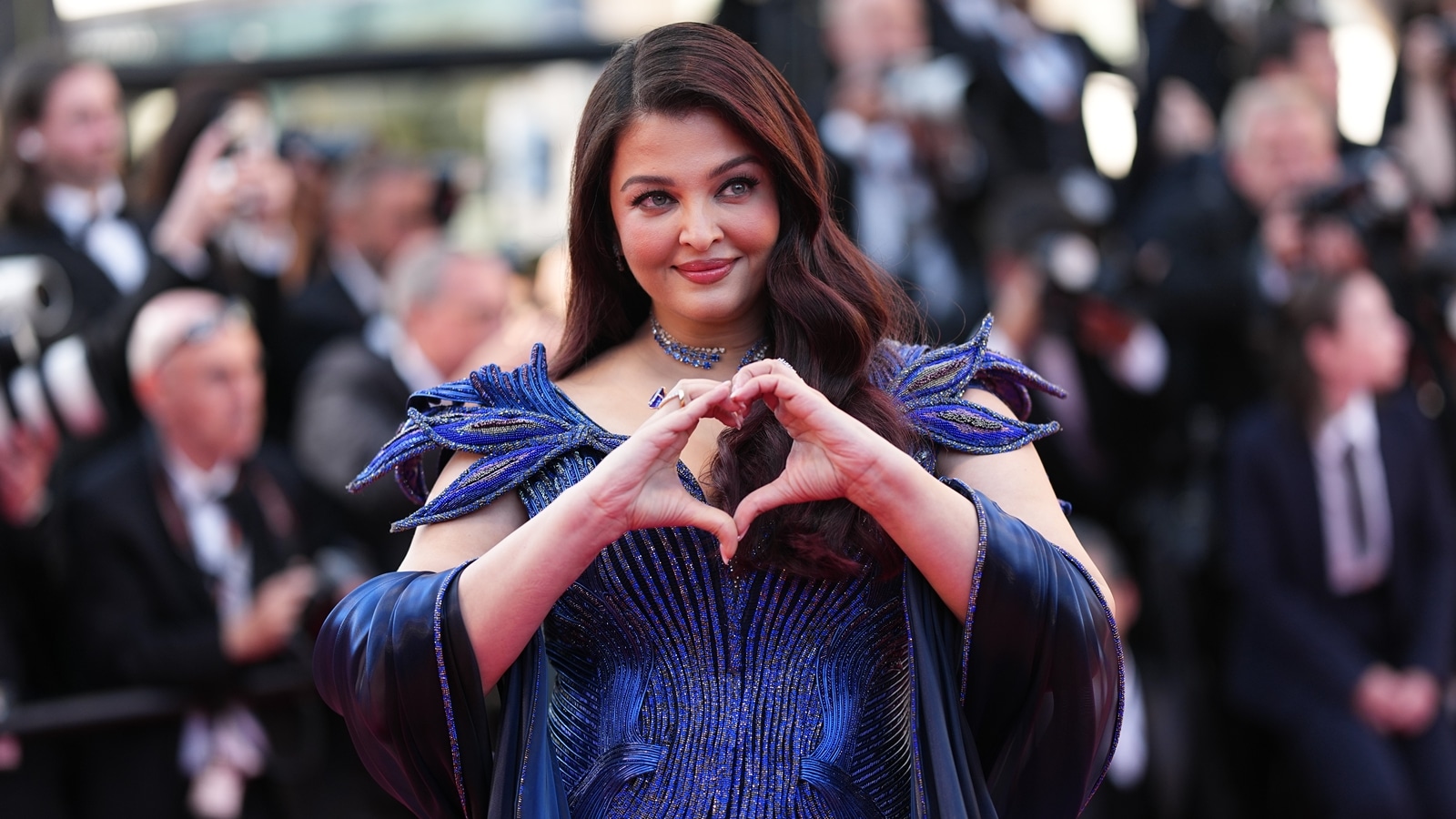
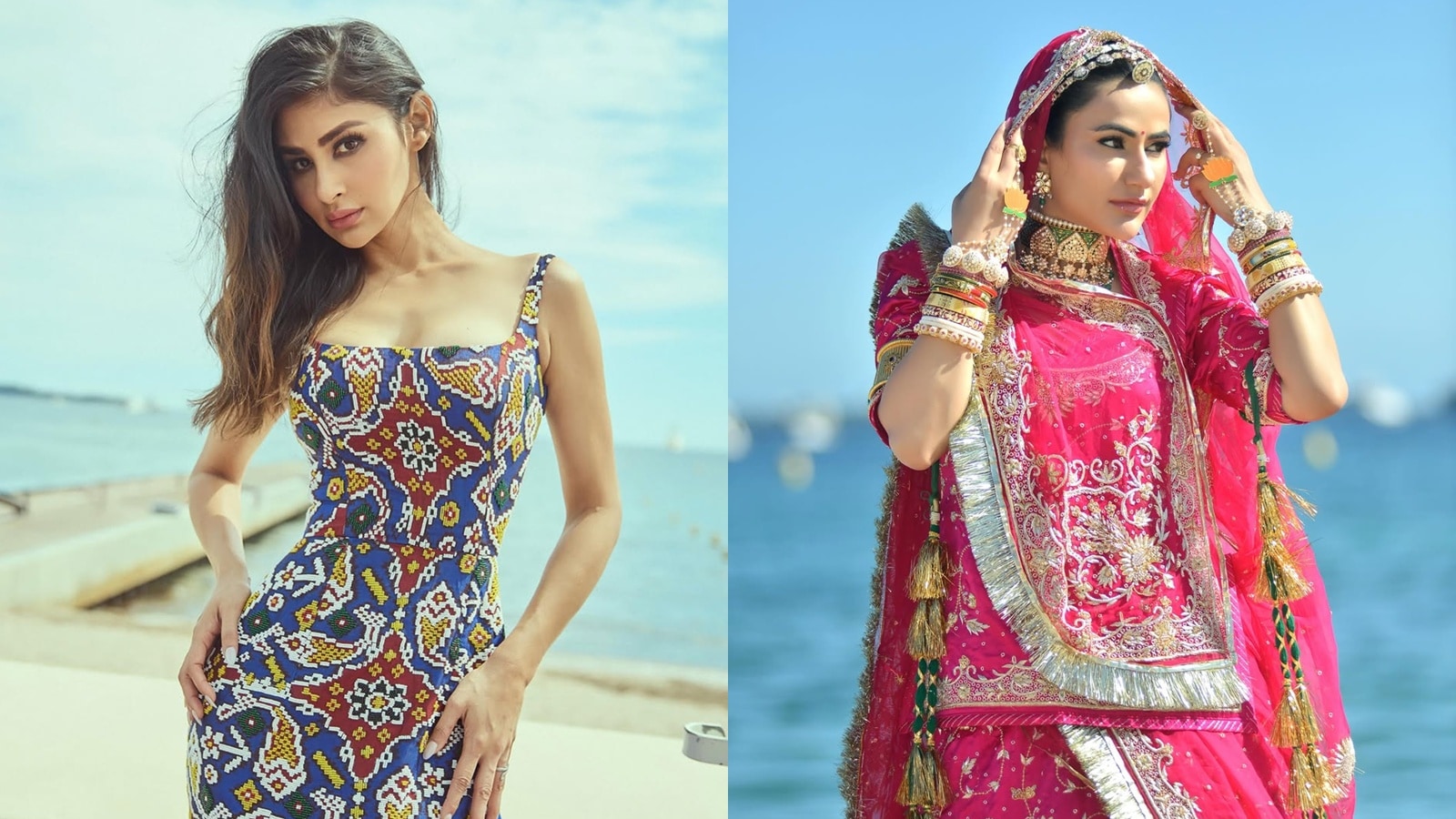
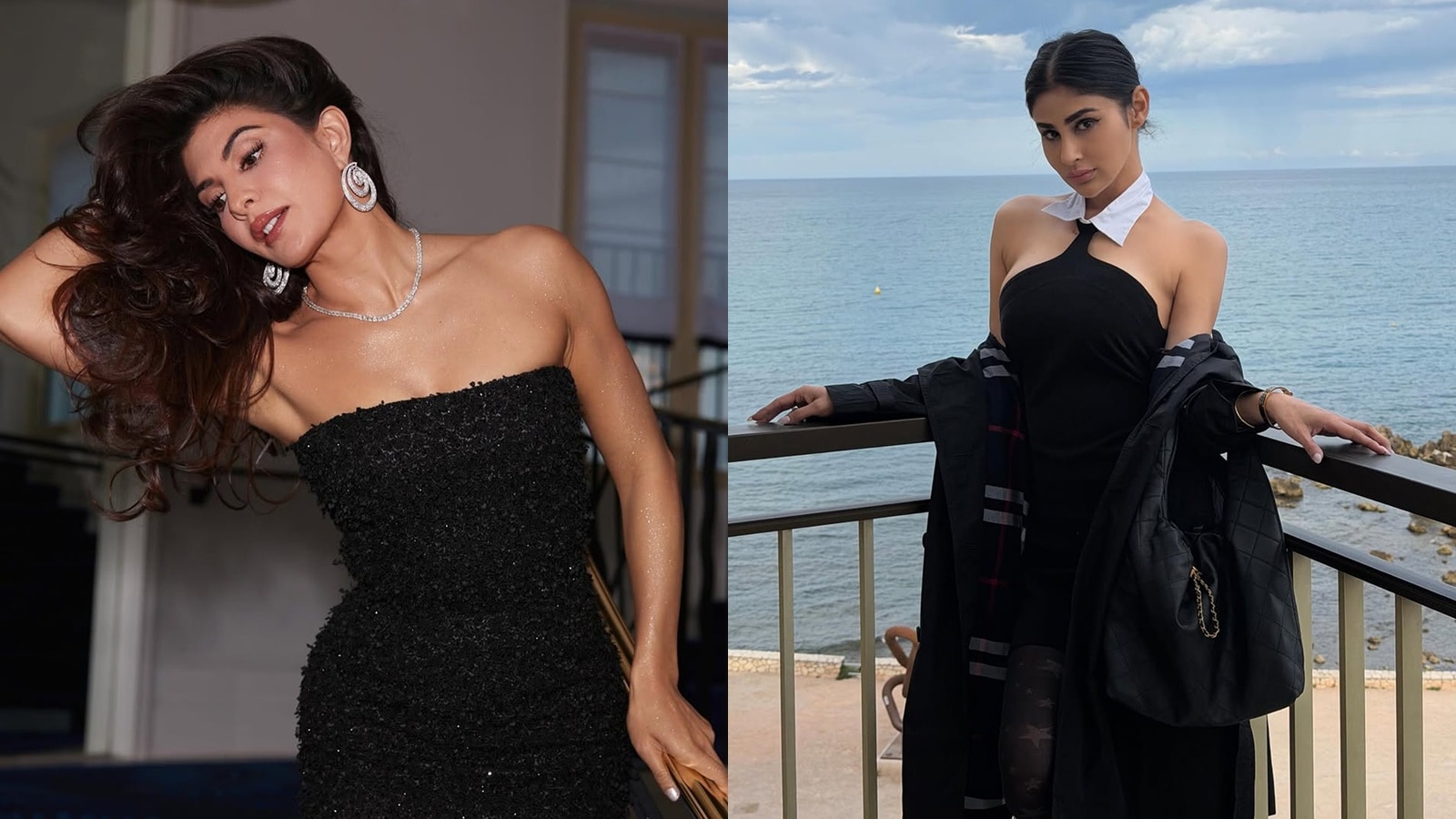
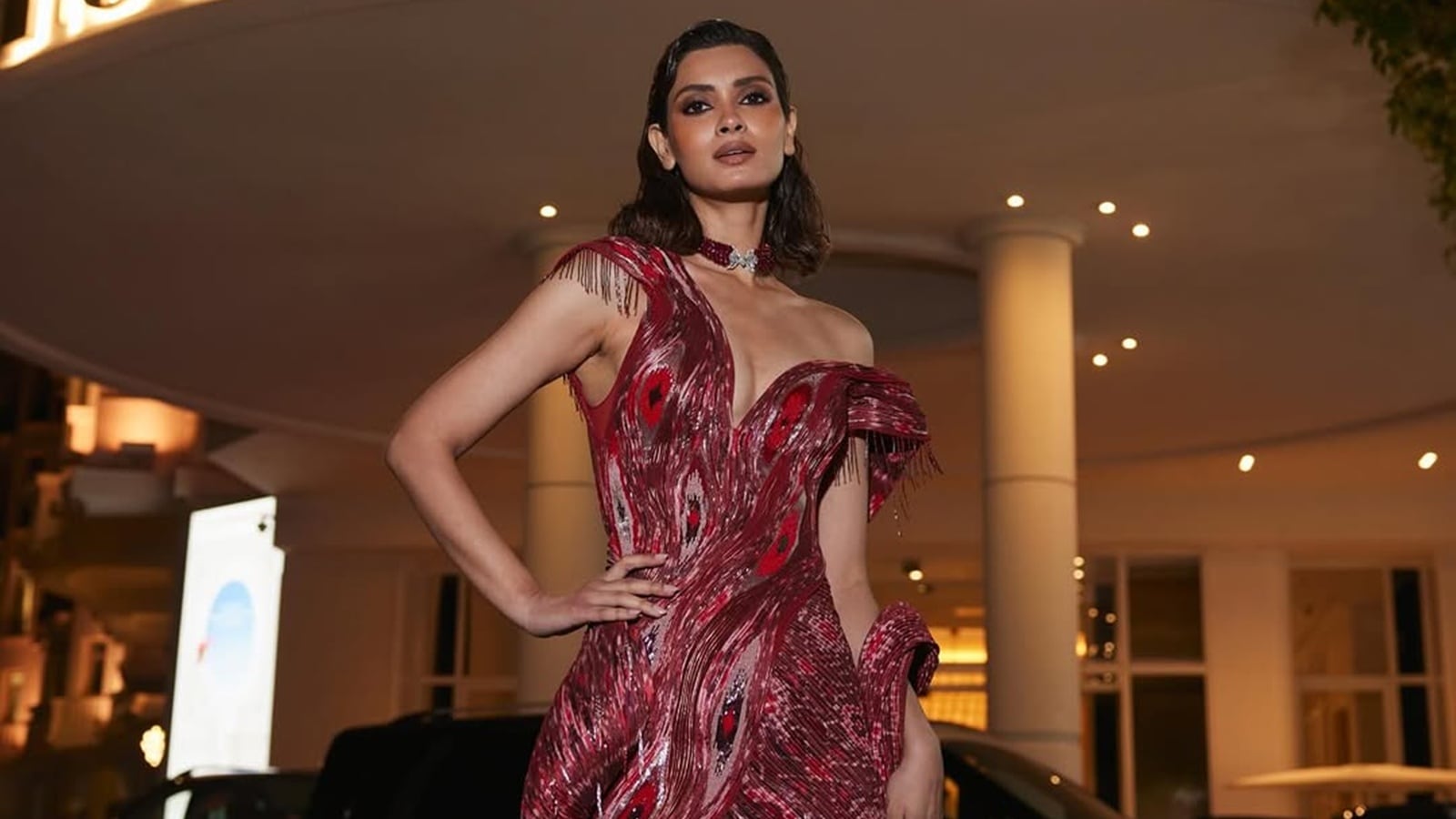
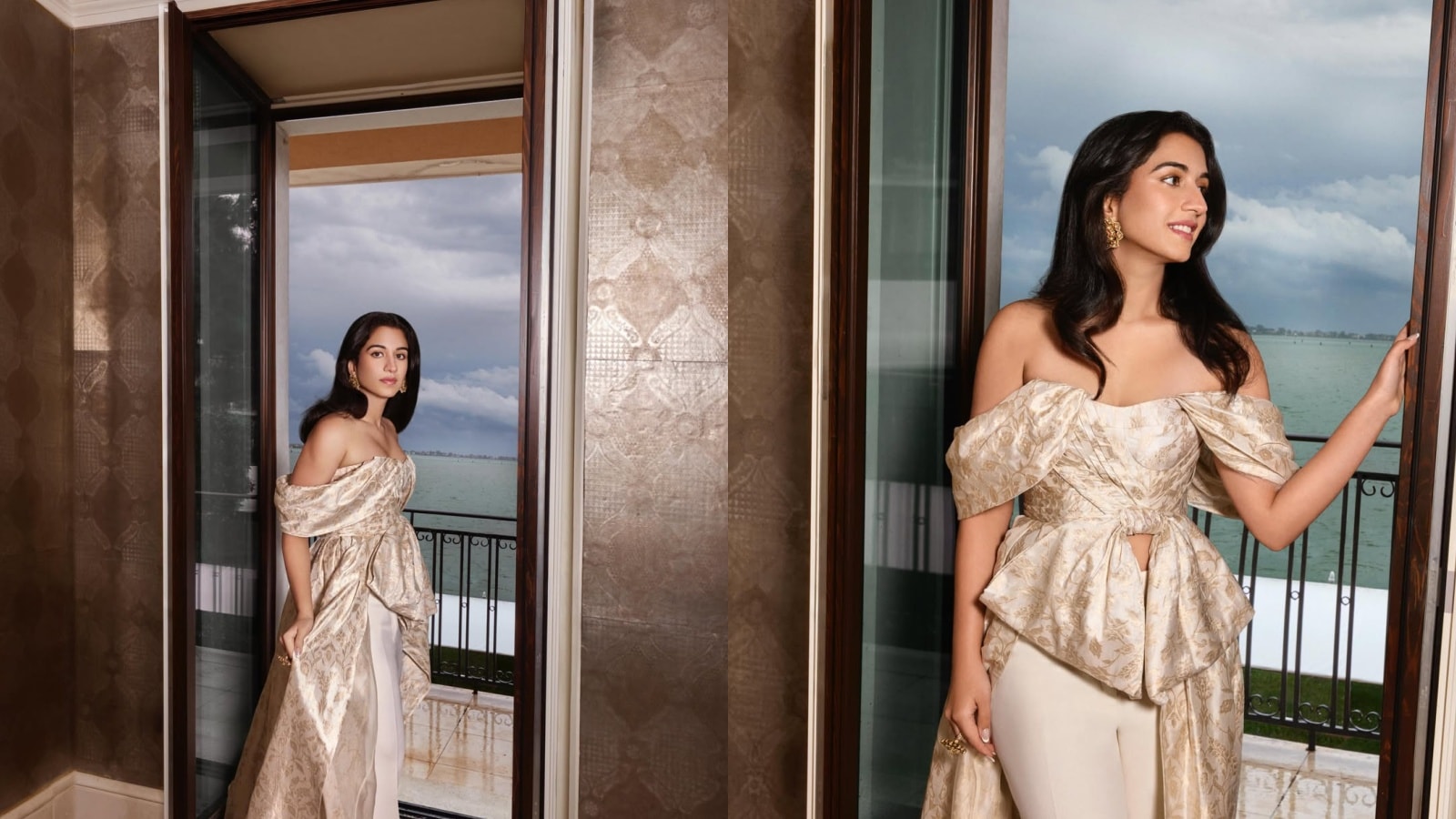
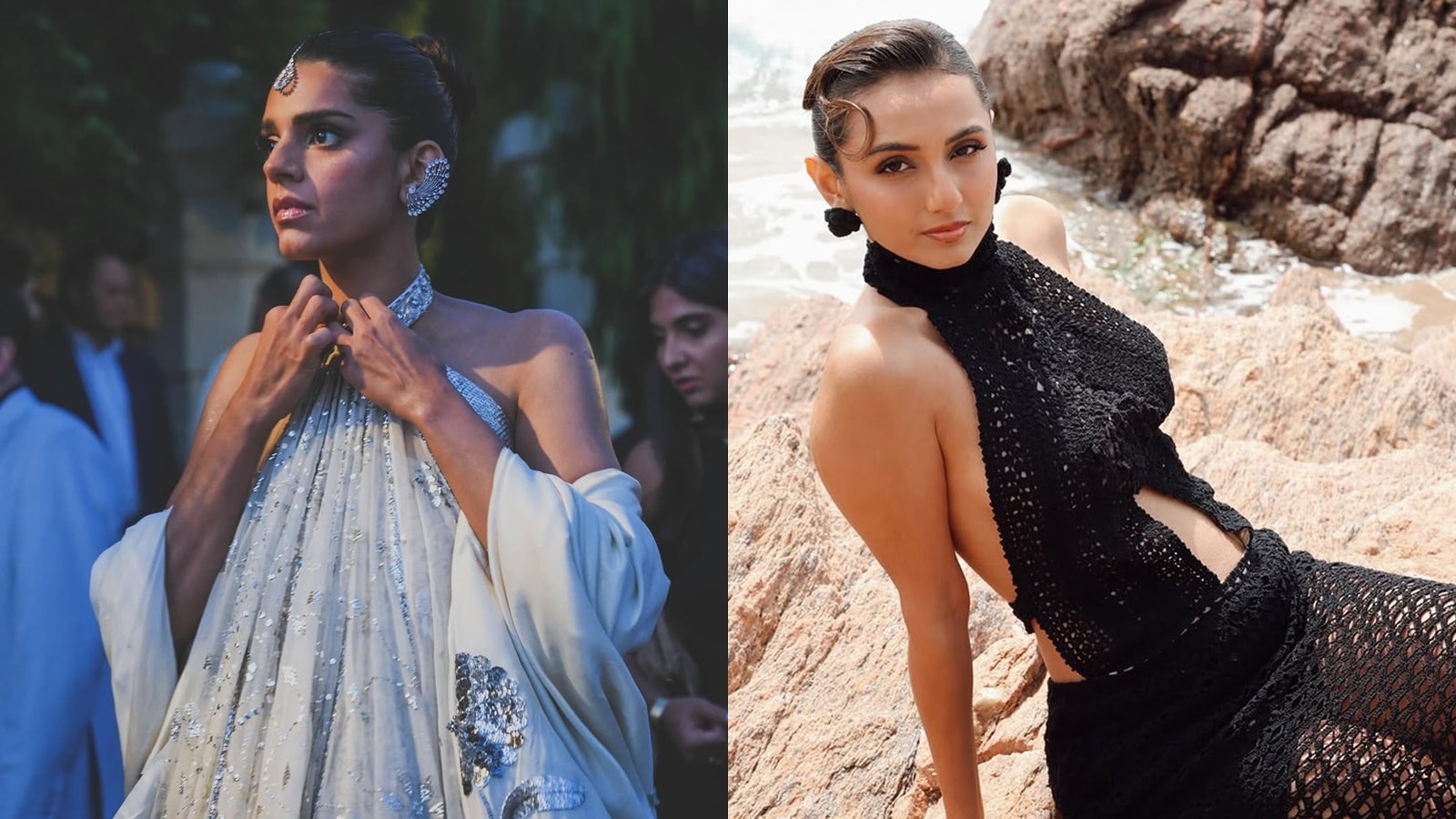
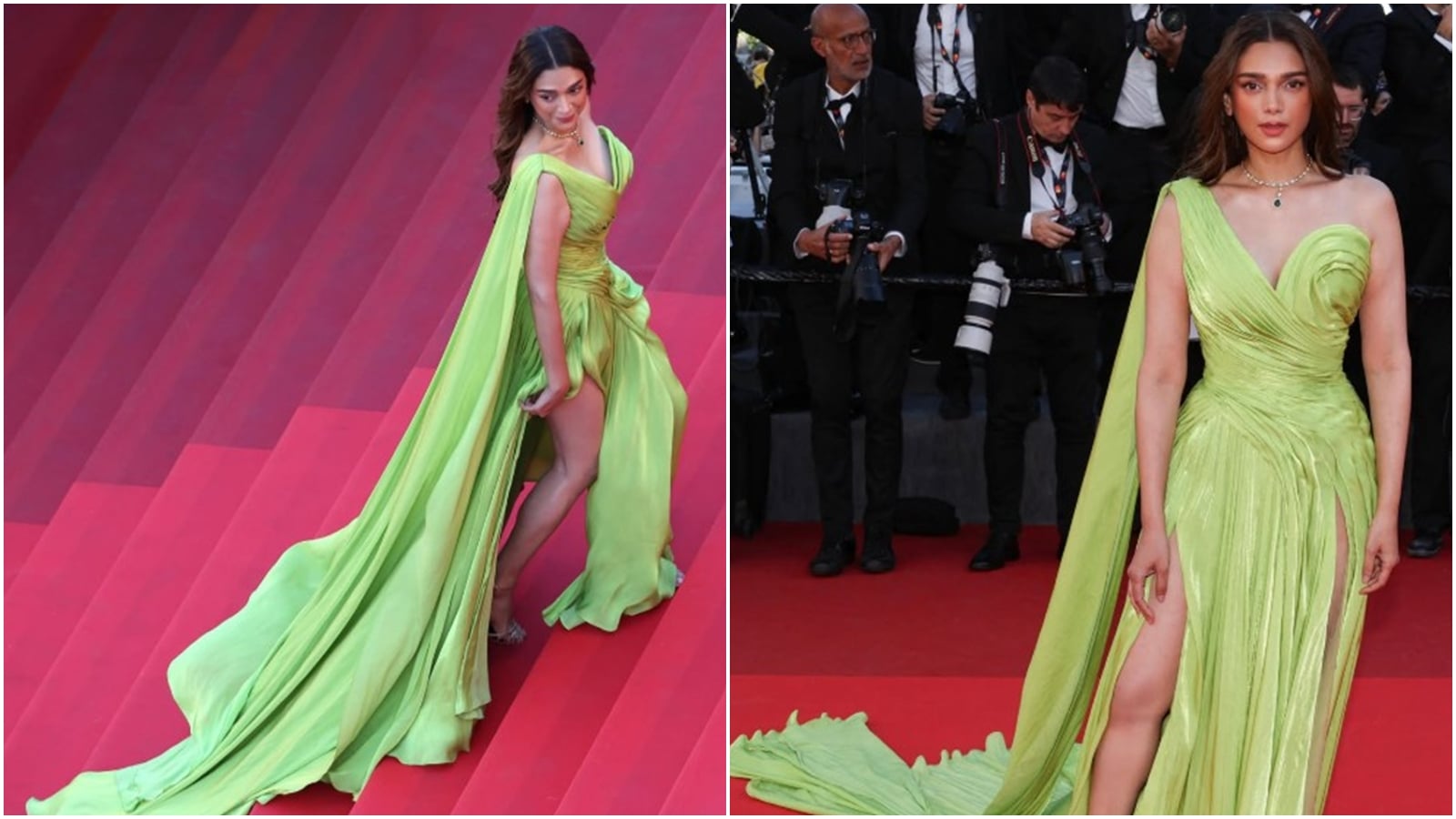
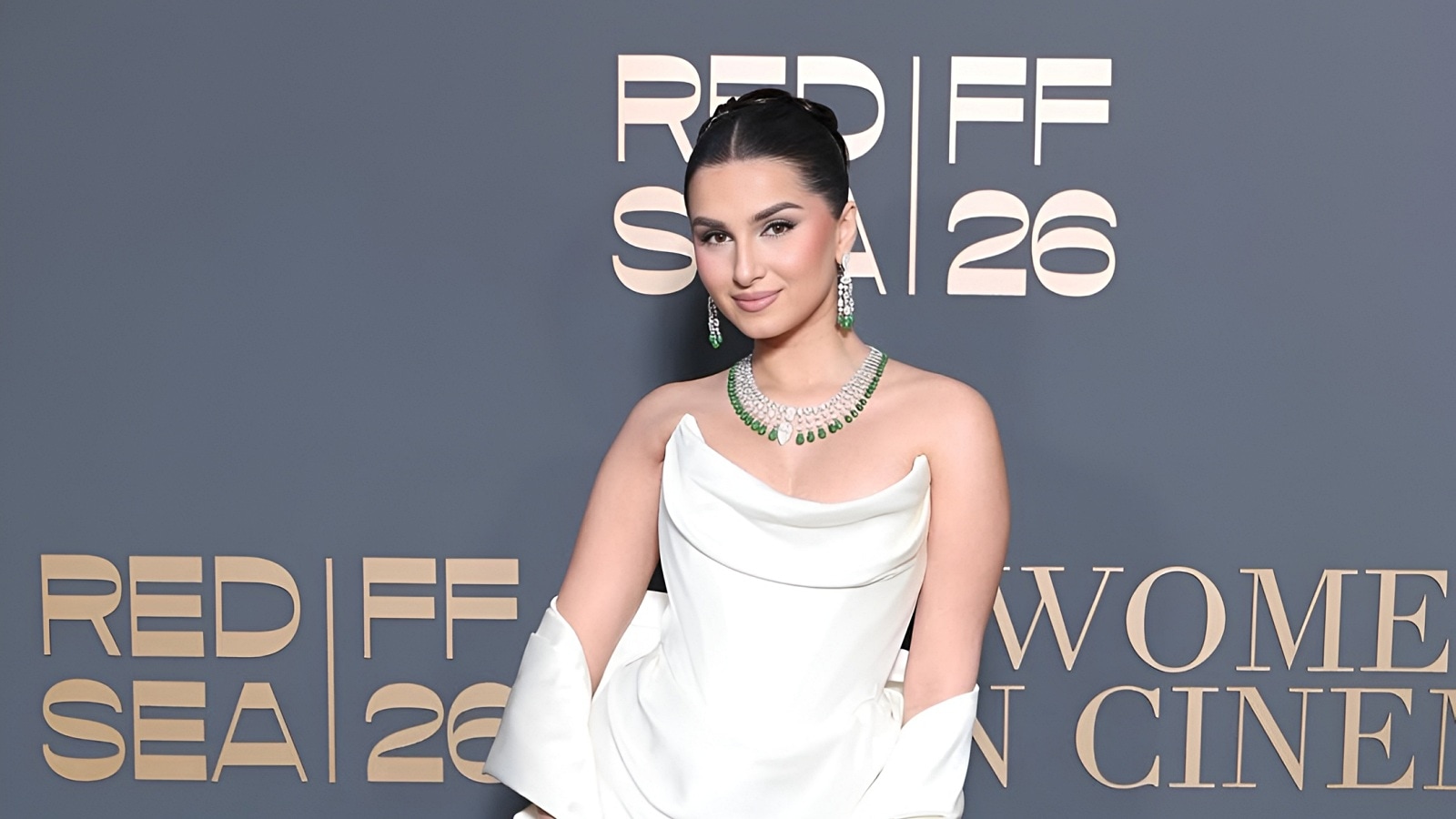
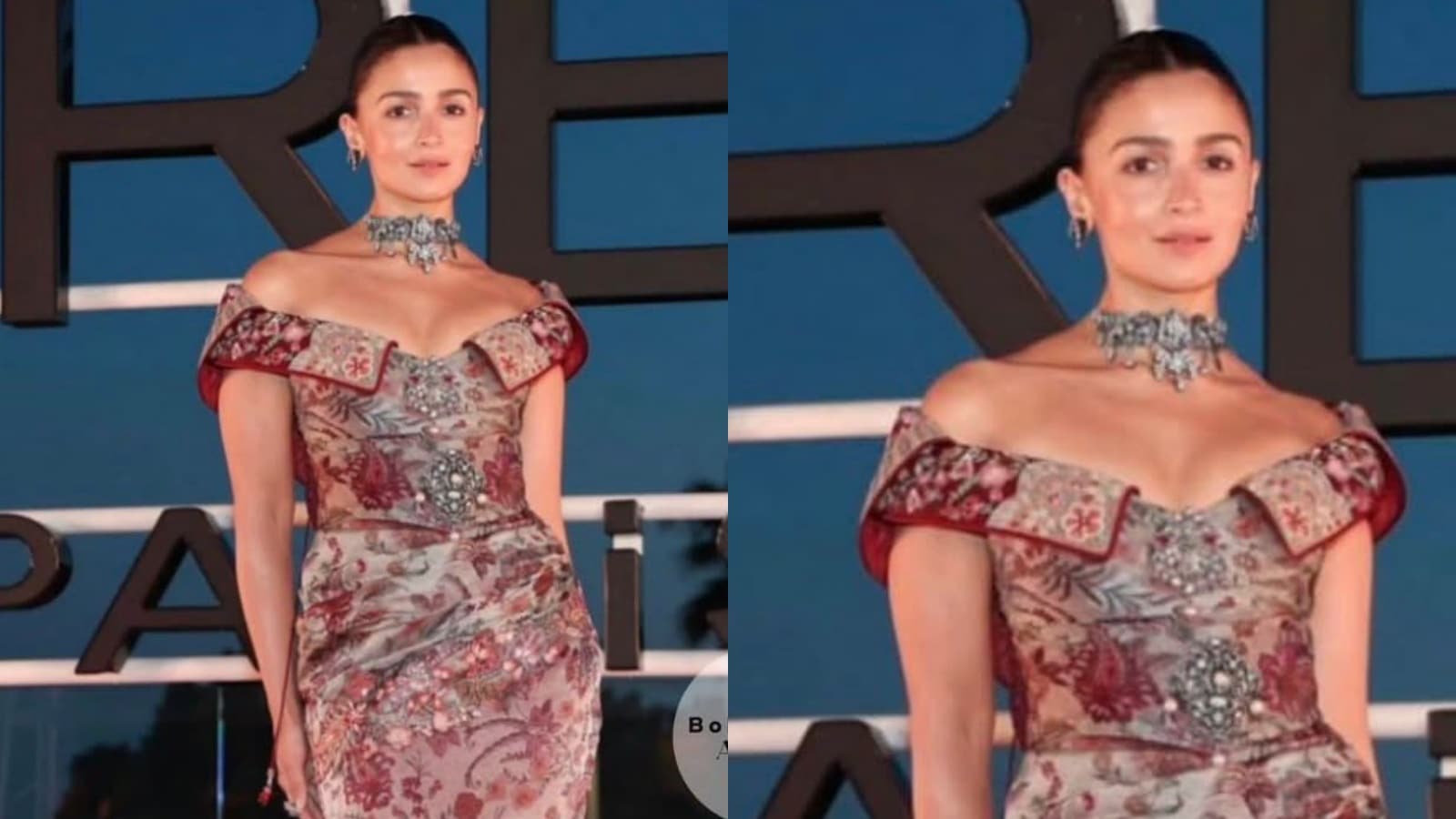
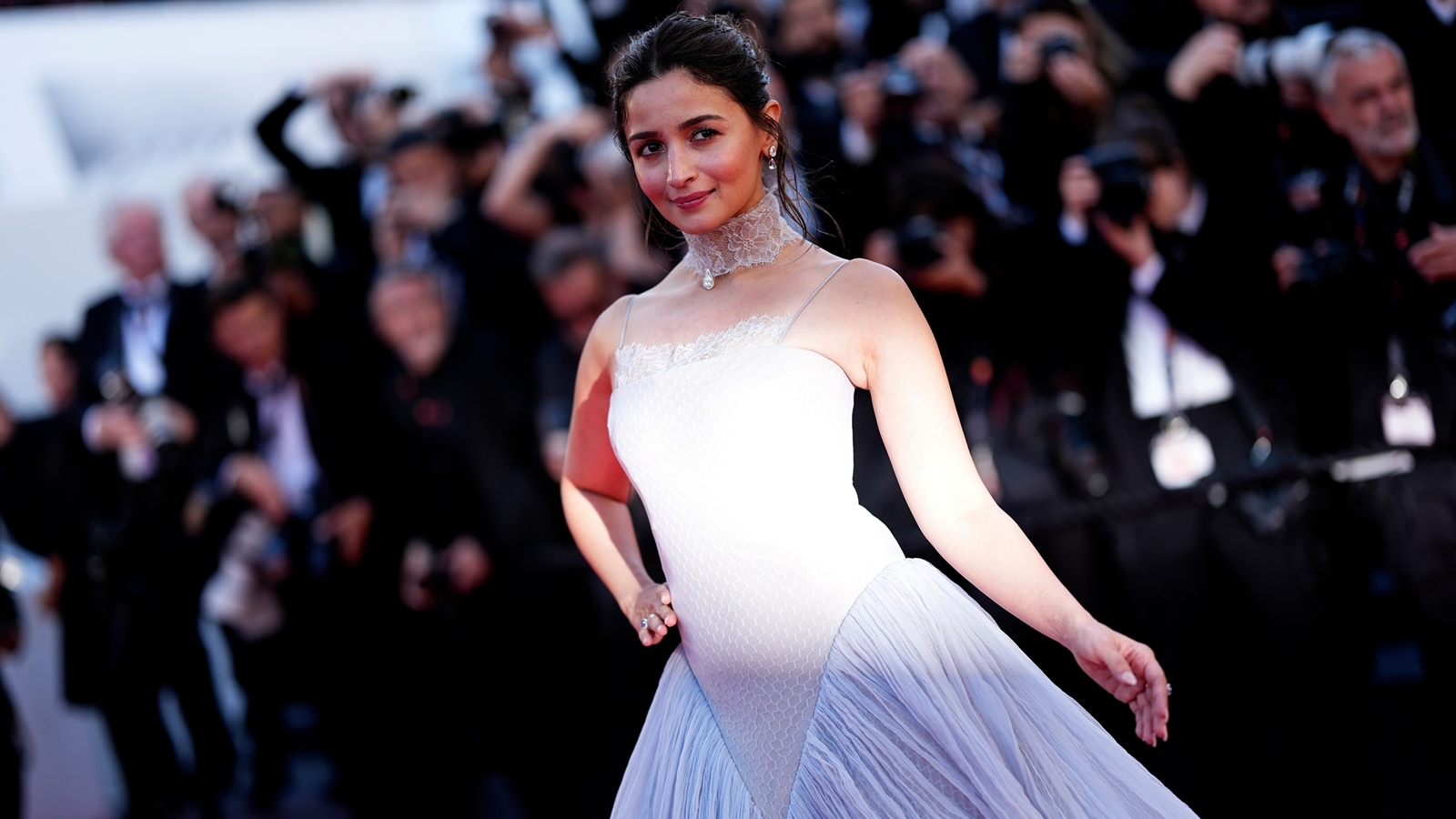
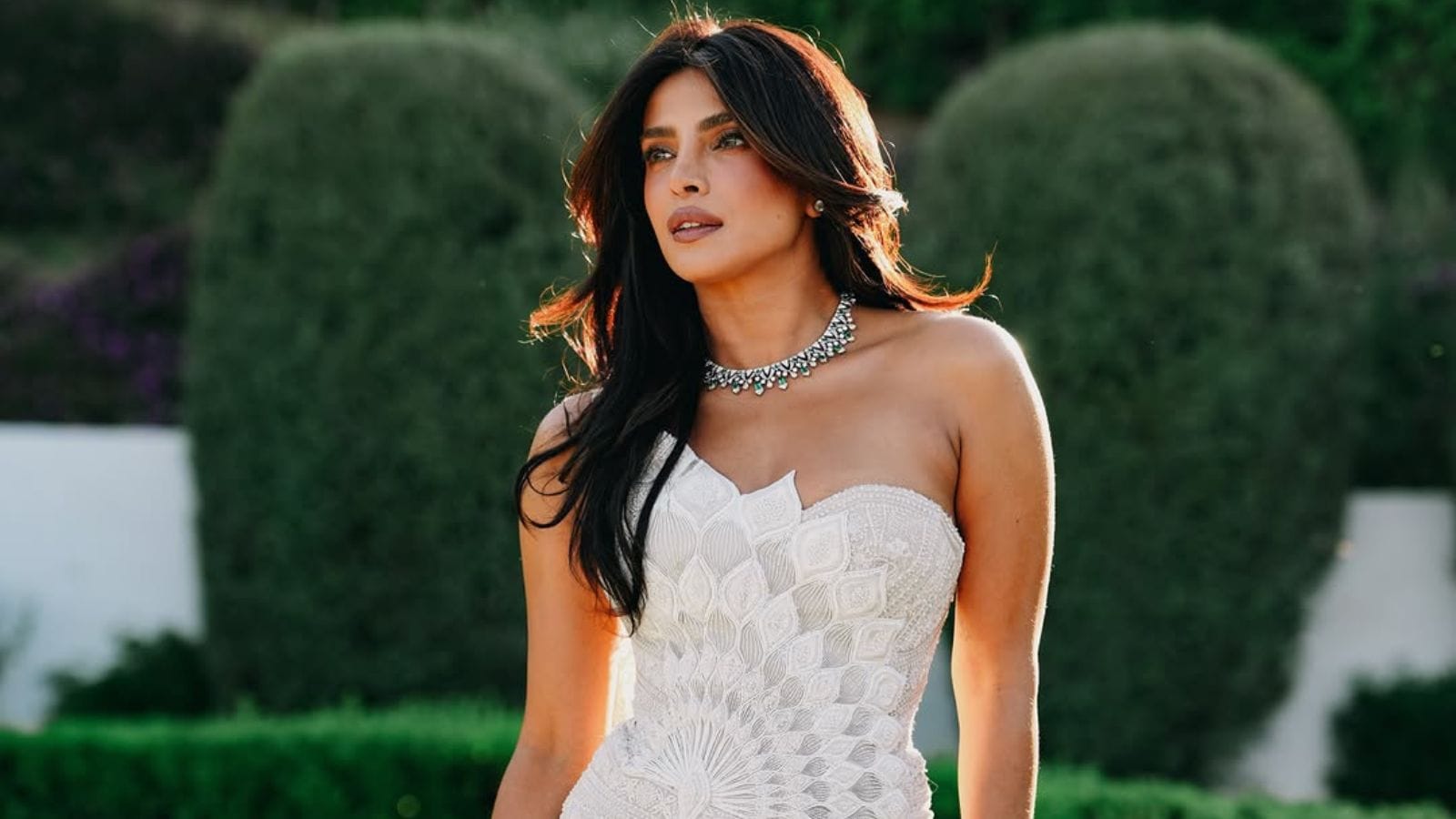
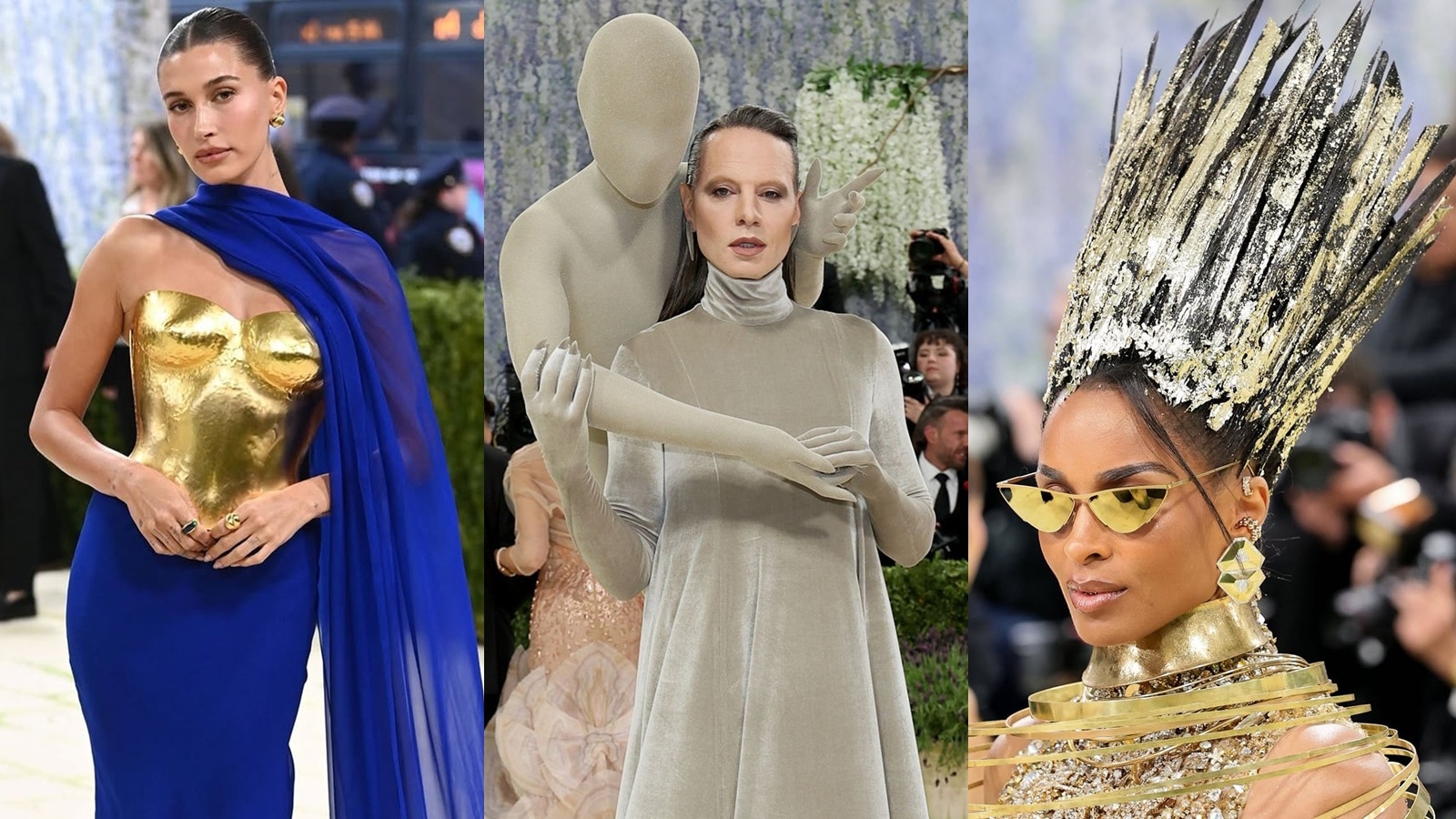
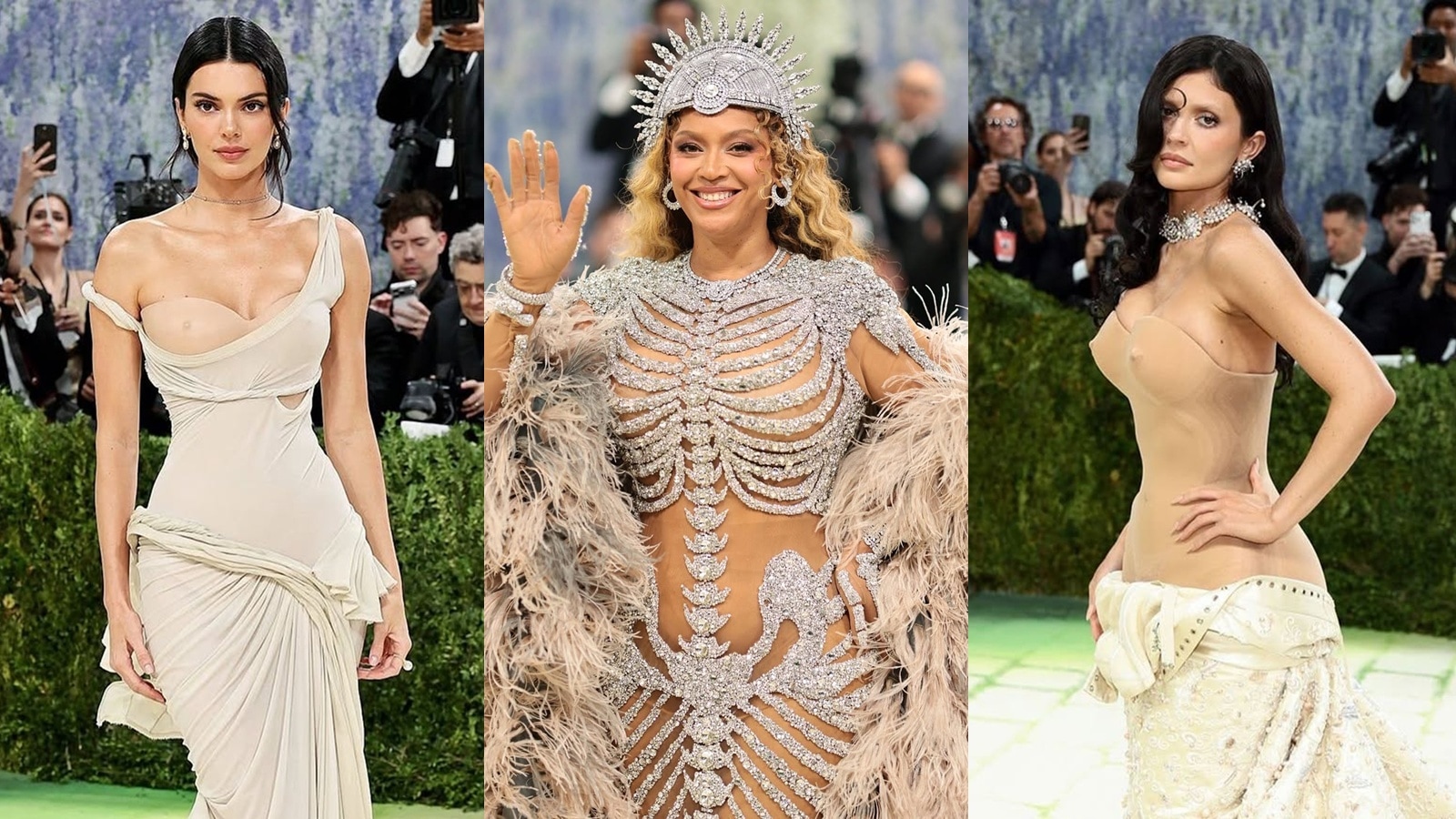
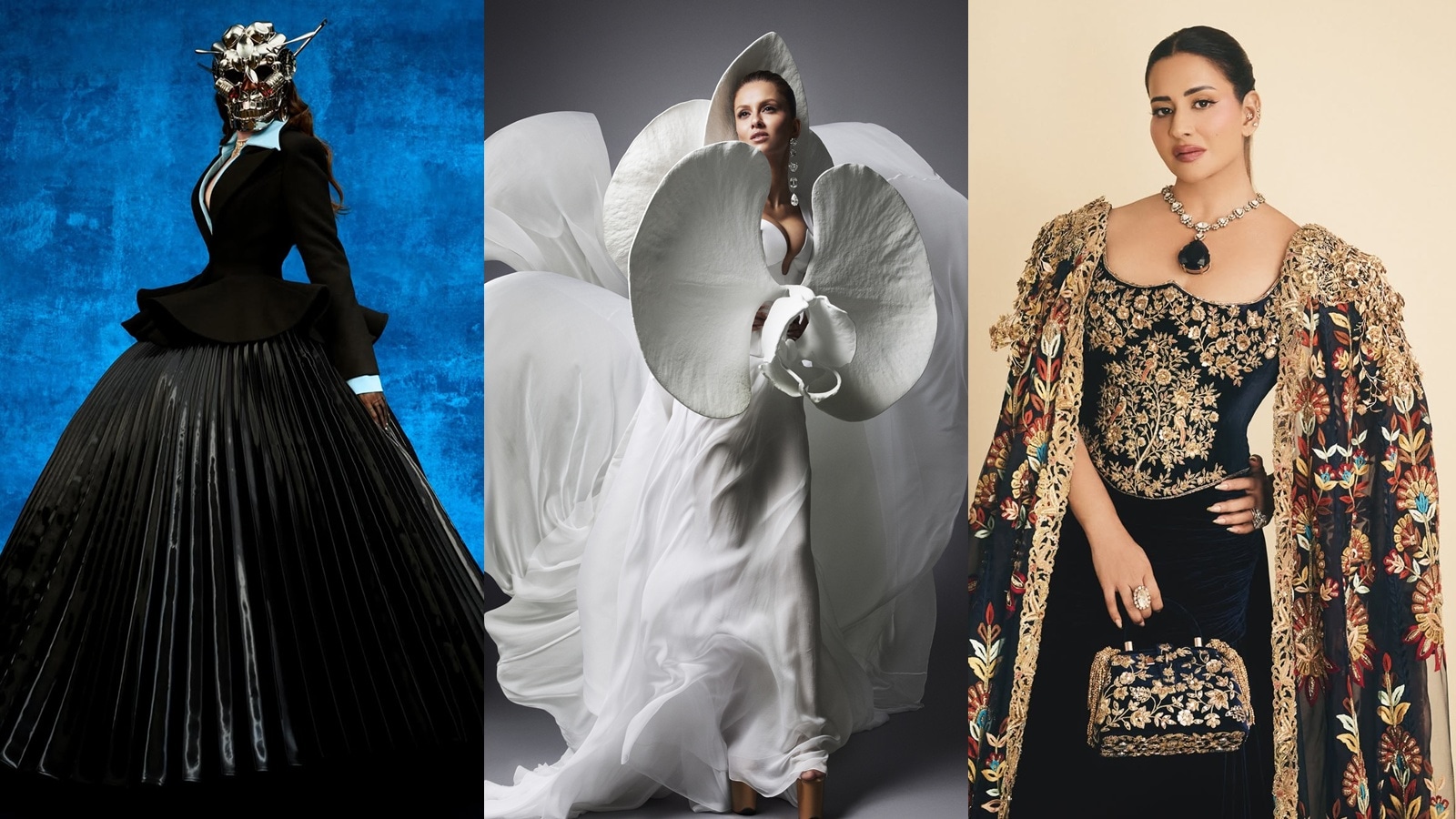
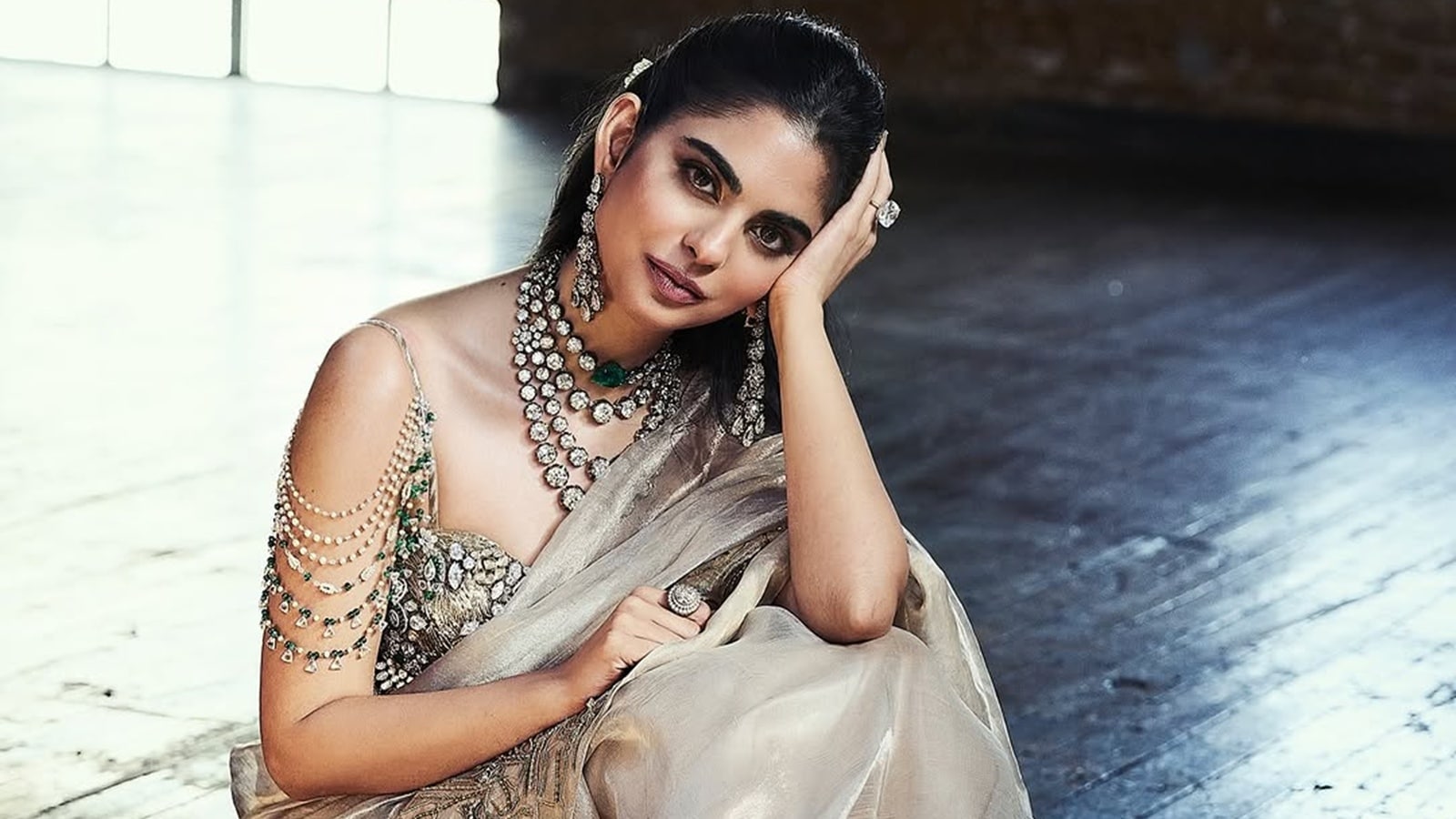
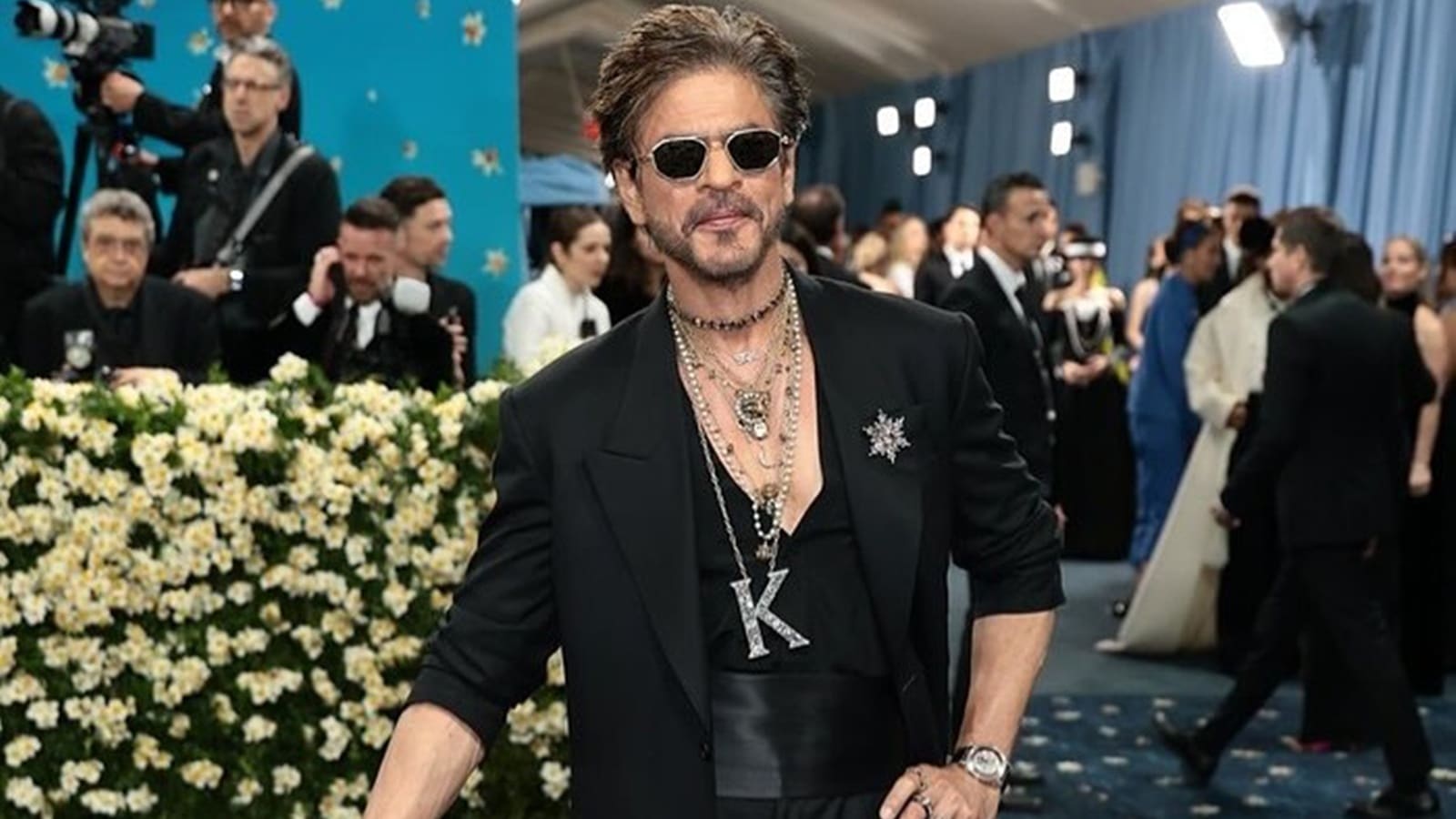
Fast-track to the recent Cannes red carpet extravaganza, held against an even bigger global economic and political breakdown. As the world saw awful images of the starving and severely wounded from Asia and Africa, India’s mainstream as well as social media and the beauty industry saw nothing wrong in joining the gala event in France, streaming images of models and Hollywood/Bollywood beauties from yesteryears.
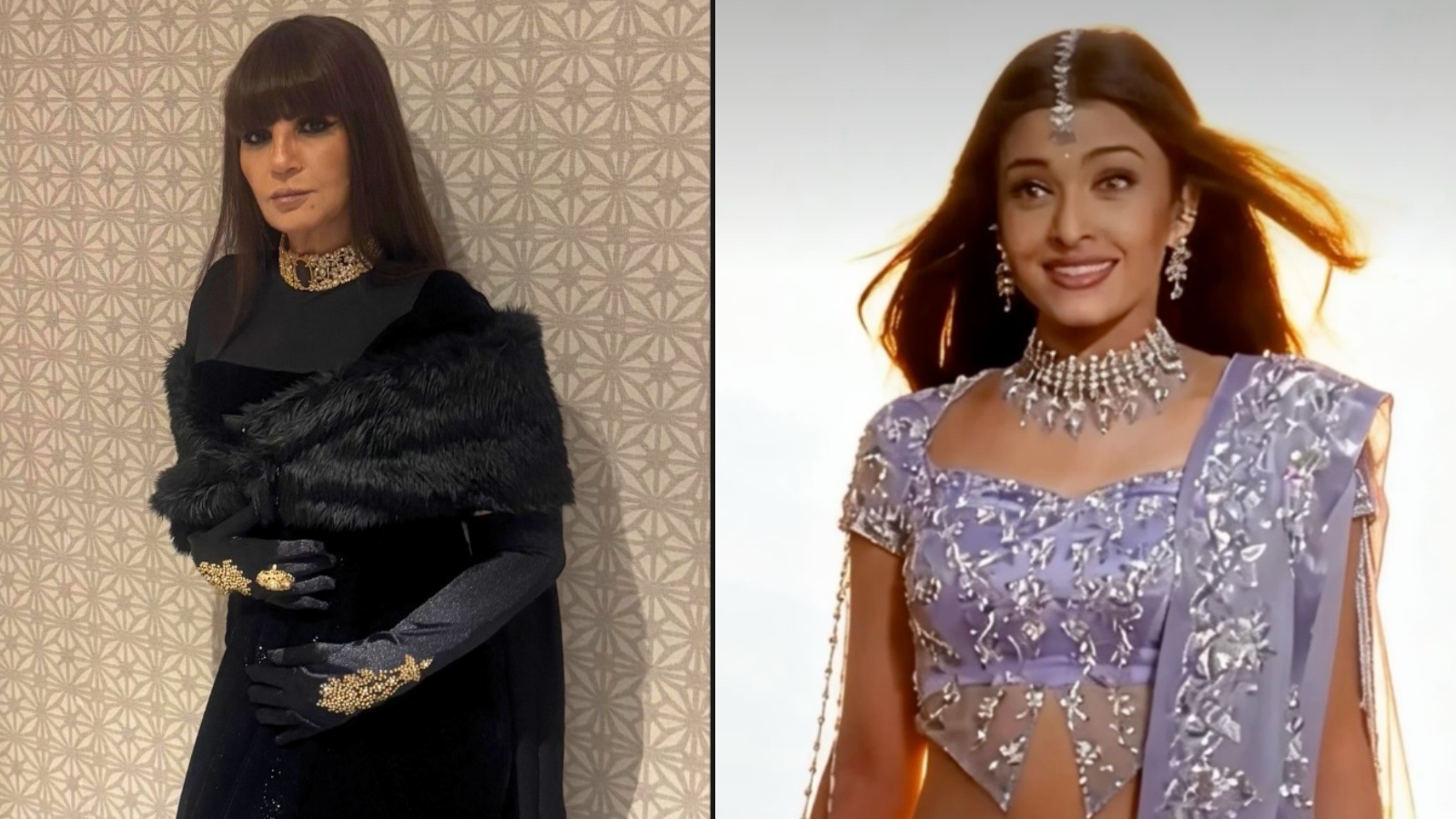
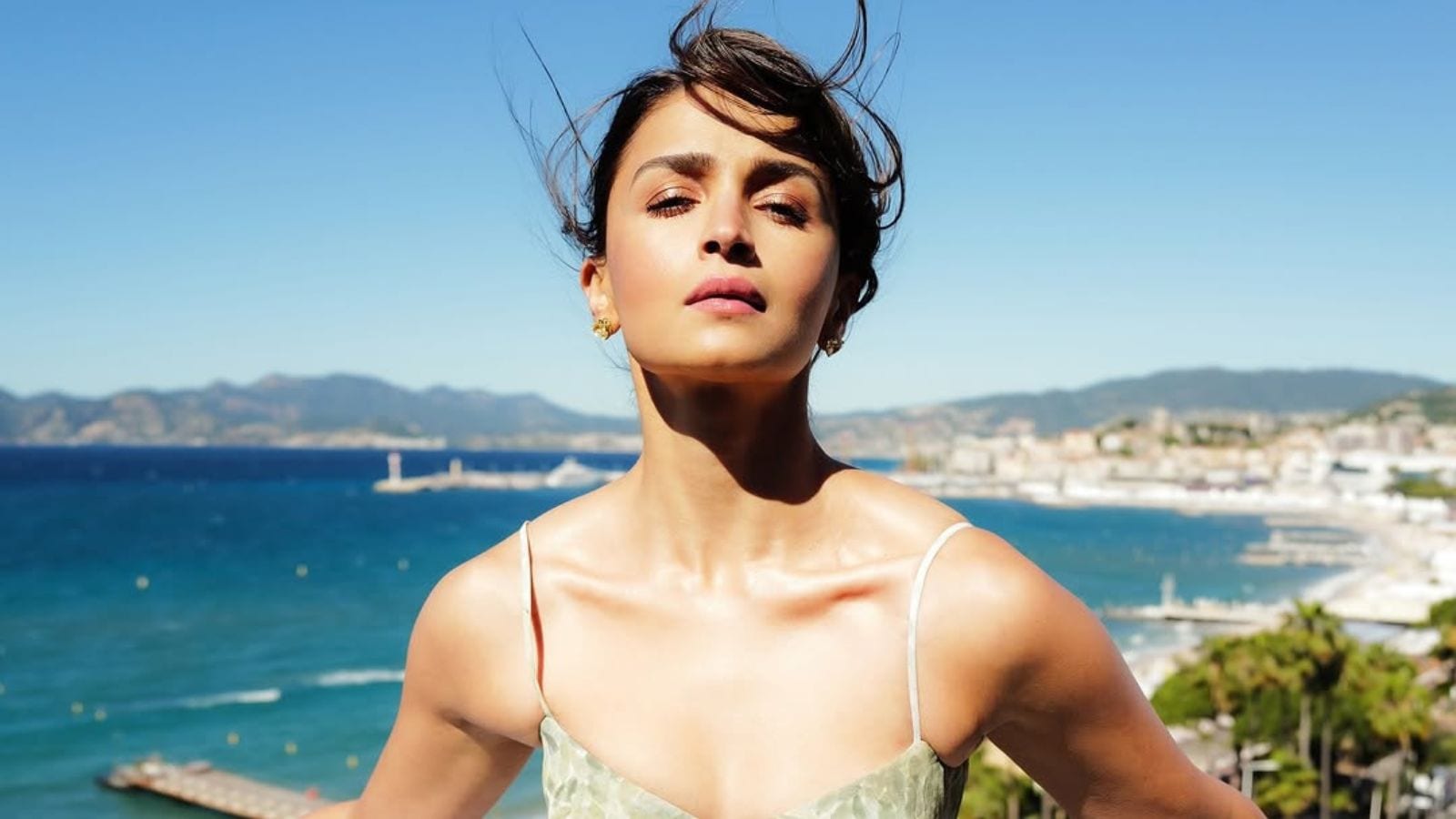
Feminism had long warned women against the beauty industry sneakily pushing its agendas into their worldview. In the 20th century, when global beauty contests began to seem passé to the young, the industry mined feminist phraseology to push products for the “liberated woman”. The advertising world used all sorts of clichés to push back against old-school feminists who had been berating expensive galas and holding up real-time data about working-class women in unorganised sectors. In 2026, freshly threatened by worldwide recession and loss of jobs, promoters of fashion and beauty products were forced to look for a “messiah” to lift up their sagging bottom lines. High prices had driven off young customers, but ageing socialites from India’s swish set remained solvent. At this point, an erstwhile beauty queen, model-turned-actor from Bollywood, rose as a natural symbol for promoting the idea of “ageless beauty”. A media blitzkrieg followed the 24th consecutive appearance of the Chosen One at Cannes as proof of how a real beauty ages naturally.
Like Psyche, the mythical Greek figure forever navigating hesitation and doubt, and questioning appearances, this old-school feminist commented on the phenomenon of agelessness being possibly based on cosmetic enhancement, and all hell broke loose. The first reaction ascribed the comment to “envy”; clichés like “a woman is a woman’s worst enemy” were then brandished. To add more heft to the virtuous anger, some younger self-proclaimed pro-women fashion columnists were invited to join the media lynching of one deemed an ugly iconoclast retiree who dared sneer at the agelessness of a queen.
No ideology can claim to give you terminologies that will last a lifetime. Feminism is no exception. At 80, I can see more and more younger women rushing to claim a so-called feminist future. But theirs is built on phrases emanating from past activism and gender politics, neatly co-opted by both politicians and the beauty and fashion industry. The daily reports of dowry deaths and simultaneous calls for “Beti Bachao Beti Padhao” make for uneasy partners, as do the linking of beauty-enhancement creams with “self-esteem”. This has produced massive misunderstandings over older feminist concepts. Cosmetic surgery, injecting Botox or silicone gel to lift sagging skin, is now labelled professional beauty enhancement. If it fails to hide what was to be hidden, it is described as beauty’s defiance of patriarchy. All this is creating what two octogenarian feminists had foretold: “Tyrannies of social expectation” (Gloria Steinem) and “the chrysalis of conditioning” (Germaine Greer).
The term “ageism” was originally coined to mark the social value denied to women past their prime. It surfaces frequently at these global galas. But truth be told, how many women past 60 figure in media-led feminist discourses on fashion and beauty? How much do we get to hear of their fear of disease and dependency after crossing 70?
The next real wave of liberation will have to be rooted in a collective idea of self-esteem among women of all ages, classes, castes and communities. For this, we must trash branded concepts of shakti, ageism and saas/bahu attitudes. It’s time they got replaced with new phrases created out of fresh insights. When beauty contestants and all women past their prime feel free to talk collectively about ageing, the fears of not retaining their looks eternally and how much it has cost them through their lives, a truly new power base will be created. Who knows, it may go on to spur a new socio-political movement towards equality. Some may lose their present power and constant media attention, but all of us stand to gain so much more.
The writer is former chairperson, Prasar Bharati