

Can Delhi become the Tokyo of the 21st century?
Delhi can become cleaner, greener, safer, and more sustainable by learning from Tokyo's urban governance model
In the next few weeks, the Prime Minister of Japan, Sanae Takaichi, is planning a trip to India, and there will be a summit-level meeting with the Prime Minister Narendra Modi. This is an exceptional opportunity to foster a close partnership. Both nations are currently focusing on infrastructure, technology, AI, robotics, as well as people-to-people collaboration and mobility. One of the most defining aspects of the collaboration ought to be what India can learn from Japan’s experience in managing the pace of urbanisation to address challenges in infrastructure, the environment, and climate change.
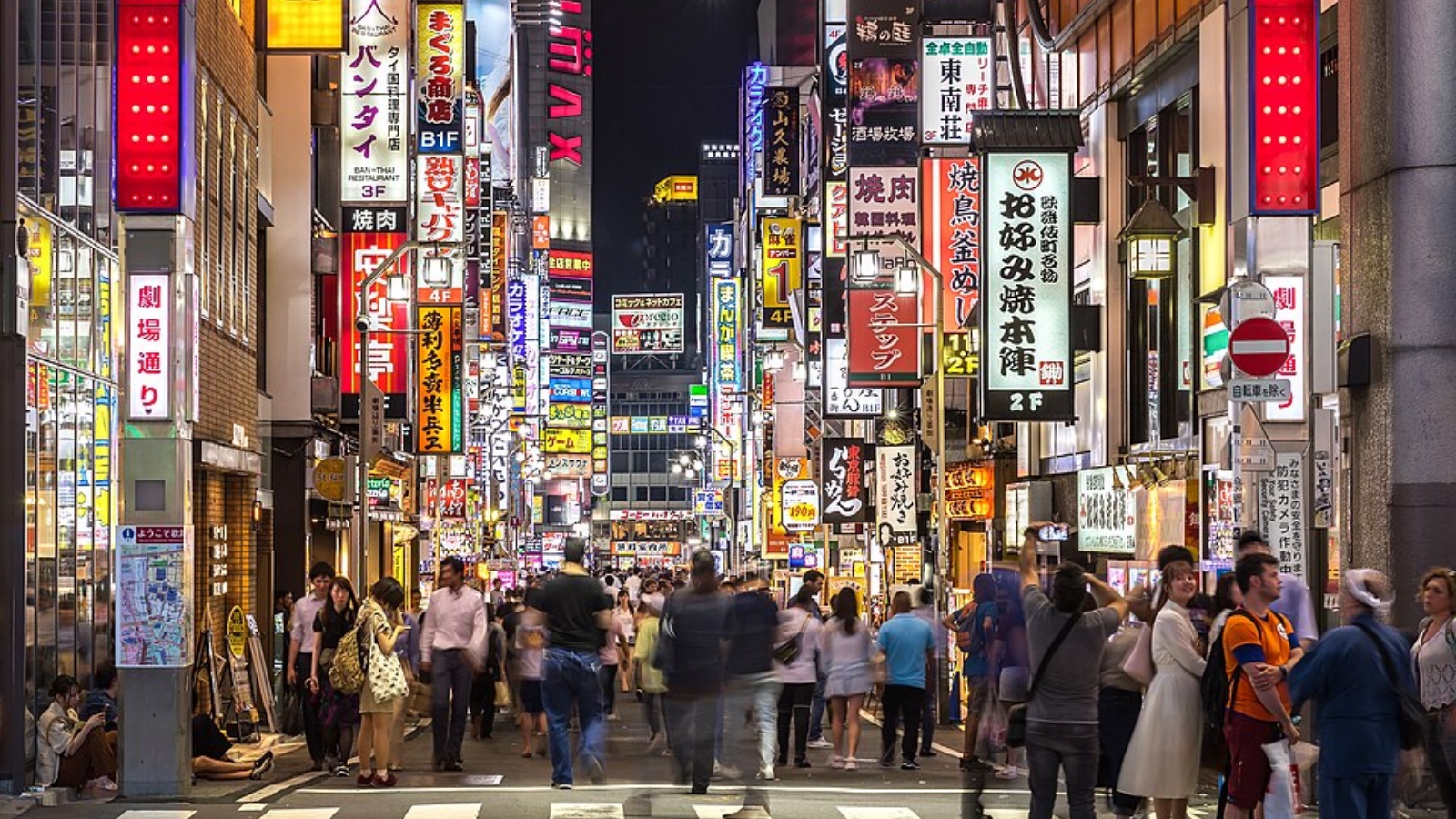
For decades, urban planning activists, such as Jane Jacobs, have argued that the true efficiency and liveability of cities rest not in their vastness, but in the power of smallness. But Tokyo demonstrates that even megacities can thrive on density. With a population of over 37 million in its metropolitan area, it remains one of the most efficient, well-managed and liveable urban systems in the world.
Tokyo and Delhi present a tale of two similar cities. Both serve as the capitals of technologically and economically evolving nations, each standing as a major global population centre shaped by diverse socio-cultural dimensions. India and Japan can learn from each other, co-create sustainable solutions, and adopt best practices in urban planning.
Tokyo and Delhi are growing at an unprecedented pace. Delhi-NCR is expected to be the world’s largest urban conglomeration by 2030 with a population of over 30 million. Both cities are impacted by migration and industrial growth, and are burdened by expectations. However, when it comes to managing these challenges, the experience is different. Delhi, despite remarkable progress and development over the last decade, continues to face high levels of air pollution, congestion, and unplanned development.
The difference between Tokyo and Delhi is not a matter of sheer population size, but of how urbanisation is managed. Tokyo has governance frameworks such as “Future Tokyo Strategy 2050” and “Zero Emission Tokyo”; Delhi should also have similar policy initiatives. As India moves towards the centenary celebration of our Independence, the vision of Viksit Bharat 2047 should also include Viksit Delhi. Delhi should aspire to become one of the world’s most impressive megacities with a policy mandate that extends beyond infrastructure expansion to a civilisational vision for urban development.
Delhi cannot simply emulate and become another Tokyo. Culturally, Delhi’s identity and soul are more historical, significantly pluralistic, and even more multicultural and emotionally layered. However, Delhi can become cleaner, greener, safer, and more sustainable by learning from Tokyo’s urban governance model.
As a part of the Indo-Japan collaborative agenda, we should establish the National Capital Region Urban Renewal and Environmental Authority. This should be a unified metropolitan institutional architecture, empowered and responsible not only for environmental resilience but also for urban planning, an integrated transport system, ecological restoration, multilevel interstate regional coordination, environmental and climate resilience, and sustainable development across Delhi-NCR.
The newly proposed authority should operate as the national coordinating body for the outcomes outlined below. The powers and functions of this authority should be established within a legal framework that supports a long-term metropolitan development vision emerging from integrated urban governance. To achieve this unique transformation of Delhi, four major public policy interventions are needed as the central vision for Delhi 2047.
Delhi implemented a remarkable metro system, one of the most successful and transformative infrastructure projects in modern India, and indeed it has improved the lives of millions. In Tokyo, public transportation is the very foundation of city life, shaping urban housing models, business and industrial districts, retail ecosystems, pedestrian movement, and larger urban behaviour. 95 per cent of Tokyo residents live within 4 kilometres of a railway line with highly integrated metro, commuter rail, and public buses.
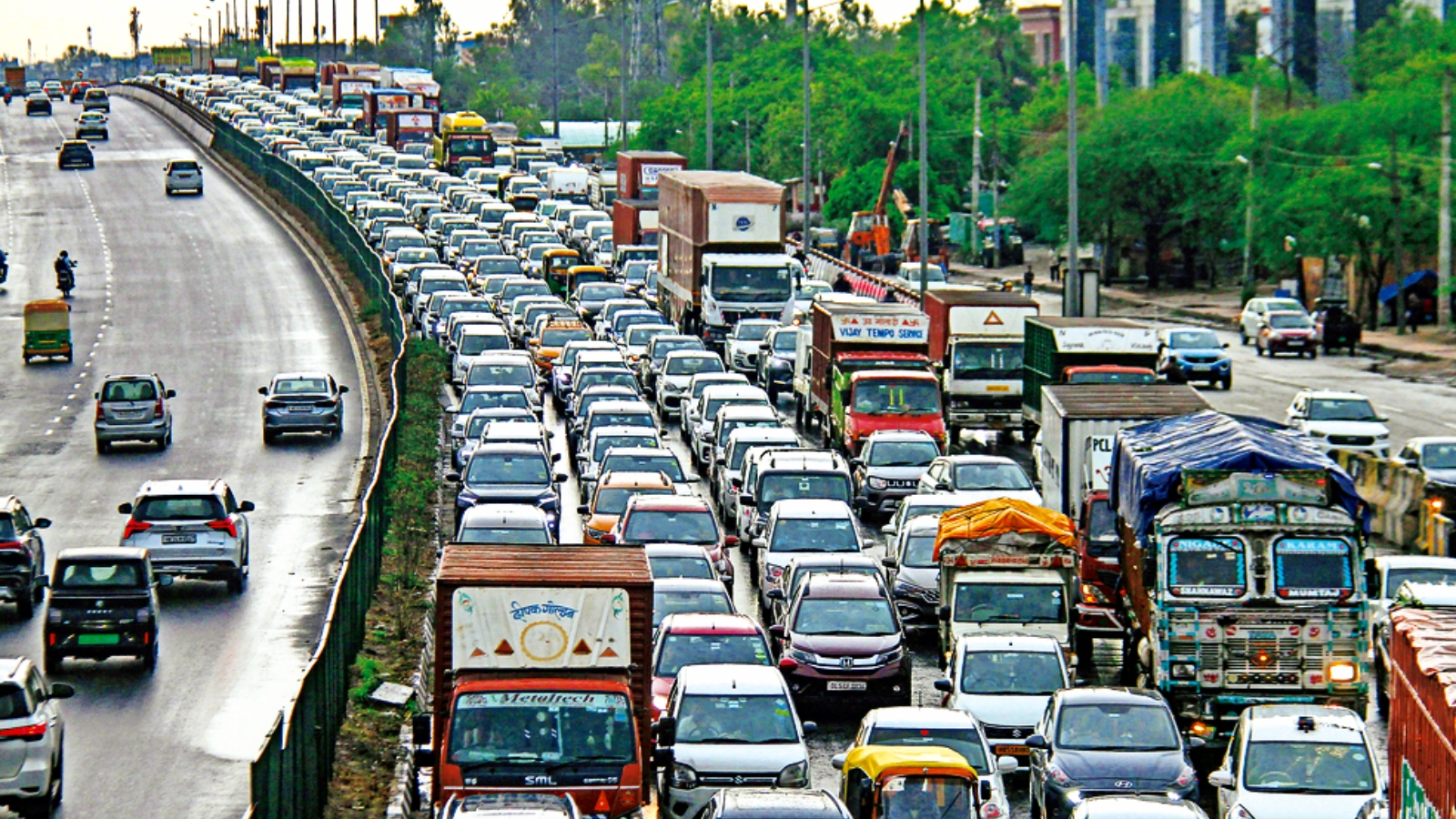
Delhi has over 15 million registered vehicles, with around 1,700 new vehicles added daily. The Traffic Congestion Index (TCI) of Delhi has hovered around 34-36 in recent months, making it one of the most congested urban spaces globally. India has long faced the challenge of last-mile connectivity, and it should be met head-on. By 2047, all metro stations in Delhi should become integrated urban nodes with electric bus transportation, pick-up and drop-off roads, pedestrian pathways, cycling-based infrastructure, three-wheeler mobility, improved accessibility, commercial facilities for small and medium enterprises, and even mixed housing.
The future of Delhi cannot be based on excessive reliance on an endless number of flyovers and the constant widening of existing roads. The lesson from Tokyo is that moving people by public transportation is more efficient than driving a private car. The aspiration for Viksit Delhi 2047 would be to boldly and fully make public transport the preferred mode of mobility for the overwhelming majority of Delhi’s residents.
Air pollution in Delhi has inevitably become a public health emergency and an economic and social challenge, affecting development, governance, and ultimately the preservation of life itself. Delhi records annual PM2.5 concentrations above 100 µg/m³, exceeding the WHO safe limit. With cleaner air, health expenditures would decline significantly, increasing productivity.
Tokyo also experienced air pollution challenges. However, Japan, through political, bureaucratic, and technological processes, intervened with aggressive environmental regulation and technological innovations to address this challenge. Tokyo’s current annual PM2.5 is around 12 µg/m³, which is lower than most Asian megacities, while in the post-World War II era it was around 50–70 µg/m³.
Delhi’s air pollution cannot be addressed through occasional or seasonal emergency measures and requires an urban strategy that integrates reforms to the transportation system, new policies, a transition to renewable energy, sustainable waste management, agricultural reform, and the restoration of riparian floodplains. Our dependence on diesel should decline significantly. For example, in October 2003, four prefectures in Greater Tokyo introduced Low Emission Zones banning diesel trucks and buses without particulate filters. Construction-related management must become technologically monitored, evaluated, and strictly enforced. The Tokyo Metropolitan Environmental Bureau requires mandatory reporting and compliance checks for dust-generating facilities.
The buses we have in Delhi should move almost entirely to electric mobility, and the current plan to have an 8,000-electric-bus fleet will also aid the national Net Zero Emission target of 2070. Delhi 2047 should also include aggressively expanding urban tree cover from 371.3 sq km to 20 per cent of total area, as in Tokyo, which will also be a sustainable solution to urban heat islands and improve climate change resilience.
Delhi’s pollution crisis and traffic congestion challenges transcend state borders. Therefore, it requires an NCR and even a North India-level environmental and governance model. Some key cross-border challenges, such as stubble burning, thermal power emissions, industrial pollution, effluent disposal, and waste management, need to be addressed through fully coordinated policy governance.
The citizens of Delhi will once again be able to regain the dignity that comes with living in India’s capital city. Learning from Tokyo, which drew 14 million tourists in 2024, Delhi’s tourism economy can be improved. In 2024, Delhi had a footfall of around 32.2 lakh foreign tourists. Delhi and Tokyo should become twin partners, and once results are achieved, the Delhi model of urban renewal can be translated to other Indian cities.
Tokyo is built with parks, river systems, flood-control systems, and extensive public green spaces, all integrated into the vibrant metropolitan fabric. The Japanese principle of Mottainai indicates people’s deep respect for resources, their wise utilisation, and their minimisation of waste at a personal level, fostering a deep sense of bonding with nature and society.
Delhi has impressive ecological assets, but they remain significantly underutilised. These include the inspiring historical and civilisational River Yamuna and its floodplains, large areas for urban biodiversity parks, and environmentally significant ecological corridors. Together, they provide a robust foundation for one of the most ambitious and realistic urban transformations and for an attractive tourist destination.
Today’s Yamuna is an embodiment of deep neglect, high pollution, and ecological degradation. Historical megacities across the world have consistently endeavoured to transform their cities and restore their rivers as civic and environmental assets. There’s no reason to believe that Delhi cannot do the same. The restoration corridor of the Yamuna, stretching across the capital, should include wetland reserves, a biodiversity-rich riverfront, promenades, public parks, cultural districts, cycling corridors, small shops, and even business enterprises.
This transformation would not only beautify the city of Delhi but also significantly improve air quality, regulate urban temperatures, recharge groundwater, boost biodiversity, improve flood resilience, and enhance public health.
The writer, a Rhodes Scholar, is the Founding Vice Chancellor of O P Jindal Global University