

Longer than Nehru: How Narendra Modi transformed India in 4,399 days
Milestones are largely symbolic, though, and what ultimately matters is whether a government leaves the country materially different from the one it inherited. By that measure, the Modi era has already secured a place as the most consequential period in independent India's history
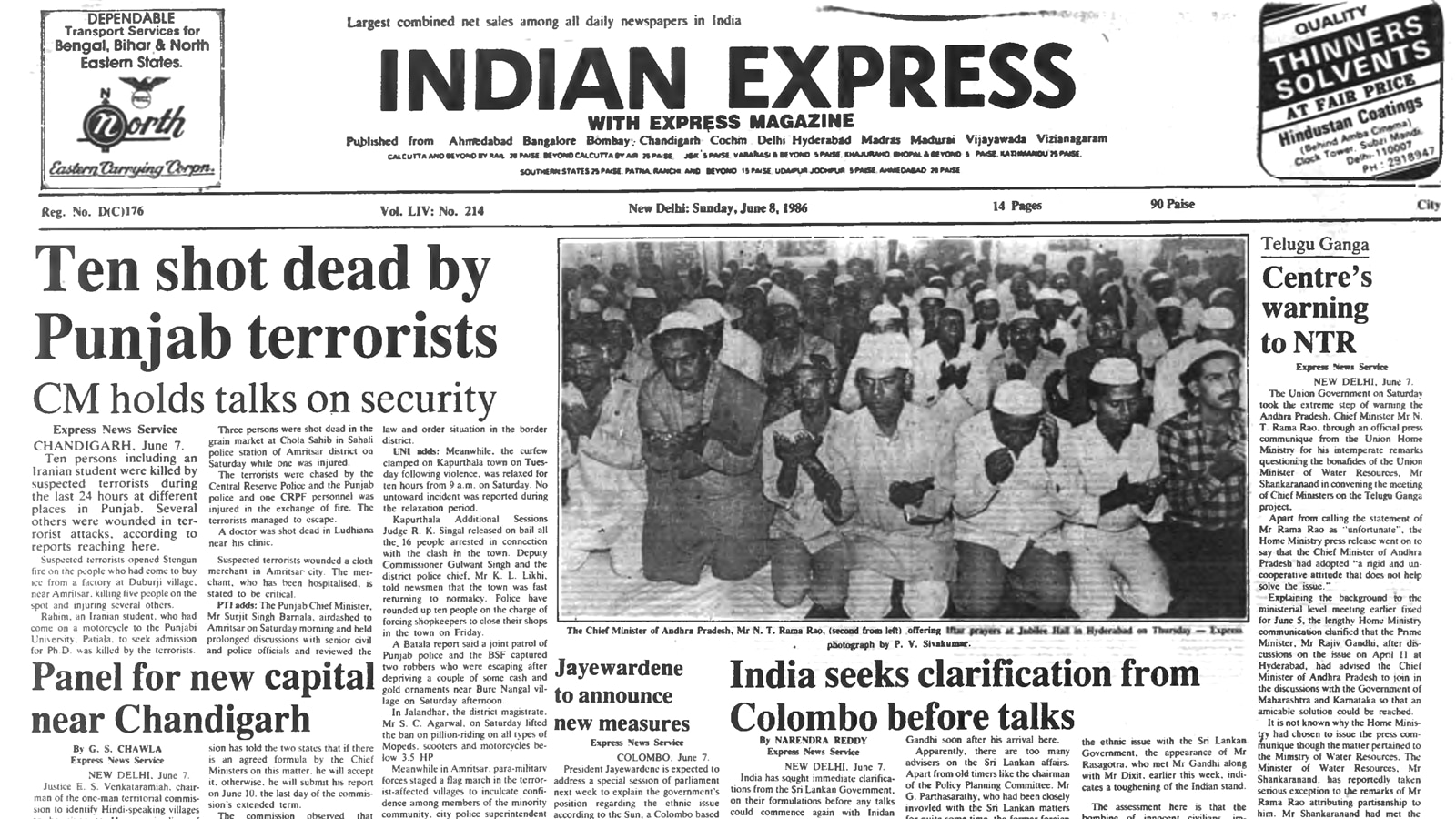
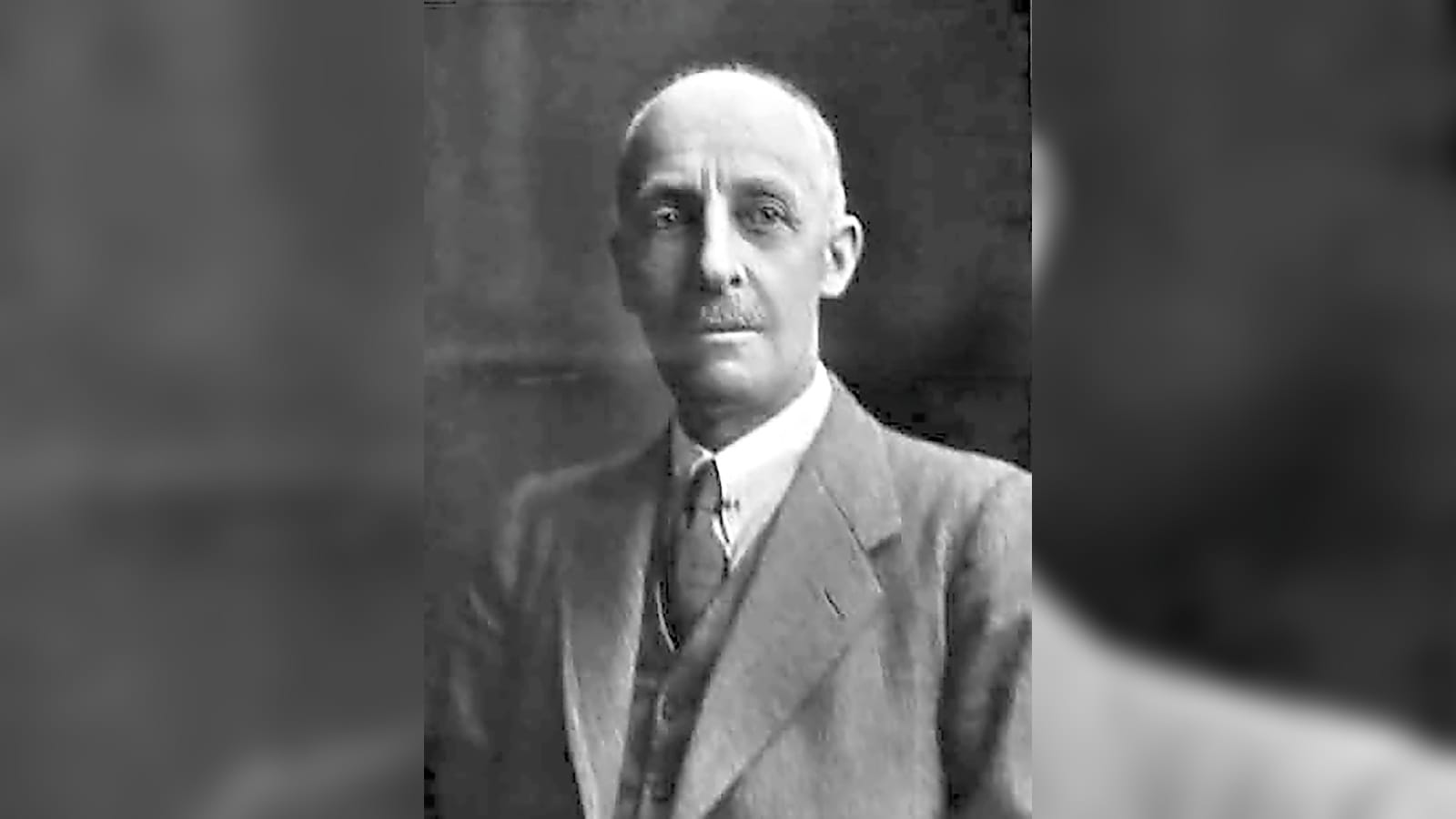
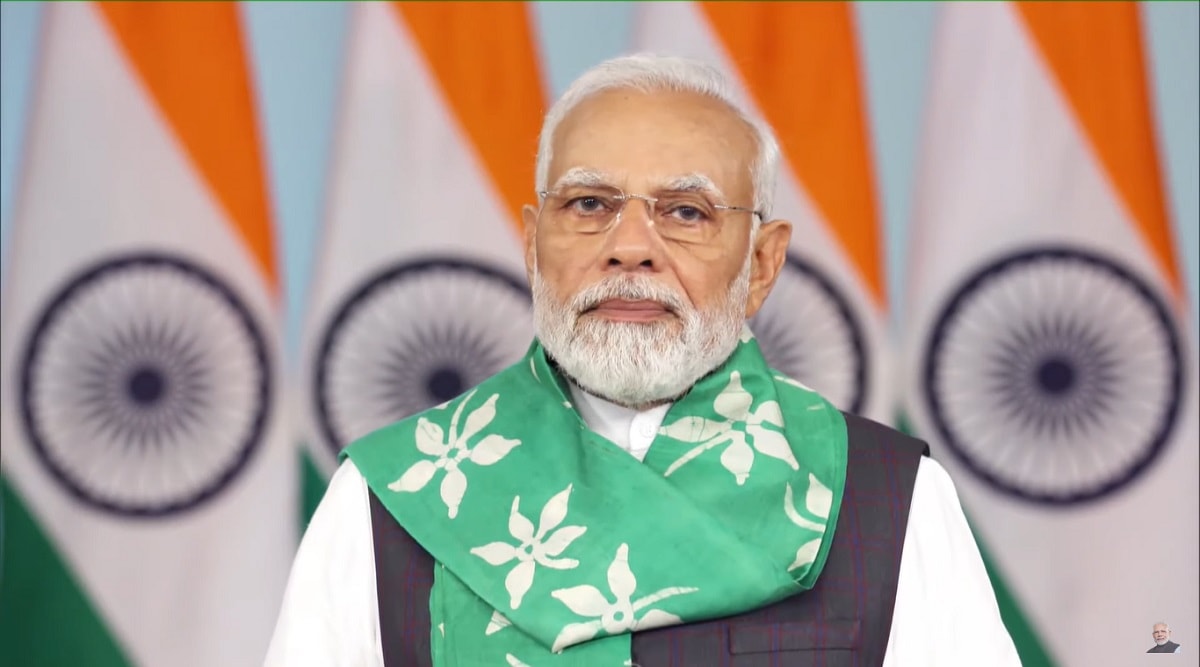
June 9 marks 12 years of the Narendra Modi government at the Centre. A day later, on June 10, Narendra Modi completes 4,399 days as Prime Minister, becoming India’s longest continuously serving elected Prime Minister, surpassing Jawaharlal Nehru’s record.
Milestones are largely symbolic, though, and what ultimately matters is whether a government leaves the country materially different from the one it inherited. By that measure, the Modi era has already secured a place as the most consequential period in independent India’s history.
There is perhaps no major parameter of governance and politics on which the needle has not moved significantly.
On internal security, Naxalism, once described as India’s greatest internal security challenge, has been defanged. Terrorism driven by fundamentalists in mainland India has been almost eliminated, especially when compared to the UPA years (2004-14). The recent Operation Sindoor demonstrated something even more significant: Pakistan’s long-standing strategy of using nuclear blackmail as a shield for cross-border terrorism has been decisively challenged.
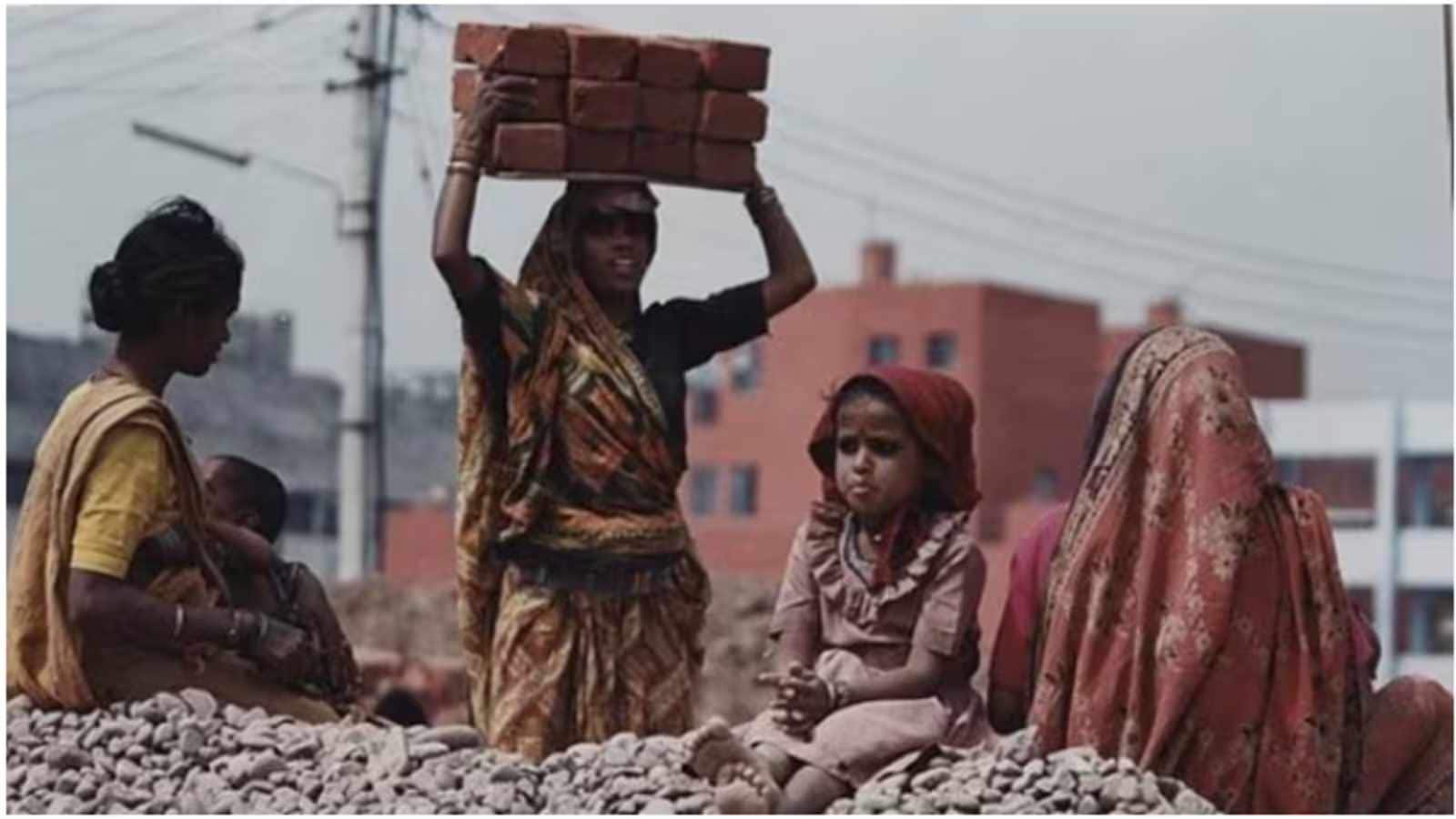
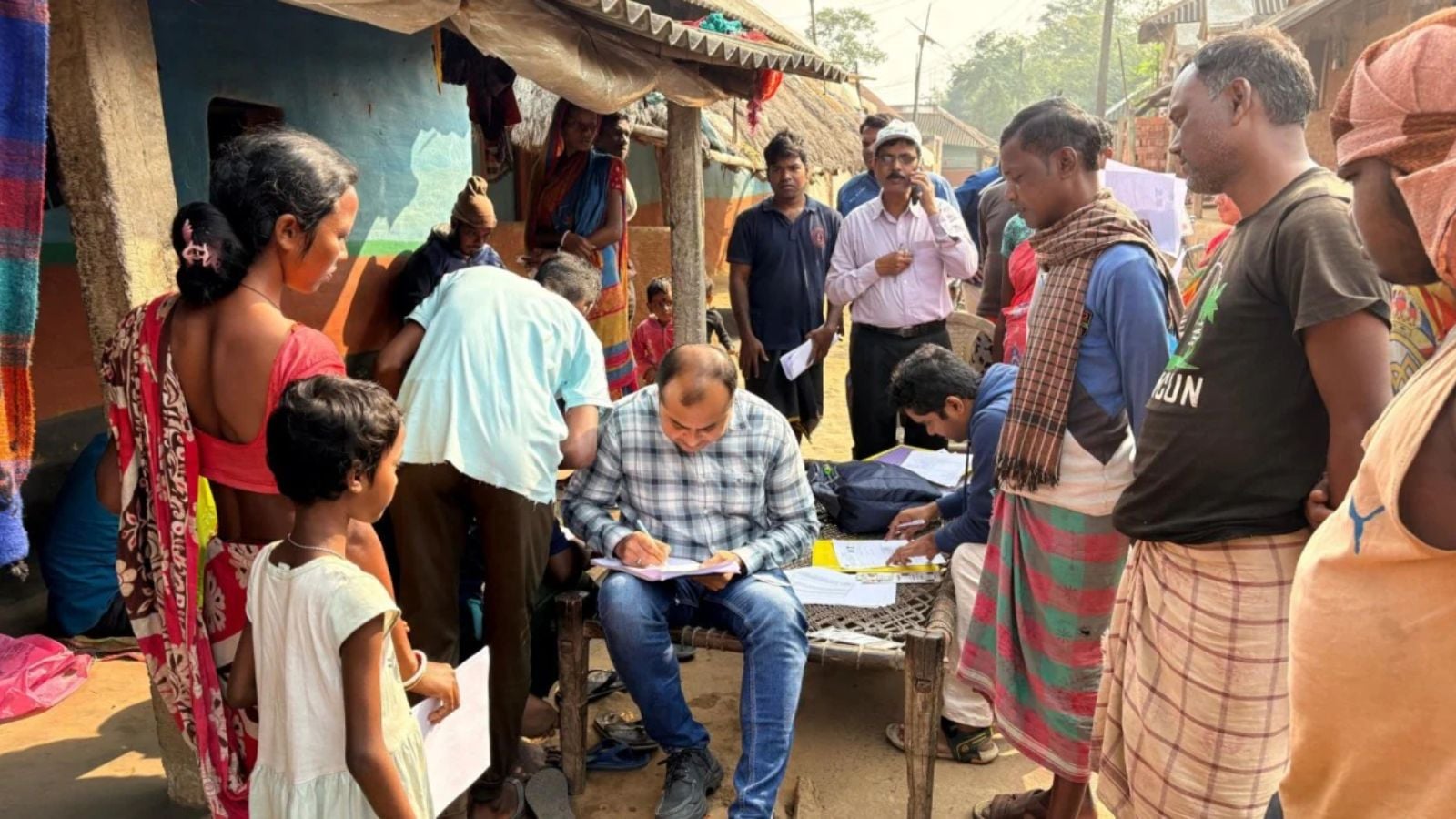
On poverty alleviation, India has witnessed one of the largest poverty reduction exercises in human history. Welfare delivery has been transformed through the Jan Dhan-Aadhaar-Mobile architecture, ensuring benefits reach citizens directly rather than disappearing into layers of leakage and corruption.
Women’s empowerment has been pursued simultaneously across multiple dimensions. Financial inclusion through Jan Dhan accounts, entrepreneurship through Mudra and Standup loans, livelihood generation through programmes such as Lakhpati Didi, expansion of educational and employment opportunities, provision of sanitation facilities and access to clean cooking fuel have collectively altered the social and economic position of women in ways that will have intergenerational consequences. The impending Nari Shakti Vandan Adhiniyam will transform the political decision-making apparatus as well.
Infrastructure has expanded at a pace rarely witnessed in world history. Expressways, highways, airports, railway electrification, freight corridors, ports and digital infrastructure have fundamentally altered India’s connectivity landscape. What was once considered impossible has become “boringly” routine.
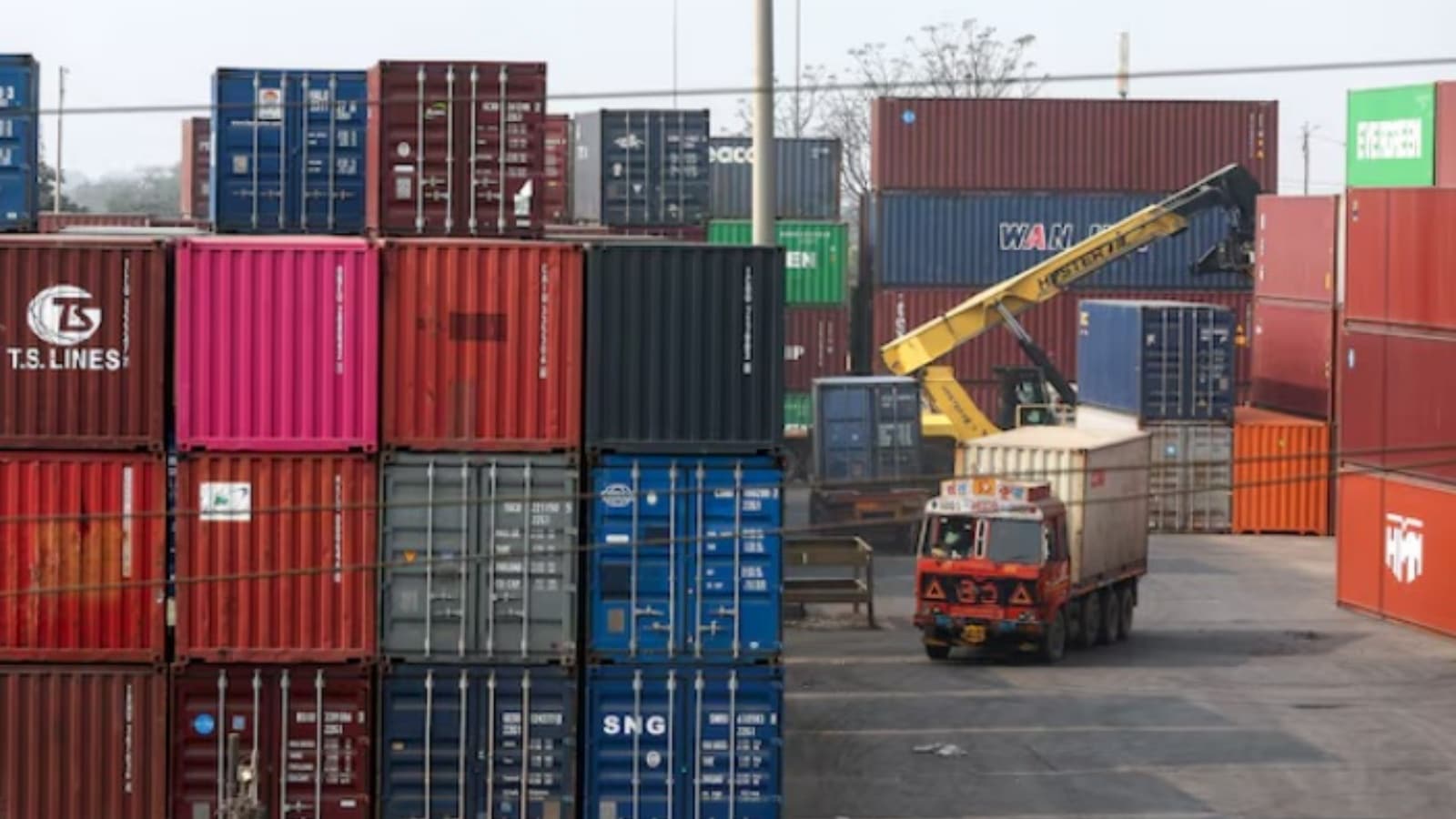
India’s economic performance has also gained world attention. Despite navigating a once-in-a-century pandemic, wars, supply chain disruptions and global economic uncertainty, India has remained the world’s fastest-growing major economy, with yearly growth averaging 7.7 per cent. Simultaneously, the country has emerged as a trusted manufacturing, innovation and investment destination.
The cultural dimension has been equally important. The construction of the Ram Mandir after a struggle spanning a century represented far more than the completion of a temple. It symbolised the resolution of a civilisational question that had hobbled India for decades. The abrogation of Article 370 similarly closed a chapter that many believed could never be altered.
Yet, the most profound transformation may lie elsewhere.
For the first time since Independence, India has emerged as a distinct pole in world affairs. Earlier phases of Indian diplomacy often drew influence from groupings, coalitions or questionable tactics of moral leadership. Today, India increasingly shapes world outcomes through its own weight. Whether on technology, energy, trade, geopolitics, climate negotiations or security issues, India has emerged as one of the five most consequential actors on the world stage (the other four being the US, China, Russia and the EU).
This shift may ultimately prove to be the defining achievement of the Modi years.
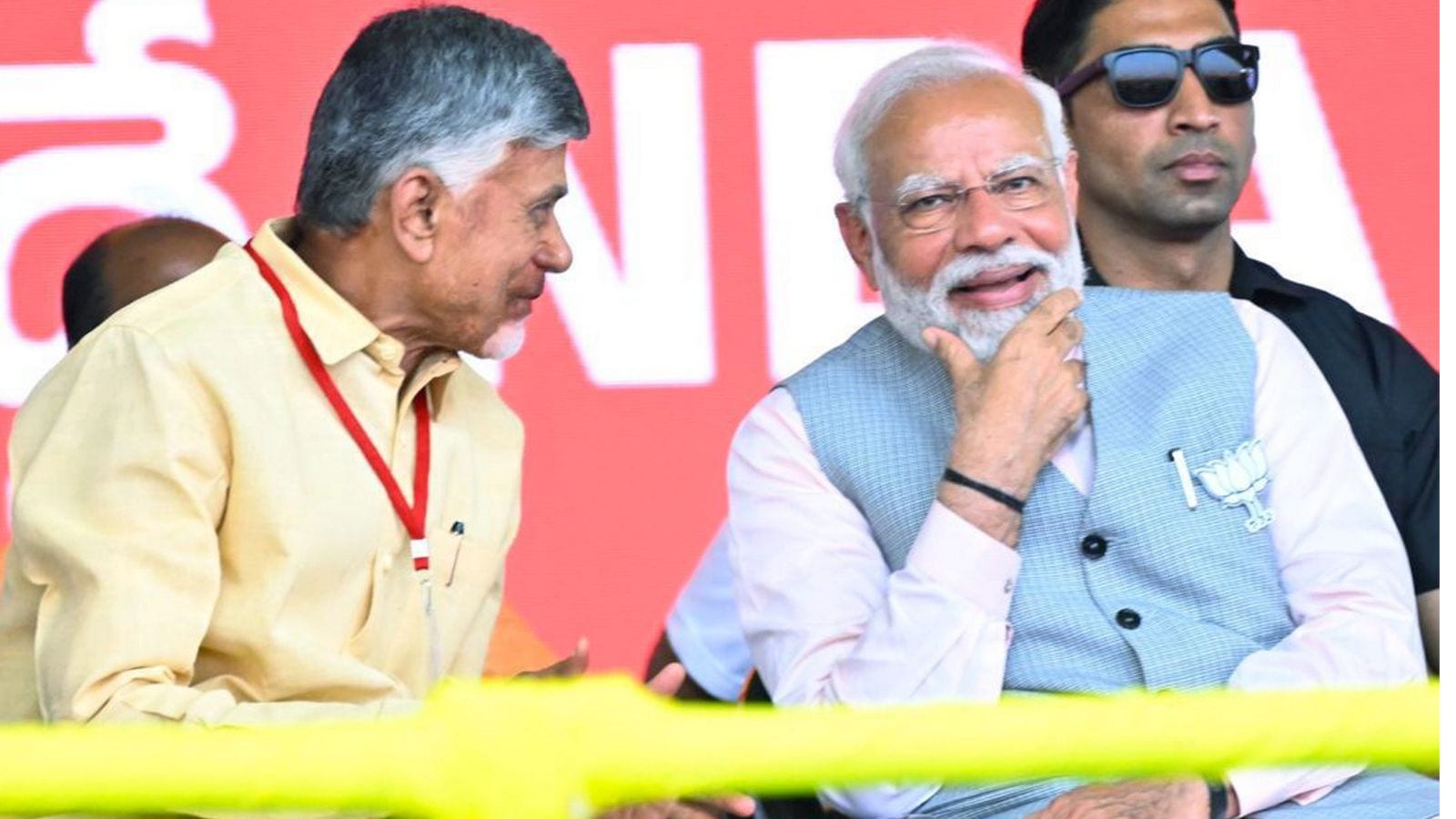
Politically, too, the transformation remains remarkable. The BJP has expanded far beyond its traditional geography. Odisha has joined the party’s growing footprint. In West Bengal, the BJP has established itself as the principal party of governance in a state once considered permanently beyond its reach. In Punjab, it has already crossed electoral thresholds that would have seemed improbable a decade ago. The party’s geographical expansion continues even after three consecutive national victories.
The larger question is how history will remember these 12 years.
The answer may lie not merely in what he accomplished during his tenure, but in the long-term frameworks he established. Holistically, one could argue, Modi’s entire philosophy rests on three pillars, namely Inclusive Developmentalism at home, Civilisational Nationalism in identity and Interest-Based Realism in foreign policy.
Modi has redefined governance around inclusive developmentalism, combining large-scale welfare delivery with infrastructure creation and economic growth. Given its popularity and effectiveness, this model is likely to influence governments across India for decades.
Modi has shifted Hindutva from the political margins to the mainstream, making overt disregard for India’s Hindu civilisational identity at the altar of fake secularism an ineffective political strategy.
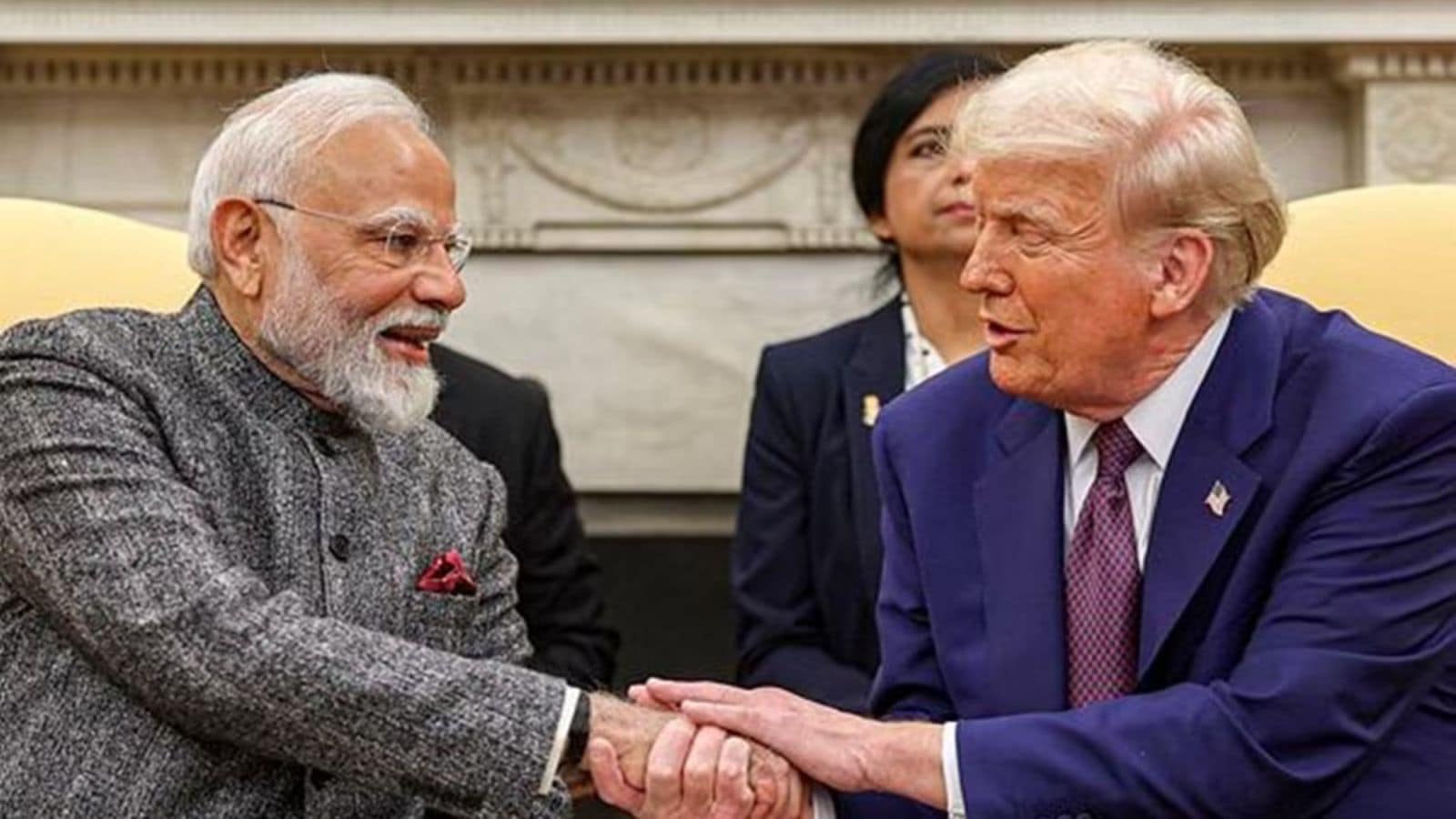
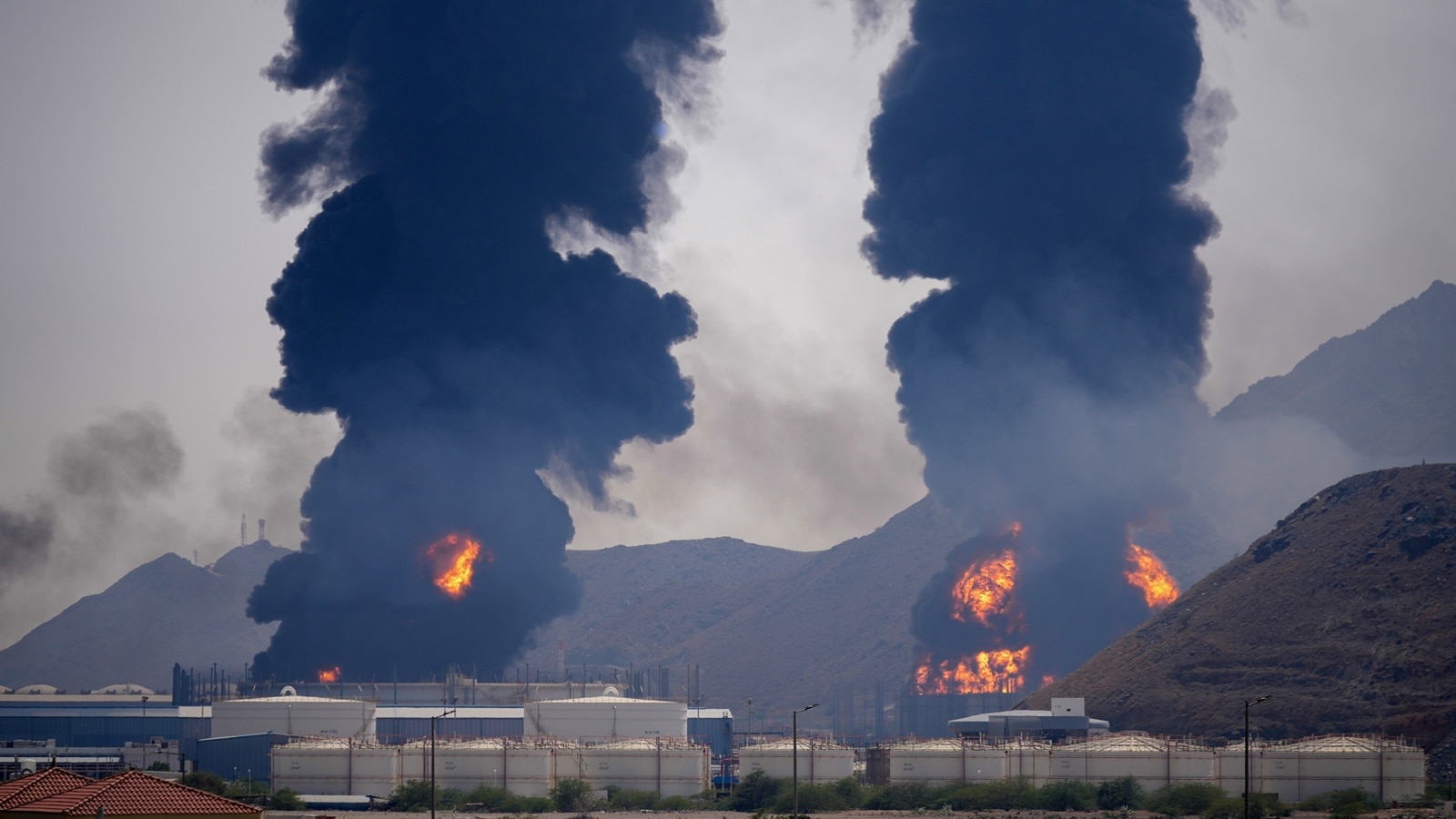
Modi has replaced moral posturing in foreign policy with a more unapologetic emphasis on national interest, the consequences of which we are already witnessing, be it in West Asia, the Ukraine theatre, trade negotiations or supply chain management.
Modi has inspired a young generation that increasingly dreams of building globally competitive enterprises rather than merely seeking secure employment, a phenomenon which will have a profound impact on the world and not just India. Modi has transformed the BJP into India’s only truly national political party with a footprint stretching across every region of the country.
He has simultaneously prepared India for the future through investments in digital public infrastructure, artificial intelligence, green technologies, semiconductor manufacturing, strategic projects such as Greater Nicobar and the creation of capabilities required for a rapidly changing century.
History often reserves its highest judgment for leaders who alter the direction of a nation rather than merely administer it.
Twelve years later, the debate is no longer whether Narendra Modi has changed India. The debate is about the scale of that change and how deeply its consequences will shape the remainder of the 21st century for both India and the world.
The writer is CEO, Bluekraft Digital Foundation and was earlier director (content), MyGov