

Bihari workers are central to India’s growth. They can be central to the Bihar story, too
The hands that built India can now rebuild Bihar. With dignity, skill, and state support behind them, its vishwakarmas can turn migration from a story of compulsion into one of confidence, pride, and renewal
Recent crises have exposed a persistent faultline in India’s growth story. When systems come under stress, it is the migrant worker who is left to fend for himself. During the Covid lockdowns, the sight of workers walking hundreds of kilometres home laid bare the fragility of our support structures. More recently, supply-chain disruptions and fuel-linked slowdowns in manufacturing hubs have once again shown how quickly migrant workers are pushed to the margins. They sustain cities, yet in moments of disruption, they are often the first to be rendered invisible.
Bihar sits at the centre of this reality. The question is not political but structural: What does Brand Bihar stand for, and how can it be rebuilt with credibility?
Any serious answer must begin with migration, because it shapes everyday life across the state. Working-class migration from Bihar is not a recent phenomenon. It runs through folk memory, colonial labour flows, and contemporary economic circuits. From the docks of Kolkata to Punjab’s fields, and now to the industrial clusters of Surat, Gurugram, Kochi, and Chennai, generations have moved in search of income and for a way out of the rigid hierarchies of rural life. Many returned with greater confidence, wider exposure, and a measure of dignity that village economies could not offer. Mobility was once seen as aspiration, not failure.
That perception has shifted. Migration is now framed as evidence of backwardness, and Bihar is often reduced to a reservoir of cheap and unskilled labour. This framing has hardened into both political shorthand and public stereotype. It obscures a more fundamental truth: Migration is not a defect in the system. It is how the system functions.
Bihar’s civilisational history reminds us of a different scale of possibility. From the intellectual traditions of the Buddha and Mahavira to the administrative reach of the Mauryas, from Pataliputra to Nalanda, this region once defined the intellectual centre of the Subcontinent. Today, that legacy competes with a narrower image shaped by crowded trains and transient labour. For many young professionals, identity often precedes opportunity, and perception must be negotiated before talent is recognised.
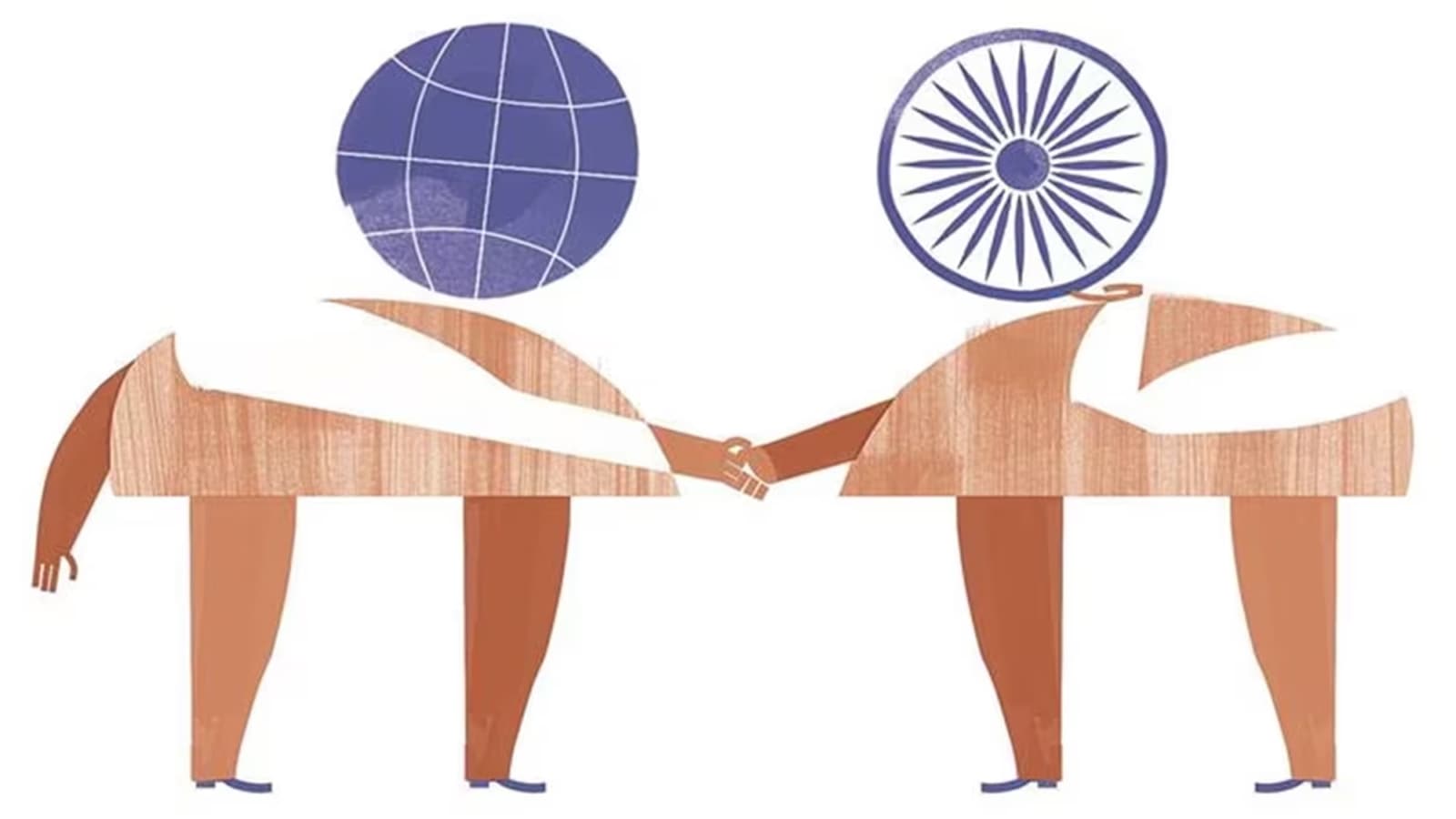
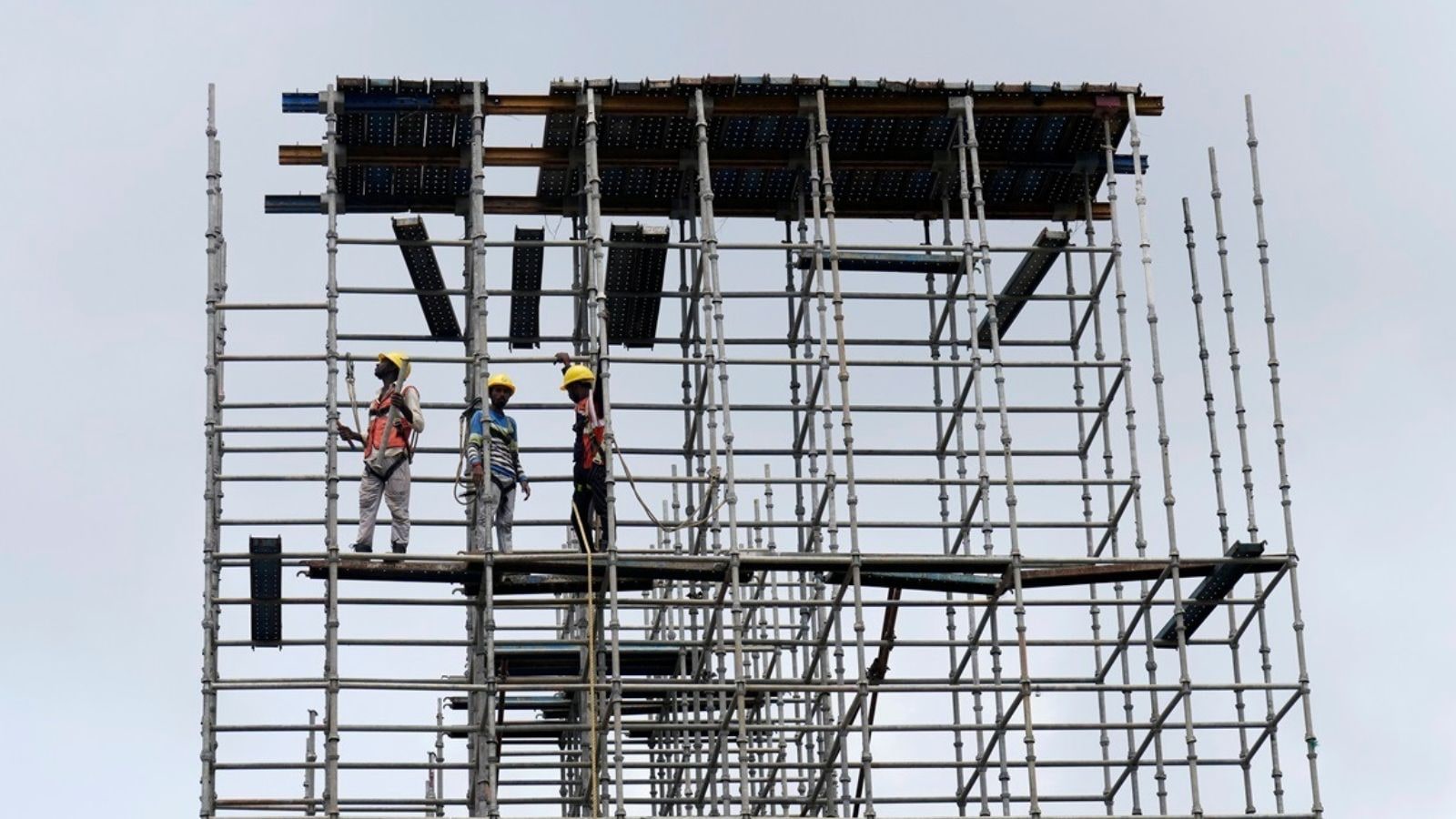
Yet the economic reality is unmistakable. Bihari workers are central to India’s growth. They build infrastructure, run logistics chains, staff construction sites and sustain urban services. They are the country’s modern vishwakarmas. Today, this role extends well beyond construction sites and factory floors. Bihar’s migrant workforce is increasingly powering India’s digital economy as well. From delivery riders and app-based drivers to warehouse handlers and logistics workers, the gig and platform economy has become a major destination for internal migrants. A substantial portion of the gig workforce projected to rise to 23.5 million by 2030 is drawn from high-migration states such as Bihar and eastern Uttar Pradesh. Migration today is therefore no longer confined to roads, railways, and industrial corridors; it increasingly feeds the algorithm-driven economy of urban India.
This makes it imperative for Bihar’s labour policy to move beyond the traditional migration lens. Portable welfare, accident insurance, digital identity continuity and social-security protection must become central pillars of policy. The question is no longer whether people migrate, but whether they migrate with dignity, skill and institutional support.
The scale of their contribution is often underestimated. In households with migrant members, remittances frequently account for a substantial share of total income, often serving as the primary buffer against economic shocks. Recent estimates suggest that Bihar receives between Rs 60,000 crore and Rs 80,000 crore annually in remittances, making migrant earnings one of the state’s most important informal economic pillars. These inflows sustain household consumption, support rural demand and keep local economies alive far beyond the migrant-sending districts.
Despite this, policy debates continue to frame industrialisation as the antidote to migration. Bihar already hosts significant industrial and infrastructure projects, yet outward movement continues. The constraint is not simply the number of factories. It is the alignment between skills and demand. Without investment in human capital, industrial expansion risks intensifying competition with neighbouring labour-supplying states rather than reducing migration.
The more relevant question is not how to stop migration, but how to structure it. Technology now provides the tools. EPFO’s Universal Account Number allows continuity across jobs and geographies. Digital wage records and portable identity systems make it possible for the state to remain connected with its workforce. This creates space for formal labour-mobility agreements with major destination states such as Kerala, Tamil Nadu, Maharashtra, Karnataka, and Gujarat, covering wage protection, grievance redress, and social-security portability.
Some countries have gone a step further by actively negotiating labour mobility. Kenya, for instance, has in recent years explored bilateral labour agreements with Gulf and European countries to place its workers abroad under defined terms, including wages, contracts, and welfare safeguards. While the execution has often been uneven, the principle is instructive. Labour mobility can be treated as a policy instrument rather than an unmanaged outcome. Bihar, within India’s federal structure, can adapt this idea through structured agreements with destination states, ensuring that its workers move not as invisible labour but as recognised participants in the economy.
Rebuilding Brand Bihar also requires strengthening what is rooted within. Initiatives like the Makhana Board point to a path where local products become identity markers. Madhubani painting, Bhagalpur silk, and regional agricultural products such as Jardalu mangoes carry both economic and cultural value. Linking these more effectively to markets allows the state to project strength not only through its people, but through its place.
There is also scope to expand international migration. Districts such as Siwan, Gopalganj, Purnia, and Kishanganj already have limited Gulf linkages, where income levels are significantly higher. With targeted skilling and orientation, even incremental growth in overseas placement can diversify and strengthen the remittance base.
None of this is without difficulty. Migration involves uncertainty, distance, and uneven working conditions. Bihar’s administrative capacity will need to evolve to support a dispersed workforce. But complexity does not justify neglect. The choice is between managing migration as a system or continuing to treat it as a symptom.
If Bihar places its people at the centre of its development strategy, the priorities become clearer. Skilling must be scaled with intent. District centres should function as serious training institutions aligned with market demand. Welfare must travel with the worker. Mobility must be organised, not left to chance.
The mason from Araria, the electrician from Siwan, the delivery rider in Bengaluru, and the driver from Madhubani are not marginal figures in this story. They are central to it. They build India every day, often with little visibility and even less recognition. The question is whether Bihar will now build around them, investing in their skills, protecting their dignity, and converting their mobility into long-term strength.
The hands that built India can now rebuild Bihar. With dignity, skill, and state support behind them, its vishwakarmas can turn migration from a story of compulsion into one of confidence, pride, and renewal.
Prakash is regional PF commissioner (Kochi & Lakshadweep) and Tiwari is regional labor commissioner(C), Thiruvananthapuram. Views are personal