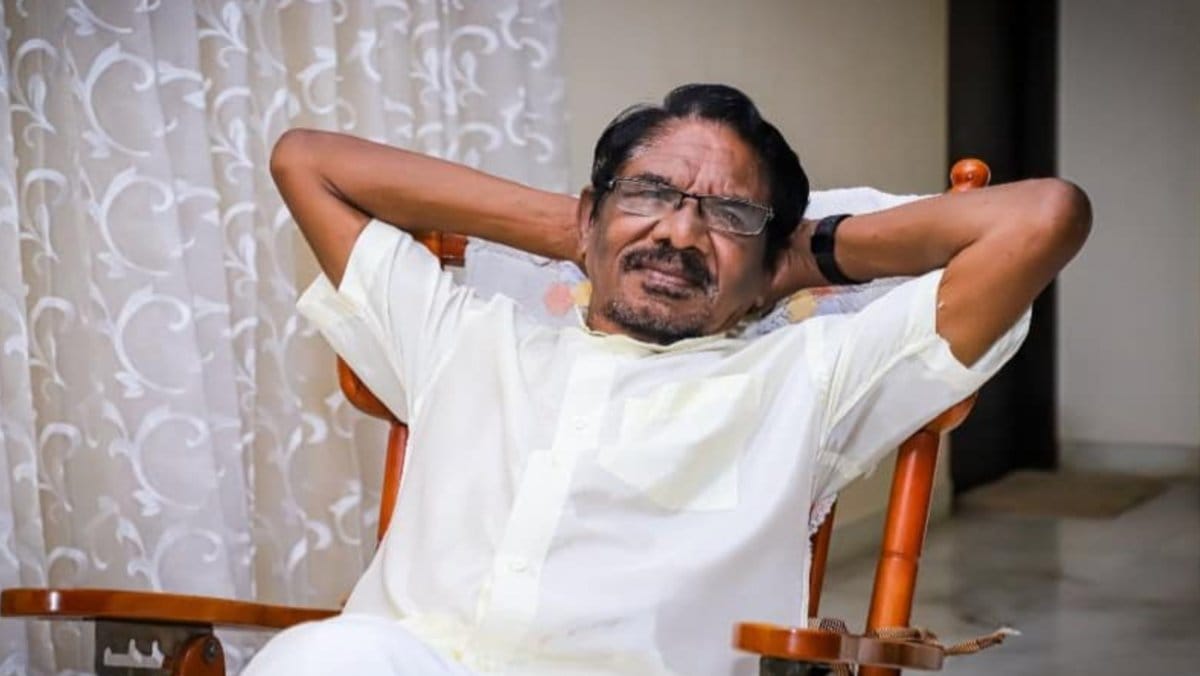


Bharathiraja, the Monet of Tamil cinema
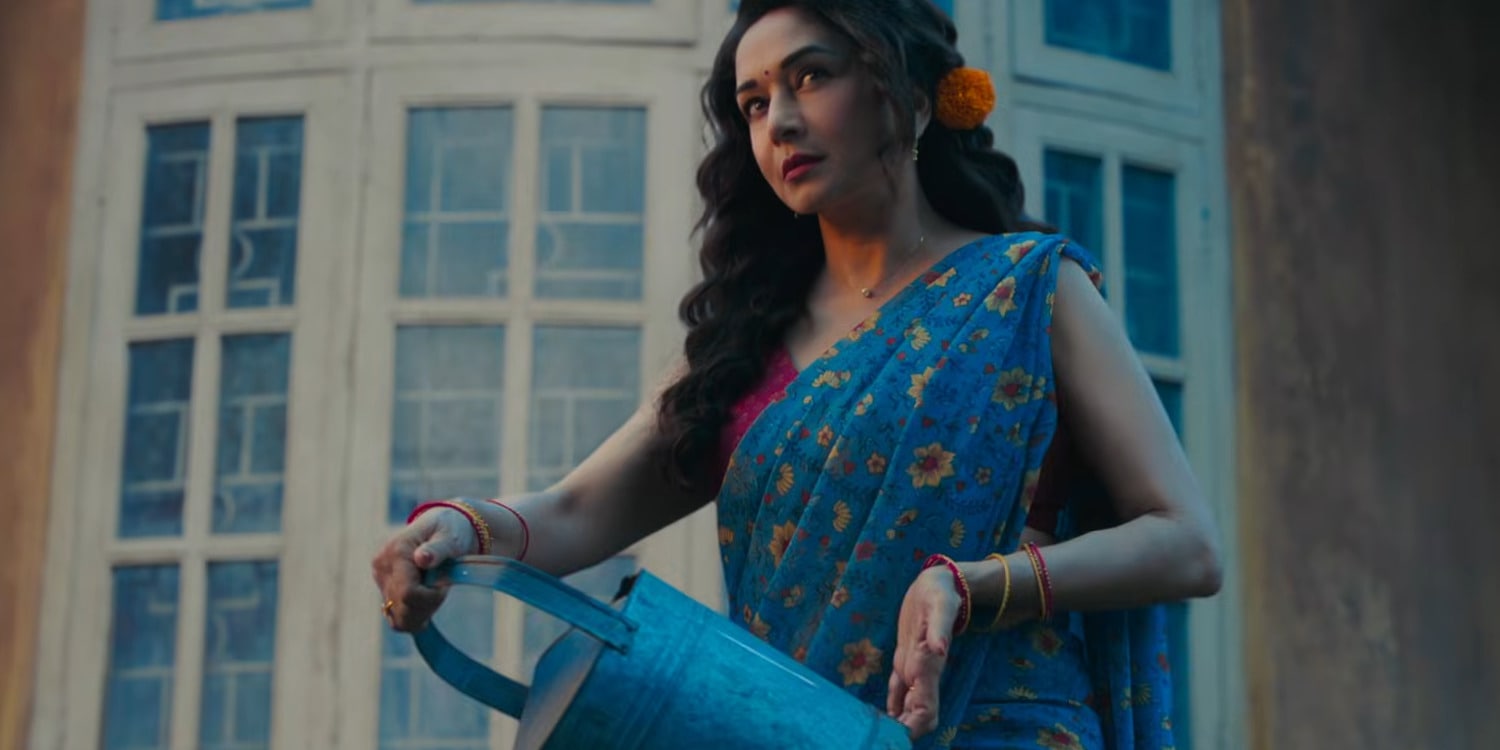
His sugarcane fields are not backdrops. His whitewashed walls, crossed by that thick afternoon light that only the South knows, are not props. They are the story
My atthai was less than thrilled after watching 16 Vayathinile. The film brought back memories of her hometown, Murungapakkam, six kilometers south of Puducherry. She had come to the cinema for glamour and adventure, not to be returned to the red earth and palm trees she had spent years forgetting.
I didn’t know what I was thirsty for until it arrived with Bharathiraja.
Understanding what Bharathiraja did for Tamil cinema is to understand what the Impressionists did for painting. Before Claude Monet, Camille Pissarro, and Pierre-Auguste Renoir brought their easels outside, European painting was a studio affair: Controlled light, controlled compositions, subjects deemed worthy by the Academy. The Impressionists shattered that. They painted haystacks, train stations, women hanging laundry — driven by an obsessive need to capture fleeting natural light, insisting that the world outside the studio was not inferior but inexhaustible.
Bharathiraja did the same thing structurally. Tamil cinema in the 1970s had its own Academy: The Kodambakkam studios, the star system, the grammar of mythologicals and social dramas. He took his camera outside, into the fields of the Kongu and Madurai belts, under the white Tamil Nadu sun with its long shadows. He cast untrained faces and let the landscape speak for itself. A farmer’s daughter at the well, a young man’s longing in a village square — as dramatic and beautiful, he insisted, as any mythological tale.
And like the Impressionists, he was met with skepticism from those who should have known better. Atthai, who had grown up in a village and paid good money to escape it for three hours, was not prepared to see her native red earth elevated to art. It took time. It always does.
This new way of seeing had a name: P S Nivas. Trained at the Institute of Film Technology in Chennai, Nivas brought a visual vocabulary shaped by the shadow-conscious Malayalam black-and-white tradition. Nivas used backlighting to let figures emerge from light rather than be lit from the front — understanding, as Monet understood, that a slight softness, an unexpected shadow, a face caught between two expressions were not imperfections. They were the film itself.
From 1890 to 1891, Monet submitted himself to gentle madness: Painting the same haystack again and again, at dawn, at noon, under snow, under the copper light of autumn. It was not the hay that held him. It was what light did to it — how it consumed it, lifted it, rendered it almost immaterial at certain hours. The haystack was the place where light came to confess.
Bharathiraja understood the same thing, with the red soil of Tamil Nadu beneath his feet. His sugarcane fields are not backdrops. His whitewashed walls, crossed by that thick afternoon light that only the South knows, are not props. They are the story. He returned to them film after film, season after season, with the patience of someone who knows that the world, looked at with enough care and love, never runs dry.
Jean-Francois Millet knew something the French Academy refused to admit: That three women bent over a harvested field (The Gleaners, 1857) contained as much grandeur as any mythological subject. Bharathiraja worked from the same conviction. His women were never ornamental. In Muthal Mariyathai, the desire between an ageing landlord and a young married woman is neither condemned nor softened — it exists, whole and present, the way Millet’s gleaners exist. In Alaigal Oivathillai, he follows his characters through labour, festival, desire, loss, and refuses to force an arc onto material that already has its own breath. Like Pissarro returning season after season to the fields of Pontoise, he believed that if you looked honestly enough, something true would rise to the surface on its own, the way salt rises through the earth after rain.
He was right.
I am not sure my atthai ever fully reconciled with Bharathiraja. For her, cinema was always a way of forgetting — the red soil, the toil, the constrained life she had worked so hard to leave behind. Bharathiraja insisted on remembering. He held that what she had left behind deserved to be looked at until it became luminous.
In that insistence lay both his genius and his provocation. The villages he filmed, the faces he restored to dignity, the untidy stories he chose to tell — they will endure. So too will Murungapakkam, six kilometers south of Puducherry. Bharathiraja would have known exactly how to film it.
Gautier is a writer and poet brought up in Puducherry