

Atmanirbhar Bharat can’t be built by underpaying workers
The fundamental law of economics is simple: Your worker is also your customer.
By Rituraj Sinha
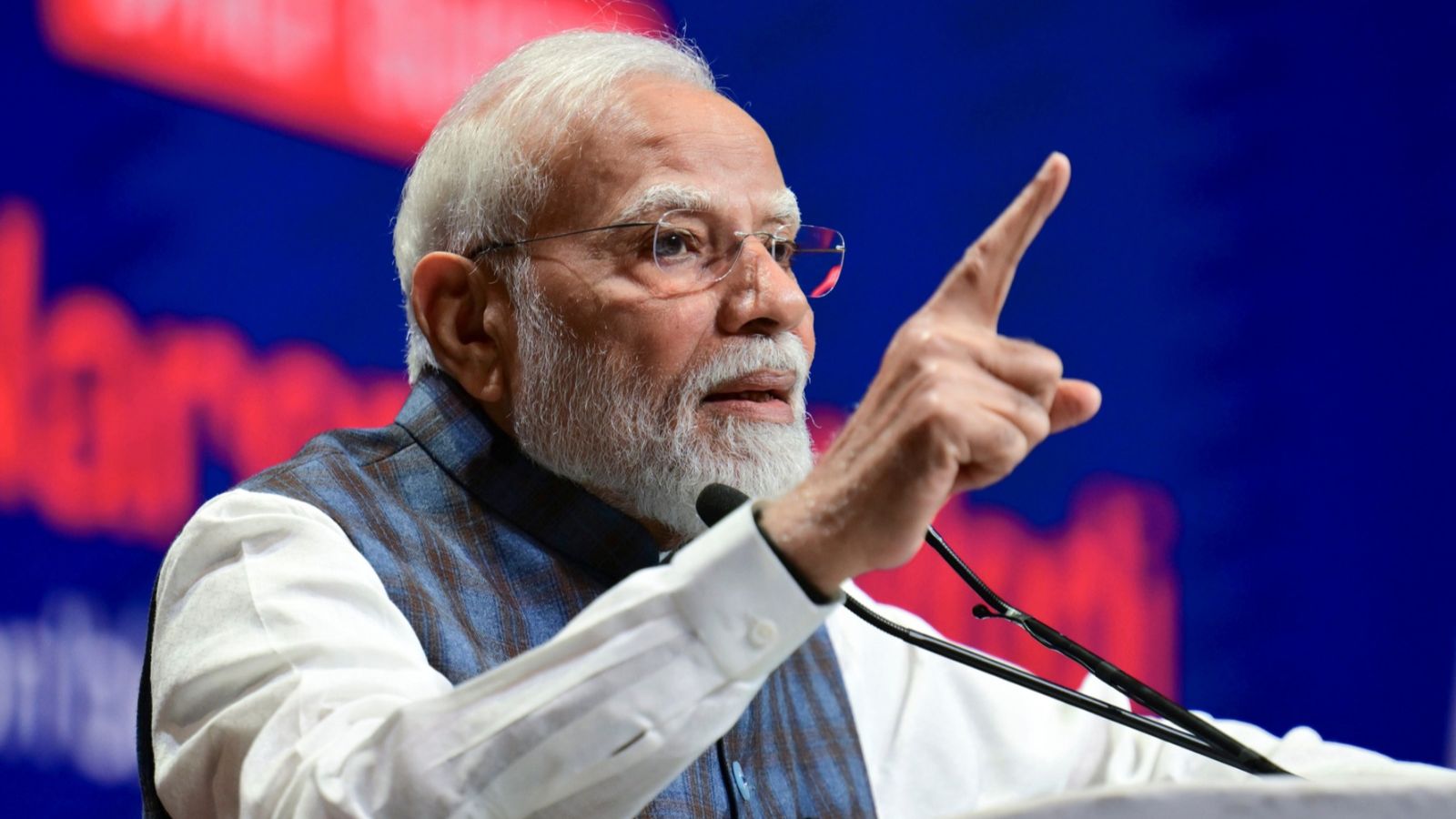
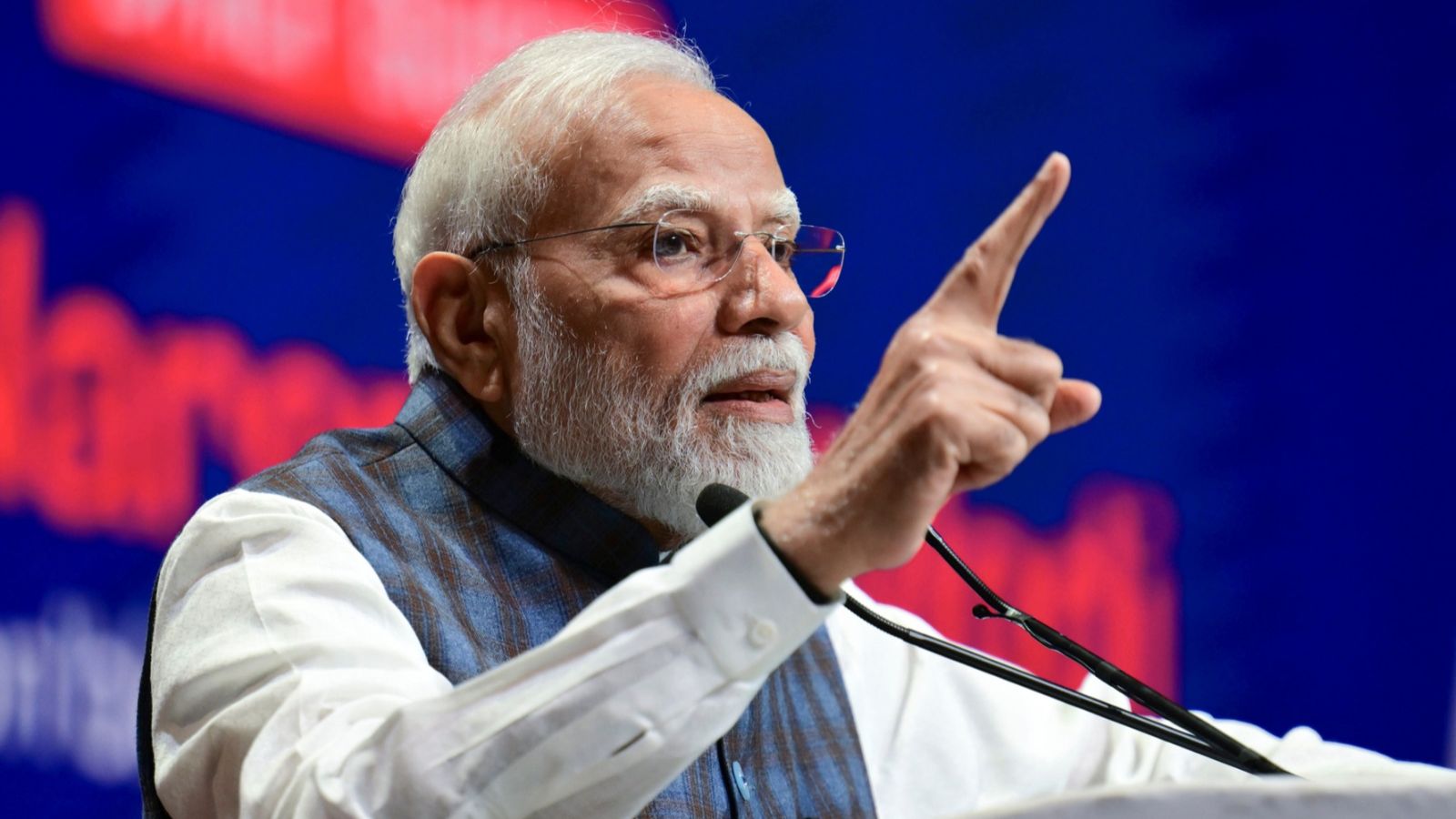
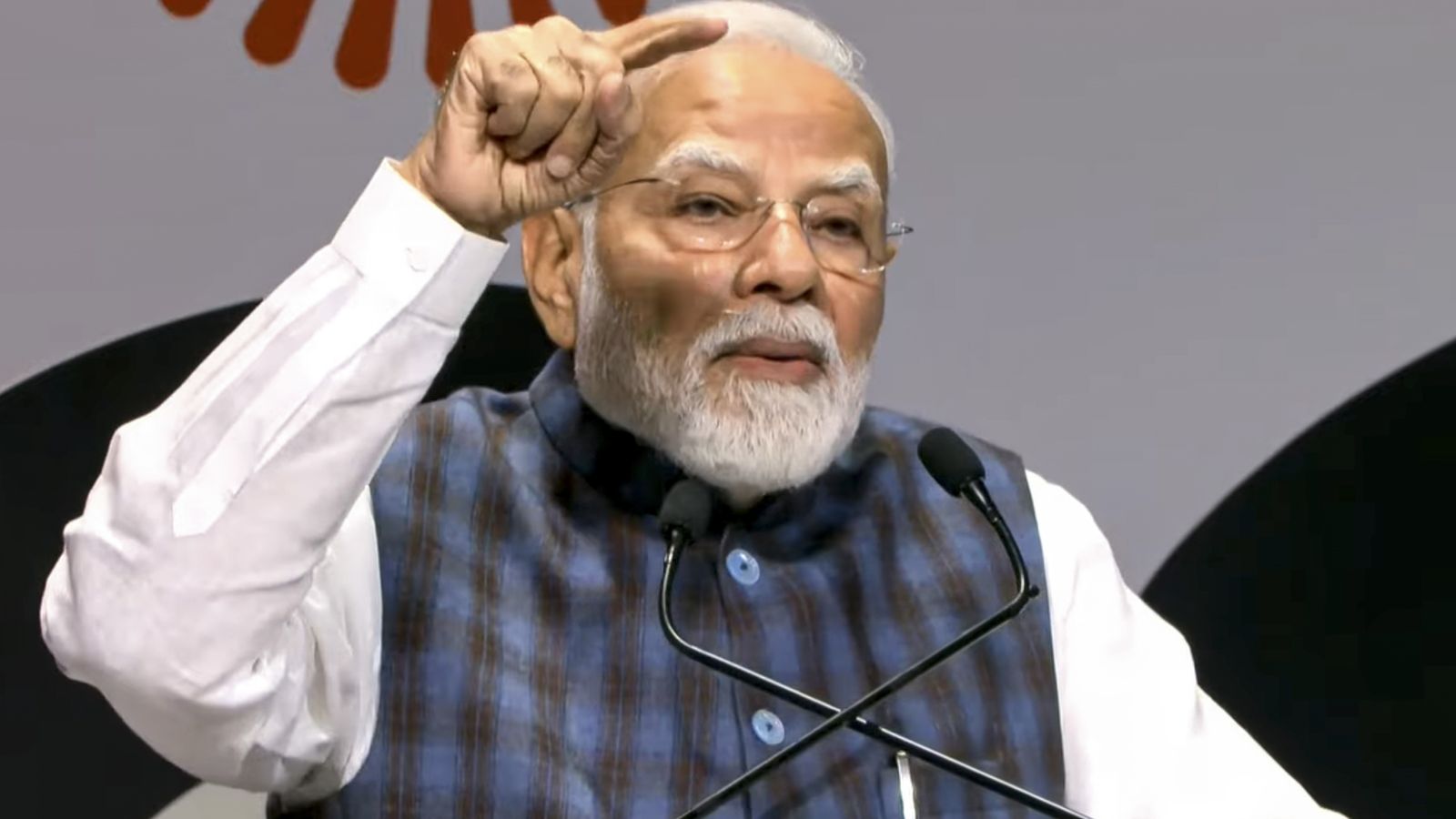
“I have given income tax relief up to Rs 12 lakh. But have you increased the salaries of your employees?” Prime Minister Narendra Modi’s question to industry leaders at the FICCI annual general meeting on Thursday was blunt and long overdue. After a decade of tax cuts and ease-of-doing-business reforms, he asked: Where are the jobs and the pay rises? It is the right question, and the answer lies in how India has chosen to compete. For too long, our growth story has treated wages as a variable to be suppressed rather than an engine of consumption to be fuelled. The Noida-Gurgaon labour unrest (April 2026) was an early warning of what that costs. A $10-trillion economy cannot be built on the back of a $150/month worker.
India’s industrial strategy has frequently benchmarked itself against regional peers like Vietnam and Thailand, yet the comparison reveals a disturbing divergence in worker welfare. While we vie for the same Global Value Chains (GVCs), our wage floors remain tethered to survival rather than mobility. In Vietnam, the average manufacturing wage has climbed to approximately $210-$240 (Rs 17,500-Rs 20,000) per month, supported by high-skill integration. In contrast, India’s Periodic Labour Force Survey (PLFS) 2024-25 data shows that a significant portion of our casual industrial workforce still hovers between $140 and $160 (Rs 11,500-Rs 13,500).
India Ratings and Research, drawing on successive Periodic Labour Force Surveys, finds that real wages at the national level grew by just 0.01 per cent between Q2 of FY20 and Q1 of FY25. In two of India’s most industrialised states — Haryana and Uttar Pradesh — real wages actually contracted in the same period. SBI’s Ecowrap series tells a longer story: Real wage growth of roughly 0.23 per cent a year between FY17 and FY26, a cumulative real increase of around 2.3 per cent across an entire decade. The Economic Survey 2025, drawing directly on PLFS, found that real monthly earnings for self-employed men fell from Rs 9,454 in 2017-18 to Rs 8,591 in 2023-24 — a 9.1 per cent decline. The Indian worker’s “real wage” has effectively moved backwards.
We have ignored this disparity for decades, hiding behind the veil of “labour surplus”. But as Noida proves, a surplus of workers does not mean a surplus of patience. An unfair wage is not just a social injustice; it is a productivity killer that breeds the high attrition and industrial friction currently plaguing our manufacturing hubs.
The fundamental law of economics is simple: Your worker is also your customer. Household consumption accounts for roughly 60 per cent of India’s GDP, yet we are witnessing a “K-shaped” recovery where the top 10 per cent drive luxury car sales while the bottom 60 per cent struggle to fulfil basic aspirations of an English medium education for their children or an oil heater in the peak winter.
The Modi government’s work for poverty alleviation over the last decade has set global benchmarks, but life in a modern republic cannot be sustained by the “oxygen mask” of government subsidies and lower taxes. Employers must fulfil their societal obligations.
A household’s dignity and its ability to fulfil aspirations — be it a down payment on a scooter or the occasional indulgence of eating out — depend on disposable income. By keeping blue-collar wages at subsistence levels, we are effectively capping our own GDP growth. The worker who assembles a Rs 50,000 smartphone should, within a few years of skill-building, be able to afford one. If they cannot, our “Make in India” initiative is merely an export processing zone, not a national wealth creator.
The government’s consolidation of 29 labour laws into four streamlined Codes is a necessary administrative cleanup. However, rules do not address the aspirations of crores of youth that constitute India’s labour force. Regulatory ease is a supply-side fix; the demand-side crisis requires a radical rethinking of pay scales. Employers often argue that higher wages will be a setback for manufacturing and services demand. This is an outdated policy construct. Something that the PM called out.
A Fair Wage model proves that workers who are paid above the bare subsistence level are more productive, less likely to quit, and more invested in quality. High-turnover manufacturing is expensive. When a Gujarat or Tamil Nadu factory loses 15 per cent of its staff every month because the wage doesn’t cover the rent, “cheap labour” becomes the most expensive line item on the balance sheet. Better pay rates are not a burden; they are an investment in industrial peace and operational excellence.
Modi government is as committed to Shramdaata as it is to Annadata.
PM Modi has created a reputation for taking on the bull by the horns. For decades, the Indian political centre of gravity has been the kisan (farmer). Policy, protests, and budgets have revolved around the farmer. While agriculture will always remain vital, the future of India’s demographic dividend lies equally with non-farm workers — those who fuel the blue/grey collar and gig economies. PM Modi has spotted this. Government policy is shifting gears—from a “kisan-centric” policy to “kaamgaar-centric” economy building. The implementation of the Labour Codes is a testament to the PM’s push for better wages and enhanced social security for crores of formal and informal workers.
The government is moving from being a mere facilitator of Ease of Doing Business to becoming the architect of a Dignity of Work framework.
To reach $10 trillion, India does not just need more factories; it first needs a blue-collar middle class with skin in the game and money in its pockets to live a respectable life and groom the next generation. The shift from farm to non-farm must be accompanied by a shift from survival to prosperity. Only then will the Indian growth story be truly Aatmanirbhar. It’s time for Indian industry to step up and play its part.
The writer is a national office bearer of the BJP