

Ambedkar’s warning still rings true: Who does India’s growth really serve? Not Dalit women
Behind the narrative of economic rise lies the lived experience of Dalit women facing entrenched caste and gender oppression
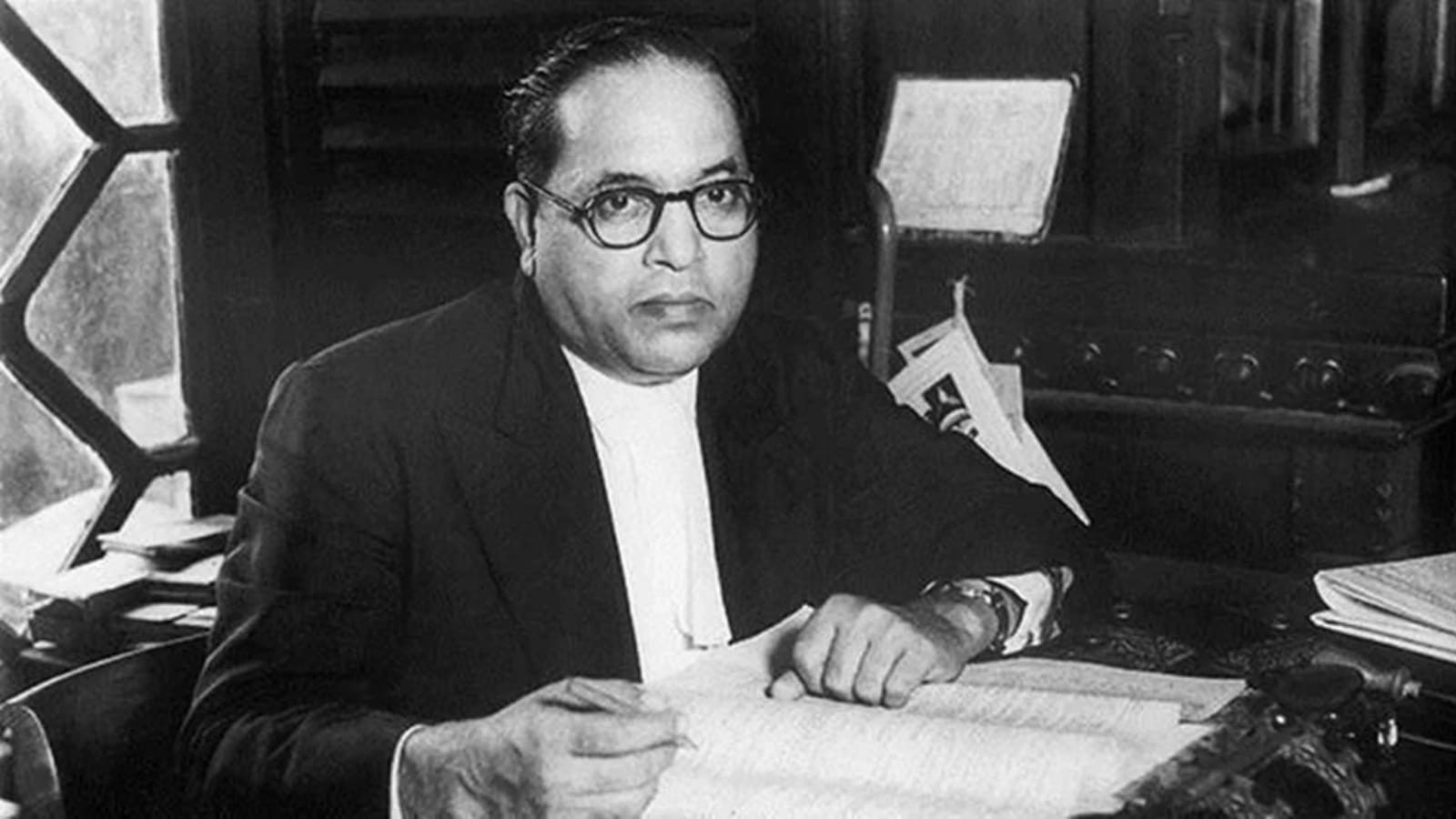
We are told that India has transformed into a $3.5-trillion economy, driven by digital innovation, entrepreneurship, and global ambition. However, the real question is not how much we grow, but who that growth serves — as BR Ambedkar cautioned decades ago. The lives of Dalit women offer the starkest answer. If there is a floor to India’s inequality, it is borne down by three interconnected systems of oppression: Caste, patriarchy, and class. To speak of India’s progress without acknowledging these is not optimism; it is avoidance.
Caste, Ambedkar argued, is not “a physical barrier but a state of mind.” For Dalit women, however, this mindset produces deeply material consequences. They experience both internal and external systems of domination — embedded in culture, institutions, and structures. This is no exaggeration. Data, court records, and news reports reaffirm this structural reality with monotonous regularity.
Consider what recent months have shown. A report by Citizens for Justice and Peace documented 113 instances of caste-based atrocities across Indian states between January and June 2025, with Uttar Pradesh alone accounting for 34 cases. On average, around 10 cases of rape against Dalit women are reported each day — a pattern reflected in multiple incidents. One widely reported case in Uttar Pradesh — the Varanasi gang rape — occurred between March 29 and April 4, 2025, with an FIR registered on April 6. Caste-based violence has also included police brutality.
While not every incident is captured in a single national report, patterns persist: For example, Dalit youths alleged torture following police detention on July 15, 2025, with the case reported on July 20. Dalit women and girls remain disproportionately vulnerable to sexual violence, as seen in multiple incidents documented between April and June 2025, including the rape and death of a minor Dalit girl in Bihar on June 1. These are not anomalies, merely evidence of a system functioning as designed.
This brings us to bargaining power — the ability to negotiate wages, resist exploitation, and seek redress. For Dalit women, all three have been systematically eroded. Overrepresentation in low-skilled work, the burden of unpaid care, and the absence of contracts or social security create conditions ripe for exploitation. These structural disadvantages are further intensified by caste. Patriarchy does not merely coexist with caste; it magnifies it. Women’s unpaid care work contributes an estimated 3.1 per cent to GDP, yet this invisible labour rarely translates into income or asset ownership. A Dalit woman who spends her day in agricultural wage labour and her evening performing unpaid domestic work generates value for two systems simultaneously — and is adequately compensated by neither.
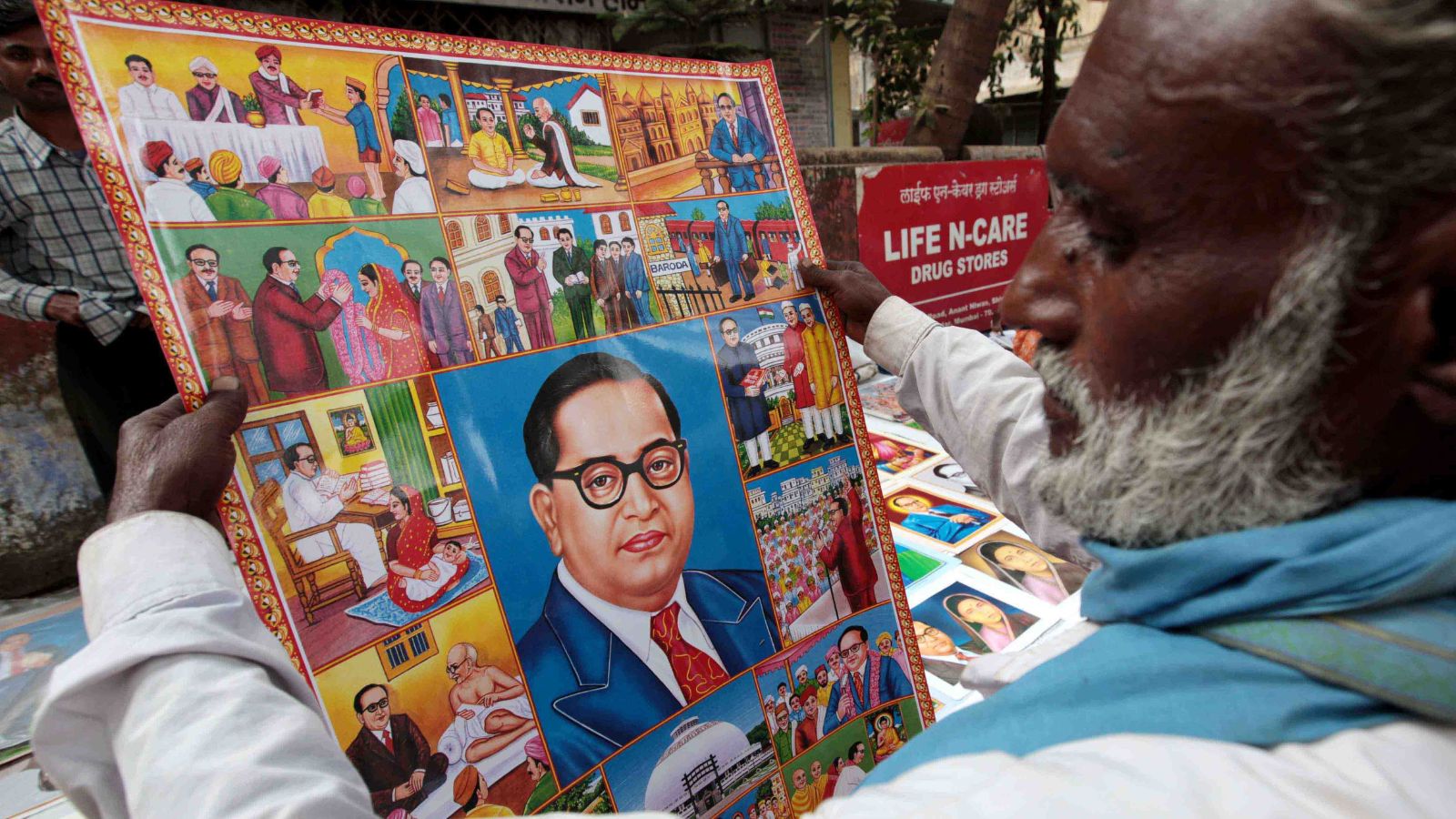
Ambedkar envisioned the state as a corrective force capable of challenging entrenched social hierarchies. And yet, what does remembrance look like in practice?
On April 14, portraits will be shared on WhatsApp. Politicians will garland statues. Speeches will praise his “immense contribution to the nation.” By nightfall, the trend will have passed.
Somewhere in Uttar Pradesh, a Dalit woman will be denied the minimum wage she is legally entitled to. In Haryana, a survivor may face pressure to withdraw her FIR. In Tamil Nadu, a Dalit panchayat president may be made to sit on the floor of a government office.
Because remembering Ambedkar costs nothing. Implementing his ideas costs everything: It unsettles hierarchies, redistributes power, and disrupts the comfort of those who continue to benefit from the system he sought to dismantle. The Scheduled Castes and Scheduled Tribes (Prevention of Atrocities) Act exists. The Equal Remuneration Act exists. Constitutional guarantees of equality exist. What is missing is not legislation, but the political and social will to enforce it.
One day of remembrance is not a tribute; it is, at best, theatre. And Ambedkar — relentlessly precise about what justice demands — would have seen through it. If his ideas remain confined to speeches, statues, and ceremonial garlands, then what we are celebrating is not his vision, but our success in containing it.
The writer teaches economics at Dr B R Ambedkar College, University of Delhi