

Ambedkar Jayanti is not really a celebration. It’s a sleight-of-hand by powers-that-be
India embraced Ambedkar’s symbolism to avoid his radicalism, granting him a public holiday and a Bharat Ratna to buy itself the moral high ground to leave the underlying social architecture untouched. The system survived because it was useful to those who ran it
By Rahul Verma
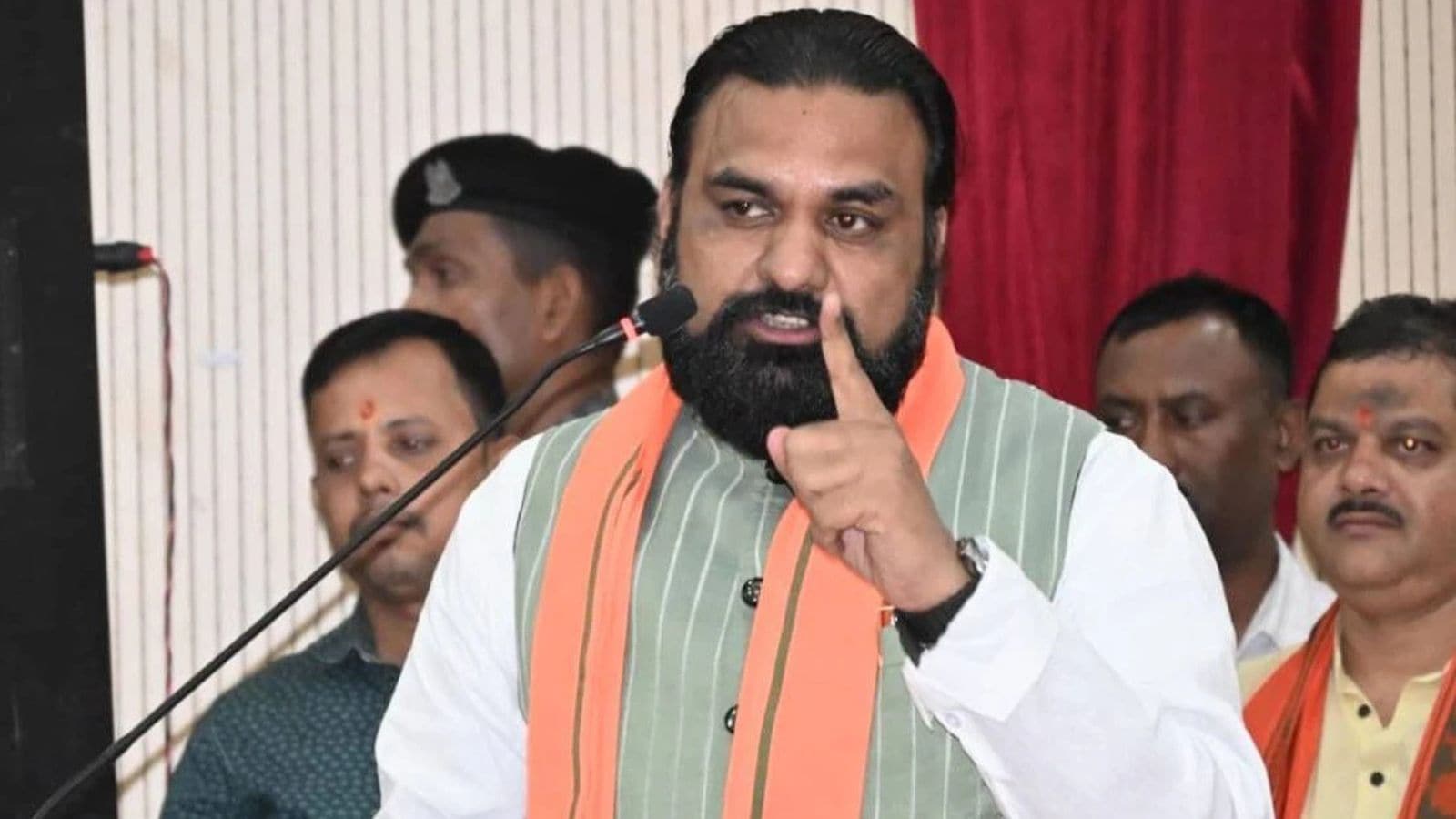
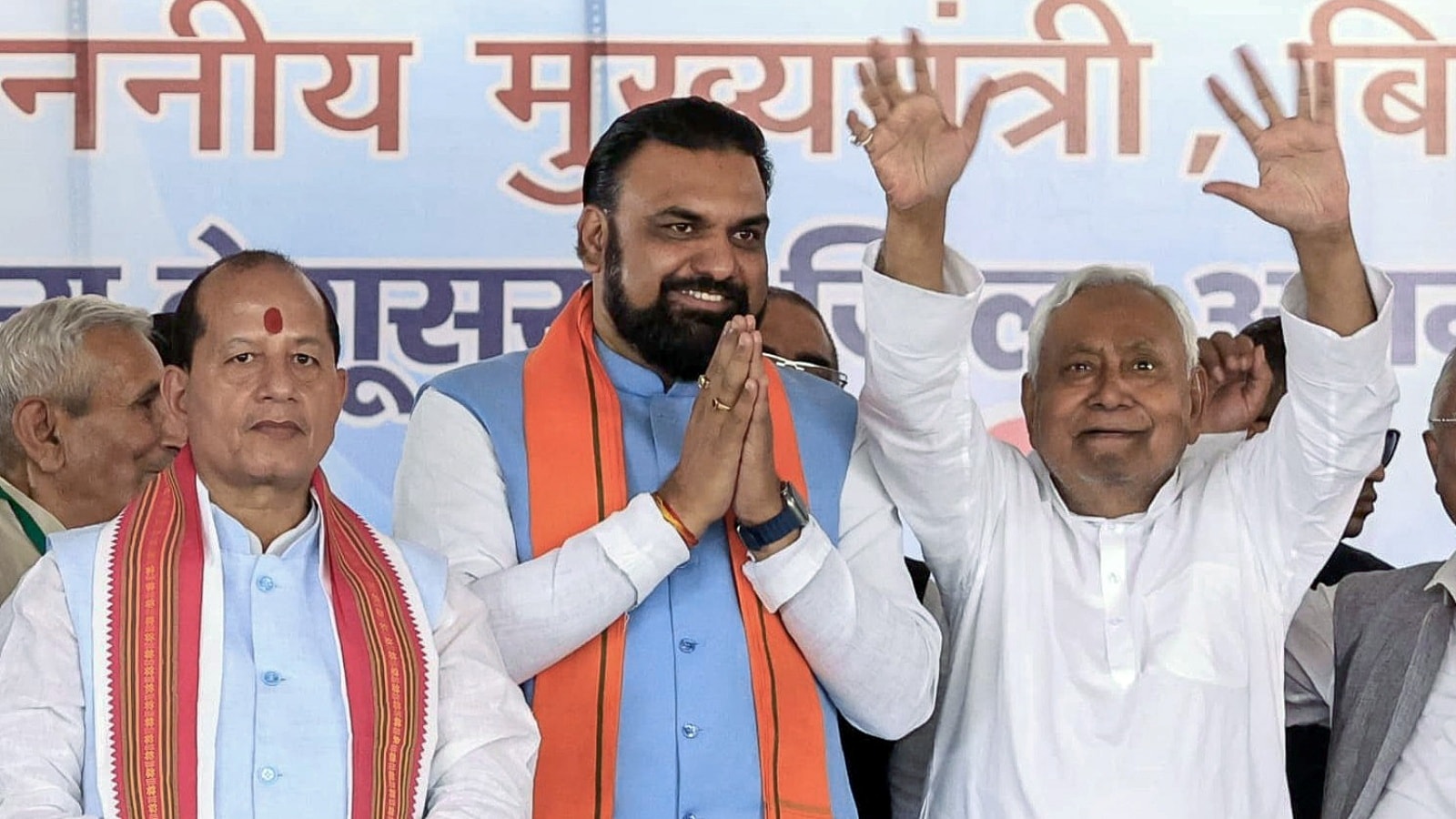
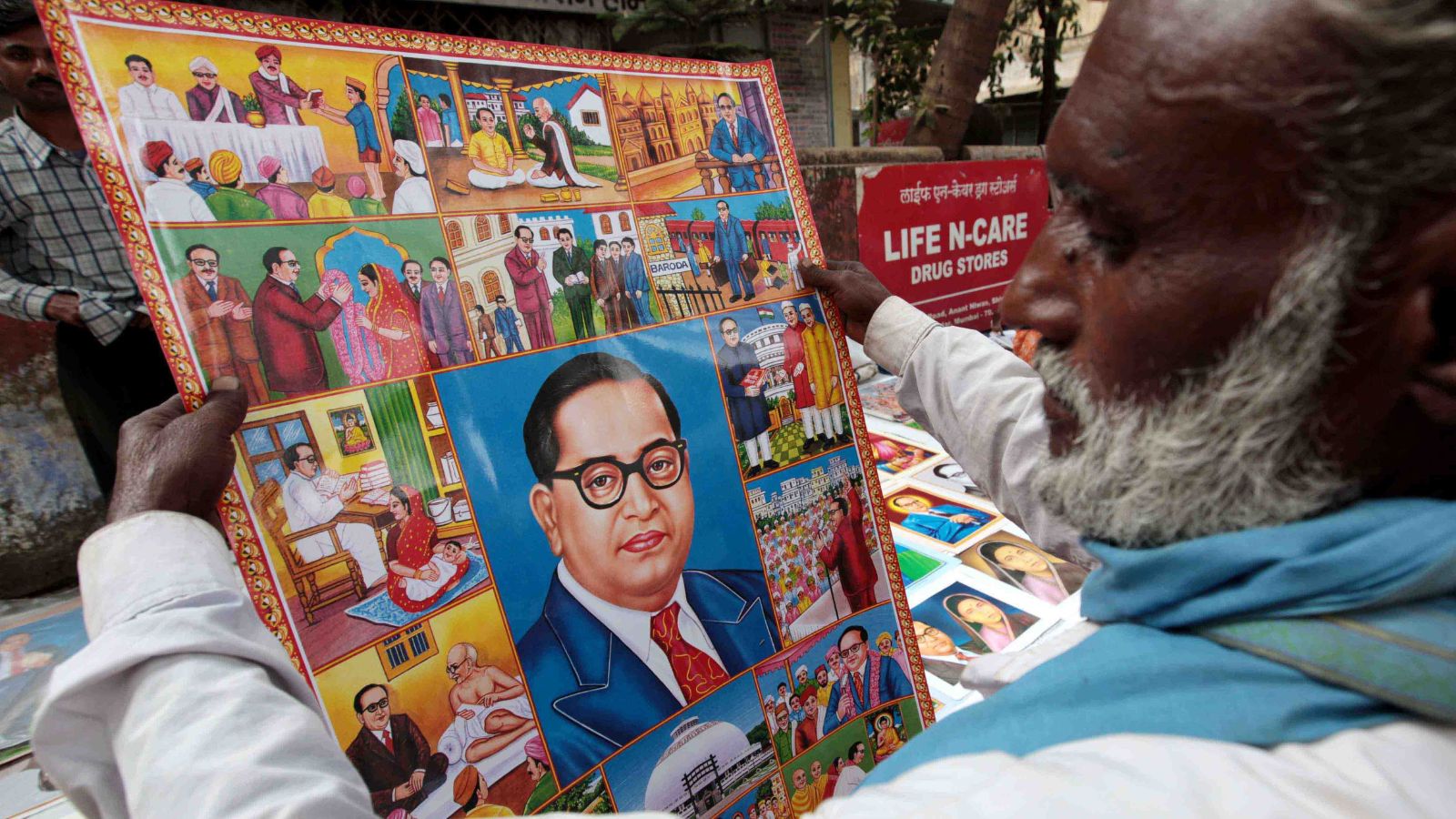
Every April 14, something remarkable happens across India. Political parties that have spent the previous 12 months disagreeing on nearly everything suddenly find common ground. Chief ministers from rival parties garland the same portrait. Leaders who have spent the year attacking reservation policies hold blue flags in press photographs. The ruling party at the Centre, whose ideological lineage once opposed Ambedkar’s vision of a casteless, rational republic, now competes fiercely to claim him. This annual convergence is not a sign of his acceptance. On closer examination, it is evidence of his defeat.
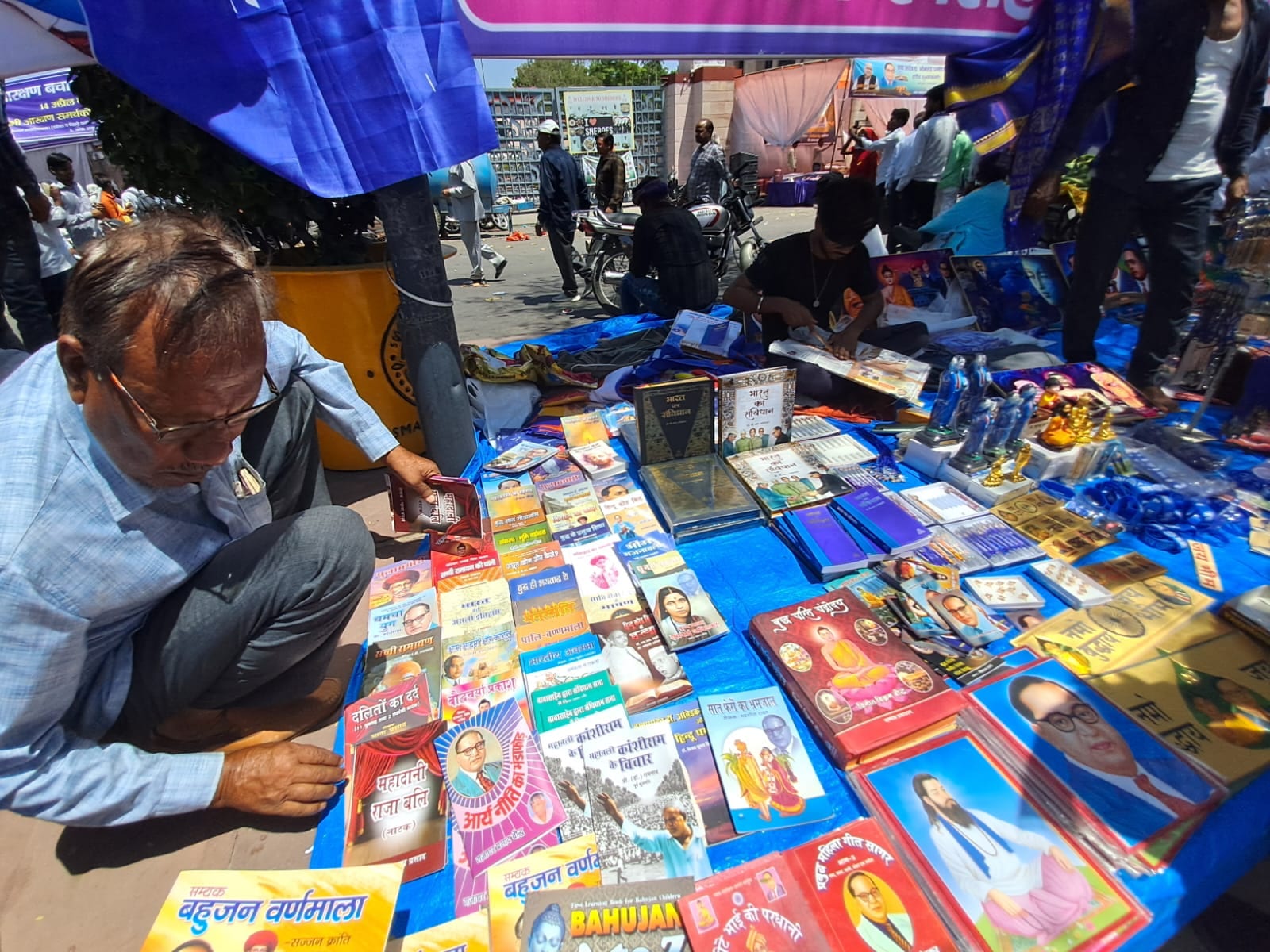
Ambedkar Jayanti has become the single most contested ritual in Indian public life. On university campuses, it is students from Dalit, Bahujan and Adivasi communities who keep the day honest, not for cameras but because this is a political inheritance we carry in our own lives, an affirmation of identity and survival no state ceremony has ever acknowledged. The scale of the scramble, and what it does not produce in the remaining 364 days, is worth sitting with honestly this year.
The answer lies in what Ambedkar himself said would happen. In his final speech to the Constituent Assembly on November 25, 1949, he issued three warnings, precise and unambiguous. He warned against hero worship in political life, arguing that bhakti in politics is a sure road to degradation and eventual dictatorship. He warned that political democracy without social and economic democracy would remain a contradiction that the country would eventually be unable to sustain. And he warned against using unconstitutional means to achieve even legitimate ends. India has honoured none of these warnings. Its political class has turned Ambedkar into the object of the very hero worship he cautioned against.
More than seven decades later, the numbers are unsparing. According to the World Inequality Lab’s 2024 working paper, upper castes hold 55 per cent of national wealth despite constituting roughly a quarter of the population, while Scheduled Tribes account for zero per cent of billionaire wealth. Over 88 per cent of India’s billionaires come from upper-caste communities. The NCRB’s Crime in India 2023 report recorded 57,789 crimes against SCs, while crimes against STs surged by 28.8 per cent. Manual scavenging, which Ambedkar identified as the most visceral expression of caste dehumanisation, persists in 2025 despite three separate legislative bans spanning four decades.
India performed a sleight of hand. It embraced Ambedkar’s symbolism to avoid his radicalism, granting him a public holiday and a Bharat Ratna to buy itself the moral high ground to leave the underlying social architecture untouched. The system survived because it was useful to those who ran it. While his name adorns airports and universities, the 2024 World Inequality Lab report puts a number to it. Dalit and Adivasi communities remain overwhelmingly concentrated in the lowest wealth quintile. Ambedkar foresaw this, which is why he argued that self-representation was never a concession to be granted but a precondition for democracy to actually function.
What Ambedkar Jayanti has become is that same absorption happening in real time, a pressure valve that releases enough acknowledgement of caste injustice to forestall genuine reckoning. When a Class 1 Dalit child in Muzaffarnagar was made to clean school toilets by his teachers and then locked in the classroom, the response was not accountability but silence. When reservation policies face sustained legal challenge, the response is not legislative reinforcement but a larger statue. The Jayanti has become the mechanism by which the state demonstrates feeling while avoiding structural action.
April 14 is the one day on which all of India agrees on Ambedkar. And that agreement, cutting cleanly across parties, ideologies, and interests that otherwise oppose each other on everything, is perhaps the most damning evidence that the India of 2026 has not understood him at all. A thinker who was right about almost everything and acted upon by almost no one is not being honoured by a national celebration. He is being managed by one.
The blue flags on the streets this April 14 are not a symbol of arrival. They are a reminder of how far India still stands from the annihilation of caste, from economic democracy, from a political culture free from the tyranny of hero worship. Until we are willing to sit with that distance honestly, the loudest day of the year will remain the quietest on the things that matter most.
The writer is a Kanpur-based Sociology teacher