

Af-Pak ‘open war’: Rawalpindi has created a situation it can no longer control
Why has Munir escalated tension with Pakistan’s western neighbour, Afghanistan, at a time when his troops are facing an uphill task combating TTP terrorists in Khyber Pakhtunkhwa and armed groups in Balochistan?
Written by Nilesh Kunwar
As Pakistan’s Chief of Defence Forces, Field Marshal Asim Munir would definitely have known that while airstrikes against what Rawalpindi alleges are Tehreek-e-Taliban Pakistan hideouts on Afghanistan’s soil would achieve no meaningful results, it would invariably invite a fierce response from both Kabul and TTP, and this is exactly what’s happened after last Sunday’s airstrike. So why did the Field Marshal order such an action that made no military sense?
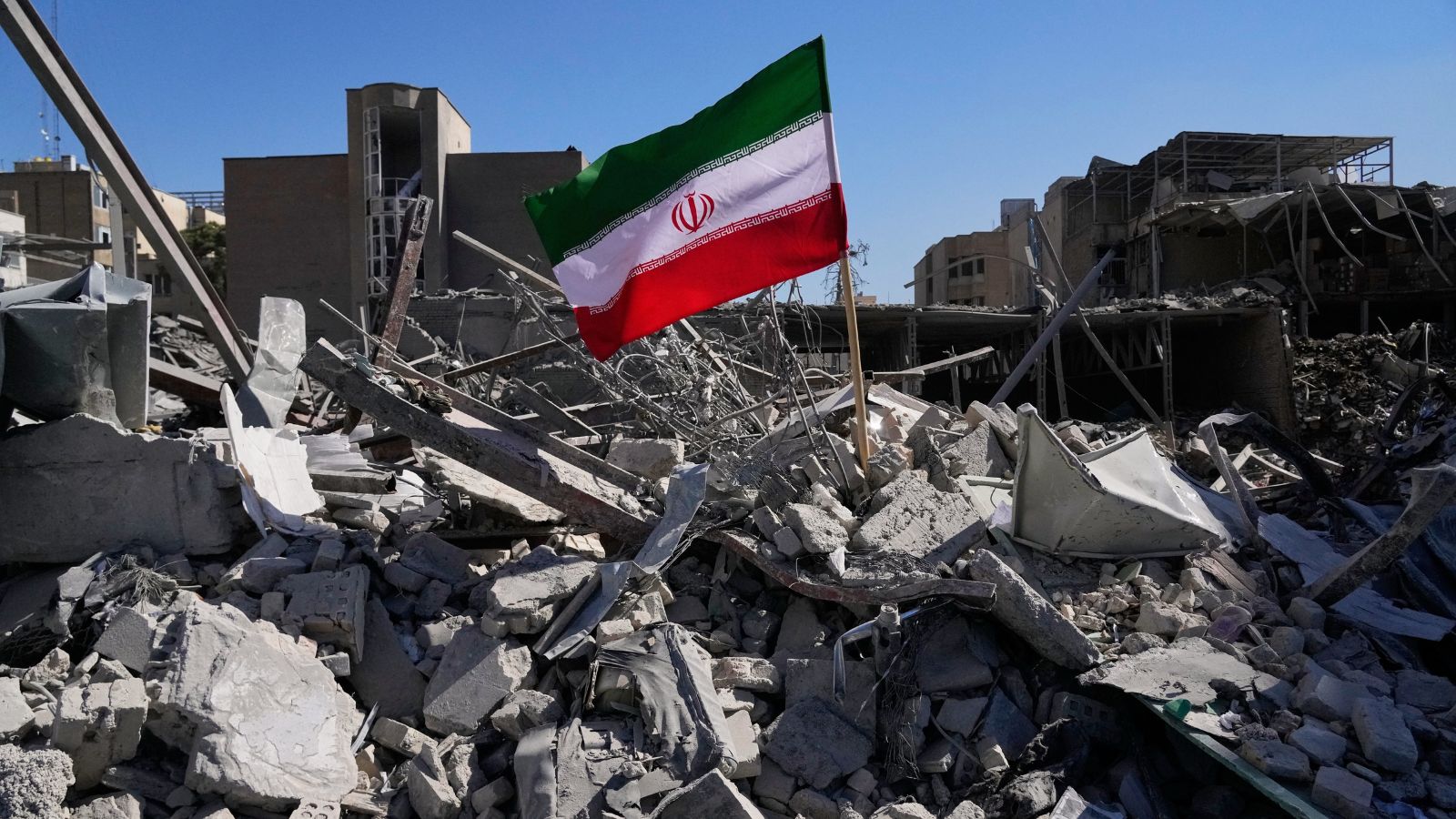
Many analysts had believed that these strikes were mostly symbolic in nature and meant to assuage seething public anger against the Pakistan army’s abysmal failure to rein in Tehreek-e-Taliban Pakistan terrorists, who Islamabad alleges are operating from safe sanctuaries inside Afghanistan. However, with a second round of airstrikes in Kabul, Paktia and Kandahar provinces in the early hours of Friday, it’s evident that Rawalpindi intends to go beyond symbolism this time. Pakistani Defence Minister Khawaja Asif declared on X that “our patience has reached its limit” and added, “Now it is open war between us and you (Taliban government).”
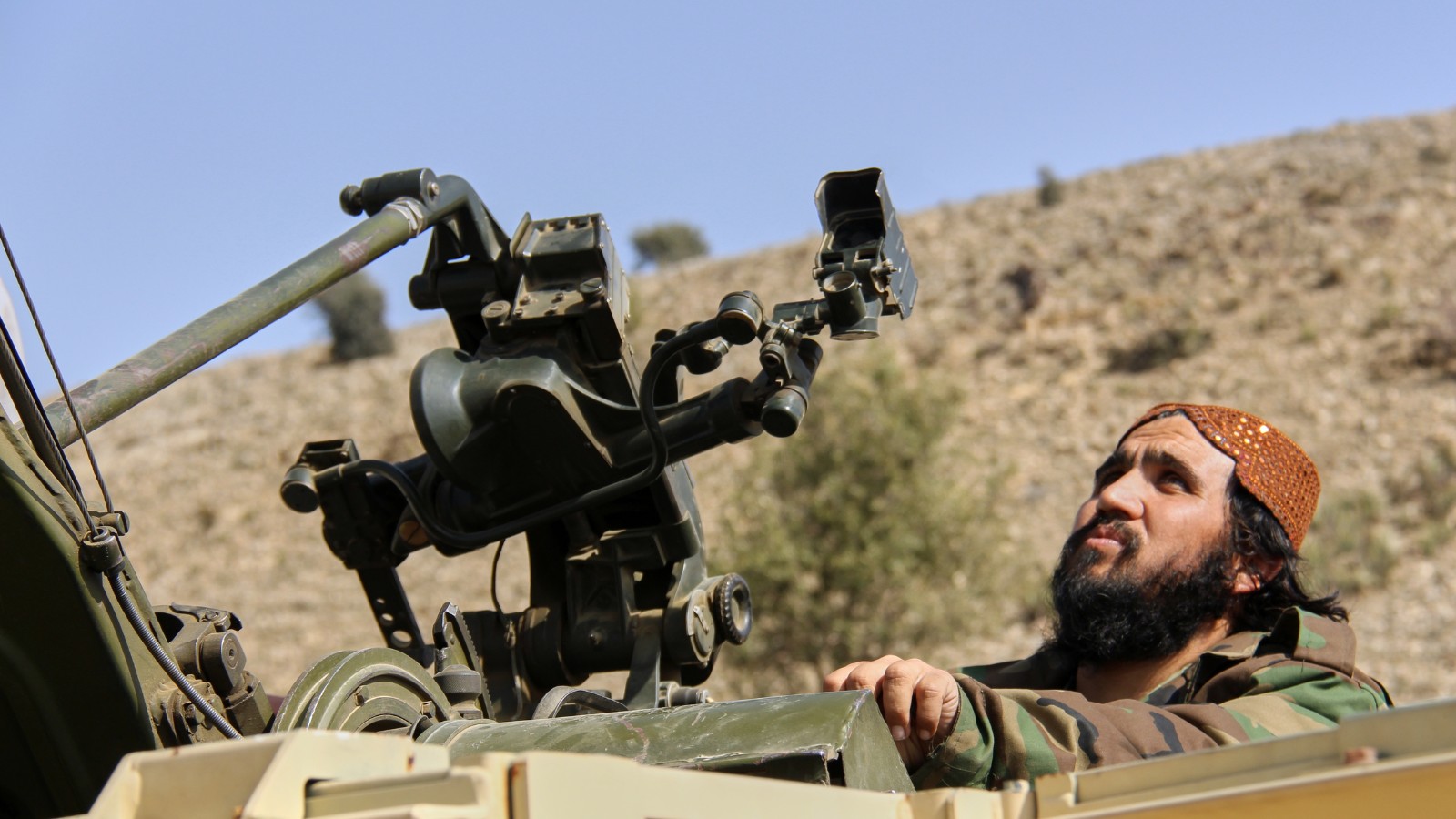
Why has Munir escalated tension with Pakistan’s western neighbour at a time when his troops are facing an uphill task combating TTP terrorists in Khyber Pakhtunkhwa and armed groups in Balochistan? The answer may lie in Kabul’s claim that in its retaliatory action against Pakistan’s airstrikes in the past few days, heavy losses had been inflicted on the Pakistani security forces. Deputy Spokesperson of the Islamic Emirate of Afghanistan Hamdullah Fitrat’s post on X reads, “The major headquarters of the Pakistani regime located at Anzar Sar, under the Babrak post in the Alisher-Terezi district of Khost Province, has just been captured. Dozens of soldiers are killed and wounded, and a large quantity of weapons has fallen into the hands of the Afghan forces.” Though no evidence has been provided, it’s quite likely that the Pakistan army’s losses are significant and have triggered Friday’s airstrikes.
It may be too early to identify exact reasons that prompted the Pakistani strike on Afghanistan’s capital city, Kabul. However, it would be pertinent to mention that due to his misplaced belief that use of brute force and terrorising locals could bring back normalcy in KP and Balochistan, Munir has himself created a situation he can no longer control. Resultantly, these are desperate times for him that call for desperate measures. Now that Pakistan has formally launched Operation Ghazab Lil Haq (“wrath for the truth” or “righteous fury”) against Afghanistan, its Foreign Office needs to work overtime to use the good offices of a Gulf country to extricate itself from this mess, even if it is tantamount to some diplomatic humiliation. But even when this happens, Munir’s woes would still be far from over because he’s imprudently set an unachievable precedent.
He cites Kabul’s failure to act against terrorist groups using Afghanistan’s soil for carrying out anti-Pakistan activities as a legitimate justification for conducting airstrikes against what Pakistan claims are terrorist infrastructure and hideouts. This is a safe option since Afghanistan doesn’t have a combat-worthy air force nor anti-aircraft defence system and so airstrikes across the Durand Line are a cakewalk. However, since Munir regularly alleges that armed Baloch groups are being sponsored by New Delhi and has even officially named them Fitna al Hindustan (“strife/tribulation of India”), it’s just a matter of time before the masses start demanding a similar action against India.
But New Delhi is not Kabul, and Rawalpindi knows very well that any misadventure against its Eastern neighbour will come at a prohibitive cost. With many of the defence assets destroyed/damaged during Operation Sindoor still not fully operational, Munir would surely think twice before doing a “Ghazab Lil Haq” on India.
Nevertheless, it would be a grave error to underestimate him. New Delhi, therefore should remain wary of Pakistan army’s sinister designs because thanks to Munir’s rabid anti-India rants not so long ago and resurrecting the perverse “Muslims are different from Hindus in every way” belief, he’s fed the masses with the deadly mix of religion and jingoism. Besides upgrading its counter-terrorism capabilities, New Delhi needs to maintain a credible deterrent that not only prevents Rawalpindi from being rash, but is capable of decisive response should the beleaguered Field Marshal, forced by desperate times, decide to cross the red line.
The author is a retired Indian Army officer