

A nation’s attachment to the soldier is virtue & weakness
Soldiers, when taken hostage, have disproportionate damage potential on their own war effort
On the night of November 14, 1940, hundreds of German bombers headed towards the British city of Coventry. The British high command learnt of the impending raid but were faced with the devil’s alternative. They could either evacuate the city, saving thousands of innocent civilians, or protect a vital strategic advantage. The legend holds that they chose the latter.
By late 1940, Bletchley Park had cracked the Enigma cipher, accessing every significant German military communication. The intelligence it yielded, codenamed Ultra, was the Allies’ most precious strategic asset, eventually shortening the war by years. But Ultra came with a painful constraint: It could only be deployed when its yield could be attributed to other sources. When Germany suspected Enigma was compromised, it would change and the Allies would go blind.
Whether that exact calculation was made on that night remains historically disputed. What is undisputed is that commanders face this brutal arithmetic in war: Losing a city to win the war or the cold calculus of a thousand deaths today to prevent a hundred thousand tomorrow. It is cold-blooded murder either way, only the quantum varies.
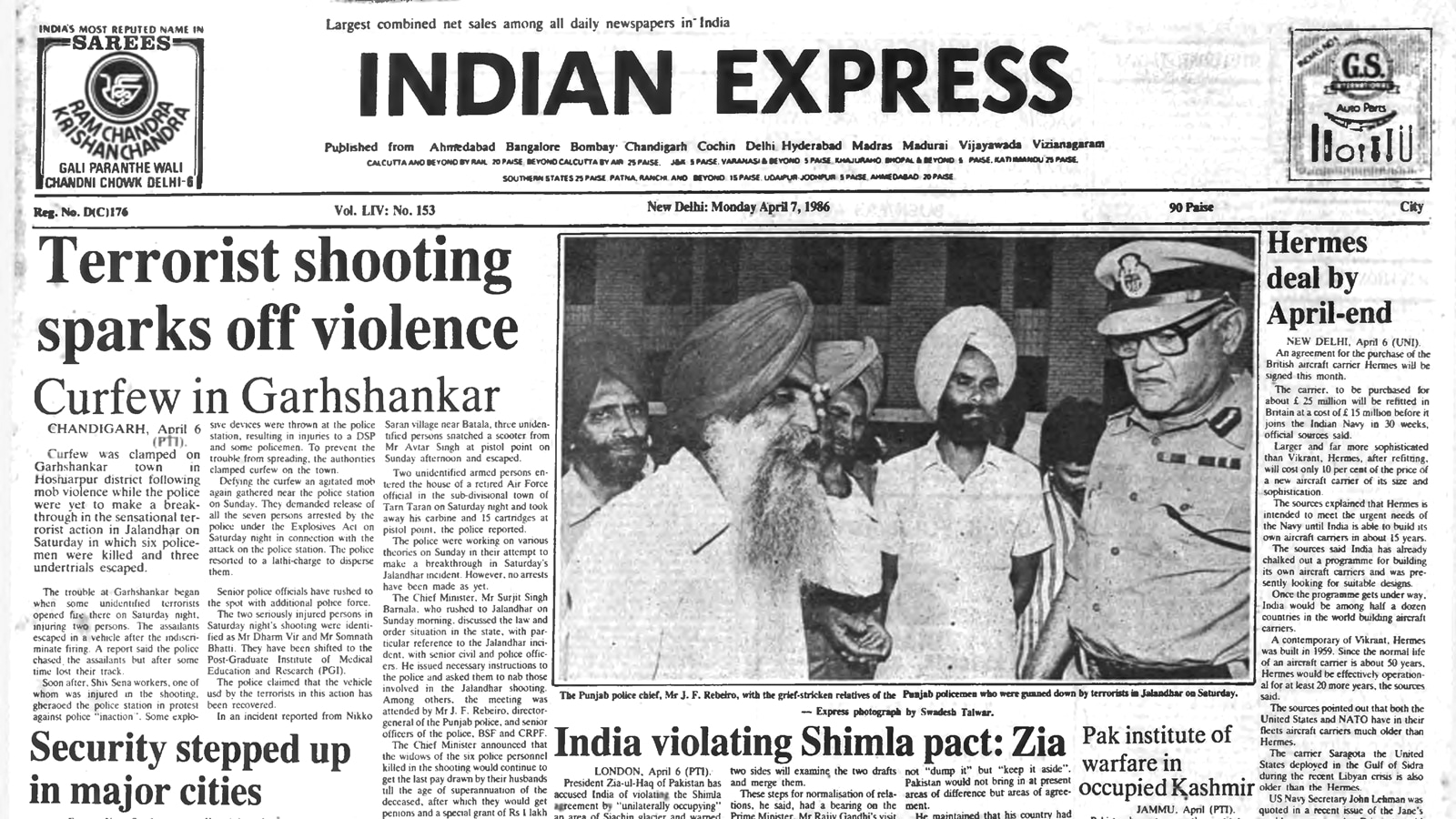
Thirty-six years later, Israel codified this into a doctrine. By the mid-1980s, Hezbollah had discovered Israel’s Achilles’ heel — not its tanks or its air power, but its soldiers. A nation’s fierce public attachment to its servicemen is not merely a necessary social virtue, it is also a vulnerability that has traditionally been weaponised. In 1986, after three Israeli soldiers were captured in Lebanon, the IDF formalised its response: The Hannibal Directive. Its essence was stark: A dead soldier is a tragedy but a captured soldier is a strategic catastrophe. The directive authorised overwhelming force to prevent the capture of an Israeli soldier, even if that force risked killing him. A dead soldier cannot be traded and cannot set a precedent of kidnapping.
The Gilad Shalit exchange of 2011 proved that argument. The 19-year-old tank gunner was captured in 2006 and exchanged for 1,027 Palestinian prisoners after five years in Hamas custody. Hamas called it a victory. More damaging than the numbers was the signal: Israel’s public sentiment could be weaponised. Every asymmetric organisation leverages this equation, as India learnt painfully in Kandahar in 1999. On October 7, 2023, Hamas took over 250 hostages with the purpose of leveraging them for demands.
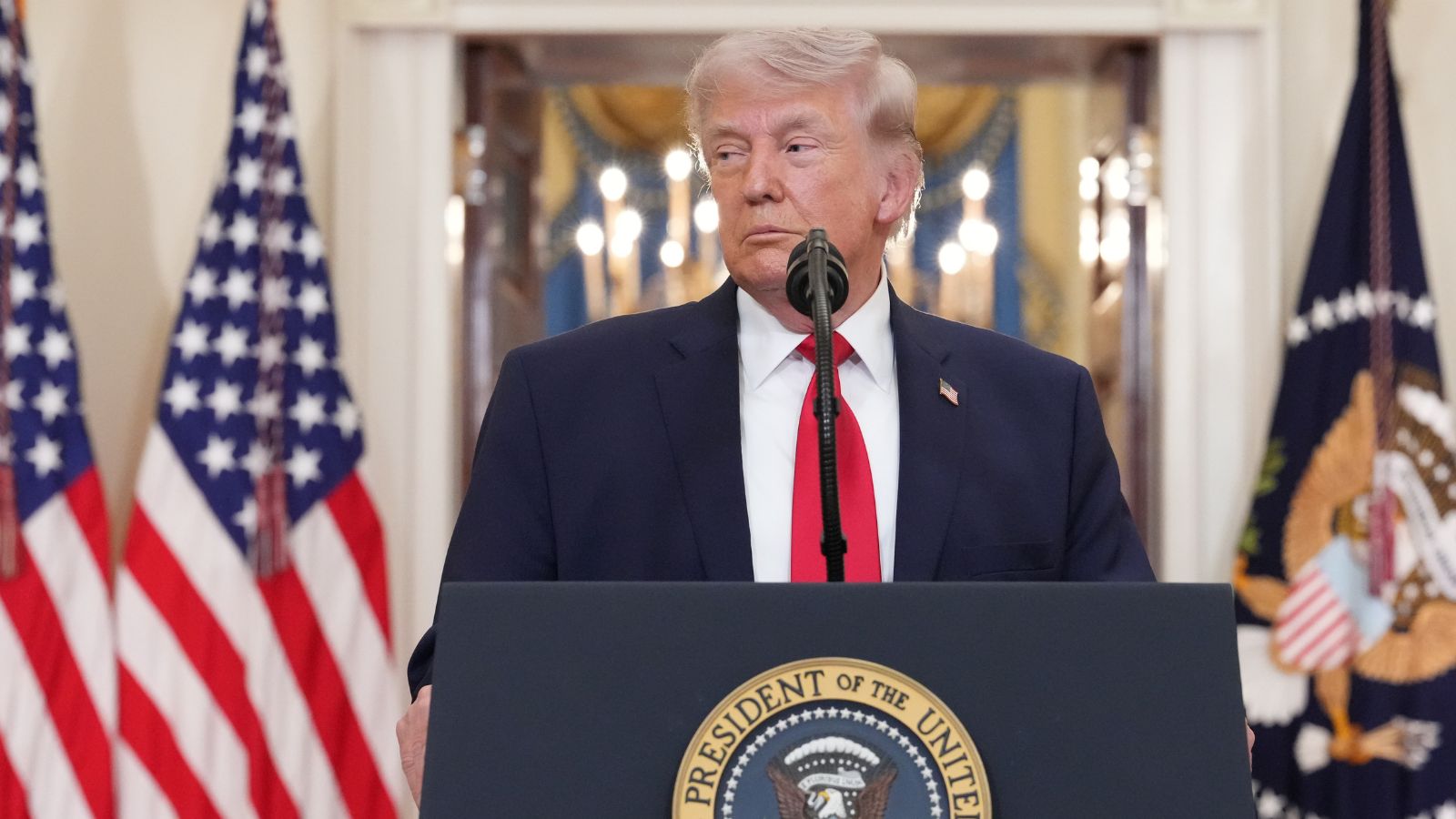
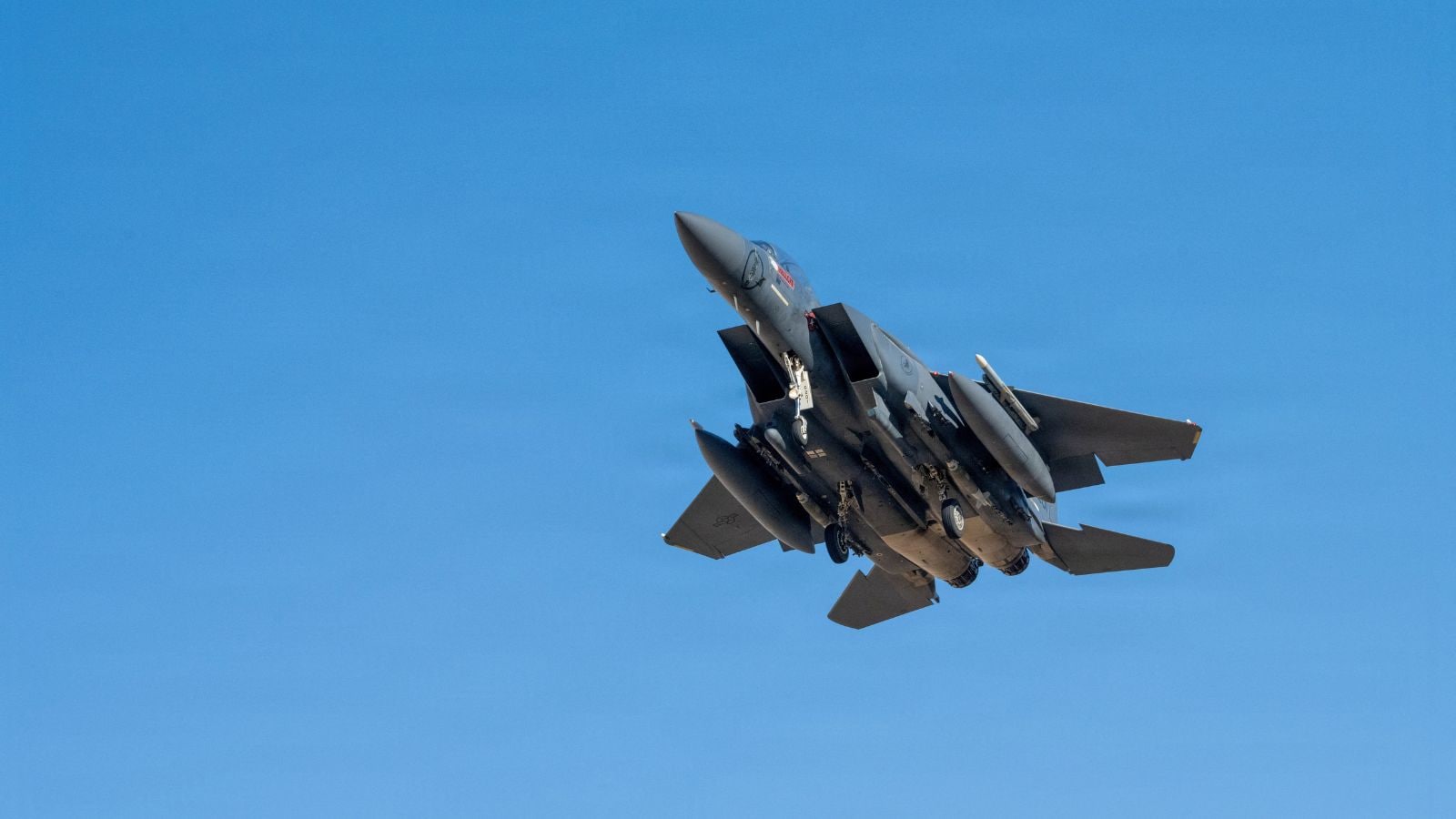
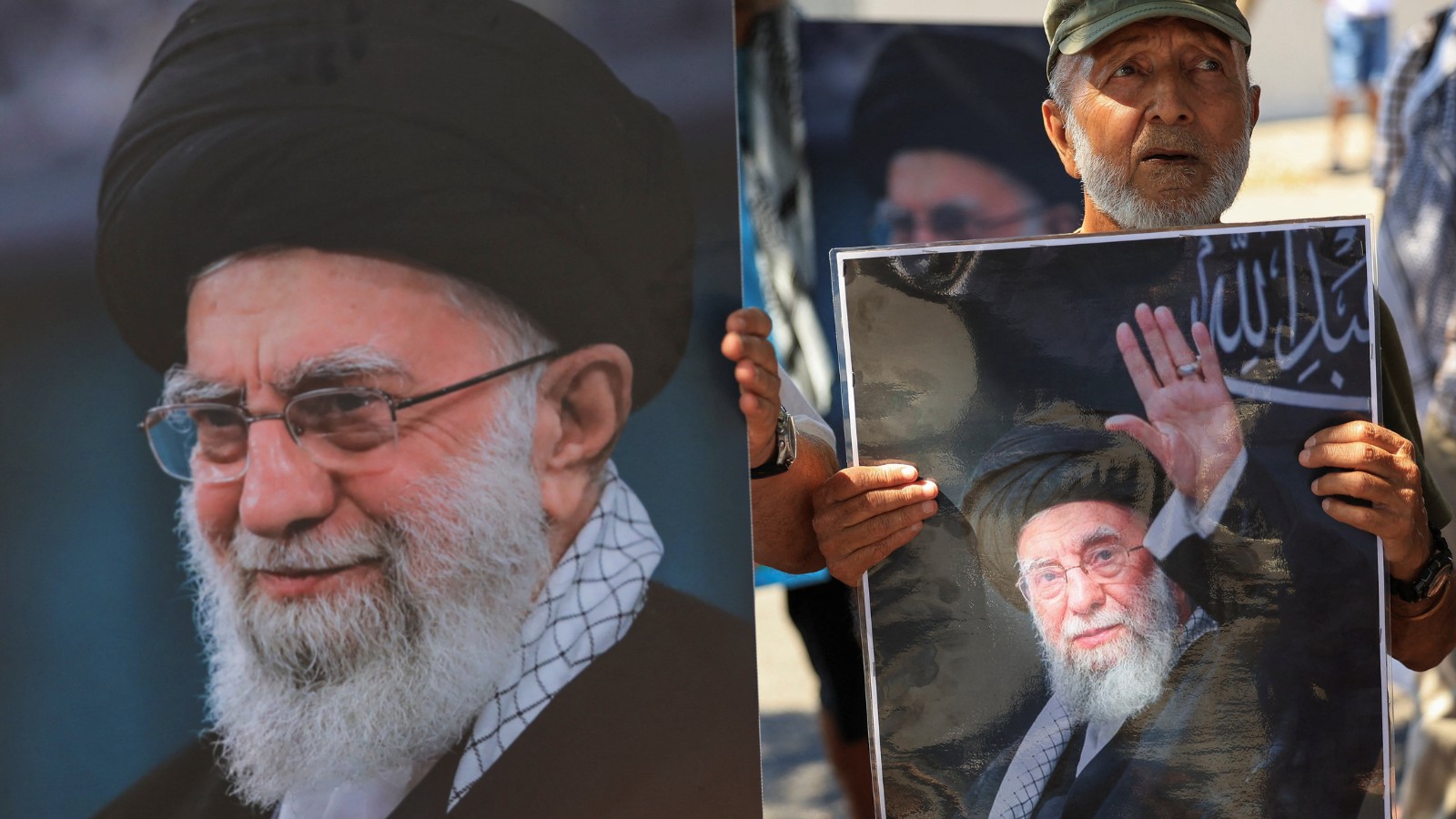
The macabre truth of war is, soldiers, when taken hostage, have disproportionate damage potential on their own war effort. On April 3, an F-15E Strike Eagle was downed over Iranian territory. While the crew has been rescued after three days of frantic search, any Gilad Shalit-like hostage situation, especially of a high-value asset like a fighter pilot, gives tremendous leverage to Tehran. More worryingly for Donald Trump, if Tehran releases captured Americans unharmed to an agency like the UN, they will smash the narrative of an “evil regime” whose schoolgirls were slaughtered by US ordnance. On the other hand, every US rescue attempt of captured personnel is fraught with the ghost of Operation Eagle Claw: Jimmy Carter’s 1980 effort that ended in flames in the Iranian desert, eight dead American servicemen, and a destroyed presidential legacy.
The Hannibal Directive was named after a general who chose to die consuming poison rather than be captured by his enemies. It is a war doctrine that recognises a terrifying reality, that in the theatre of high-stakes geopolitics, soldiers are not just warriors, they are also a symbol of sovereign territory, whose capture seizes enemy mindshare.
In 1971, India held 93,000 Pakistani prisoners, the largest mass surrender since World War II. India chose to use them as quiet diplomatic leverage, not as a global media spectacle. Today, the arithmetic has flipped. The capture of just one pilot, a Nachiketa in 1999, or an Abhinandan in 2019, can affect operations of a nuclear-armed Subcontinent, demonstrating that in the modern war theatre, a single life is a strategic game-changer that can derail the momentum of an entire war machinery.
The writer is founding CEO, NATGRID, and a former soldier