

A life in melody: Pt Hariprasad Chaurasia’s life showcased in a musical
Bansuri Jab Gaane Lage brought flute icon Pandit Hariprasad Chaurasia’s life to the stage on his 88th birthday
It is only appropriate that a musical about Pandit Hariprasad Chaurasia runs on an anthropomorphic device throughout, with actor Vikas Rawat embodying the bansuri, confessing, almost wistfully, a wish to be loved. From there, the instrument narrates its journey into Chaurasia’s world: how it was “love at first sight,” stolen, and then smuggled home, and hidden from a wrestler father who wanted a very different life for his son.
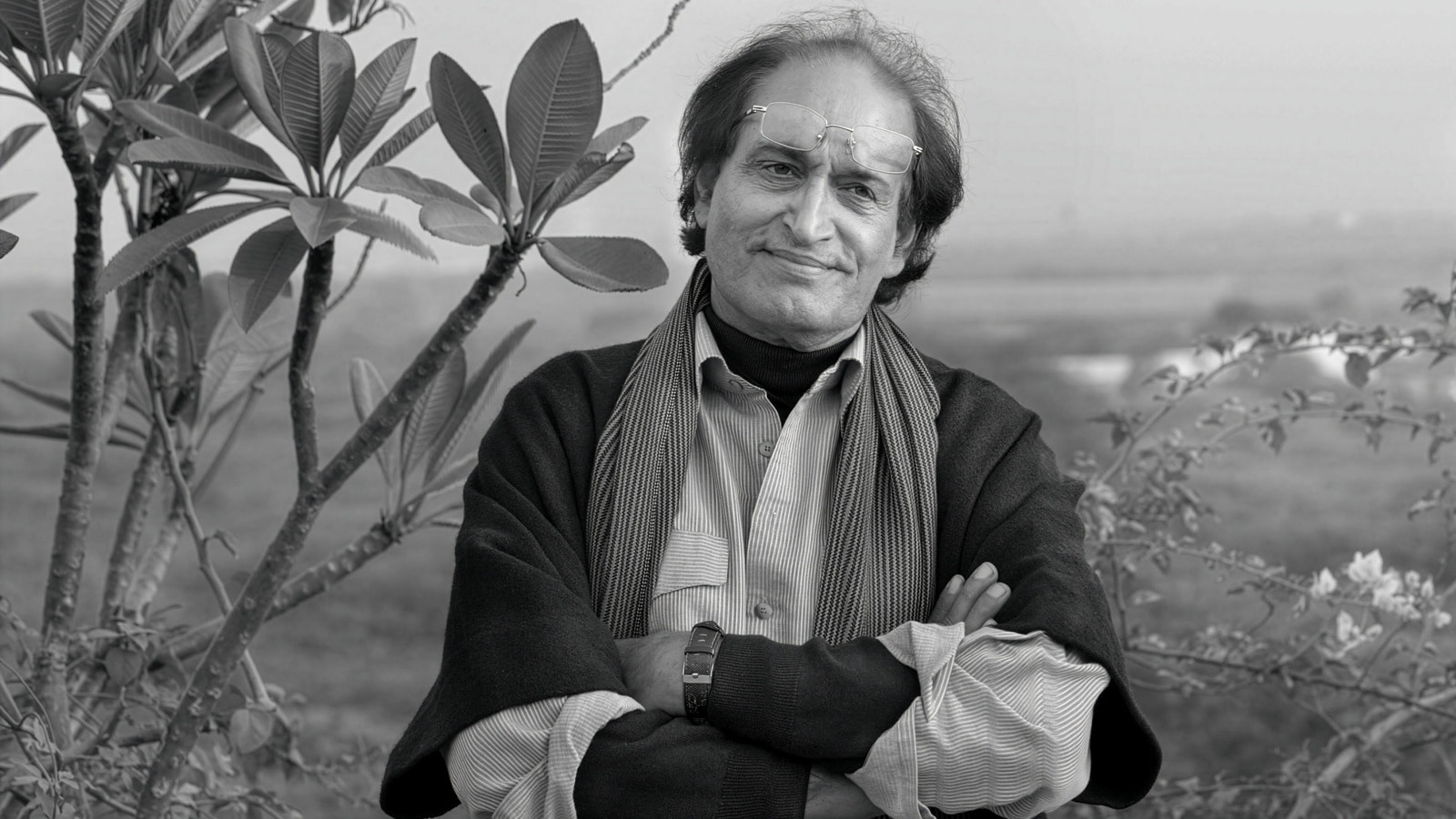
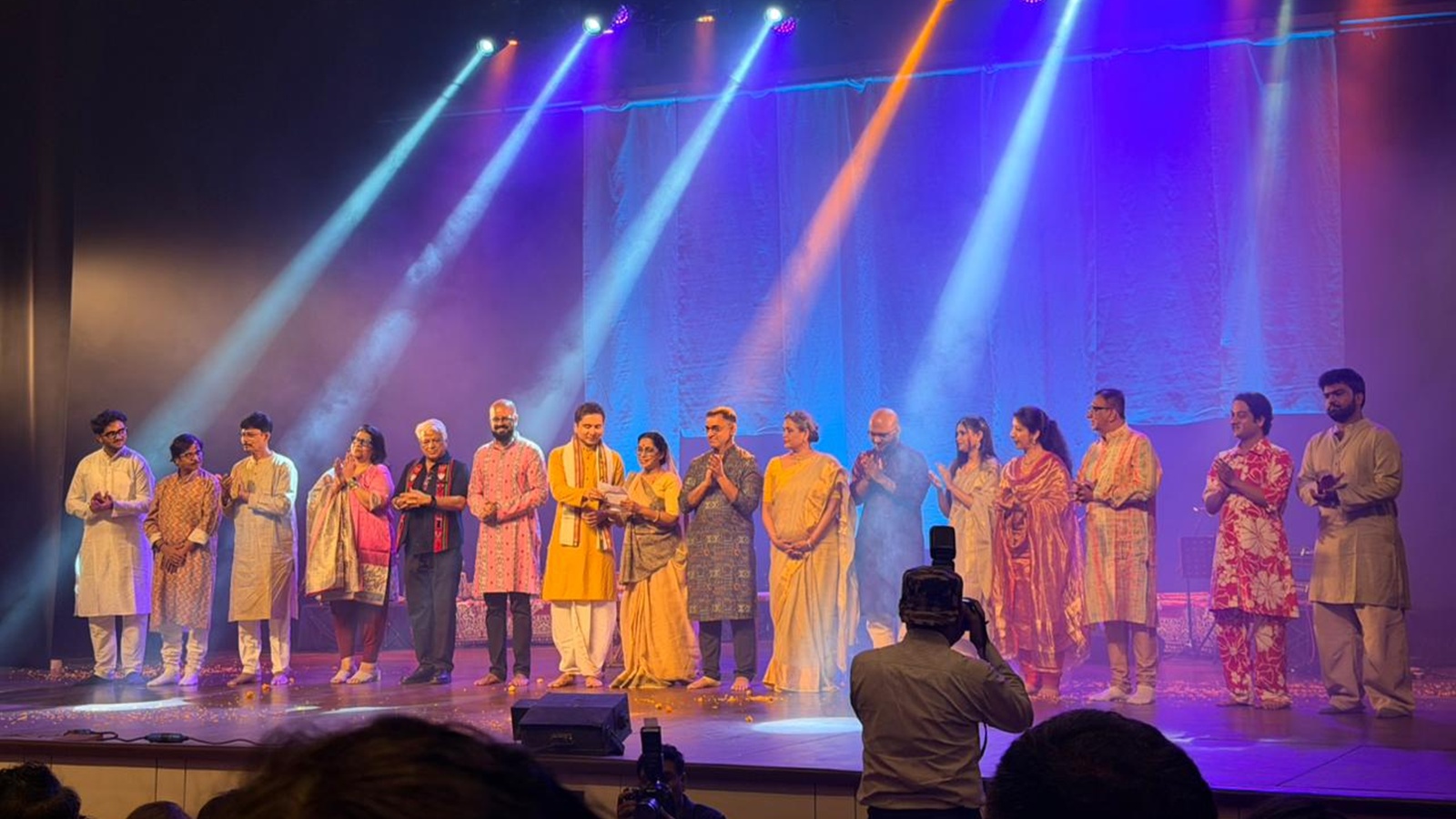
Bansuri Jab Gaane Lage, a musical showcased at Delhi’s Kamani Auditorium last week on July 1, also Chaurasia’s 88th birthday, is a musical celebrating the life of the flute legend and his career in Indian cinema.
The musical, written by Chaurasia’s daughter-in-law, Pushpanjali and produced by son Rajeev, moves chronologically through the milestones now familiar to anyone who knows Chaurasia’s story: the secret music lessons from a neighbour while his father believed he was training as a wrestler, the early stint at All India Radio, Cuttack, the transfer to Mumbai, and his years of persistence outside Annapurna Devi’s door as he sought her as a guru. Each chapter was followed by a song that resonated with that time, from devotional numbers to the Hindi film soundtrack he would go on to define.
The two-hour musical’s second half post the interval spoke of Chaurasia’s legacy in Hindi cinema, tracing his entry into playback work and his celebrated partnership with santoor maestro Pandit Shivkumar Sharma as the composing duo Shiv-Hari, whose scores for Silsila, Chandni, Lamhe and Darr among others produced some of Hindi film music’s most enduring melodies. These melodies are performed live by singers, Ayesha Mukherjee and Chintan Rana as part of the musical. “Delhi is my city, I feel like I’m back home,” Chaurasia said, pleased by all his admirers and family members being present for the show.
Woven through the show are five women who shaped Chaurasia’s life — his mother, who died when he was six; an aunt from the neighbourhood in Allahabad whose motherly warmth came alongside her being his first guru’s wife; a sister whose affection sustained him; his devoted wife Anuradha; and Annapurna Devi, the guru he sought out well into his career, willing to start again as a beginner past 25. All five roles are played by Kathak dancer Reshma Shetty.
For all its detail, though, the musical was noticeably selective about which parts of Chaurasia’s personal life made it to stage, dismissing any mention of his first wife, Kamala Devi, and their two sons, Vinay and Ajay, born well before his years in Bombay.
The show closes with Chaurasia’s own mother, invoked gently and briefly, mentioning how Chaurasia doesn’t talk about her much. She ends by talking about his name, “Hariprasad, mano jaise Hari ne hi prasad mei bansuri di ho.” And the song, Ye kahan aa gaye hum concludes the show.
It is only appropriate that a musical about Pandit Hariprasad Chaurasia runs on an anthropomorphic device throughout, with actor Vikas Rawat embodying the bansuri, confessing, almost wistfully, a wish to be loved. From there, the instrument narrates its journey into Chaurasia’s world: how it was “love at first sight,” stolen, and then smuggled home, and hidden from a wrestler father who wanted a very different life for his son.
Bansuri Jab Gaane Lage, a musical showcased at Delhi’s Kamani Auditorium last week on July 1, also Chaurasia’s 88th birthday, is a musical celebrating the life of the flute legend and his career in Indian cinema.
The musical, written by Chaurasia’s daughter-in-law, Pushpanjali and produced by son Rajeev, moves chronologically through the milestones now familiar to anyone who knows Chaurasia’s story: the secret music lessons from a neighbour while his father believed he was training as a wrestler, the early stint at All India Radio, Cuttack, the transfer to Mumbai, and his years of persistence outside Annapurna Devi’s door as he sought her as a guru. Each chapter was followed by a song that resonated with that time, from devotional numbers to the Hindi film soundtrack he would go on to define.
The two-hour musical’s second half post the interval spoke of Chaurasia’s legacy in Hindi cinema, tracing his entry into playback work and his celebrated partnership with santoor maestro Pandit Shivkumar Sharma as the composing duo Shiv-Hari, whose scores for Silsila, Chandni, Lamhe and Darr among others produced some of Hindi film music’s most enduring melodies. These melodies are performed live by singers, Ayesha Mukherjee and Chintan Rana as part of the musical. “Delhi is my city, I feel like I’m back home,” Chaurasia said, pleased by all his admirers and family members being present for the show.
Woven through the show are five women who shaped Chaurasia’s life — his mother, who died when he was six; an aunt from the neighbourhood in Allahabad whose motherly warmth came alongside her being his first guru’s wife; a sister whose affection sustained him; his devoted wife Anuradha; and Annapurna Devi, the guru he sought out well into his career, willing to start again as a beginner past 25. All five roles are played by Kathak dancer Reshma Shetty.
For all its detail, though, the musical was noticeably selective about which parts of Chaurasia’s personal life made it to stage, dismissing any mention of his first wife, Kamala Devi, and their two sons, Vinay and Ajay, born well before his years in Bombay.
The show closes with Chaurasia’s own mother, invoked gently and briefly, mentioning how Chaurasia doesn’t talk about her much. She ends by talking about his name, “Hariprasad, mano jaise Hari ne hi prasad mei bansuri di ho.” And the song, Ye kahan aa gaye hum concludes the show.