
itsurtee

Contact info

  33 Washington Square W, New York, NY 10011, USA

  [email protected]


Product Image

Delhi’s art scene expands: New galleries, bigger spaces

From immersive viewing experiences and curated forums to young collectors driving demand, the Capital’s evolving gallery landscape is embracing contemporary art, experimentation and deeper audience engagement

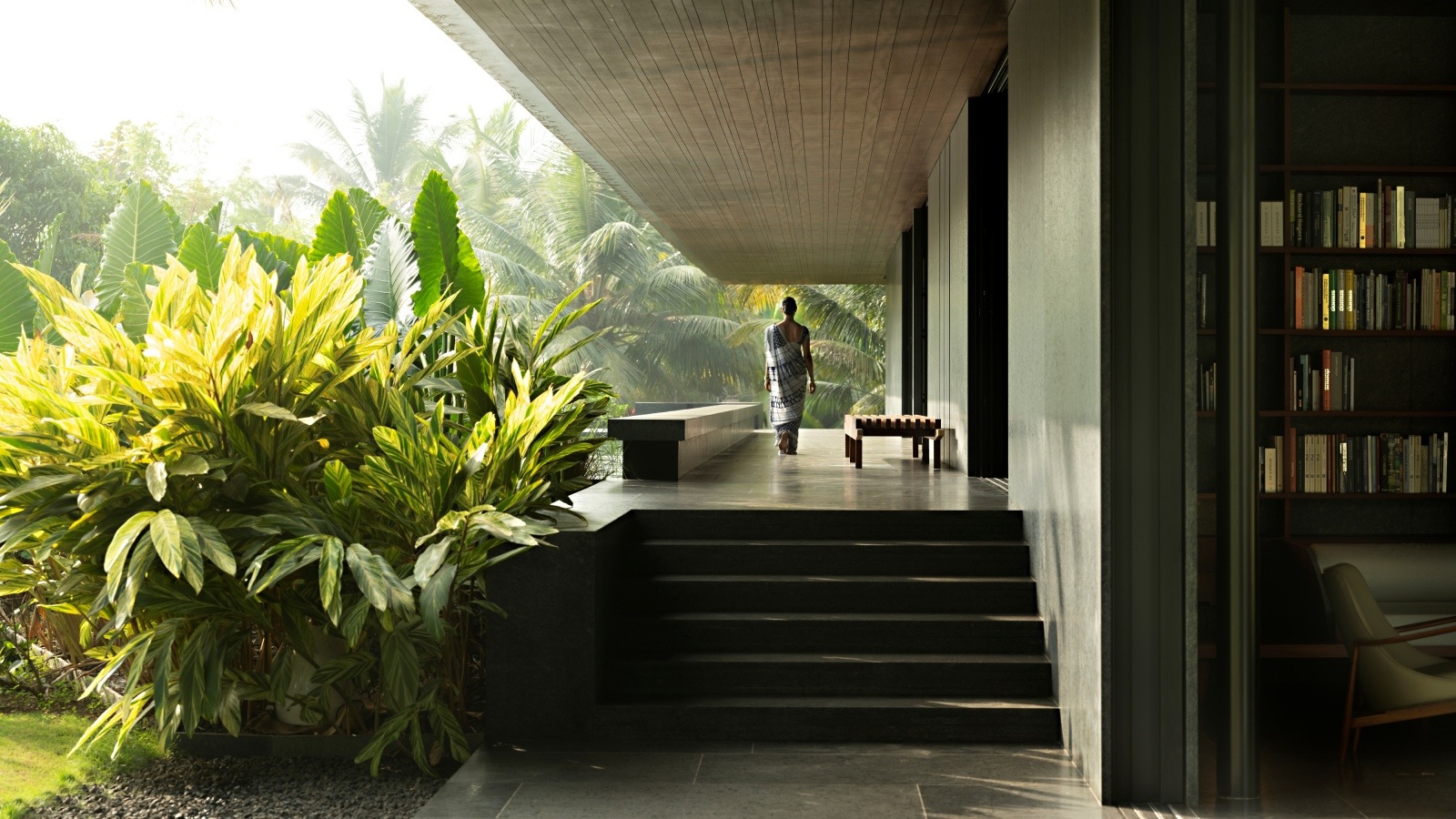
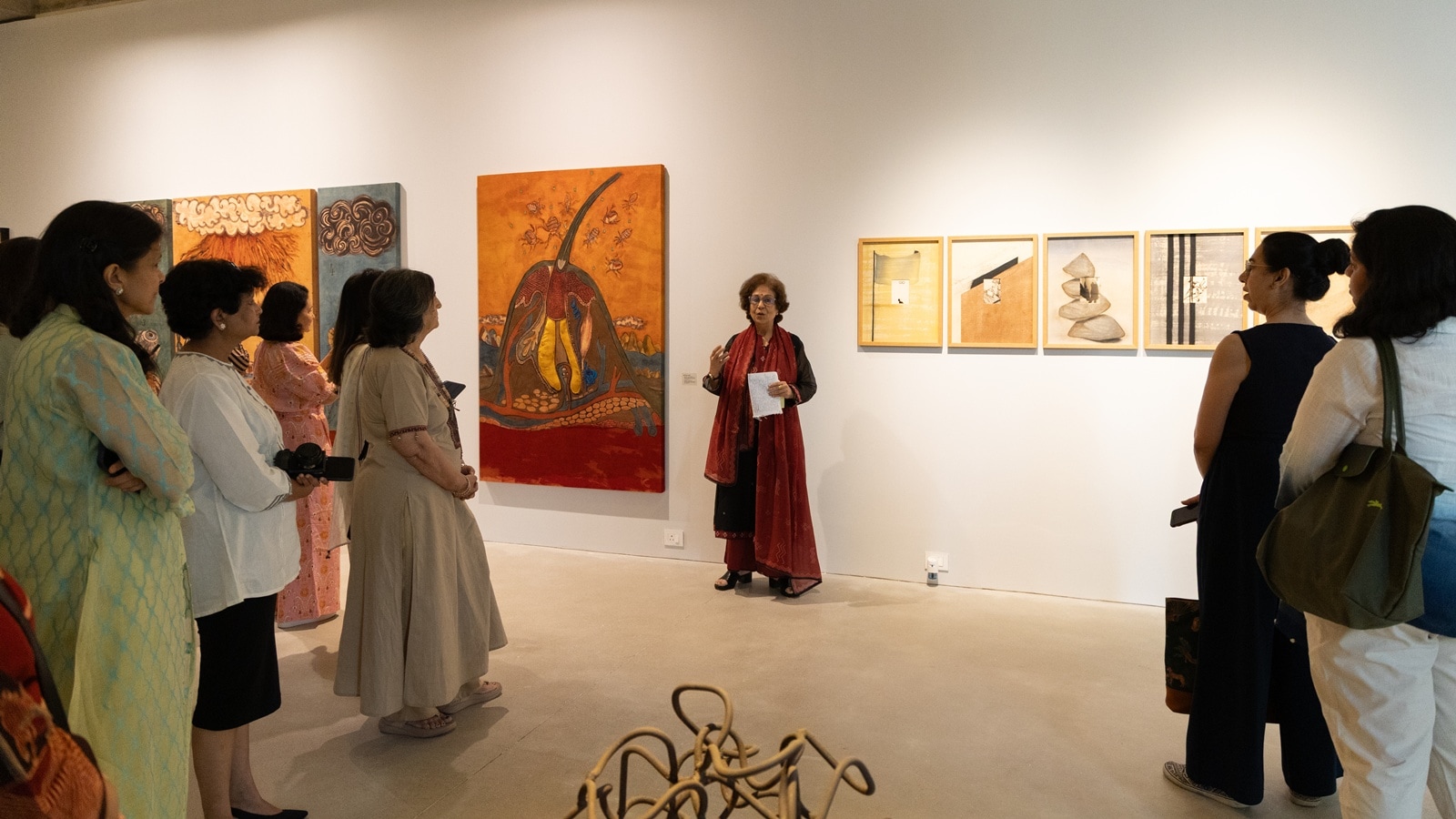
In the leafy and largely residential Safdarjung Enclave neighbourhood, the multistorey Anant Art Gallery stands out as a distinctive arts destination. Operating out of Noida for more than four years — before which it called several other neighbourhoods across the Capital home — it opened this flagship space in the heart of Delhi, designed by Studio Lotus, only earlier this year. With a group exhibition titled ‘Reverie. Pause. ‘Rupture,’ curated by Gayatri Sinha on view recently, the space also hosted a two-day curatorial forum in March, discussing experiences and perspectives of practitioners engaged within the arts. “We wanted an experiential gallery where viewers would be encouraged to discover art and not follow a prescribed path,” says Mamta Singhania, founder-director of Anant Art. She also intends to open a cafeteria and book-reading corner at the gallery. She adds, “Young collectors today don’t just acquire art for investment, they are looking for works that resonate with them and want to spend time understanding and browsing art.”

In a city where the art landscape is constantly shifting, the past few months have seen several new galleries and expansion and relocation of the old, bringing with them a wide spectrum of art and artists, from modern masters to contemporary, established names and emerging voices. “The interest in art and demand for art certainly increased post Covid… There is increased awareness due to initiatives such as the India Art Fair‘s Young Collectors’ Programme. This is also a good time for the contemporary art scene, with people looking beyond modernists,” says Sreejith CN, founder-director of Gallery Dotwalk. With its flagship space at Golf Course Road, Gurugram, operating since 2022, this year, the gallery has also opened in Defence Colony. He adds, “With the area emerging as an art district of sorts, it felt like the ideal neighbourhood. The proximity of galleries, many of which also collaborate on events, makes it especially convenient for viewers.”

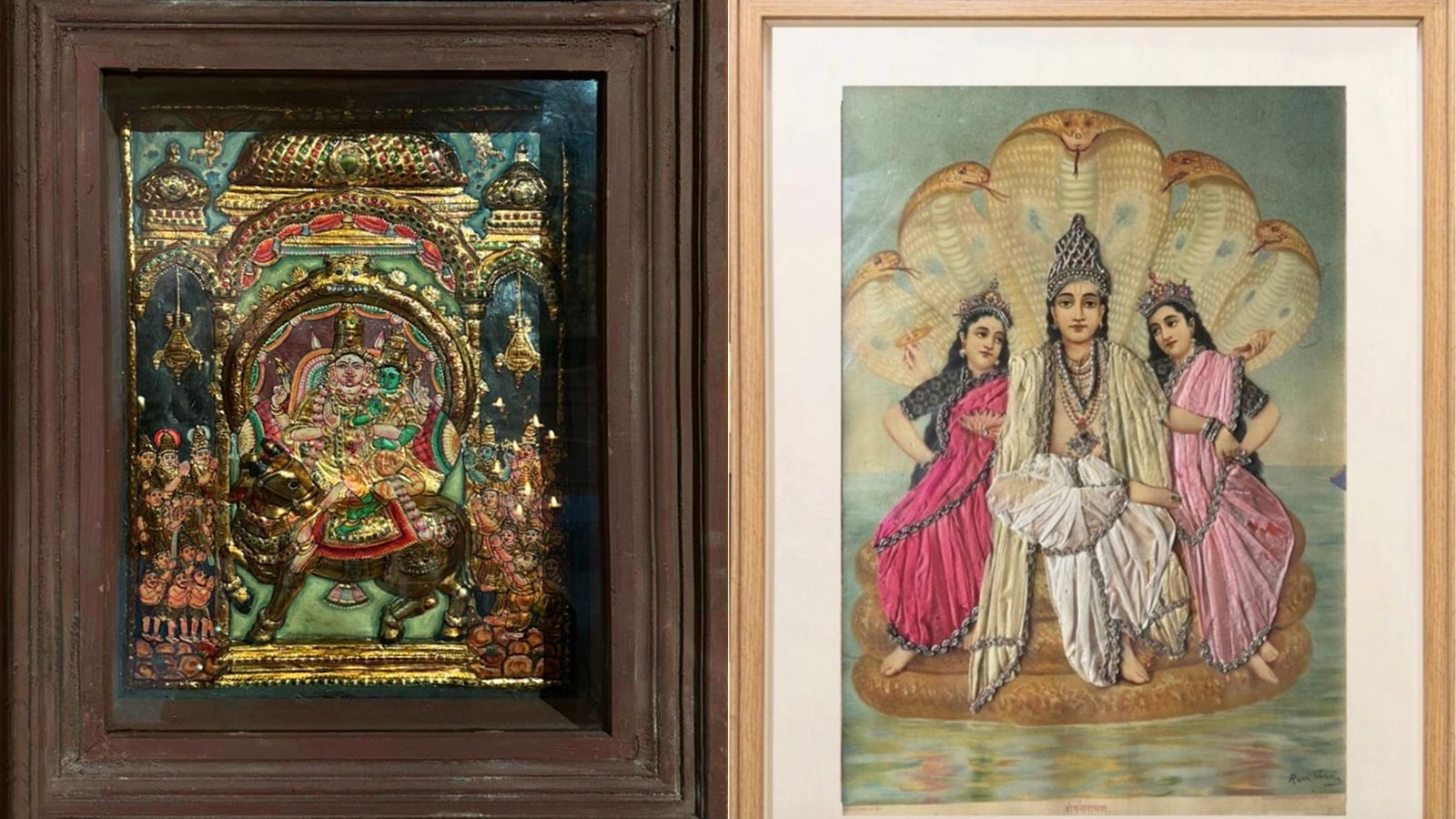
With Indian art achieving new records — including the recent sale of a Raja Ravi Varma work for a staggering Rs 167.25 crore — the galleries are also responding to growing interest in Indian art and the expanding base of collectors, which includes younger audiences keen to not just invest in art but also understand its nuances. If Gallery Espace in New Friends Colony has added another floor to its existing space, Centre for Culture & Art has reopened in Lutyen’s Delhi. At Gallery XXL, which opened in Defence Colony last year, the focus is on contemporary art, and Thapar Gallery has the modernists primarily in the spotlight.

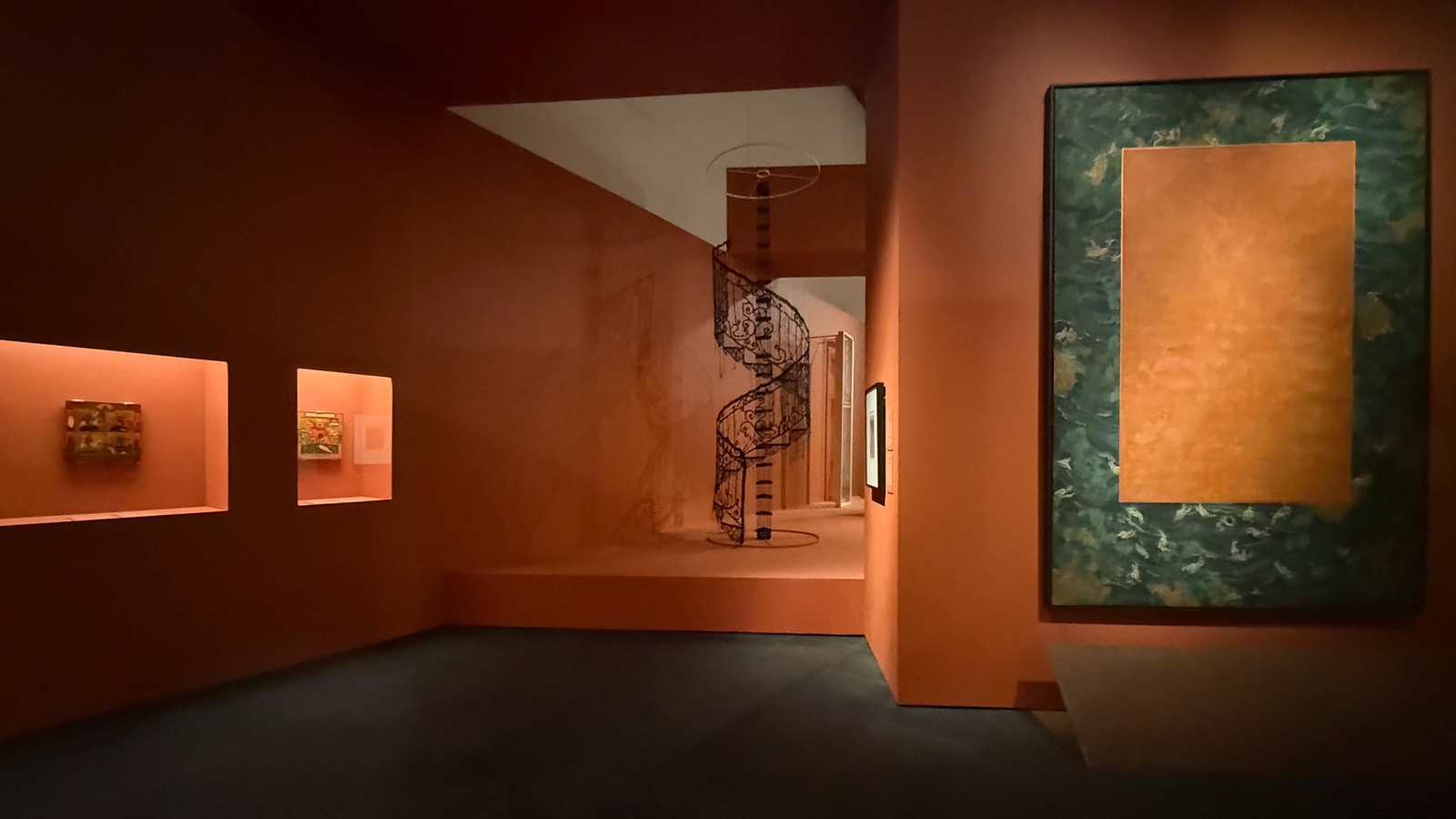
Representing artists from across South Asia, Shrine Empire has moved within Defence colony to a 2,400 sq ft space that offers an immersive experience. Designed by architect Vritima Wadhwa, it includes a reading salon, mezzanine and lounge. “We have consciously created our environment to move away from the conventional white cube model. The aim is to develop programming that is both engaging and experiential, inviting audiences to pause, reflect and interact more deeply with artists and their practices. We want to initiate dialogues, plan more workshops and conversations,” says Shefali Somani, director at Shrine Empire. With a bigger space now, she is planning to showcase more large-format works as well.

Anant Art, meanwhile, is planning an exhibition in July under the Studio Catalyst programme, where younger artists have been mentored by seniors over two years. Singhania states, “The idea is for them to get to reflect on their art practice rather than get consumed by the market forces straightaway.”
Vandana Kalra is an art critic and Deputy Associate Editor with The Indian Express. She has spent more than two decades chronicling arts, culture and everyday life, with modern and contemporary art at the heart of her practice. With a sustained engagement in the arts and a deep understanding of India’s cultural ecosystem, she is regarded as a distinctive and authoritative voice in contemporary art journalism in India. Vandana Kalra's career has unfolded in step with the shifting contours of India’s cultural landscape, from the rise of the Indian art market to the growing prominence of global biennales and fairs. Closely tracking its ebbs and surges, she reports from studios, galleries, museums and exhibition spaces and has covered major Indian and international art fairs, museum exhibitions and biennales, including the Venice Biennale, Kochi-Muziris Biennale, Documenta, Islamic Arts Biennale. She has also been invited to cover landmark moments in modern Indian art, including SH Raza’s exhibition at the Centre Pompidou in Paris and the opening of the MF Husain Museum in Doha, reflecting her long engagement with the legacies of India’s modern masters. Alongside her writing, she applies a keen editorial sensibility, shaping and editing art and cultural coverage into informed, cohesive narratives. Through incisive features, interviews and critical reviews, she brings clarity to complex artistic conversations, foregrounding questions of process, patronage, craft, identity and cultural memory. The Global Art Circuit: She provides extensive coverage of major events like the Kochi-Muziris Biennale, Serendipity Arts Festival, and high-profile international auctions. Artist Spotlights: She writes in-depth features on modern masters (like M.F. Husain) and contemporary performance artists (like Marina Abramović). Art and Labor: A recurring theme in her writing is how art reflects the lives of the marginalized, including migrants, farmers, and labourers. Recent Notable Articles (Late 2025) Her recent portfolio is dominated by the coverage of the 2025 art season in India: 1. Kochi-Muziris Biennale & Serendipity Arts Festival "At Serendipity Arts Festival, a 'Shark Tank' of sorts for art and crafts startups" (Dec 20, 2025): On how a new incubator is helping artisans pitch products to investors. "Artist Birender Yadav's work gives voice to the migrant self" (Dec 17, 2025): A profile of an artist whose decade-long practice focuses on brick kiln workers. "At Kochi-Muziris Biennale, a farmer’s son from Patiala uses his art to draw attention to Delhi’s polluted air" (Dec 16, 2025). "Kochi Biennale showstopper Marina Abramović, a pioneer in performance art" (Dec 7, 2025): An interview with the world-renowned artist on the power of reinvention. 2. M.F. Husain & Modernism "Inside the new MF Husain Museum in Qatar" (Nov 29, 2025): A three-part series on the opening of Lawh Wa Qalam in Doha, exploring how a 2008 sketch became the architectural core of the museum. "Doha opens Lawh Wa Qalam: Celebrating the modernist's global legacy" (Nov 29, 2025). 3. Art Market & Records "Frida Kahlo sets record for the most expensive work by a female artist" (Nov 21, 2025): On Kahlo's canvas The Dream (The Bed) selling for $54.7 million. "All you need to know about Klimt’s canvas that is now the most expensive modern artwork" (Nov 19, 2025). "What’s special about a $12.1 million gold toilet?" (Nov 19, 2025): A quirky look at a flushable 18-karat gold artwork. 4. Art Education & History "Art as play: How process-driven activities are changing the way children learn art in India" (Nov 23, 2025). "A glimpse of Goa's layered history at Serendipity Arts Festival" (Dec 9, 2025): Exploring historical landmarks as venues for contemporary art. Signature Beats Vandana is known for her investigative approach to the art economy, having recently written about "Who funds the Kochi-Muziris Biennale?" (Dec 11, 2025), detailing the role of "Platinum Benefactors." She also explores the spiritual and geometric aspects of art, as seen in her retrospective on artist Akkitham Narayanan and the history of the Cholamandal Artists' Village (Nov 22, 2025). ... Read More


In the leafy and largely residential Safdarjung Enclave neighbourhood, the multistorey Anant Art Gallery stands out as a distinctive arts destination. Operating out of Noida for more than four years — before which it called several other neighbourhoods across the Capital home — it opened this flagship space in the heart of Delhi, designed by Studio Lotus, only earlier this year. With a group exhibition titled ‘Reverie. Pause. ‘Rupture,’ curated by Gayatri Sinha on view recently, the space also hosted a two-day curatorial forum in March, discussing experiences and perspectives of practitioners engaged within the arts. “We wanted an experiential gallery where viewers would be encouraged to discover art and not follow a prescribed path,” says Mamta Singhania, founder-director of Anant Art. She also intends to open a cafeteria and book-reading corner at the gallery. She adds, “Young collectors today don’t just acquire art for investment, they are looking for works that resonate with them and want to spend time understanding and browsing art.”

In a city where the art landscape is constantly shifting, the past few months have seen several new galleries and expansion and relocation of the old, bringing with them a wide spectrum of art and artists, from modern masters to contemporary, established names and emerging voices. “The interest in art and demand for art certainly increased post Covid… There is increased awareness due to initiatives such as the India Art Fair‘s Young Collectors’ Programme. This is also a good time for the contemporary art scene, with people looking beyond modernists,” says Sreejith CN, founder-director of Gallery Dotwalk. With its flagship space at Golf Course Road, Gurugram, operating since 2022, this year, the gallery has also opened in Defence Colony. He adds, “With the area emerging as an art district of sorts, it felt like the ideal neighbourhood. The proximity of galleries, many of which also collaborate on events, makes it especially convenient for viewers.”

With Indian art achieving new records — including the recent sale of a Raja Ravi Varma work for a staggering Rs 167.25 crore — the galleries are also responding to growing interest in Indian art and the expanding base of collectors, which includes younger audiences keen to not just invest in art but also understand its nuances. If Gallery Espace in New Friends Colony has added another floor to its existing space, Centre for Culture & Art has reopened in Lutyen’s Delhi. At Gallery XXL, which opened in Defence Colony last year, the focus is on contemporary art, and Thapar Gallery has the modernists primarily in the spotlight.

Representing artists from across South Asia, Shrine Empire has moved within Defence colony to a 2,400 sq ft space that offers an immersive experience. Designed by architect Vritima Wadhwa, it includes a reading salon, mezzanine and lounge. “We have consciously created our environment to move away from the conventional white cube model. The aim is to develop programming that is both engaging and experiential, inviting audiences to pause, reflect and interact more deeply with artists and their practices. We want to initiate dialogues, plan more workshops and conversations,” says Shefali Somani, director at Shrine Empire. With a bigger space now, she is planning to showcase more large-format works as well.

Anant Art, meanwhile, is planning an exhibition in July under the Studio Catalyst programme, where younger artists have been mentored by seniors over two years. Singhania states, “The idea is for them to get to reflect on their art practice rather than get consumed by the market forces straightaway.”

Related Articles