

Celebrating Marcel Duchamp: the artist who turned a urinal into an artwork
A retrospective at MoMA in New York brings together over 300 works of Duchamp
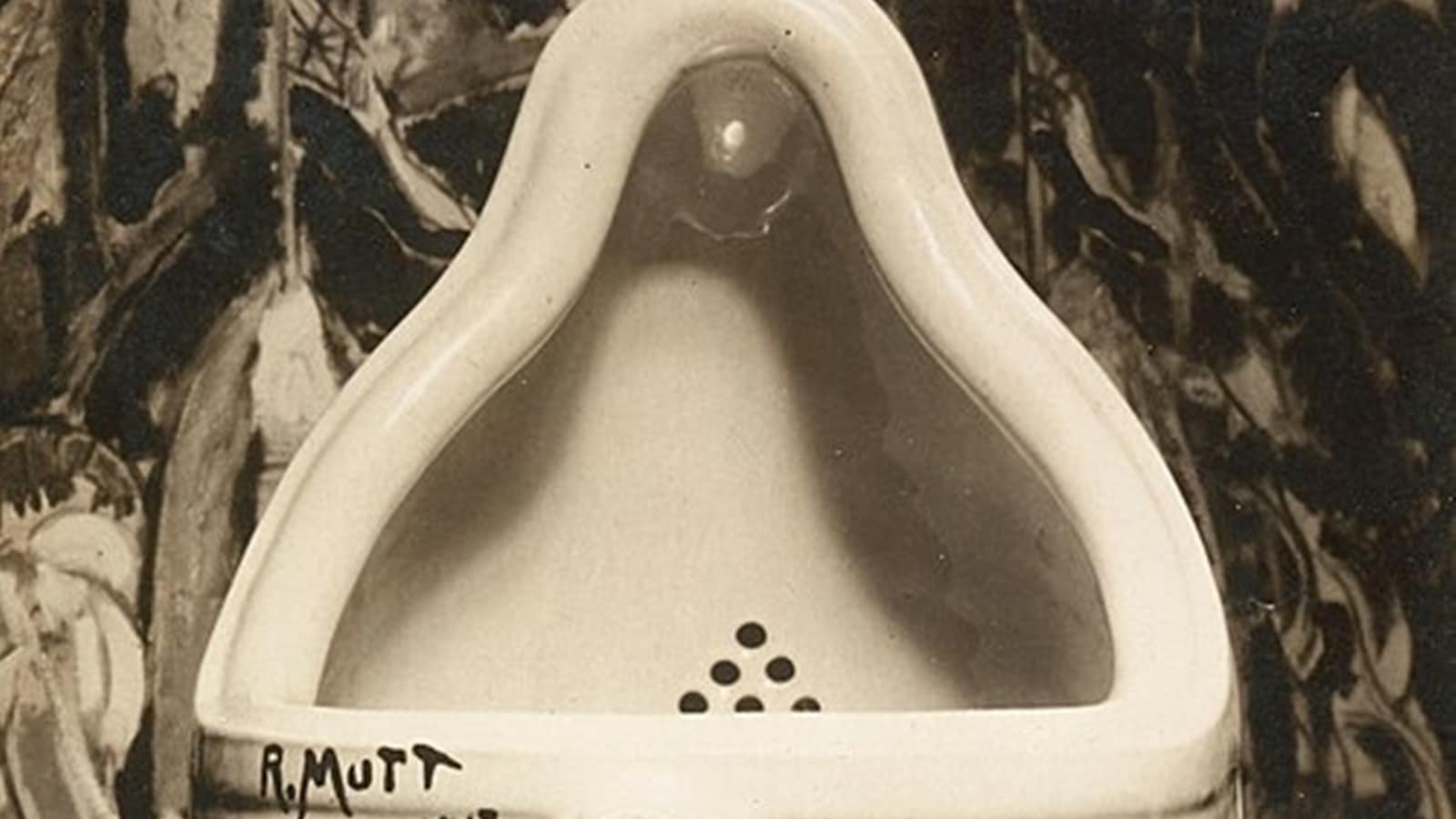
It was more than 100 years ago that by turning a urinal upside down, artist Marcel Duchamp did the same to the art world — quite literally. In April 1917, the French-American artist famously submitted an inverted urinal brought from a store, signed and dated “R. Mutt, 1917,” to the Society of Independent Artists’ salon in New York, which claimed to be “unjuried”. Associated with the Dada movement (that questioned traditionlal values in art in post World War 1 Europe), Duchamp reportedly wanted to test that claim. Consequently, the artwork titled Fountain might have failed to find a place in their exhibition, but it did manage to cause a stir.
What followed was a decades-long debate on the meaning and boundaries of what constitutes art and what can be claimed by an artist as their own work. While that discussion continues to evolve till date, and Fountain is often cited as a cornerstone of conceptual art in some ways, a new exhibition at the Museum of Modern Art (MoMA) in New York is now celebrating the artist and his work. Marking the first retrospective of Duchamp in the US since 1973, the showcase presents glimpses into his career through over 300 works in varied mediums, spanning 1900 to 1968.
A note on the exhibition on MoMA’s website reads: “Over a six-decade career, Duchamp challenged the very definition of the artwork, ushering in a new era of creative license — the reverberations of which are still felt today. While resistant to ‘-isms,’ Duchamp had a hand in modern art movements ranging from Cubism to Surrealism to pop. His pursuits were marked by continuous reinvention and deliberate inconsistency: ‘I have forced myself to contradict myself in order to avoid conforming to my own taste.’”
With this as its starting point, the exhibition explores Duchamp’s radical rethinking of art and authorship and his influential career. The works on display range from his early watercolours to his groundbreaking “readymades,” including a version of Bicycle Wheel that was first made in 1913 and a replica of In Advance of the Broken Arm, which features a snow shovel. Among the highlights is also Nude Descending a Staircase, No. 2 (1912) — depicting a nude figure in movement — that is now one of his most recognised works, though it was once arguably rejected by the cubists for being too “futurist.”
Also featured is Fountain — voted in 2004 in a survey of 500 British art world professionals as the most influential artwork of the 20th century.
It was more than 100 years ago that by turning a urinal upside down, artist Marcel Duchamp did the same to the art world — quite literally. In April 1917, the French-American artist famously submitted an inverted urinal brought from a store, signed and dated “R. Mutt, 1917,” to the Society of Independent Artists’ salon in New York, which claimed to be “unjuried”. Associated with the Dada movement (that questioned traditionlal values in art in post World War 1 Europe), Duchamp reportedly wanted to test that claim. Consequently, the artwork titled Fountain might have failed to find a place in their exhibition, but it did manage to cause a stir.
What followed was a decades-long debate on the meaning and boundaries of what constitutes art and what can be claimed by an artist as their own work. While that discussion continues to evolve till date, and Fountain is often cited as a cornerstone of conceptual art in some ways, a new exhibition at the Museum of Modern Art (MoMA) in New York is now celebrating the artist and his work. Marking the first retrospective of Duchamp in the US since 1973, the showcase presents glimpses into his career through over 300 works in varied mediums, spanning 1900 to 1968.
A note on the exhibition on MoMA’s website reads: “Over a six-decade career, Duchamp challenged the very definition of the artwork, ushering in a new era of creative license — the reverberations of which are still felt today. While resistant to ‘-isms,’ Duchamp had a hand in modern art movements ranging from Cubism to Surrealism to pop. His pursuits were marked by continuous reinvention and deliberate inconsistency: ‘I have forced myself to contradict myself in order to avoid conforming to my own taste.’”
With this as its starting point, the exhibition explores Duchamp’s radical rethinking of art and authorship and his influential career. The works on display range from his early watercolours to his groundbreaking “readymades,” including a version of Bicycle Wheel that was first made in 1913 and a replica of In Advance of the Broken Arm, which features a snow shovel. Among the highlights is also Nude Descending a Staircase, No. 2 (1912) — depicting a nude figure in movement — that is now one of his most recognised works, though it was once arguably rejected by the cubists for being too “futurist.”
Also featured is Fountain — voted in 2004 in a survey of 500 British art world professionals as the most influential artwork of the 20th century.