



Celebrating episodes from Krishna’s life
Kaveri Abrol’s Bharatanatyam solo recital reworks the traditional margam to trace different relationships with the divine
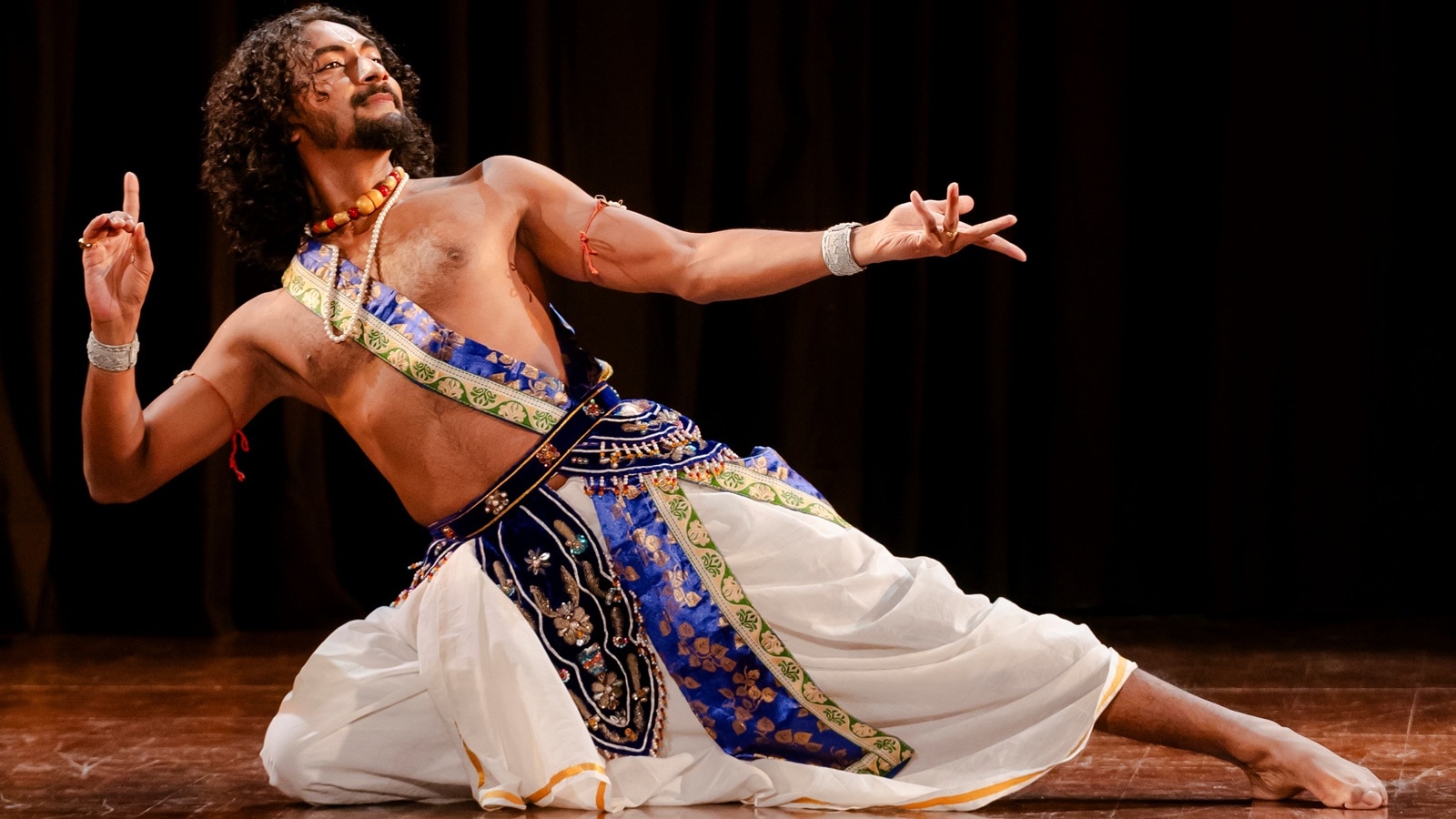
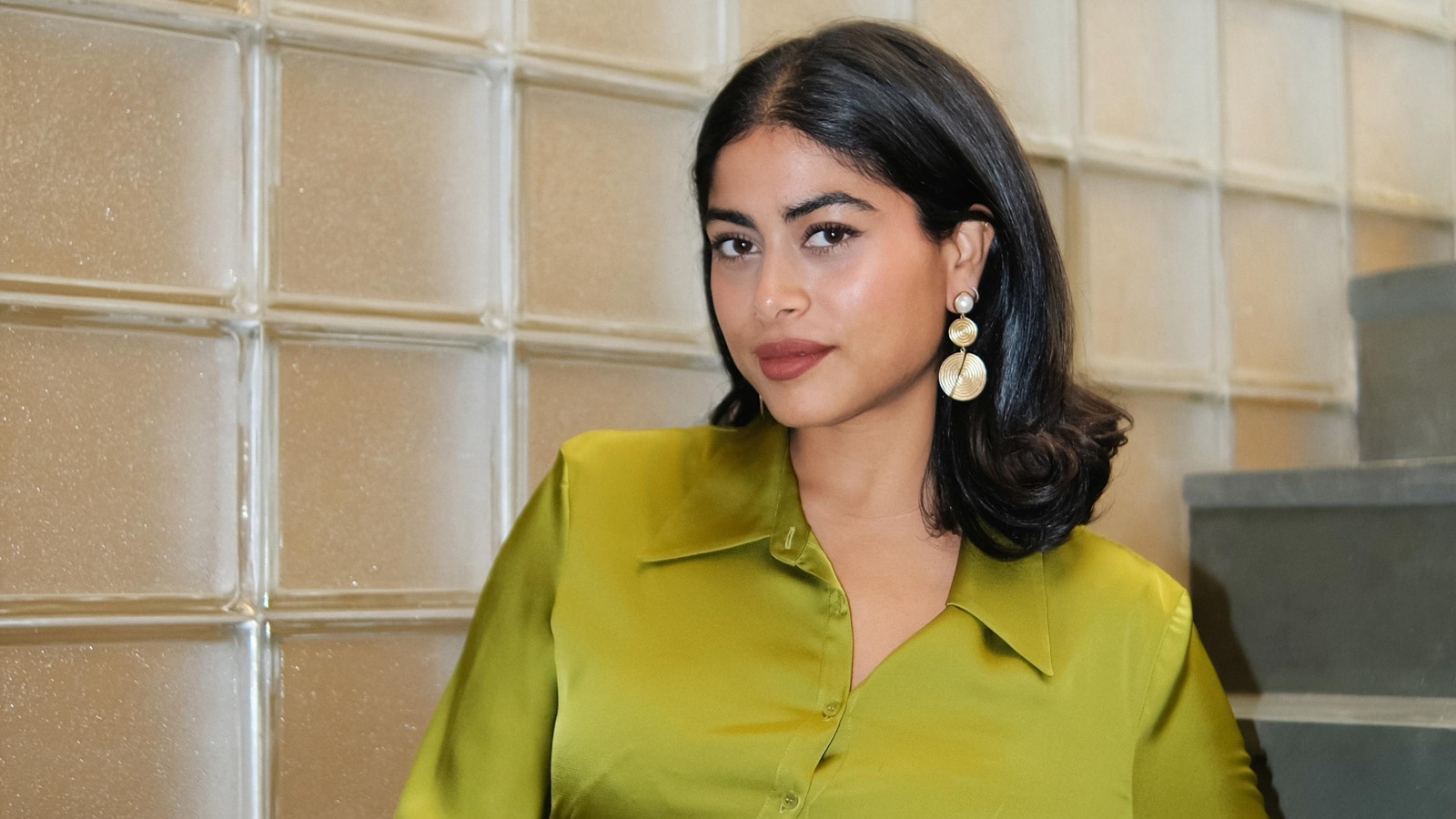
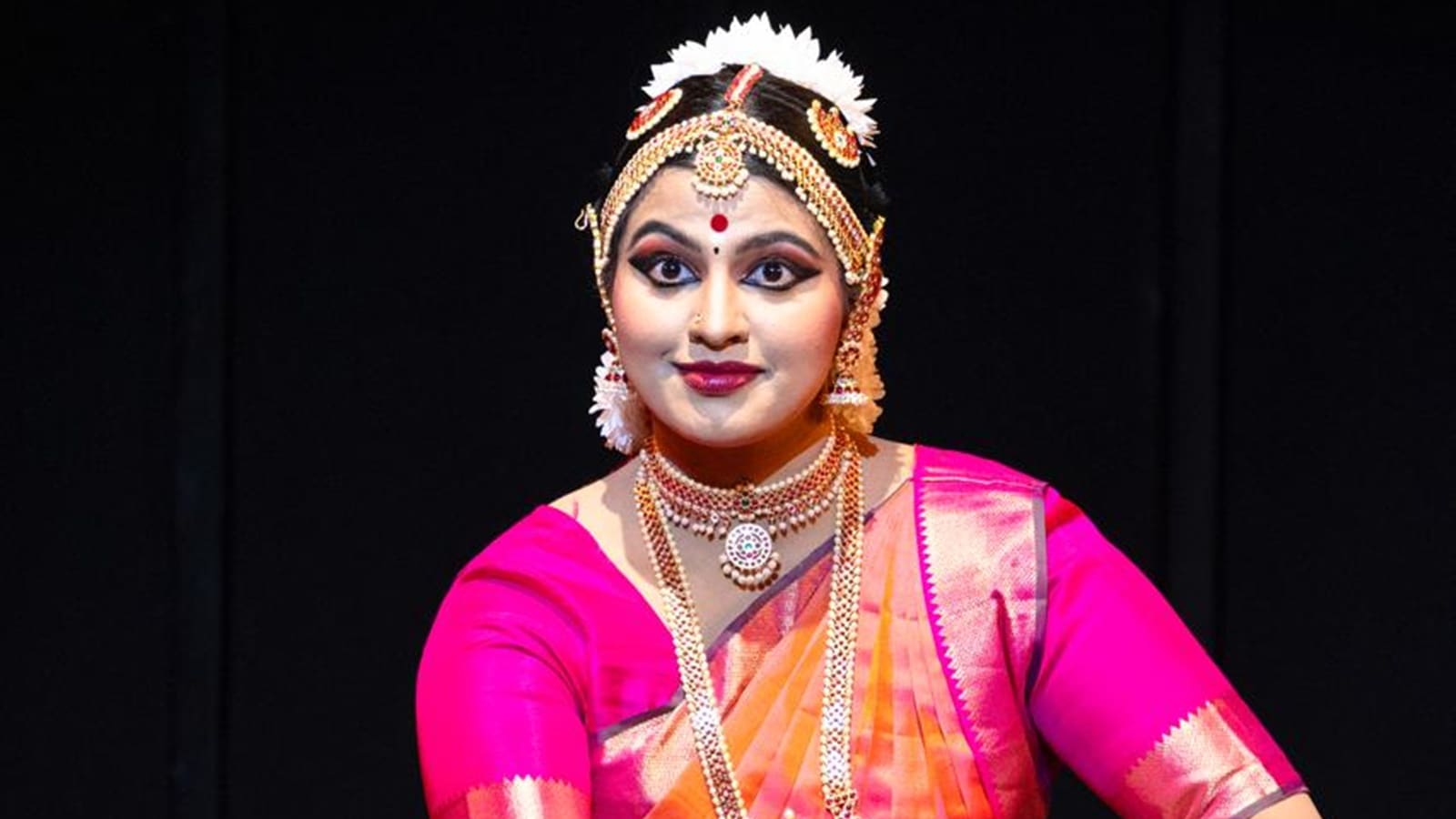
Last week, 19-year-old Kaveri Abrol presented a Bharatanatyam solo recital at the Stein Auditorium, India Habitat Centre in Delhi. Having begun formal training at eight under SNA awardee Acharya Jayalakshmi Ishwar, she described the performance — structured around the idea of dvitva (divine duality) — not as a disruption of the traditional margam but as a thematic curation within its bounds. Speaking about her initiation into dance, she said, “Ever since my earliest memories, I have been drawn to movement. My parents tell me that whenever music was played, I would instinctively respond to it. Dance felt natural long before I understood it.”
The recital retained the structural components of the margam, invocatory, narrative and pure dance segments, while aligning them with the theme of duality. The piece was choreographed by her guru.
The opening Ganapati Taalam was performed as an invocation, followed by the centre piece Vanajaksha Varnam, which explored multiple episodes from Krishna’s life. These included Rukmini’s plea, Draupadi’s appeal for protection, the lifting of Govardhan, and the dynamic between Krishna and Satyabhama. Rather than treating them as isolated mythological narratives, the recital put them together as different manifestations of devotion — romantic, confrontational and playful.
For Abrol, the challenge was not in technique and more in how emotions are expressed. “Each relationship with the divine is distinct. The devotion of a friend differs from that of a devotee in a temple, though both arise from bhakti. Through abhinaya, I had to ensure these emotional textures remained clear, while still culminating in surrender,” she explained.
The padam Varatam Swami, set in Raga Saveri, examined the voice of a Khandita nayika addressing Murugan. In contrast, Pasa Khelat, based on a Bhakti poem attributed to Parmanand Swamy and set in Ragamalika, depicted Radha and Krishna in a game of chausar. The recital concluded with a Tillana, returning the focus to nritta and rhythmic precision.
Abrol rejects the notion that creativity requires departure from tradition. “The classical form is the foundation, and creativity grows from within it. Innovation is not a departure from tradition but deeper engagement with it,” she said.
Balancing college with daily riyaaz, she focuses on the fundamentals — adavus, stamina and refining corrections. “Progress, for me, comes from consistency rather than intensity,” she said, adding, “I remain a student of the form, rooted in tradition, guided by humility,” she reflected.
Last week, 19-year-old Kaveri Abrol presented a Bharatanatyam solo recital at the Stein Auditorium, India Habitat Centre in Delhi. Having begun formal training at eight under SNA awardee Acharya Jayalakshmi Ishwar, she described the performance — structured around the idea of dvitva (divine duality) — not as a disruption of the traditional margam but as a thematic curation within its bounds. Speaking about her initiation into dance, she said, “Ever since my earliest memories, I have been drawn to movement. My parents tell me that whenever music was played, I would instinctively respond to it. Dance felt natural long before I understood it.”
The recital retained the structural components of the margam, invocatory, narrative and pure dance segments, while aligning them with the theme of duality. The piece was choreographed by her guru.
The opening Ganapati Taalam was performed as an invocation, followed by the centre piece Vanajaksha Varnam, which explored multiple episodes from Krishna’s life. These included Rukmini’s plea, Draupadi’s appeal for protection, the lifting of Govardhan, and the dynamic between Krishna and Satyabhama. Rather than treating them as isolated mythological narratives, the recital put them together as different manifestations of devotion — romantic, confrontational and playful.
For Abrol, the challenge was not in technique and more in how emotions are expressed. “Each relationship with the divine is distinct. The devotion of a friend differs from that of a devotee in a temple, though both arise from bhakti. Through abhinaya, I had to ensure these emotional textures remained clear, while still culminating in surrender,” she explained.
The padam Varatam Swami, set in Raga Saveri, examined the voice of a Khandita nayika addressing Murugan. In contrast, Pasa Khelat, based on a Bhakti poem attributed to Parmanand Swamy and set in Ragamalika, depicted Radha and Krishna in a game of chausar. The recital concluded with a Tillana, returning the focus to nritta and rhythmic precision.
Abrol rejects the notion that creativity requires departure from tradition. “The classical form is the foundation, and creativity grows from within it. Innovation is not a departure from tradition but deeper engagement with it,” she said.
Balancing college with daily riyaaz, she focuses on the fundamentals — adavus, stamina and refining corrections. “Progress, for me, comes from consistency rather than intensity,” she said, adding, “I remain a student of the form, rooted in tradition, guided by humility,” she reflected.