

Women’s quota pretext to push through delimitation that could disproportionately favour certain states: Rajya Sabha MP
Such an approach would unfairly penalise states that successfully implemented population control policies over the past five decades, said Kerala Congress (M) Chairman Jose K Mani
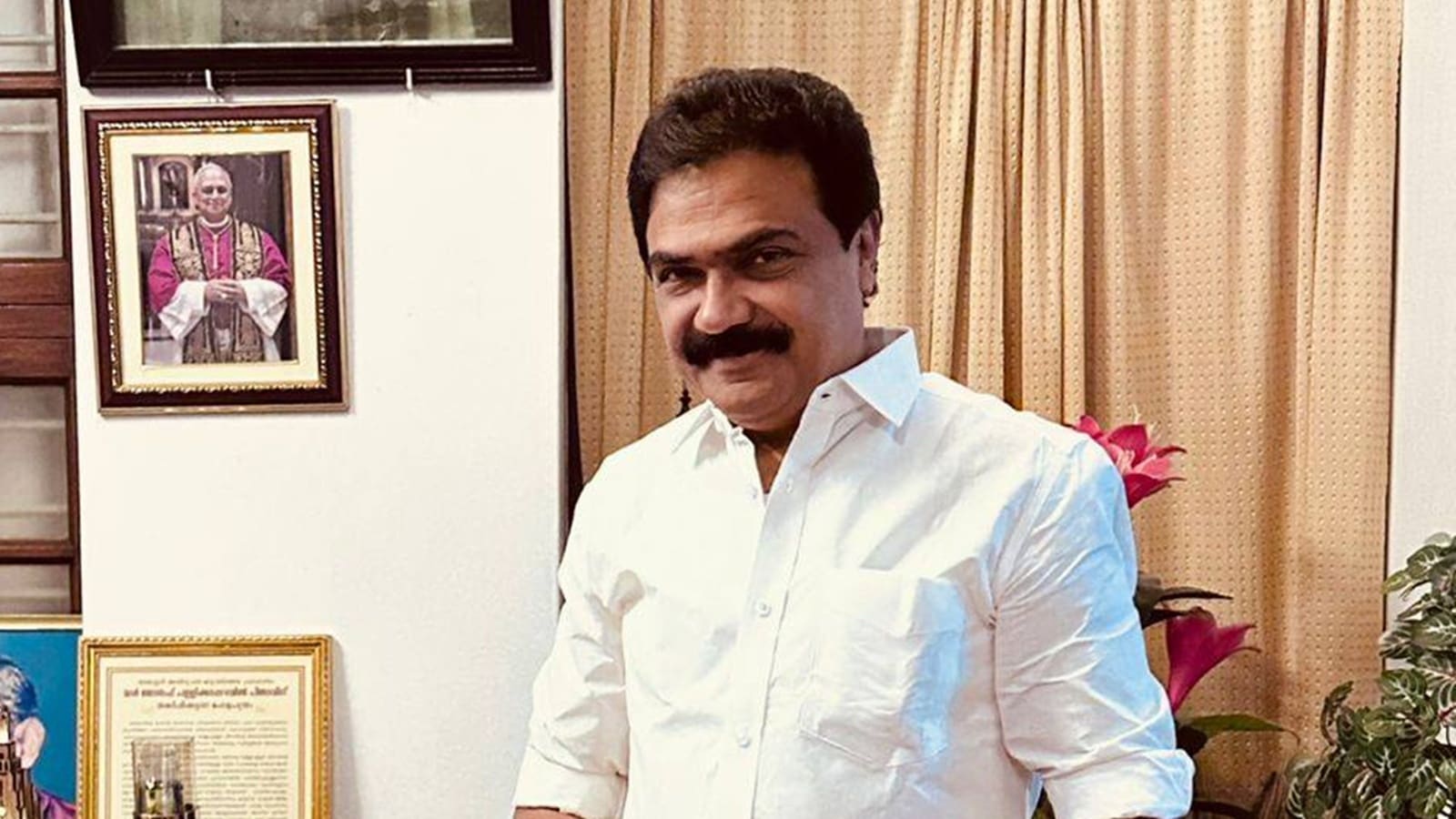
The Centre appears to be invoking women’s reservation as a convenient pretext to push through a delimitation exercise that could disproportionately favour certain states while unsettling the carefully maintained balance of parliamentary representation, Jose K Mani, the Chairman of Kerala Congress (M) party, said on Wednesday.
The Rajya Sabha member said that the commitment to reserve one-third of seats for women has already been finalised with the constitutional amendment.
“The same can be implemented within the existing strength of 543 seats, without any need for delimitation. The present efforts are intended to politically manipulate and influence electoral outcomes in states such as Tamil Nadu and West Bengal,” said Mani.
He said that the real objective seems to “lie in restructuring parliamentary representation among states — an approach that would seriously undermine the federal structure of the Union”.
He said that the current proposal, largely driven by population alone, could fundamentally alter the political balance among states.
“Such an approach would unfairly penalise states that successfully implemented population control policies through sustained investments in family planning, education, and healthcare over the past five decades,” said the MP.
Mani urged the Union government to adopt a multi-factor matrix to guide delimitation. “Under this framework, 40% weight would be assigned to the current population of states, ensuring that representation broadly reflects demographic realities. A further 30% weight would be linked to population growth indicators such as the Total Fertility Rate (TFR), thereby recognising and compensating states that have successfully implemented population control policies. The remaining 30% weight would consider the existing share of parliamentary seats, acting as a stabilising factor to prevent abrupt disruptions in representational balance,” he said.
Stay updated with the latest - Click here to follow us on Instagram
The Centre appears to be invoking women’s reservation as a convenient pretext to push through a delimitation exercise that could disproportionately favour certain states while unsettling the carefully maintained balance of parliamentary representation, Jose K Mani, the Chairman of Kerala Congress (M) party, said on Wednesday.
The Rajya Sabha member said that the commitment to reserve one-third of seats for women has already been finalised with the constitutional amendment.
“The same can be implemented within the existing strength of 543 seats, without any need for delimitation. The present efforts are intended to politically manipulate and influence electoral outcomes in states such as Tamil Nadu and West Bengal,” said Mani.
He said that the real objective seems to “lie in restructuring parliamentary representation among states — an approach that would seriously undermine the federal structure of the Union”.
He said that the current proposal, largely driven by population alone, could fundamentally alter the political balance among states.
“Such an approach would unfairly penalise states that successfully implemented population control policies through sustained investments in family planning, education, and healthcare over the past five decades,” said the MP.
Mani urged the Union government to adopt a multi-factor matrix to guide delimitation. “Under this framework, 40% weight would be assigned to the current population of states, ensuring that representation broadly reflects demographic realities. A further 30% weight would be linked to population growth indicators such as the Total Fertility Rate (TFR), thereby recognising and compensating states that have successfully implemented population control policies. The remaining 30% weight would consider the existing share of parliamentary seats, acting as a stabilising factor to prevent abrupt disruptions in representational balance,” he said.