

Two warnings, zero action: Why Wayanad tunnel tragedy is a ‘man-made disaster’
Between June 20 and 25, Kerala government administration issued two warnings to contractor, records show.
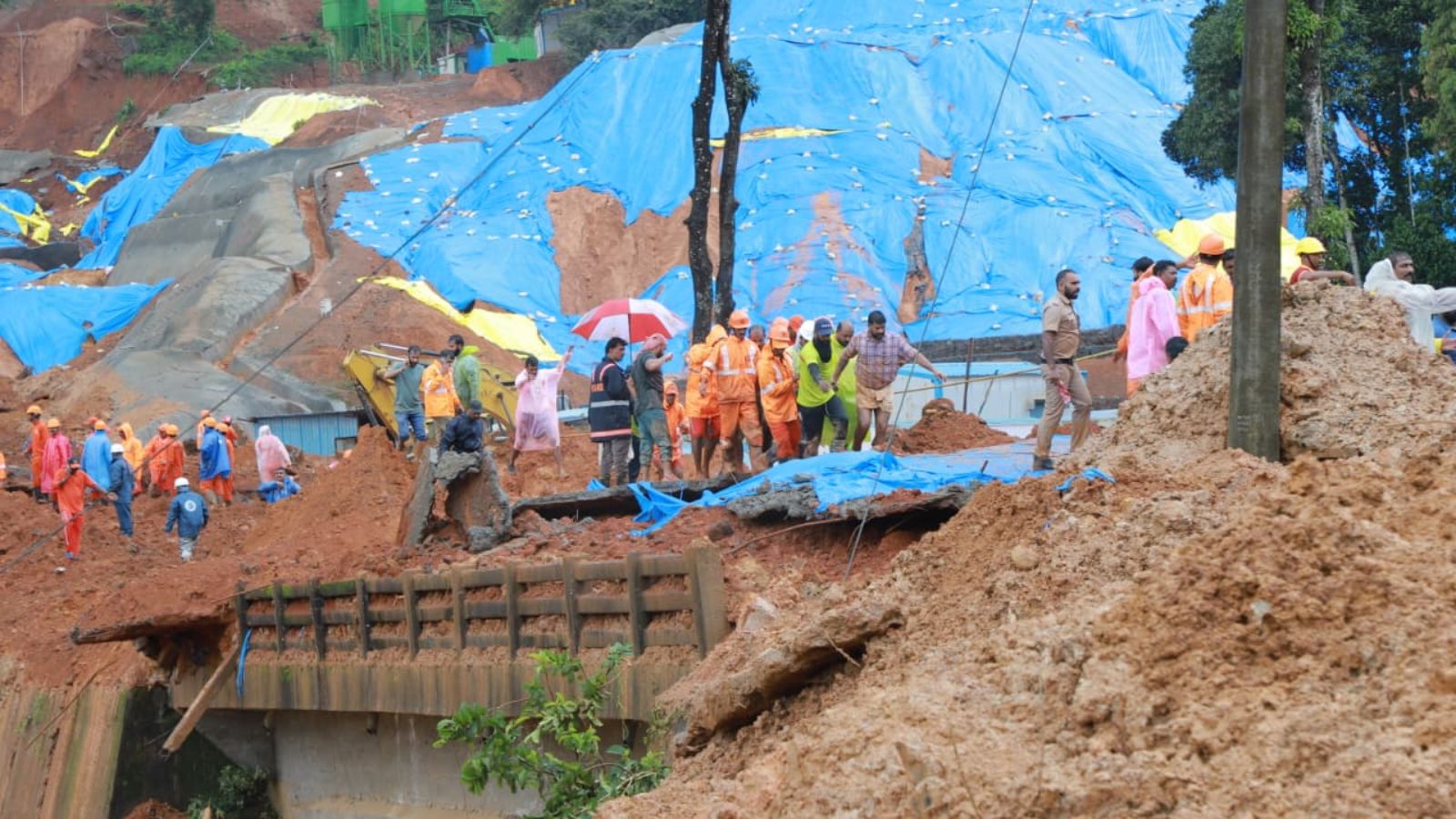
Between June 20 and 25, the Kerala government administration issued two warnings to the contractor of the Anakkampoyil-Kalladi-Meppadi tunnel project, Bhopal-based Dilip Buildcon, stating that soil piled up from tunnelling should be removed from the site.
First, the district collector of Wayanad Meghashree D R, on June 20, wrote a letter stating that work at the twin tunnel project near Meenakshi area of Kerala’s Wayanad district should stop temporarily, until the soil is removed.
“The order was not considered, and the construction company went ahead with the tunnelling work,” Kerala’s environment minister Sunny Joseph had told The Indian Express hours after the tragedy, which killed three and left several others injured. Five people are missing. “This is a man-made disaster because the warning was ignored. We are seriously looking into the lapses that put lives in danger.”
On June 25, a high-level delegation led by the Public Works Department inspected the tunnel project site along with officials of the District Disaster Management Authority, the State Environment Impact Assessment Authority, and the Konkan Railway Corporation, which is the executing agency for the tunnel project. PWD told Konkan Railway Corporation (KRCL) to reduce the height of the pile on the same day, the minutes of the meeting released by the PWD after the disaster show.
The pile posed a risk of soil piping and slope instability, according to minutes of the meeting released by the PWD. The retaining wall and tarpaulin covering built by the contractor were not considered adequate protection against water seepage, the minutes reveal. Dilip Buildcon was asked to stop work at the site on June 27.
A PWD official told the Indian Express, “The district administration had identified land near the construction site for the soil to be moved there. There were two standing instructions in this regard.” The project had generated one lakh cubic meters of soil, the PWD had found. The soil was not removed because the corporation had not found “suitable land to keep it”, sources close to KRCL claimed. The KRCL did not respond to requests from The Indian Express seeking a response.
Meanwhile, the contractor of the project, Dilip Buildcon, said what happened in Wayanad was a “natural calamity”. “The incident occurred during an active monsoon spell, amid exceptionally heavy rainfall in Wayanad. The India Meteorological Department had issued warnings for heavy to very heavy rainfall across parts of Kerala, while preliminary data from the Kerala State Disaster Management Authority indicates that Wayanad received approximately 265 mm of rainfall in the preceding 24 hours – among the highest recorded in the district this monsoon season. This is 9-10 times the rainfall of an average July rainy day, and also well over one-third of Kerala’s average July rainfall occurring within just 24 hours. Wayanad, along with other hill districts of Kerala, has historically remained vulnerable to monsoon-induced landslides,” it said.
“Having said that, the project is being executed in strict compliance with all applicable engineering, safety and environmental approvals and protocols. Given its location in an ecologically sensitive region, the project is subject to multiple regulatory oversight and monitoring mechanisms, including supervision by the Supreme Court-appointed Central Empowered Committee, and all excavated material is handled in accordance with the approved methodology. With such additional and strict compliance procedures, the room for technical error remains very limited,” it said.
Between June 20 and 25, the Kerala government administration issued two warnings to the contractor of the Anakkampoyil-Kalladi-Meppadi tunnel project, Bhopal-based Dilip Buildcon, stating that soil piled up from tunnelling should be removed from the site.
First, the district collector of Wayanad Meghashree D R, on June 20, wrote a letter stating that work at the twin tunnel project near Meenakshi area of Kerala’s Wayanad district should stop temporarily, until the soil is removed.
“The order was not considered, and the construction company went ahead with the tunnelling work,” Kerala’s environment minister Sunny Joseph had told The Indian Express hours after the tragedy, which killed three and left several others injured. Five people are missing. “This is a man-made disaster because the warning was ignored. We are seriously looking into the lapses that put lives in danger.”
On June 25, a high-level delegation led by the Public Works Department inspected the tunnel project site along with officials of the District Disaster Management Authority, the State Environment Impact Assessment Authority, and the Konkan Railway Corporation, which is the executing agency for the tunnel project. PWD told Konkan Railway Corporation (KRCL) to reduce the height of the pile on the same day, the minutes of the meeting released by the PWD after the disaster show.
The pile posed a risk of soil piping and slope instability, according to minutes of the meeting released by the PWD. The retaining wall and tarpaulin covering built by the contractor were not considered adequate protection against water seepage, the minutes reveal. Dilip Buildcon was asked to stop work at the site on June 27.
A PWD official told the Indian Express, “The district administration had identified land near the construction site for the soil to be moved there. There were two standing instructions in this regard.” The project had generated one lakh cubic meters of soil, the PWD had found. The soil was not removed because the corporation had not found “suitable land to keep it”, sources close to KRCL claimed. The KRCL did not respond to requests from The Indian Express seeking a response.
Meanwhile, the contractor of the project, Dilip Buildcon, said what happened in Wayanad was a “natural calamity”. “The incident occurred during an active monsoon spell, amid exceptionally heavy rainfall in Wayanad. The India Meteorological Department had issued warnings for heavy to very heavy rainfall across parts of Kerala, while preliminary data from the Kerala State Disaster Management Authority indicates that Wayanad received approximately 265 mm of rainfall in the preceding 24 hours – among the highest recorded in the district this monsoon season. This is 9-10 times the rainfall of an average July rainy day, and also well over one-third of Kerala’s average July rainfall occurring within just 24 hours. Wayanad, along with other hill districts of Kerala, has historically remained vulnerable to monsoon-induced landslides,” it said.
“Having said that, the project is being executed in strict compliance with all applicable engineering, safety and environmental approvals and protocols. Given its location in an ecologically sensitive region, the project is subject to multiple regulatory oversight and monitoring mechanisms, including supervision by the Supreme Court-appointed Central Empowered Committee, and all excavated material is handled in accordance with the approved methodology. With such additional and strict compliance procedures, the room for technical error remains very limited,” it said.