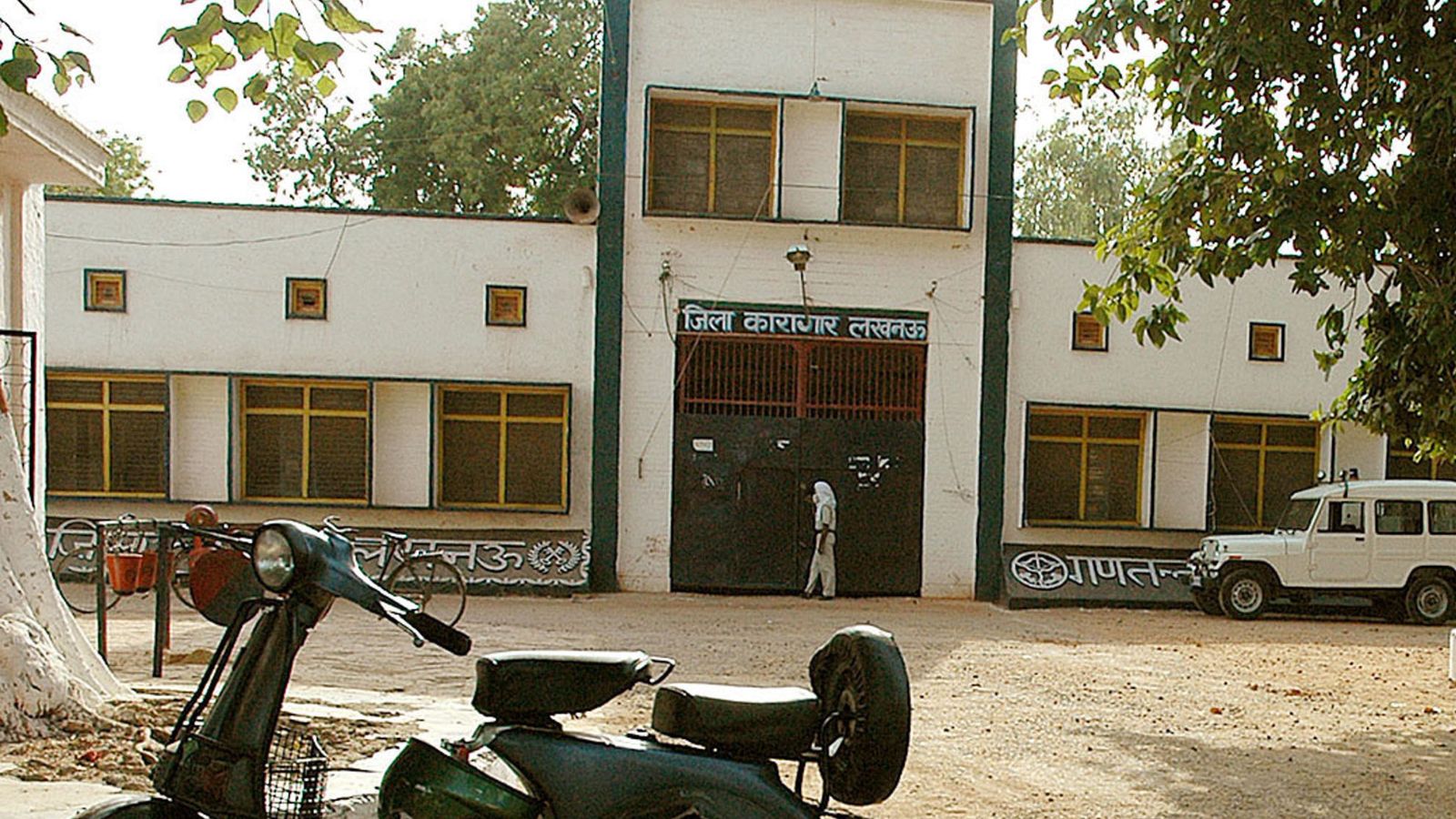


Are UP prisoners eating ‘unsafe’ spices? Report shows batch failed quality tests
Haldi, mirch, tez patta, kali mirch, dal chini, badi elaichi… A report says supply in November contained “extraneous matter” up to 50% of the weight, “insect damaged matter” in a sample was more than 40%
In March 2024, a release by the Centre said that hundred-odd jails across the country had been certified as ‘Eat Right Campus’ by the Food Safety and Standards Authority of India (FSSAI), as part of promoting safe and healthy eating habits. The highest number of these certified jails were in UP.
In the past few years, several jails in the state have also got “five-star” rating from the FSSAI.
Now comes a pinch of salt — and spice.
Documents seen by The Indian Express show that spices worth crores supplied to the Uttar Pradesh Prisons Administration and Reforms Department for distribution across jails in November last year failed quality tests.
As per the documents, at least six spices – staples such as haldi (turmeric), lal mirch (red chili), tez patta (bay leaf), kaali mirch (black pepper), dal chini (cinnamon) and badi elaichi (large cardamom) – failed quality tests at a Regional Food Research and Analysis Centre in Lucknow. And that the same batch was then sent to a private laboratory in Hapur district, and procured after the spices passed tests there.
The Regional Food Research and Analysis Centre found that the spices procured contained “extraneous matter” up to 50% of the weight, against the permissible 1%, while “insect damaged matter” amounted to more than 40% in one procured sample, the papers show.
Asked about the findings, the Additional Inspector General (IG) for Prisons Administration and Reform Services, Dharmendra Singh, cited the Hapur lab report clearing the spices. While some items “didn’t match the parameters in testing… earlier”, Singh told The Indian Express, “we cancelled that order and got a batch tested again. All the parameters were clear the second time”.
Sources said a different sample of the same batch was tested, and cleared.
About the samples being sent to a private laboratory, Singh said Vani Analytical Research Private Limited was NABL (National Accreditation Board for Testing and Calibration Laboratories) accredited. “We have both the options – to get samples tested at a government laboratory or an NABL-accredited laboratory.”
The Indian Express visited Vani Analytical Research Private Limited, which is located in a three-storey building in Shahpur Fagauta village of Hapur, with 25 employees. Director Sudarshan Mittal, who owns the facility, told The Indian Express: “We get samples from across India. The set of samples you are talking about came through a courier from the Uttar Pradesh Prisons Department and cleared all the parameters.”
A food expert in Delhi said the findings by the Regional Food Research and Analysis Centre show that the spices were substandard as per FSSAI parameters. “They are also unsafe to consume and can be injurious to health,” said the expert, refusing to be identified.
* Turmeric: The centre held that while “extraneous matter” should not be more than 1.0% by weight of the total quantity of a sample, it was 11.12% in a batch of turmeric tested on January 24, 2026, and 38.89% in another. The turmeric was also failed by the centre on parameters such as “insect-damaged matter”, which was found to be 5.5% of the weight, instead of the upper limit of 1%.
* Black pepper: The “extraneous matter” allowed for black pepper as per FSSAI regulations is 2% of the weight, but in the pepper tested by the centre, it was found to be 14.26%.
* Large cardamon: The “extraneous matter” allowed for large cardamon is 1% of the weight, while the sample was found to have as much as 21.40%, or nearly a quarter of the total. “Insect damaged matter” allowed for large cardamon is also 1% by weight, but in the sample tested, it was 7.9 % in one sample and 4.16% in another.
* Cinnamon: “Extraneous matter” is permitted to be 1% of the weight, but it was more than half (50.42%) in one sample and 38.2% in another. “Insect damaged matter” was 9.8% in one sample, and 7.79% in another, while the permissible limit is 1%.
* Bay leaf: The “extraneous matter” was 7.2% in one sample and 4% in the second, while the permissible limit is 1%. Under the tests for “Insect bored and diseased leaves”, the permissible limit is 10%, while it was 32.50% in one sample, and 43.24% in the second.
* Red chilli: The “insect damaged matter” permissible limit is 1%, while for the sample tested by the Lucknow laboratory, it was 8.4% in one sample, and 8.8% in the second.
In March 2024, a release by the Centre said that hundred-odd jails across the country had been certified as ‘Eat Right Campus’ by the Food Safety and Standards Authority of India (FSSAI), as part of promoting safe and healthy eating habits. The highest number of these certified jails were in UP.
In the past few years, several jails in the state have also got “five-star” rating from the FSSAI.
Now comes a pinch of salt — and spice.
Documents seen by The Indian Express show that spices worth crores supplied to the Uttar Pradesh Prisons Administration and Reforms Department for distribution across jails in November last year failed quality tests.
As per the documents, at least six spices – staples such as haldi (turmeric), lal mirch (red chili), tez patta (bay leaf), kaali mirch (black pepper), dal chini (cinnamon) and badi elaichi (large cardamom) – failed quality tests at a Regional Food Research and Analysis Centre in Lucknow. And that the same batch was then sent to a private laboratory in Hapur district, and procured after the spices passed tests there.
The Regional Food Research and Analysis Centre found that the spices procured contained “extraneous matter” up to 50% of the weight, against the permissible 1%, while “insect damaged matter” amounted to more than 40% in one procured sample, the papers show.
Asked about the findings, the Additional Inspector General (IG) for Prisons Administration and Reform Services, Dharmendra Singh, cited the Hapur lab report clearing the spices. While some items “didn’t match the parameters in testing… earlier”, Singh told The Indian Express, “we cancelled that order and got a batch tested again. All the parameters were clear the second time”.
Sources said a different sample of the same batch was tested, and cleared.
About the samples being sent to a private laboratory, Singh said Vani Analytical Research Private Limited was NABL (National Accreditation Board for Testing and Calibration Laboratories) accredited. “We have both the options – to get samples tested at a government laboratory or an NABL-accredited laboratory.”
The Indian Express visited Vani Analytical Research Private Limited, which is located in a three-storey building in Shahpur Fagauta village of Hapur, with 25 employees. Director Sudarshan Mittal, who owns the facility, told The Indian Express: “We get samples from across India. The set of samples you are talking about came through a courier from the Uttar Pradesh Prisons Department and cleared all the parameters.”
A food expert in Delhi said the findings by the Regional Food Research and Analysis Centre show that the spices were substandard as per FSSAI parameters. “They are also unsafe to consume and can be injurious to health,” said the expert, refusing to be identified.
* Turmeric: The centre held that while “extraneous matter” should not be more than 1.0% by weight of the total quantity of a sample, it was 11.12% in a batch of turmeric tested on January 24, 2026, and 38.89% in another. The turmeric was also failed by the centre on parameters such as “insect-damaged matter”, which was found to be 5.5% of the weight, instead of the upper limit of 1%.
* Black pepper: The “extraneous matter” allowed for black pepper as per FSSAI regulations is 2% of the weight, but in the pepper tested by the centre, it was found to be 14.26%.
* Large cardamon: The “extraneous matter” allowed for large cardamon is 1% of the weight, while the sample was found to have as much as 21.40%, or nearly a quarter of the total. “Insect damaged matter” allowed for large cardamon is also 1% by weight, but in the sample tested, it was 7.9 % in one sample and 4.16% in another.
* Cinnamon: “Extraneous matter” is permitted to be 1% of the weight, but it was more than half (50.42%) in one sample and 38.2% in another. “Insect damaged matter” was 9.8% in one sample, and 7.79% in another, while the permissible limit is 1%.
* Bay leaf: The “extraneous matter” was 7.2% in one sample and 4% in the second, while the permissible limit is 1%. Under the tests for “Insect bored and diseased leaves”, the permissible limit is 10%, while it was 32.50% in one sample, and 43.24% in the second.
* Red chilli: The “insect damaged matter” permissible limit is 1%, while for the sample tested by the Lucknow laboratory, it was 8.4% in one sample, and 8.8% in the second.