

Rules apply to every MP, no one has privilege to speak any time on any thing: Birla returns to LS
Apex Body Leh and the Kargil Democratic Alliance, bodies representing socio-political and religious groups in Ladakh, have been in talks with the Centre to press various demands from the region
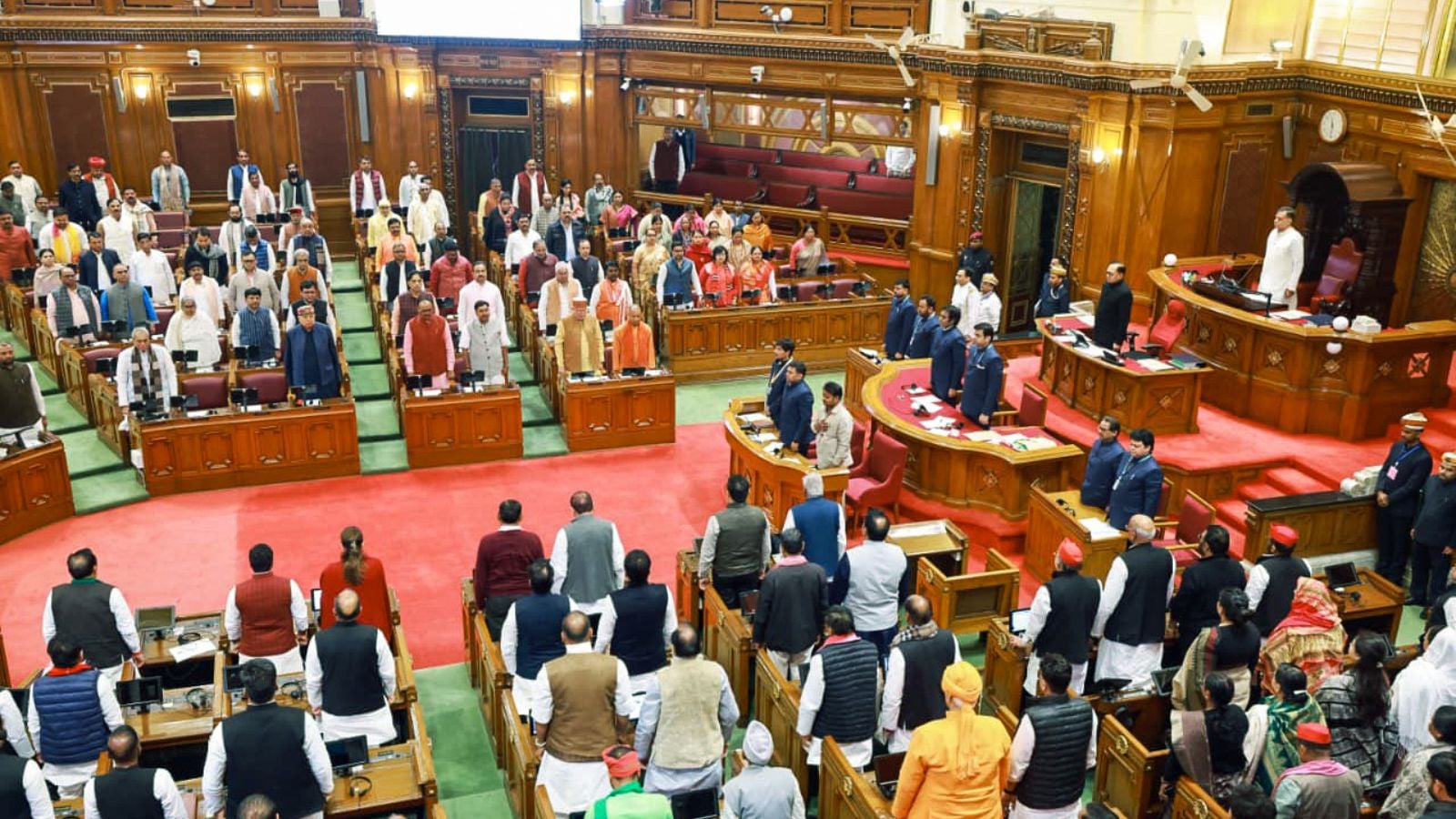
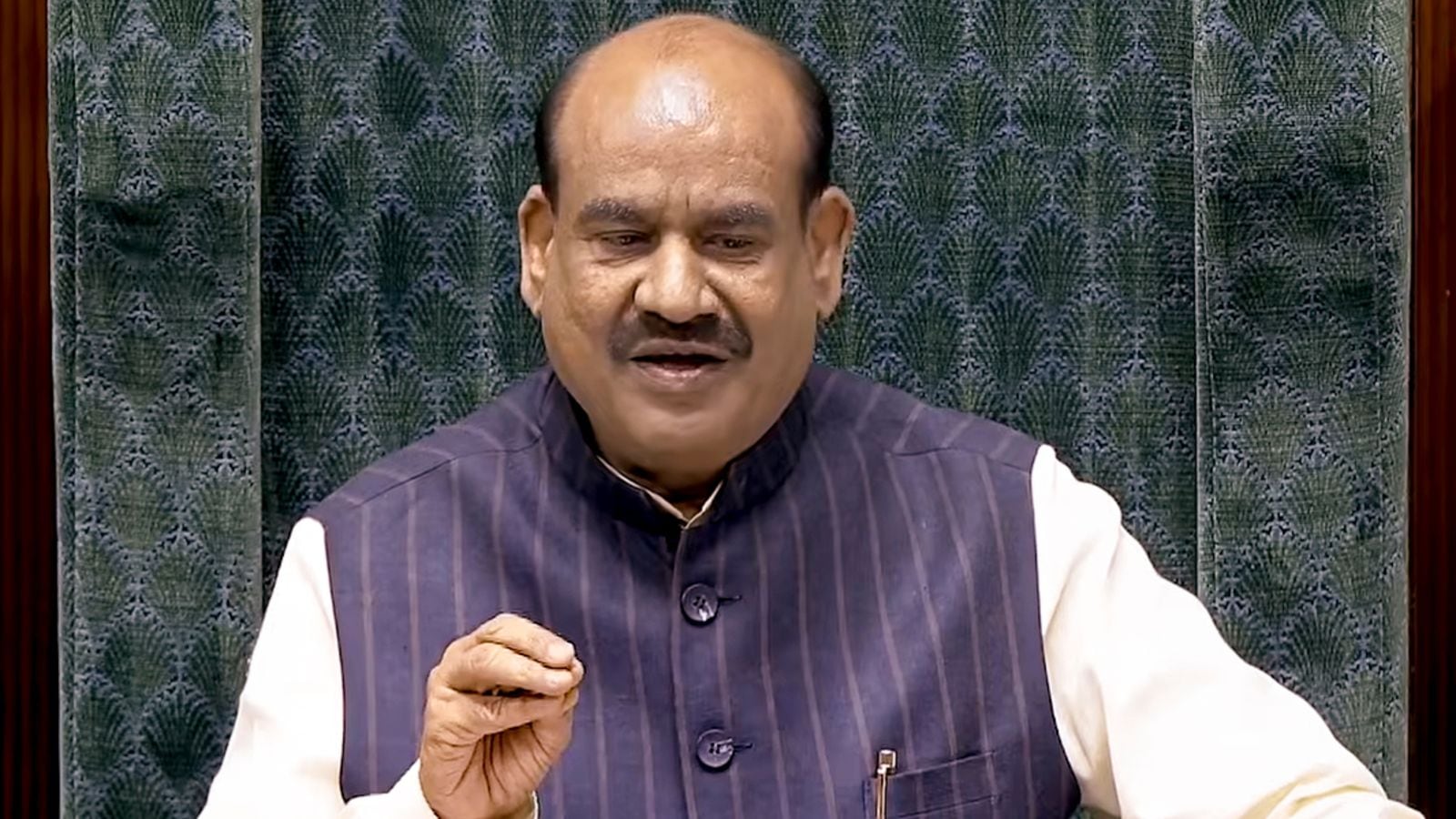
Returning to the House a day after the motion to remove him from office was defeated, Lok Sabha Speaker Om Birla on Thursday sought to emphasise that freedom of speech in Parliament is guaranteed, but subject to the Constitution, rules and standing orders regulating its procedure.
Birla said it was incumbent on everyone from the Prime Minister and his Cabinet colleagues to Members of the Opposition to follow these rules.
He also noted that the House had spent 12 hours debating the resolution to remove him — the third such motion of its kind in the history of the nation — instead of conducting official business, proposing that the hours of its functioning be increased for the remainder of its scheduled sittings to compensate for the lost time.
“I listened carefully and attentively to every Honourable Member. I sincerely thank all Members of this House, whether they expressed their views in support or offered suggestions through criticism. This is the essence of democracy: every voice is heard and every viewpoint holds value,” he said addressing the House.
Responding to the broader concerns raised over his official conduct, Birla sought to address each point, especially in relation to opportunities for Members to speak, clarifying that all MPs must follow procedures.
“Some Members believe that the Leader of the Opposition may stand at any time and speak on any subject of their choice as a special privilege. I wish to clarify that the House functions according to the rules framed by the House. These rules apply equally to every Member,” he said.
“I want to clarify that the rules… according to which the House runs have been made by the House itself, not by the government or the Opposition. I have inherited these rules… When the Prime Minister or ministers want to speak on a matter of public importance, they (too) have to seek agreement from the Speaker. A notice has to be given,” he said.
In response to allegations that microphones of Opposition Members were switched off by the Chair, Birla sought to clarify that “the Chair does not have any button to switch microphones on or off”.
“The system in the House activates the microphone only of the Member who has been granted permission to speak,” he said.
“This Chair does not belong to any person. It is a symbol of India’s democratic traditions, the spirit of the Constitution and the prestige of this great institution. My predecessors strengthened the dignity and traditions of this House, and it is my constant endeavor to ensure that its prestige continues to grow.”
Responding to concerns regarding respect for women MPs, Birla sought to underscore “deep respect for all women Members”. “My endeavour has always been to ensure that every woman Member gets the opportunity to speak in this House. During my tenure, every woman Member, including first-time MPs, has had the opportunity to express her views,” he said.
Seeking to negate claims that Opposition Members were not given adequate opportunity in debates, Birla cited official data related to proceedings from recent Lok Sabhas, adding that despite speaking time being viewed in proportion to numerical strength, Opposition Members have “often received more time” than allocated during major debates.
“I frequently extend the time allotted for debates and Zero Hour so that more Members can express their views,” he said, even as he criticised the “disruptive behaviour” in the House – especially sloganeering, displaying placards, tearing papers and approaching the Well of the House.
“These actions not only disrupt the functioning of the House but also diminish its prestige,” he said, adding that global conferences of presiding officers and parliamentary leaders in 1997 and 2001 had unanimously resolved that conduct “including slogan shouting, displaying placards, making inappropriate gestures and disrupting proceedings adversely affect the functioning of legislative institutions”.
Birla said there was “a clear line between democratic discourse and disorder”, stressing that maintaining the dignity and decorum of Parliament was the collective responsibility of all Members.
“Institutions are permanent and they form the foundation of a strong democracy. If we ourselves diminish the prestige of our institutions, the loss will not be of any individual or party, but of the entire nation,” he said.
“I regard both the Treasury Benches and the Opposition as equal guardians of this institution. Whether there is praise or criticism, my resolve remains the same — to protect the dignity of this House and uphold its rules…Let us begin a new, positive and constructive chapter from today. Let us move forward united in the path of national service and nation-building,” he said.
Stay updated with the latest - Click here to follow us on Instagram
Returning to the House a day after the motion to remove him from office was defeated, Lok Sabha Speaker Om Birla on Thursday sought to emphasise that freedom of speech in Parliament is guaranteed, but subject to the Constitution, rules and standing orders regulating its procedure.
Birla said it was incumbent on everyone from the Prime Minister and his Cabinet colleagues to Members of the Opposition to follow these rules.
He also noted that the House had spent 12 hours debating the resolution to remove him — the third such motion of its kind in the history of the nation — instead of conducting official business, proposing that the hours of its functioning be increased for the remainder of its scheduled sittings to compensate for the lost time.
“I listened carefully and attentively to every Honourable Member. I sincerely thank all Members of this House, whether they expressed their views in support or offered suggestions through criticism. This is the essence of democracy: every voice is heard and every viewpoint holds value,” he said addressing the House.
Responding to the broader concerns raised over his official conduct, Birla sought to address each point, especially in relation to opportunities for Members to speak, clarifying that all MPs must follow procedures.
“Some Members believe that the Leader of the Opposition may stand at any time and speak on any subject of their choice as a special privilege. I wish to clarify that the House functions according to the rules framed by the House. These rules apply equally to every Member,” he said.
“I want to clarify that the rules… according to which the House runs have been made by the House itself, not by the government or the Opposition. I have inherited these rules… When the Prime Minister or ministers want to speak on a matter of public importance, they (too) have to seek agreement from the Speaker. A notice has to be given,” he said.
In response to allegations that microphones of Opposition Members were switched off by the Chair, Birla sought to clarify that “the Chair does not have any button to switch microphones on or off”.
“The system in the House activates the microphone only of the Member who has been granted permission to speak,” he said.
“This Chair does not belong to any person. It is a symbol of India’s democratic traditions, the spirit of the Constitution and the prestige of this great institution. My predecessors strengthened the dignity and traditions of this House, and it is my constant endeavor to ensure that its prestige continues to grow.”
Responding to concerns regarding respect for women MPs, Birla sought to underscore “deep respect for all women Members”. “My endeavour has always been to ensure that every woman Member gets the opportunity to speak in this House. During my tenure, every woman Member, including first-time MPs, has had the opportunity to express her views,” he said.
Seeking to negate claims that Opposition Members were not given adequate opportunity in debates, Birla cited official data related to proceedings from recent Lok Sabhas, adding that despite speaking time being viewed in proportion to numerical strength, Opposition Members have “often received more time” than allocated during major debates.
“I frequently extend the time allotted for debates and Zero Hour so that more Members can express their views,” he said, even as he criticised the “disruptive behaviour” in the House – especially sloganeering, displaying placards, tearing papers and approaching the Well of the House.
“These actions not only disrupt the functioning of the House but also diminish its prestige,” he said, adding that global conferences of presiding officers and parliamentary leaders in 1997 and 2001 had unanimously resolved that conduct “including slogan shouting, displaying placards, making inappropriate gestures and disrupting proceedings adversely affect the functioning of legislative institutions”.
Birla said there was “a clear line between democratic discourse and disorder”, stressing that maintaining the dignity and decorum of Parliament was the collective responsibility of all Members.
“Institutions are permanent and they form the foundation of a strong democracy. If we ourselves diminish the prestige of our institutions, the loss will not be of any individual or party, but of the entire nation,” he said.
“I regard both the Treasury Benches and the Opposition as equal guardians of this institution. Whether there is praise or criticism, my resolve remains the same — to protect the dignity of this House and uphold its rules…Let us begin a new, positive and constructive chapter from today. Let us move forward united in the path of national service and nation-building,” he said.