

Two months after labour protest at Barauni refinery, 11 men await clarity on overtime dues
IOCS says ‘all pending wages settled through proactive efforts’ and ‘issue pertains to a limited dispute involving a few workers’.
For two years, Vimlesh Kumar would put in 12 hours a day for seven days a week – no Sundays and only the rare public holiday – in the hope of being paid overtime. With two young children to feed and raise and finances strained, Kumar hoped the money would help.
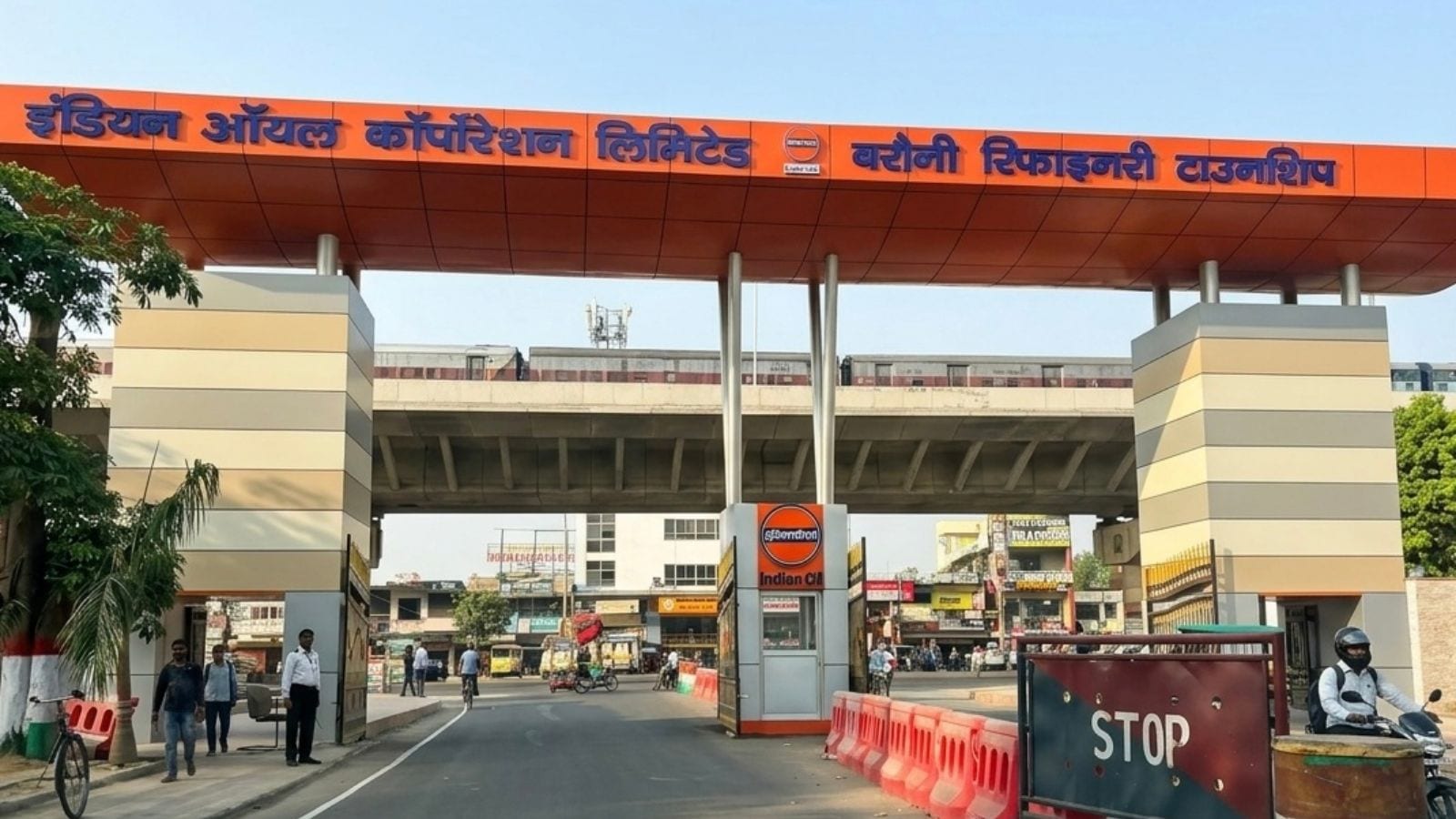
The money, he claims, never came. Instead, Vimlesh, a contractual worker at an Indian Oil Corporation Limited refinery in Barauni in Bihar’s Begusarai, is now involved in a legal fight. “My overtime comes to about Rs 2 lakh,” he claimed.
On February 2, the refinery saw a strike during which workers pressed for overtime wages, an eight-hour workday, and basic facilities. The day-long strike also saw demands for social security benefits such as provident fund, and necessities like labour sheds, drinking water and toilets. The strike, which did not make headlines at the time, came into focus after labour protests were also seen in parts of Haryana, Uttar Pradesh and Rajasthan earlier this month.
One permanent employee claimed workers are promised overtime payment beyond the mandated eight-hour shift, but payments are often delayed. “Workers have confronted contractors, asking either to follow work sheets properly or cancel gate passes so they could seek work elsewhere,” he said.
The IOCL, in a statement, said, “All pending wages have been settled through proactive efforts. The issue referred to pertains to a limited dispute involving a few workers (11 in number), currently under consideration of the Deputy Chief Labour Commissioner, Patna, and IOCL remains committed to implementing the decision. The company emphasised that there is no violation of statutory norms and any perceived delay is procedural.”
Eleven workers have filed appeals seeking overtime pay, and their case is scheduled to be heard in Patna on May 4. Among them is Ranjeet Kumar, who claims to have worked for 14 months without overtime. “The company says the contractor will pay, the contractor points to the company. Now there is a hearing on May 4,” he said.
Under India’s labour codes, regular working hours are generally 8-9 hours, with mandatory overtime pay for hours beyond this or for hours exceeding 48 per week. Overtime payment is twice the normal wages.
As of April, the minimum wage in Bihar is Rs 428 per day for unskilled work, Rs 444 for semi-skilled, Rs 541 for skilled, and Rs 660 for highly skilled. Wages are revised twice a year — April 1 and October 1.
Workers claim these rules are frequently flouted, with private contractors employing contract workers to avoid overtime payments.
Contractual workers also claim a part of their wages goes to contractors as commission. “As a result, we are paid only Rs 400 a day,” Vimlesh Kumar said, while another worker, Rohit Kumar, said: “Contract workers generally earn less than permanent employees and don’t get travel and other allowances. Our tenure is also uncertain, and those who join last are the first to lose jobs when contracts end.”
On February 2, a scuffle ensued after a worker was terminated, triggering fears of mass layoffs. After discussions with workers, the IOCL management agreed to several terms: from overtime and assured weekly rest to weekly grievance redressal by a committee, and a quarterly review of statutory compliance, such as PF, notice pay, and retrenchment benefits.
“Issues related to site facilities, such as sheds and drinking water, will be monitored by the committee. From 1 December 2025, all disputes related to wage payments will be resolved based on biometric data,” a letter from IOCL, dated February 2, said.
Rakesh Singh, a worker at the refinery, however, said, “In certain cases, payments still come after two or three months. We are asked to work Sundays and holidays, but compensation is not always commensurate.”
Vimlesh Kumar said he has borrowed Rs 1 lakh to keep his house running. “We are living hand-to-mouth. School fees, milk, food… these are basic things, so I have to manage them somehow for my family,” he said. “Salary alone was never enough, so I did those extra hours.”
Stay updated with the latest - Click here to follow us on Instagram
For two years, Vimlesh Kumar would put in 12 hours a day for seven days a week – no Sundays and only the rare public holiday – in the hope of being paid overtime. With two young children to feed and raise and finances strained, Kumar hoped the money would help.
The money, he claims, never came. Instead, Vimlesh, a contractual worker at an Indian Oil Corporation Limited refinery in Barauni in Bihar’s Begusarai, is now involved in a legal fight. “My overtime comes to about Rs 2 lakh,” he claimed.
On February 2, the refinery saw a strike during which workers pressed for overtime wages, an eight-hour workday, and basic facilities. The day-long strike also saw demands for social security benefits such as provident fund, and necessities like labour sheds, drinking water and toilets. The strike, which did not make headlines at the time, came into focus after labour protests were also seen in parts of Haryana, Uttar Pradesh and Rajasthan earlier this month.
One permanent employee claimed workers are promised overtime payment beyond the mandated eight-hour shift, but payments are often delayed. “Workers have confronted contractors, asking either to follow work sheets properly or cancel gate passes so they could seek work elsewhere,” he said.
The IOCL, in a statement, said, “All pending wages have been settled through proactive efforts. The issue referred to pertains to a limited dispute involving a few workers (11 in number), currently under consideration of the Deputy Chief Labour Commissioner, Patna, and IOCL remains committed to implementing the decision. The company emphasised that there is no violation of statutory norms and any perceived delay is procedural.”
Eleven workers have filed appeals seeking overtime pay, and their case is scheduled to be heard in Patna on May 4. Among them is Ranjeet Kumar, who claims to have worked for 14 months without overtime. “The company says the contractor will pay, the contractor points to the company. Now there is a hearing on May 4,” he said.
Under India’s labour codes, regular working hours are generally 8-9 hours, with mandatory overtime pay for hours beyond this or for hours exceeding 48 per week. Overtime payment is twice the normal wages.
As of April, the minimum wage in Bihar is Rs 428 per day for unskilled work, Rs 444 for semi-skilled, Rs 541 for skilled, and Rs 660 for highly skilled. Wages are revised twice a year — April 1 and October 1.
Workers claim these rules are frequently flouted, with private contractors employing contract workers to avoid overtime payments.
Contractual workers also claim a part of their wages goes to contractors as commission. “As a result, we are paid only Rs 400 a day,” Vimlesh Kumar said, while another worker, Rohit Kumar, said: “Contract workers generally earn less than permanent employees and don’t get travel and other allowances. Our tenure is also uncertain, and those who join last are the first to lose jobs when contracts end.”
On February 2, a scuffle ensued after a worker was terminated, triggering fears of mass layoffs. After discussions with workers, the IOCL management agreed to several terms: from overtime and assured weekly rest to weekly grievance redressal by a committee, and a quarterly review of statutory compliance, such as PF, notice pay, and retrenchment benefits.
“Issues related to site facilities, such as sheds and drinking water, will be monitored by the committee. From 1 December 2025, all disputes related to wage payments will be resolved based on biometric data,” a letter from IOCL, dated February 2, said.
Rakesh Singh, a worker at the refinery, however, said, “In certain cases, payments still come after two or three months. We are asked to work Sundays and holidays, but compensation is not always commensurate.”
Vimlesh Kumar said he has borrowed Rs 1 lakh to keep his house running. “We are living hand-to-mouth. School fees, milk, food… these are basic things, so I have to manage them somehow for my family,” he said. “Salary alone was never enough, so I did those extra hours.”